


Recent studies indicate that a significant portion of the population is open to forming relationships with AI. According to a survey conducted by the Pew Research Center in early 2023, nearly 30% of respondents expressed interest in having a romantic relationship with an AI. This statistic highlights a growing acceptance of AI as a viable partner, reflecting broader societal shifts in how relationships are perceived. For more insights, see related discussions.
In literature, works like those by James Muldoon delve into the psychological and philosophical implications of these AI-human interactions. His insights provide a critical lens on the emotional complexities that arise when individuals engage with AI systems designed to mimic human behavior. As these technologies evolve, the line between genuine connection and programmed responses becomes increasingly blurred.
The ongoing development of AI technologies, particularly in natural language processing and machine learning, has enabled more sophisticated interactions. Companies like OpenAI and Google are at the forefront, creating systems that can engage users in meaningful conversations. This progress not only enhances user experience but also raises ethical considerations regarding consent, emotional manipulation, and the potential for dependency on AI companions.
As society grapples with these developments, the implications for mental health, social interaction, and cultural norms are profound. Understanding the nuances of AI relationships is essential for navigating the future of human connection in an increasingly digital landscape. The conversation surrounding these issues is just beginning, and it will likely evolve as technology continues to advance.
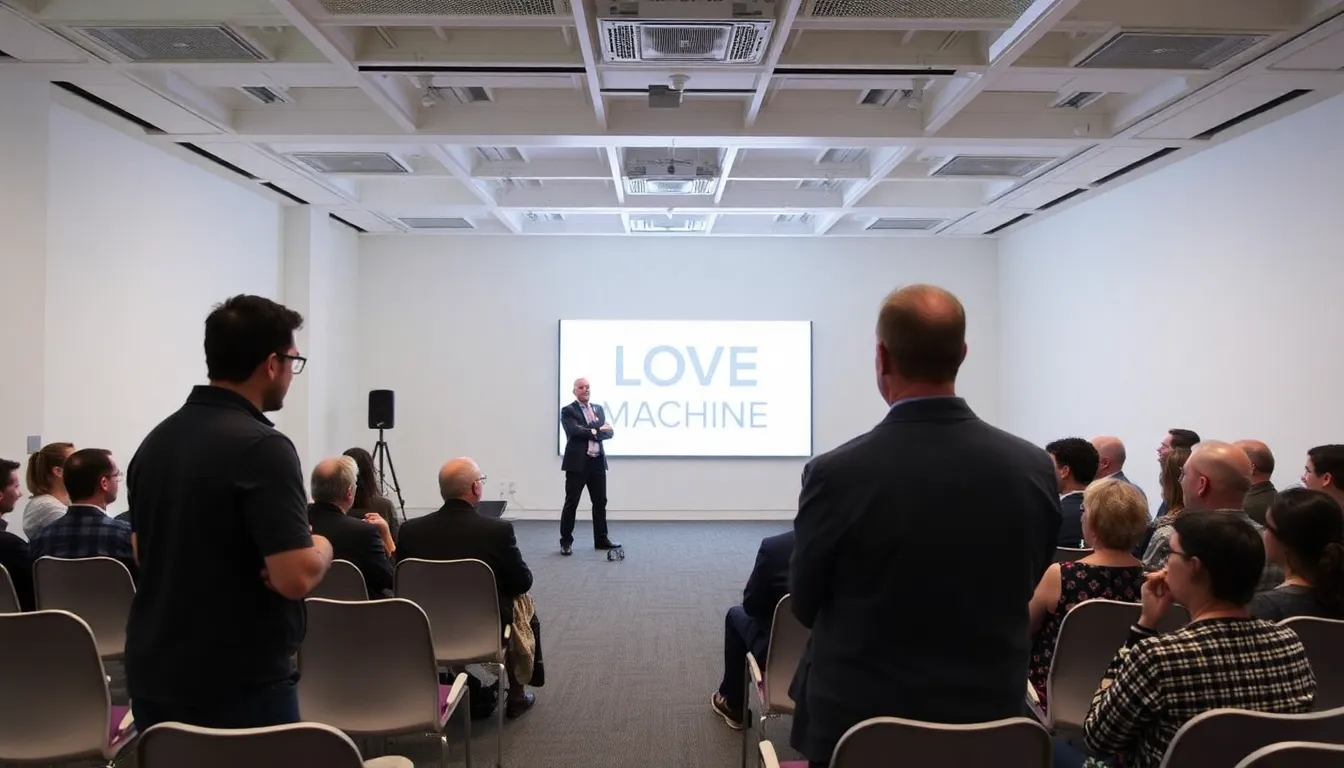
Understanding the background of AI in personal relationships
The evolution of artificial intelligence has significantly transformed various aspects of daily life, including personal relationships. Over the past few decades, advancements in technology have led to the development of AI systems that can simulate human-like interactions, raising questions about the nature of companionship and emotional connection. This shift is rooted in both technological innovation and societal changes, reflecting a growing acceptance of non-traditional relationships.
Historically, the concept of machines and technology facilitating human relationships can be traced back to the early days of computing in the mid-20th century. As computers became more sophisticated, the idea of creating programs that could engage with humans on an emotional level began to take shape. The late 1990s saw the emergence of early chatbots, such as ELIZA, which demonstrated that machines could mimic conversational patterns, albeit in a rudimentary manner. These early experiments laid the groundwork for more advanced AI systems that would follow.
In the 21st century, the proliferation of smartphones and social media has further accelerated the integration of AI into personal relationships. Apps designed for dating and companionship have begun to incorporate AI algorithms to enhance user experiences, leading to a new paradigm where individuals can form connections with both humans and AI entities. This has sparked debates about the implications of such relationships, including issues of authenticity, emotional dependency, and the potential for social isolation.
The rise of AI companionship
The rise of AI companionship has been marked by several key milestones, including the introduction of virtual assistants like Siri and Alexa, which have become integral to many people’s lives. Additionally, the development of AI-driven chatbots and virtual companions, such as Replika, has opened new avenues for emotional engagement. These technologies not only provide companionship but also serve as a reflection of societal shifts towards digital interactions, particularly among younger generations who are increasingly comfortable with technology as a substitute for traditional socialization.
Key issues surrounding AI and emotional connections
The rise of AI technologies has led to significant discussions regarding the emotional connections humans can form with machines. In James Muldoon’s “Love Machines,” these connections are explored through various lenses, revealing a complex landscape of stakeholders and interests. Key actors in this scenario include technology companies, mental health professionals, ethicists, and the general public, each with distinct motivations and concerns. For more on similar topics, check out this article.

Technology companies, such as those developing AI-driven companionship applications, are primarily interested in market expansion and profitability. They aim to create products that simulate emotional relationships, catering to individuals seeking companionship. However, this pursuit raises ethical questions about the authenticity of these relationships and the potential for dependency on AI for emotional support.
Mental health professionals are increasingly concerned about the implications of AI relationships on human psychology. They highlight the risk of individuals substituting genuine human interactions with artificial ones, potentially leading to social isolation or impaired emotional development. This concern underscores the need for guidelines and regulations to ensure that AI companions do not replace essential human connections. Explore further discussions on technology impacts in this piece.
- Legal Issues: The legal framework surrounding AI relationships is still evolving, raising questions about liability and accountability in cases of emotional harm.
- Economic Trade-offs: While AI companions can provide cost-effective emotional support, they may also undermine traditional therapeutic practices and employment in mental health sectors.
- Ethical Dilemmas: The creation of emotionally intelligent machines prompts debates on the morality of programming emotions and the potential exploitation of vulnerable individuals.
Governments and regulatory bodies face the challenge of establishing policies that address these emerging technologies while balancing innovation and public safety. As AI continues to integrate into daily life, the dialogue surrounding its impact on emotional connections will remain critical, necessitating collaboration among all stakeholders to navigate the complexities involved.
The effects of AI relationships on society and individuals
The rise of AI relationships, as explored in ‘Love Machines’ by James Muldoon, has significant implications for various groups and industries. Individuals seeking companionship, mental health professionals, and technology developers are among those most impacted. Additionally, sectors such as entertainment, healthcare, and education may also experience transformative changes as AI becomes more integrated into daily life.
In the short term, people may find themselves increasingly relying on AI for emotional support, leading to shifts in how relationships are perceived and valued. This reliance could result in a decline in face-to-face interactions, potentially affecting social skills and emotional intelligence. On the business front, companies developing AI technologies might see a surge in demand, prompting rapid innovation and investment in this sector.

Mid-term effects may include changes in policy as governments and regulatory bodies grapple with the ethical implications of AI relationships. Issues surrounding consent, data privacy, and the psychological impacts of AI companionship will likely necessitate new frameworks. Furthermore, the entertainment industry could witness a boom in AI-generated content, offering new forms of storytelling and interaction.
- Risks: Decreased human interaction, ethical dilemmas, and potential mental health issues.
- Opportunities: Enhanced emotional support, innovation in technology, and new business models.
As society navigates these changes, the balance between harnessing the benefits of AI relationships and mitigating their risks will be crucial. The ongoing dialogue around AI’s role in personal relationships will shape cultural norms and expectations for future generations.
A: The main theme of Love Machines revolves around the exploration of emotional connections formed between humans and AI. It examines how these relationships challenge traditional notions of love and companionship. A: The book delves into ethical concerns by discussing the implications of forming attachments to AI entities. It raises questions about consent, emotional manipulation, and the authenticity of AI relationships. A: The book argues that while AI relationships may lack the biological basis of human interactions, they can still provide meaningful connections for individuals. The definition of ‘real’ in relationships is explored in depth. A: AI relationships can influence human interactions by potentially reducing the need for traditional social connections. This shift may lead to both positive and negative consequences for social dynamics. A: Love Machines is suitable for readers interested in technology, psychology, and the future of relationships. However, those uncomfortable with the concept of AI in intimate contexts may find it challenging.
Frequently asked questions about AI relationships
Key insights and future outlook on AI relationships
The exploration of AI relationships in ‘Love Machines’ by James Muldoon raises critical questions about the nature of intimacy and connection in an increasingly digital world. As technology continues to evolve, the boundaries between human emotions and artificial intelligence are becoming more blurred, prompting society to reconsider what it means to form genuine relationships. This shift presents both opportunities and challenges, particularly in how we navigate emotional fulfillment and companionship.
Looking ahead, it is essential to remain vigilant about the implications of integrating AI into our personal lives. Understanding the psychological and social impacts of these relationships can guide us in creating a balanced coexistence with technology, ensuring that human connection remains at the forefront.
- Emotional Dependency: Monitor the potential for individuals to develop emotional dependencies on AI companions, which may affect real-life relationships.
- Ethical Considerations: Engage in discussions about the ethical implications of AI in personal relationships, particularly around consent and emotional manipulation.
- Impact on Social Norms: Observe how AI relationships may influence societal norms regarding love, companionship, and fidelity.
- Therapeutic Applications: Explore the potential for AI to play a role in therapeutic settings, offering companionship or support for those in need.
- Technological Literacy: Encourage the development of technological literacy to help individuals navigate and understand the complexities of AI relationships.