


The initiative to provide complimentary service is seen as a significant move to support Iranians in accessing information and communicating freely. Starlink, operated by SpaceX, has been expanding its services globally, and this recent decision highlights its role in promoting digital connectivity in regions facing censorship.
With the Iranian government frequently blocking social media platforms and other communication channels, the availability of Starlink’s service could empower citizens to bypass these restrictions. The nonprofit emphasized that this access is crucial for fostering open dialogue and facilitating the exchange of ideas during a time of heightened political tension.
This situation underscores the growing importance of satellite internet technology in providing reliable connectivity in areas where traditional infrastructure is lacking or heavily monitored. As more Iranians gain access to this service, it may further challenge the government’s control over information and communication.
Understanding the background of internet access in Iran
Internet access in Iran has been a contentious issue for years, shaped by a complex interplay of historical, political, and social factors. Since the establishment of the Islamic Republic in 1979, the government has maintained strict control over information and communication technologies. This control has intensified in response to protests and political dissent, leading to periodic internet shutdowns and censorship of online content.
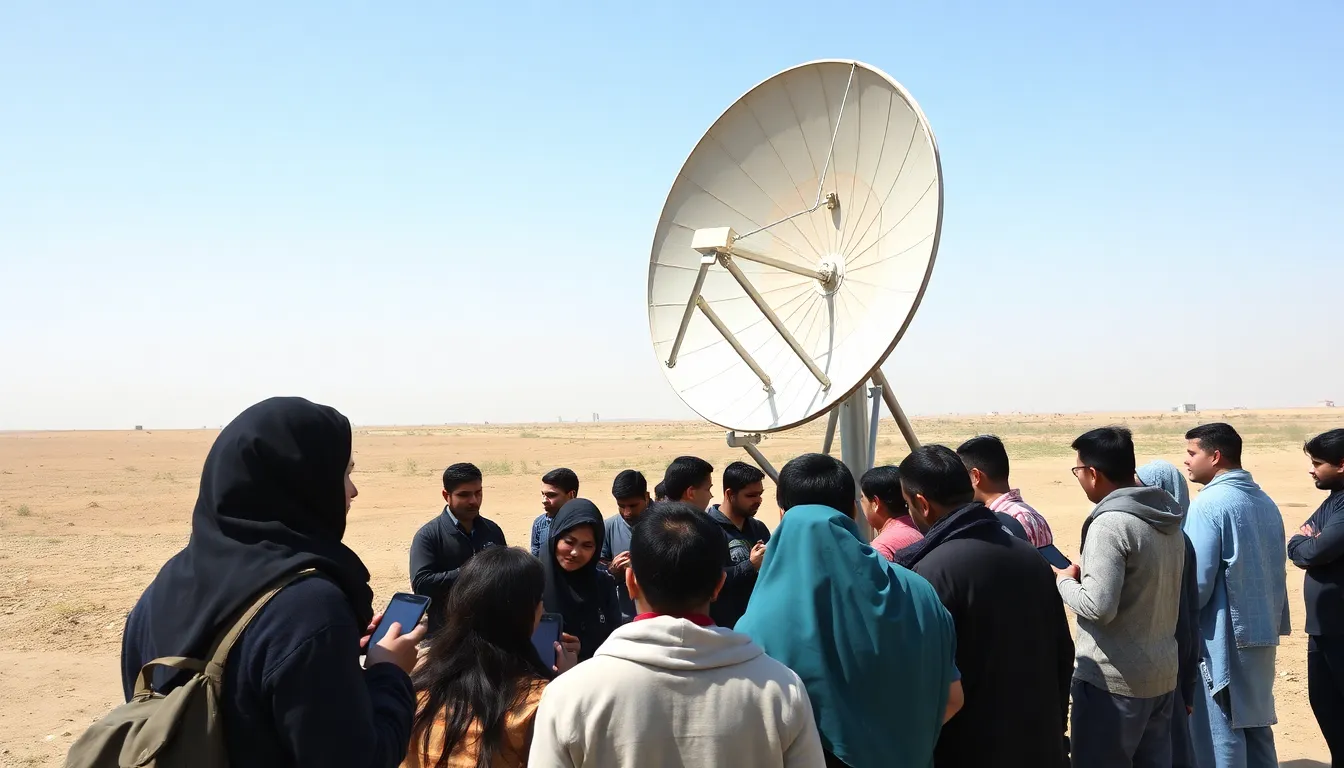
The rise of social media and digital communication has empowered citizens to organize and express dissent, prompting the government to react with increased surveillance and restrictions. Major events, such as the Green Movement in 2009 and the protests following the 2019 fuel price hikes, showcased the power of the internet in mobilizing citizens, leading to severe crackdowns on connectivity during these times.
The Role of International Organizations
International organizations and nonprofits have increasingly recognized the importance of internet access in promoting democracy and human rights. In recent years, initiatives aimed at providing alternative means of connectivity have emerged, particularly in authoritarian regimes like Iran. These efforts have gained momentum amid rising global awareness of the need for digital freedom, with various organizations advocating for tools that bypass censorship and provide secure communication channels, similar to those discussed in articles about bankers’ resurgence.
Starlink, a satellite internet constellation developed by SpaceX, represents a significant development in this context. By offering high-speed internet access independent of terrestrial infrastructure, Starlink has the potential to circumvent the restrictions imposed by the Iranian government. Reports of free internet access for users in Iran highlight the growing importance of alternative connectivity solutions in empowering citizens and fostering communication in repressive environments.
Examining the stakeholders involved in this initiative
The recent announcement by a nonprofit organization that Starlink users in Iran will receive free internet access has sparked significant interest among various stakeholders. These include the Iranian government, SpaceX (the parent company of Starlink), nonprofit organizations advocating for digital rights, and the citizens of Iran themselves. Each of these actors has distinct interests and potential conflicts arising from this initiative.
The Iranian government is primarily concerned with maintaining control over information and communication within its borders. The provision of free internet access through Starlink could undermine governmental authority and facilitate the spread of dissenting views, posing a challenge to the regime’s efforts to regulate the flow of information. This raises questions about the government’s response to such an initiative, which might include attempts to block or restrict access to satellite internet services.
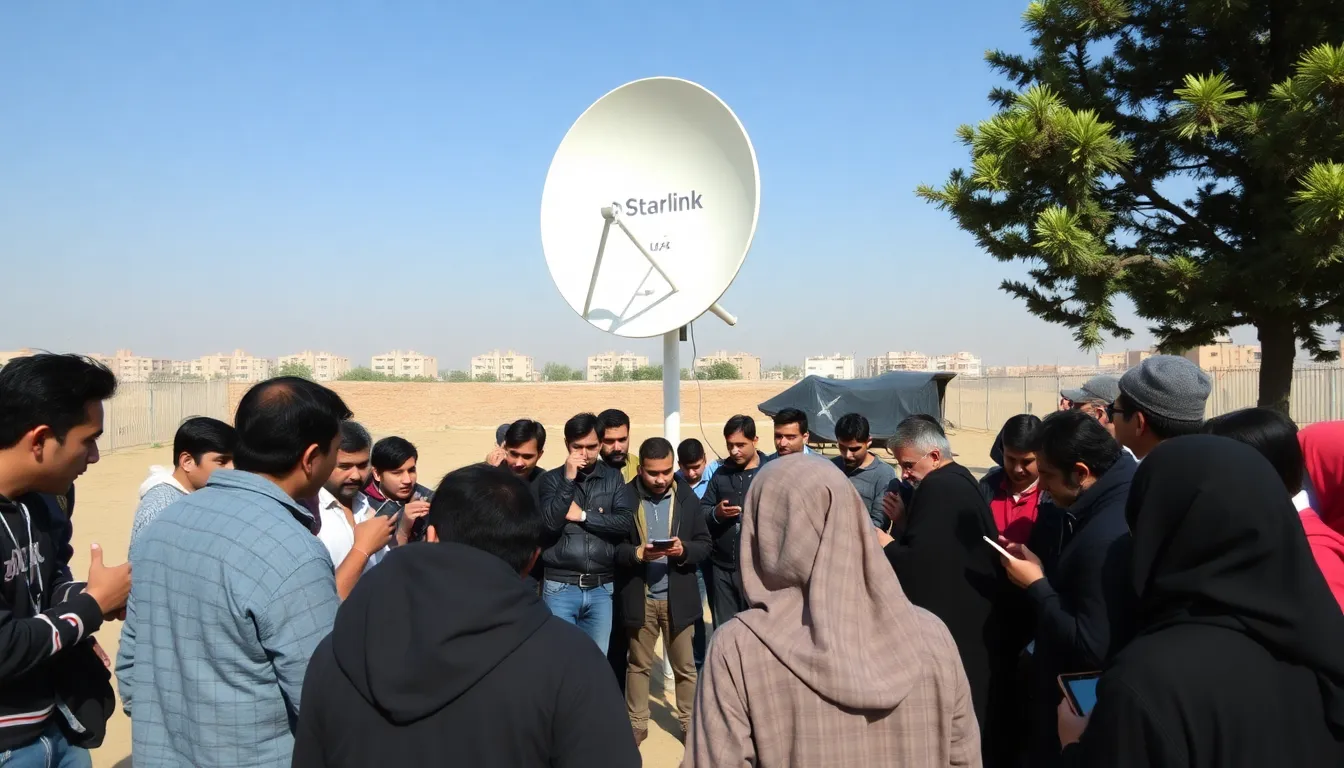
On the other hand, SpaceX has a vested interest in expanding its user base and demonstrating the utility of its satellite internet service in regions with limited connectivity. By providing free access in Iran, SpaceX could enhance its reputation as a company committed to bridging the digital divide. However, this initiative may also attract scrutiny related to international sanctions and compliance with U.S. laws, potentially complicating SpaceX’s operational landscape.
- Digital Rights Organizations: Nonprofits advocating for freedom of expression may support the initiative, viewing it as a means to empower Iranians with access to unfiltered information.
- Economic Implications: The initiative could affect local internet service providers and create tension between the government and private sector entities.
- Legal Challenges: The provision of free internet access may lead to legal disputes regarding compliance with international sanctions.
- Public Response: The Iranian public’s reaction could vary, with some welcoming the opportunity for greater connectivity while others may fear governmental repercussions.
Overall, the interplay between these stakeholders highlights the complexities involved in providing internet access in politically sensitive regions. The initiative presents both opportunities for enhanced connectivity and challenges related to governance, regulation, and societal impact.
The impact of free internet on Iranian users and society
The recent announcement that Starlink users in Iran will receive free internet access has significant implications for various groups within the country. Primarily, this development affects everyday citizens, particularly those in urban areas who have struggled with limited access to reliable internet services, much like the access challenges highlighted in the context of Wrexham’s community events. Additionally, marginalized communities in rural regions stand to benefit from enhanced connectivity, enabling them to engage more fully with the digital world.
In the short term, the provision of free internet is likely to improve daily life for many Iranians. Access to information, social media, and online services can empower users, facilitating communication and the sharing of ideas. This newfound connectivity may lead to increased civic engagement and activism, as individuals can more easily organize and mobilize around issues of concern.
From a business perspective, the mid-term impacts could be transformative. Industries such as e-commerce, education, and technology may experience a surge in growth as more people gain internet access. Local entrepreneurs could leverage online platforms to reach broader markets, while educational institutions might adopt digital learning solutions to enhance their offerings. However, this shift also poses risks, including potential government crackdowns on online activities that challenge the status quo.
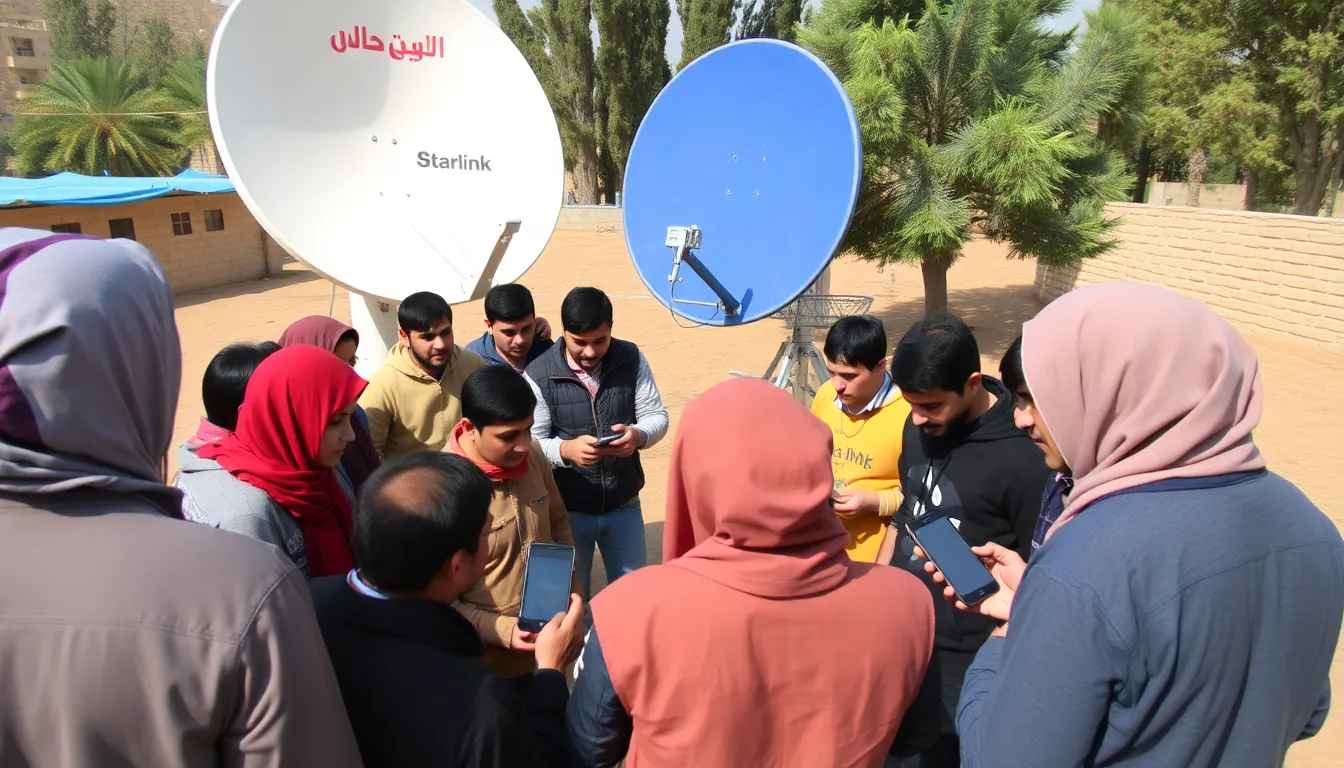
- Empowerment of citizens: Enhanced access to information and communication.
- Economic opportunities: Growth in e-commerce and tech sectors.
- Risks of repression: Possible government responses to increased online dissent.
- Rural connectivity: Improved access for underserved areas.
Overall, while the introduction of free internet access presents numerous opportunities for growth and engagement, it also carries inherent risks that could impact the political landscape and societal dynamics in Iran. The balance between these factors will shape the future of internet use and access in the region.
A: According to reports from a nonprofit organization, Starlink has initiated a program to provide free internet access to users in Iran, likely as a response to the country’s restrictive internet policies. A: Free internet access can significantly enhance communication, access to information, and social interactions among Iranian citizens, potentially empowering them in various aspects of life. A: The duration of the free service has not been clearly defined, and it may depend on various factors including regulatory responses and operational sustainability. A: The funding details have not been disclosed, but it is speculated that the initiative may be supported by philanthropic efforts or partnerships aimed at promoting internet freedom. A: While the specifics of any restrictions are not yet clear, users may still face challenges related to government surveillance and censorship.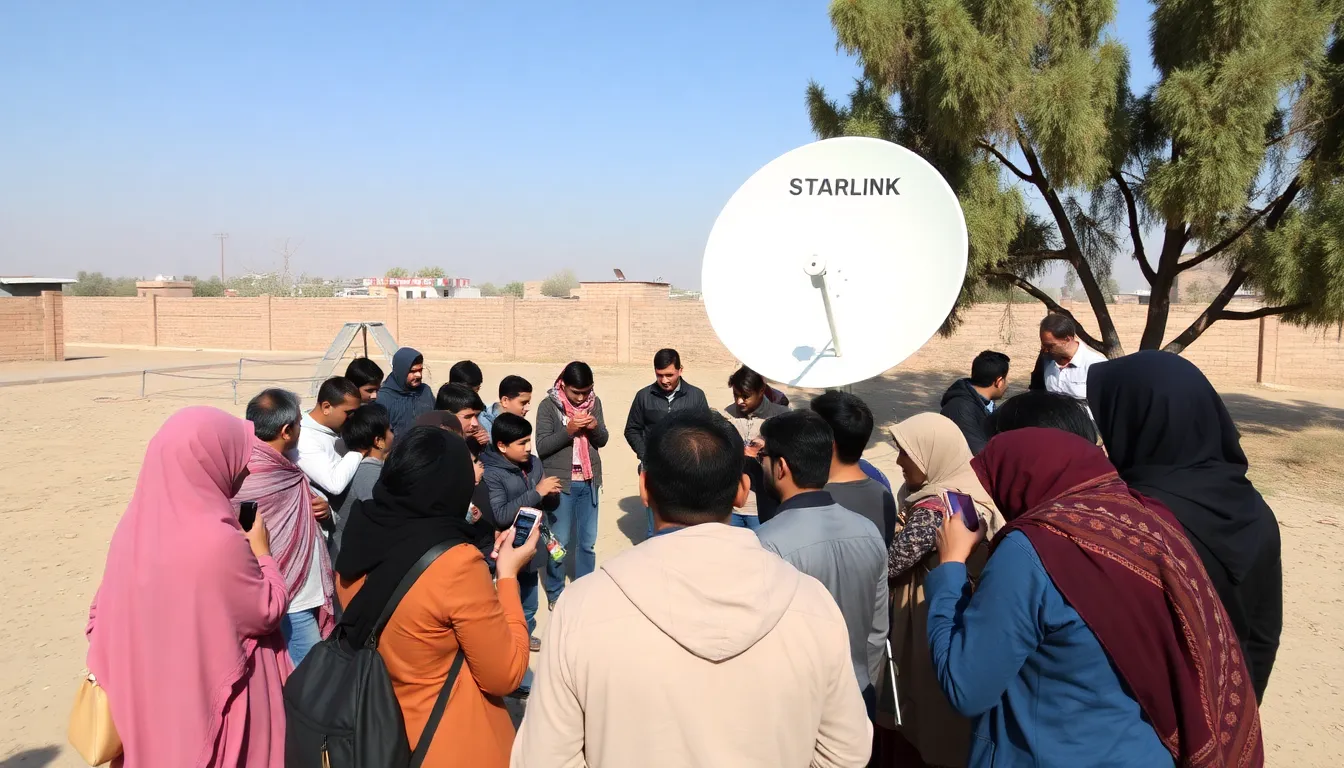
Frequently Asked Questions about Starlink in Iran
Key insights and future outlook on internet access in Iran
The recent announcement from a nonprofit organization regarding free internet access for Starlink users in Iran presents significant implications for the country’s digital landscape. This initiative could serve as a critical lifeline for Iranians seeking reliable information and communication channels, especially amid ongoing restrictions and censorship. As the global conversation around internet freedom continues to evolve, the situation in Iran highlights the potential for satellite technology to circumvent traditional barriers to access.
Looking ahead, the expansion of satellite internet services like Starlink may reshape the dynamics of internet usage in Iran, fostering greater connectivity and potentially empowering citizens. However, this development also raises questions about regulatory responses from the Iranian government and the long-term sustainability of such initiatives.
- Increased Connectivity: The provision of free internet access could significantly enhance communication among Iranians, allowing for better access to information and global discourse.
- Potential Government Response: Observing how Iranian authorities react to this development will be crucial, as it may influence future policies regarding internet access and censorship.
- Impact on Civil Society: Greater access to information may empower civil society organizations and activists, potentially leading to increased advocacy for human rights and freedom of expression.
- Technological Adoption: The success of satellite internet in Iran might encourage further investment in similar technologies, expanding options for internet access in other regions with restrictive environments.
- Global Implications: This situation could serve as a case study for other nations facing similar challenges, highlighting the role of technology in promoting digital rights and freedoms.