


With optimal viewing conditions expected throughout December and January, many astronomy enthusiasts are taking advantage of this opportunity to explore the constellation’s features, such as the Pleiades star cluster and the Hyades cluster.
This connection to early civilizations highlights humanity’s long-standing fascination with the night sky and the stories we weave around it.
Events such as star parties and public observation nights are being organized in various locations to encourage public engagement with astronomy. These gatherings provide a platform for enthusiasts and newcomers to learn about the significance of Taurus and its place in the broader context of celestial navigation and mythology.
The historical significance of Taurus in Babylonian culture
The constellation Taurus has held a prominent place in Babylonian culture for millennia, symbolizing strength and fertility. In ancient Mesopotamia, the bull was not only a powerful agricultural symbol but also a representation of the gods. The Babylonians associated Taurus with the deity Marduk, the chief god of their pantheon, who was often depicted as a bull, embodying power and protection.

The significance of Taurus extended beyond mythology; it played a crucial role in the agricultural calendar. The rising of the Pleiades in the spring marked the beginning of the farming season, a time when the bull was essential for plowing fields. This celestial event was celebrated in various rituals and festivals, reflecting the deep connection between astronomy and agriculture in Babylonian society.
The influence of Taurus on Babylonian astrology
Astrologers used the position of celestial bodies in Taurus to predict events and provide guidance to the ruling class, further intertwining it with events that shaped cultures, such as those described in the agricultural calendar.
Key milestones in the understanding of Taurus include the compilation of the Enuma Anu Enlil, a collection of astrological omens that date back to the 7th century BCE. This document outlined the significance of various celestial events, including those involving Taurus, and served as a foundation for later astrological practices in the region and beyond.
The legacy of Taurus continues to influence modern astronomy and astrology, reminding us of the rich tapestry of human history where celestial observations shaped cultural beliefs and practices. As we gaze upon the night sky today, we are not just looking at stars; we are witnessing the echoes of a civilization that revered the bull as a symbol of life and continuity.
Key astronomical features and their relevance
The constellation Taurus, often referred to as the Babylonian bull of heaven, holds significant astronomical and cultural importance. It is home to several noteworthy celestial objects, including the Pleiades star cluster and the bright star Aldebaran, which serves as the eye of the bull. These features not only capture the interest of astronomers but also resonate with various cultural narratives and mythologies across different civilizations.

Key stakeholders in the study and observation of Taurus include astronomers, researchers, educational institutions, and cultural organizations. Astronomers are primarily interested in the scientific aspects of the constellation, such as its formation and the characteristics of its stars. Educational institutions aim to incorporate these celestial phenomena into their curricula to inspire future generations of scientists. Cultural organizations may focus on the historical and mythological significance of Taurus, promoting awareness and appreciation of its legacy.
However, there are several conflicts and trade-offs that arise in this context. For instance, the allocation of funding for astronomical research can often prioritize more prominent celestial phenomena, potentially sidelining less popular constellations like Taurus. Additionally, as interest in space tourism grows, there may be pressure to commercialize space observation, which could lead to the commodification of celestial experiences that were once purely scientific or cultural.
- Scientific Research: The need for funding and resources to study Taurus and its celestial features.
- Cultural Heritage: The importance of preserving the mythological narratives associated with Taurus.
- Public Engagement: The role of educational programs in fostering interest in astronomy among the public.
- Commercial Interests: The impact of space tourism on the accessibility and perception of celestial phenomena.
- International Collaboration: The necessity of cooperation between countries to enhance astronomical research and share findings.
Legal issues may also arise, particularly concerning the ownership and use of space resources. As the exploration of space becomes more commercialized, the question of who has the rights to celestial bodies and their resources could lead to disputes among nations and private enterprises. This underscores the importance of establishing clear international regulations to govern these activities and ensure equitable access to space for all stakeholders.
How Taurus influences modern astronomy and culture
The constellation Taurus, known as the Babylonian bull of heaven, continues to capture the imagination of various groups, including astronomers, educators, and cultural enthusiasts. Its prominence in the night sky not only serves as a reminder of ancient myths but also influences modern scientific endeavors and educational initiatives.
In the short term, the visibility of Taurus can spark interest in astronomy among schools and local communities. Astronomy clubs and educational institutions may organize stargazing events, leading to an increase in participation from families and students. This can foster a greater appreciation for science and space exploration, potentially inspiring the next generation of scientists and engineers.
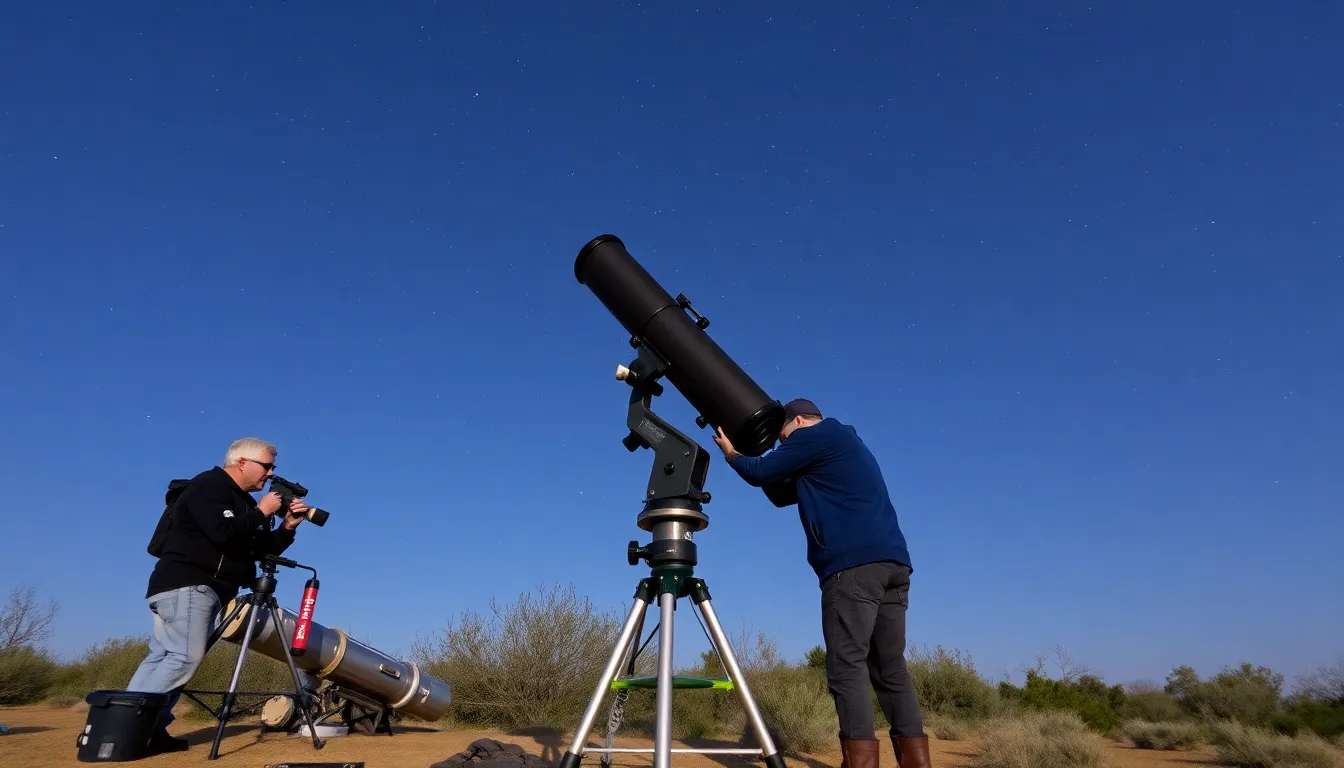
In the mid-term, industries related to tourism and entertainment may experience a boost as more people seek to engage with celestial events associated with Taurus, such as meteor showers or planetary alignments. Local businesses, including restaurants and hotels, could benefit from increased foot traffic during these events, creating new economic opportunities.
However, there are risks associated with the increased interest in celestial events. Urban areas with high light pollution may hinder people’s ability to view the stars, which could lead to frustration and a disconnect from the natural world. Additionally, the commercialization of astronomy-related events may overshadow the educational aspects, potentially diluting the cultural significance of Taurus.
- Educational Initiatives: Increased interest in astronomy can lead to enhanced science education in schools.
- Tourism Growth: Local economies may benefit from stargazing events and related activities.
- Community Engagement: Astronomy clubs can foster community involvement and interest in science.
- Risks of Light Pollution: Urban areas may struggle to provide clear views of celestial events.
- Commercialization Concerns: Potential dilution of cultural significance due to commercialization.
A: Taurus is one of the twelve zodiac signs and represents a bull in various cultures. It is associated with the Pleiades star cluster and has been a point of interest for astronomers. A: Taurus is best observed during the winter months in the Northern Hemisphere. Look for the bright star Aldebaran and the Pleiades cluster to identify the constellation. A: In mythology, Taurus is often linked to the story of Zeus transforming into a bull. Various cultures have their own interpretations of this constellation. A: Taurus is most visible in the evening sky from November to March, making it an excellent target for stargazers during these months. A: Yes, Taurus contains several notable stars, including Aldebaran, which is known as the eye of the bull, and the Pleiades star cluster, also known as the Seven Sisters.
Frequently asked questions about Taurus
Key insights and future observations of Taurus
The constellation Taurus, steeped in rich historical significance as the Babylonian bull of heaven, continues to captivate both astronomers and enthusiasts alike. Its prominence in the night sky not only serves as a reminder of ancient civilizations but also highlights the ongoing relevance of celestial bodies in contemporary culture and science. Observing Taurus provides an opportunity to explore the intersection of mythology, astronomy, and modern astrophysics.
As we look ahead, the study of Taurus and its associated celestial phenomena may yield insights into the formation of stars and the dynamics of our galaxy. The bull’s position in the sky offers a unique vantage point for future astronomical events, encouraging both amateur and professional stargazers to engage with the cosmos on a deeper level.
- Monitor upcoming astronomical events, such as meteor showers and planetary alignments, that are visible in the Taurus constellation.
- Explore the historical context of Taurus in various cultures, enhancing understanding of its significance in mythology and astrology.
- Consider the implications of ongoing research related to star formation in the Taurus molecular cloud, which may reveal new insights into galactic evolution.
- Engage with community stargazing events to foster interest in astronomy and strengthen connections among enthusiasts.