


Airport authorities reported that the device, which was packed in a carry-on bag, triggered alarms during the screening process. For more information on how airports handle security measures, you can read our article on the importance of thorough security checks.
Passengers were evacuated from the vicinity, and flights were delayed as the situation unfolded. Authorities emphasized the importance of thorough security checks, but also acknowledged the challenges posed by personal electronic devices and beauty equipment in airport screenings.
This incident highlights ongoing concerns about airport security protocols and the potential for misunderstandings related to everyday items. As travel continues to rebound post-pandemic, ensuring passenger safety while minimizing disruptions remains a key priority for airport officials.
Understanding the background of the incident at the airport
The incident involving a laser hair removal device at Melbourne Airport reflects broader concerns regarding security measures in public spaces. This has led to increased scrutiny of personal items carried by passengers, as authorities aim to prevent potentially dangerous items from entering secure areas, especially in light of recent global incidents.
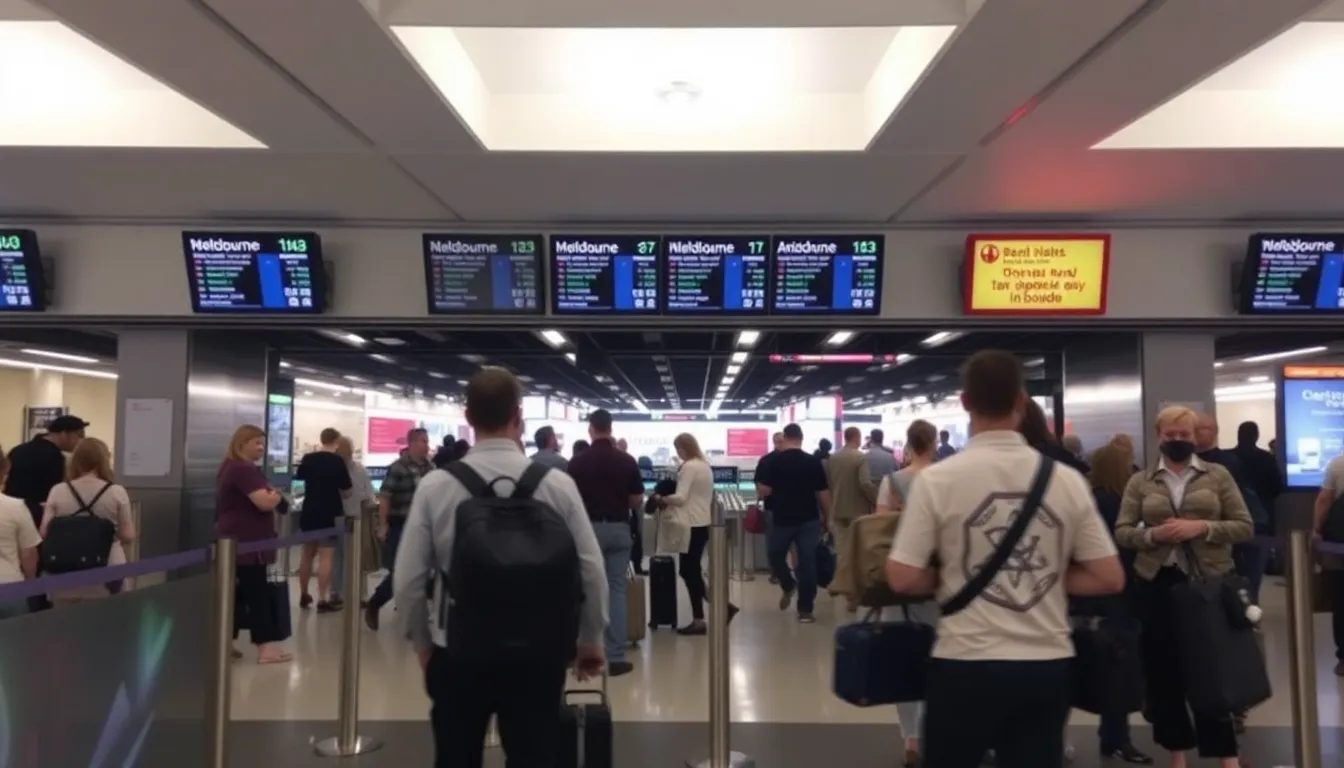
Historically, the evolution of airport security began in earnest after the September 11 attacks in 2001, which prompted governments to adopt stricter regulations regarding what can and cannot be brought onto aircraft. Items that may appear innocuous, such as personal grooming devices, can sometimes trigger alarms or be misidentified as threats, leading to significant disruptions in travel.
The rise of public awareness and response
Public awareness around safety and security has also changed dramatically over the years. This heightened vigilance can sometimes lead to overreactions, as seen in the Melbourne Airport incident, where a common consumer product was mistaken for a potential explosive device, reflecting the evolving narratives in today’s media, similar to those explored in international relations.
Moreover, the economic implications of such incidents cannot be overlooked. Airports are critical hubs for commerce and tourism, and any disruption can lead to significant financial losses. This has resulted in a more proactive approach by airport authorities to ensure that passengers feel safe while also maintaining operational efficiency.
In conclusion, the incident at Melbourne Airport serves as a reminder of the delicate balance between safety and convenience in modern travel. As technology evolves and public perceptions shift, incidents involving everyday items will continue to challenge security protocols and the responses of both authorities and the public.
Analyzing the implications for airport security and passenger safety
The recent incident at Melbourne Airport, where a laser hair removal device triggered a bomb scare, highlights the complex interplay between security protocols and passenger safety. The primary stakeholders in this situation include airport authorities, security agencies, passengers, and the manufacturers of the device. Each group has distinct interests that can sometimes conflict with one another.
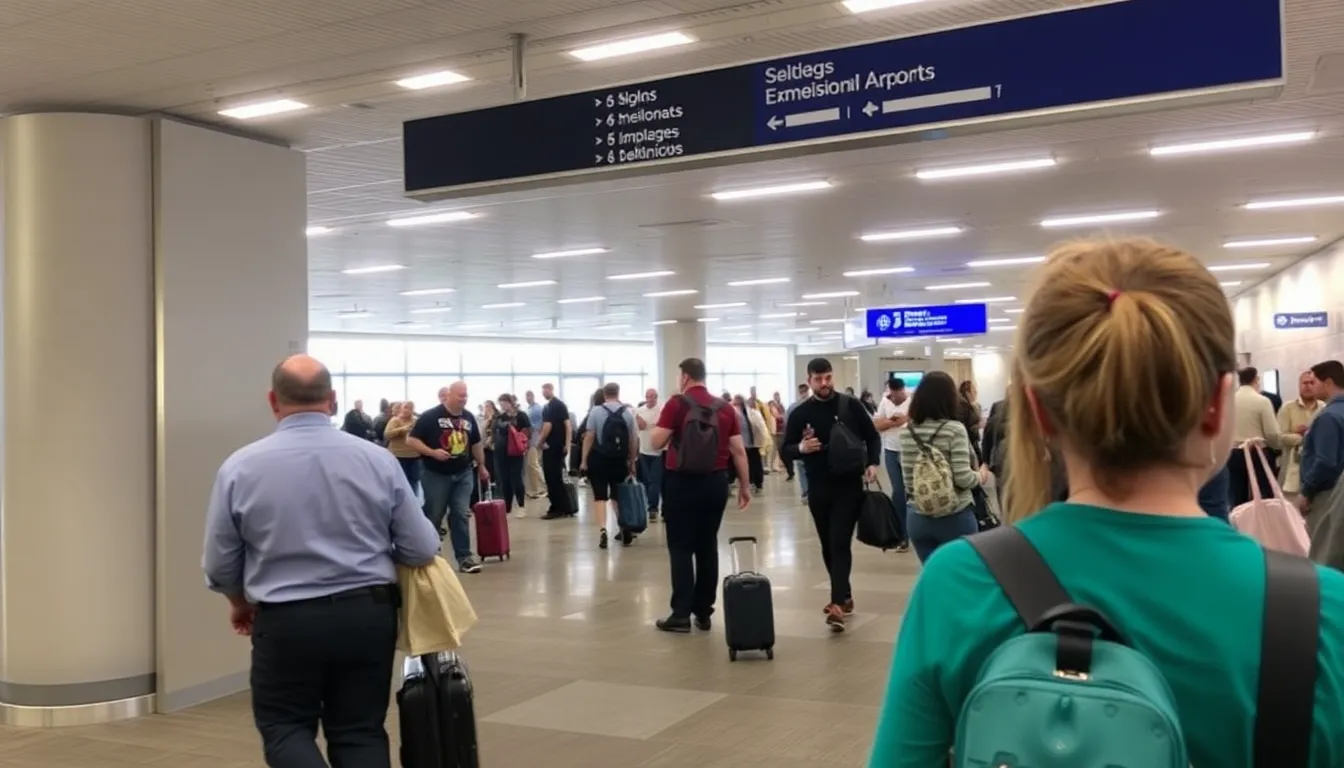
Airport authorities are focused on maintaining a safe environment for travelers while ensuring smooth operations. The incident raises questions about the effectiveness of current screening processes and whether they adequately address the risks posed by personal electronic devices. Security agencies, on the other hand, must balance the need for stringent security measures with the potential for overreach, which can lead to public anxiety and inconvenience.
Passengers are directly affected by the airport’s security policies and may feel a heightened sense of vulnerability following such incidents. Their interests lie in having a secure travel experience without excessive delays or invasive procedures. The manufacturers of laser hair removal devices are also stakeholders, as they may face scrutiny regarding the design and labeling of their products to prevent similar misunderstandings in the future.
- Increased Security Measures: The incident may prompt airports to reevaluate their security protocols, potentially leading to more rigorous screening of personal items.
- Public Perception: A bomb scare can significantly impact public confidence in airport security, leading to changes in travel behavior.
- Legal Implications: The incident raises questions about liability and responsibility for false alarms triggered by benign items.
- Economic Impact: Increased security measures could lead to longer wait times, affecting passenger flow and airport revenues.
- Regulatory Changes: This event may lead to new regulations regarding what items can be brought into airports, impacting manufacturers and consumers alike.
Ultimately, the incident serves as a reminder of the delicate balance that must be maintained between ensuring safety and facilitating an efficient travel experience. Stakeholders will need to engage in ongoing dialogue to address the challenges presented by evolving security threats and technological advancements.
Assessing the impact on travelers and airport operations
The recent bomb scare at Melbourne airport, triggered by a laser hair removal device, has left various groups affected, including travelers, airport staff, and law enforcement agencies. The incident has raised concerns about security protocols and the potential for misidentifying everyday items as threats, impacting the overall travel experience.
In the short term, travelers are likely to face increased security measures, longer wait times, and heightened anxiety as airports reassess their security protocols. This could deter some passengers from flying, particularly those who prioritize convenience and efficiency in their travel plans. Additionally, businesses within the airport, such as shops and restaurants, may see a decline in foot traffic as travelers become more cautious.
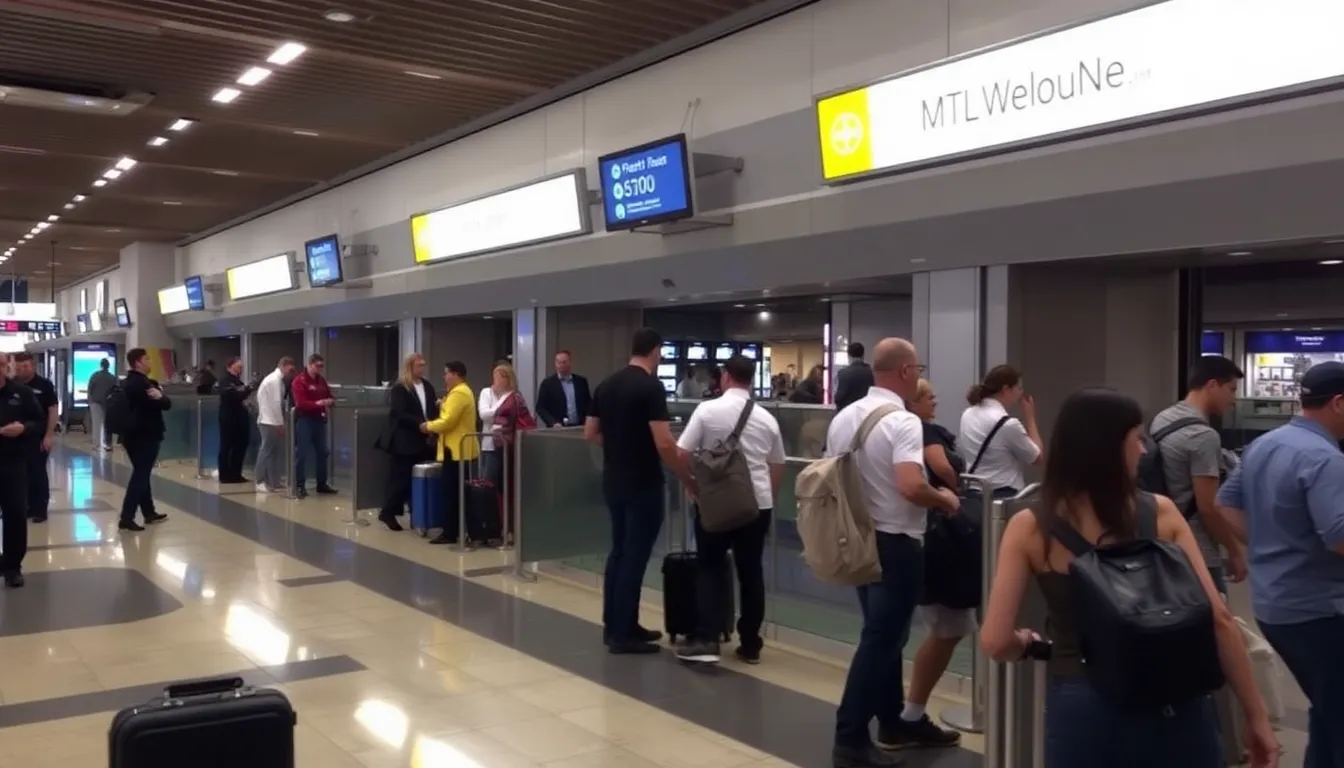
In the mid-term, the incident could lead to policy changes regarding security screenings at airports. Regulatory bodies may implement stricter guidelines for identifying potentially dangerous items, which could result in further scrutiny of personal belongings. This shift may create opportunities for technology companies to develop more advanced screening systems that enhance safety without compromising the traveler experience.
- Increased security measures at airports.
- Potential decline in passenger numbers.
- Opportunities for technology companies in security innovation.
- Heightened awareness of personal item regulations.
While the bomb scare has immediate negative implications for travelers and businesses, it also underscores the need for improved communication and education regarding the safety of personal devices. As awareness grows, there may be opportunities for companies to market their products more effectively, ensuring that consumers understand the safety of their devices in travel contexts.
A: The bomb scare was triggered by a laser hair removal device that was mistakenly identified as a potential explosive. A: No injuries were reported, but the incident caused significant panic and disruption among travelers. A: Airport security quickly evacuated the area and conducted thorough checks to ensure passenger safety. A: Travelers should be aware of the regulations regarding electronic devices and ensure they are properly packed to avoid similar incidents. A: Yes, airport authorities are likely to review and enhance security protocols to prevent future misunderstandings.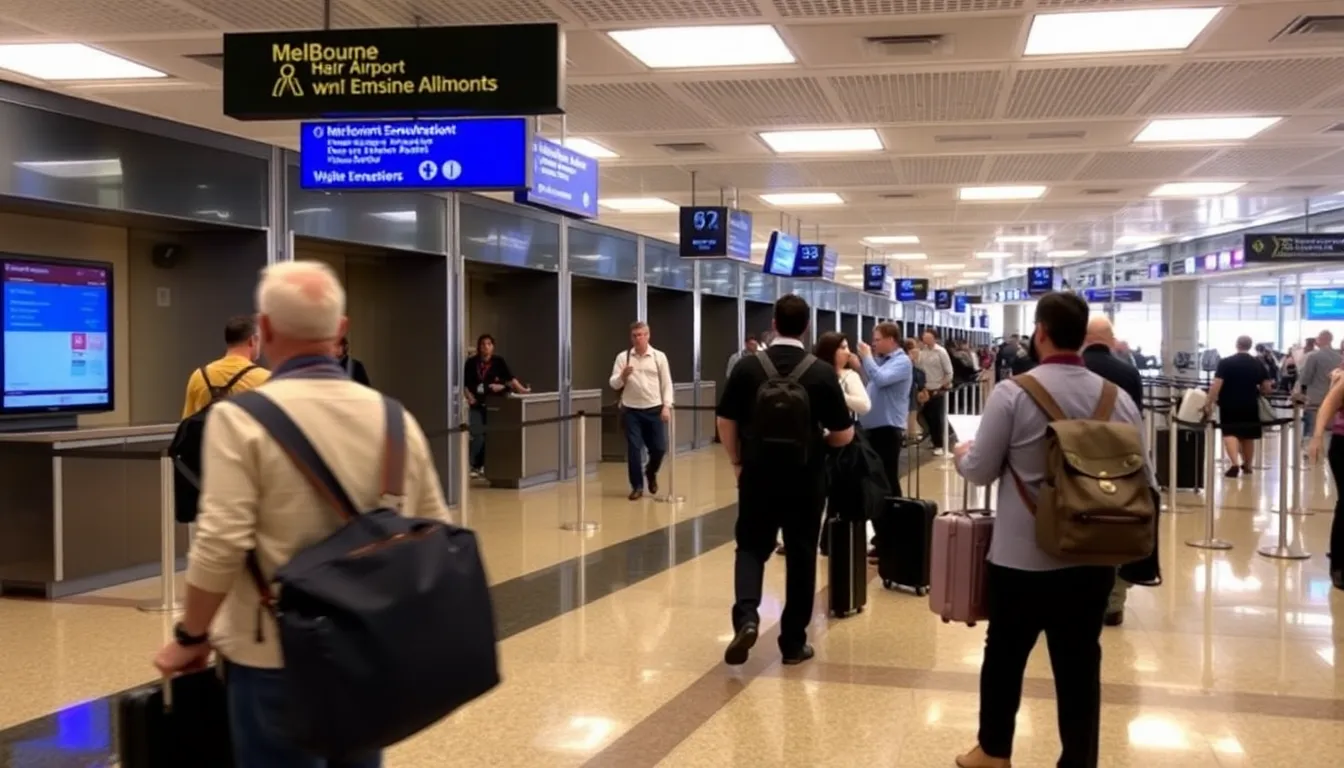
Frequently asked questions about the bomb scare incident
Key takeaways and future outlook on airport security measures
The incident involving a laser hair removal device at Melbourne airport underscores the ongoing challenges airports face in balancing security protocols with passenger convenience. As technology continues to evolve, so too does the need for security measures that can accurately differentiate between everyday items and potential threats. This event serves as a reminder of the importance of clear communication and efficient procedures in ensuring passenger safety without causing unnecessary alarm.
Looking ahead, airports may need to consider enhancing training for security personnel and investing in more advanced screening technologies. Additionally, public awareness campaigns about what items are permissible could help mitigate confusion and prevent similar incidents in the future.
- Increased focus on training security staff to better identify non-threatening items.
- Potential for advancements in screening technology to reduce false alarms.
- Importance of public education on airport security regulations to minimize misunderstandings.
- Review of current protocols to streamline the security process without compromising safety.
- Continuous assessment of emerging technologies and their implications for airport security.