


The film, which is still in the early stages of production, aims to tell the stories of those affected by the conflict in Afghanistan. By focusing on the human experiences and the impact of war, the couple hopes to provide a nuanced perspective on a topic that has garnered international attention for over two decades. For more stories about filmmakers tackling important issues, check out our article on Erling Haaland’s film acting debut.
This project is particularly relevant given the recent withdrawal of U.S. troops from Afghanistan in August 2021, which led to significant political and humanitarian crises in the region. With the Taliban’s return to power, the film is expected to explore the complexities surrounding the war and its aftermath, resonating with audiences who are increasingly interested in authentic narratives about global conflicts.
As part of their mission to create content that promotes empathy and understanding, Harry and Meghan’s film could also serve to highlight the experiences of veterans and civilians alike. The couple’s involvement in such a serious subject matter reflects their commitment to using their platform for meaningful storytelling, aiming to engage viewers in conversations about war, peace, and resilience. This narrative shift is also reflected in recent political events which highlight humanitarian challenges.
Understanding the significance of the Afghan war in modern storytelling
The Afghan war, which began in 2001 following the September 11 attacks, has become a pivotal event in contemporary history, shaping international relations and influencing global narratives. The conflict, marked by its complexity and prolonged duration, has drawn attention not just for its military implications but also for its human stories. As filmmakers and storytellers seek to capture the multifaceted experiences of those affected, the war provides a rich backdrop for exploring themes of resilience, sacrifice, and the consequences of geopolitical decisions.
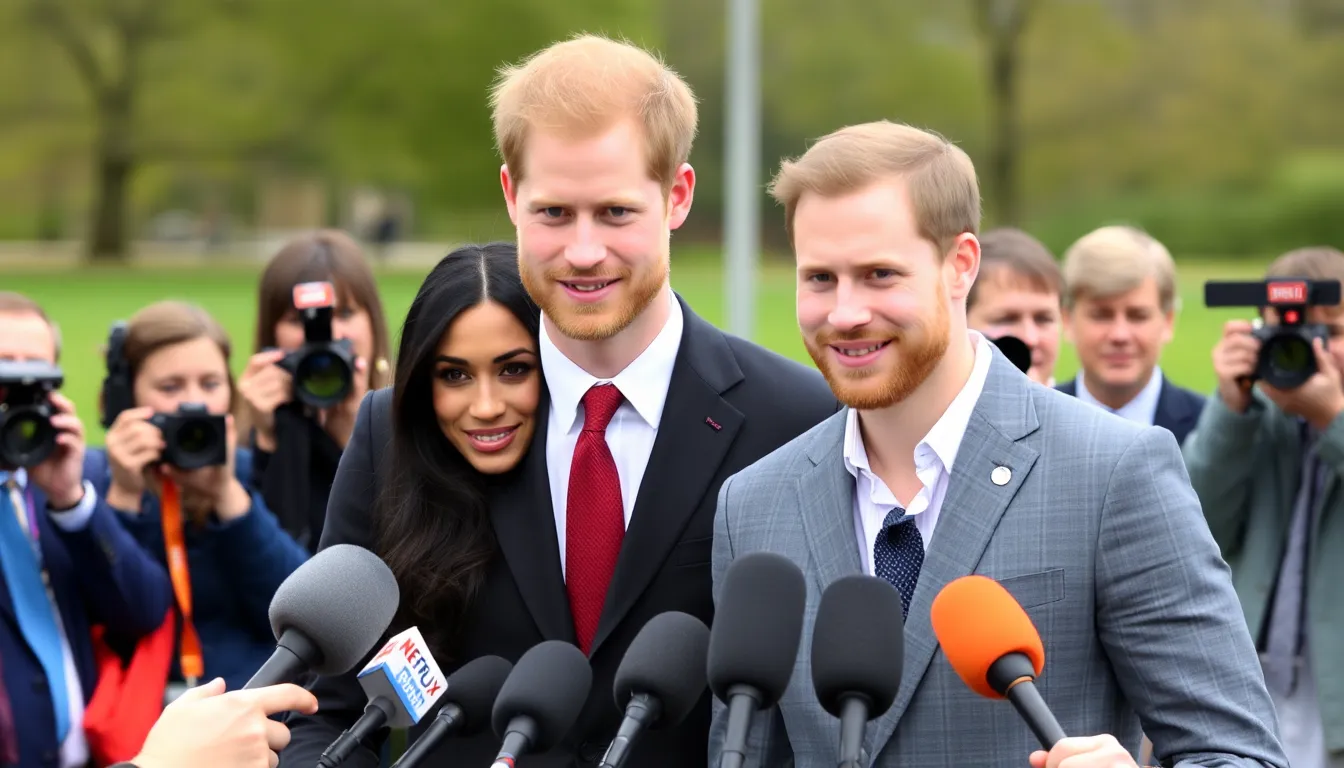
Harry and Meghan’s decision to produce a film about the Afghan war for Netflix reflects a growing trend among artists and creators to engage with significant historical events through a personal lens. The conflict has seen various key milestones, including the fall of the Taliban, the rise of insurgency, and the eventual withdrawal of U.S. troops in 2021. Each of these moments has been marked by profound human experiences, making them ripe for storytelling that can resonate with audiences around the world.
Moreover, the portrayal of the Afghan war in media has evolved over the years. Initially, narratives focused heavily on military operations and strategies, but there has been a noticeable shift towards highlighting the voices of Afghan civilians, veterans, and their families. This transition aims to provide a more nuanced understanding of the war’s impact, moving beyond the battlefield to explore the social and economic ramifications on Afghan society. Such transformations are similar to what Troy Baker discussed regarding his fears in recreating narratives for games, as detailed in our piece on Indiana Jones.
The Role of Streaming Platforms in War Narratives
Streaming platforms like Netflix have revolutionized the way stories are told and consumed, allowing for greater creative freedom and diverse perspectives. By producing content that delves into the Afghan war, creators like Harry and Meghan can leverage this medium to reach a global audience, fostering dialogue about the war’s legacy and its ongoing relevance. This shift not only highlights the importance of storytelling in shaping public perception but also underscores the potential for entertainment to serve as a catalyst for social change.
Exploring the implications for stakeholders in the film industry
The announcement that Harry and Meghan will produce a film about the Afghan war for Netflix has raised significant interest among various stakeholders in the film industry. Key actors include the Duke and Duchess of Sussex, Netflix, filmmakers, veterans, and advocacy groups focused on veterans’ issues. Each of these parties has distinct interests that could influence the film’s production and reception.
Harry and Meghan, as producers, aim to leverage their platform to tell impactful stories that resonate with their values. Their involvement brings a high-profile element to the project, which could attract a larger audience and generate discussions around the complexities of war. However, their royal background may also lead to scrutiny regarding their motivations and the authenticity of their storytelling.
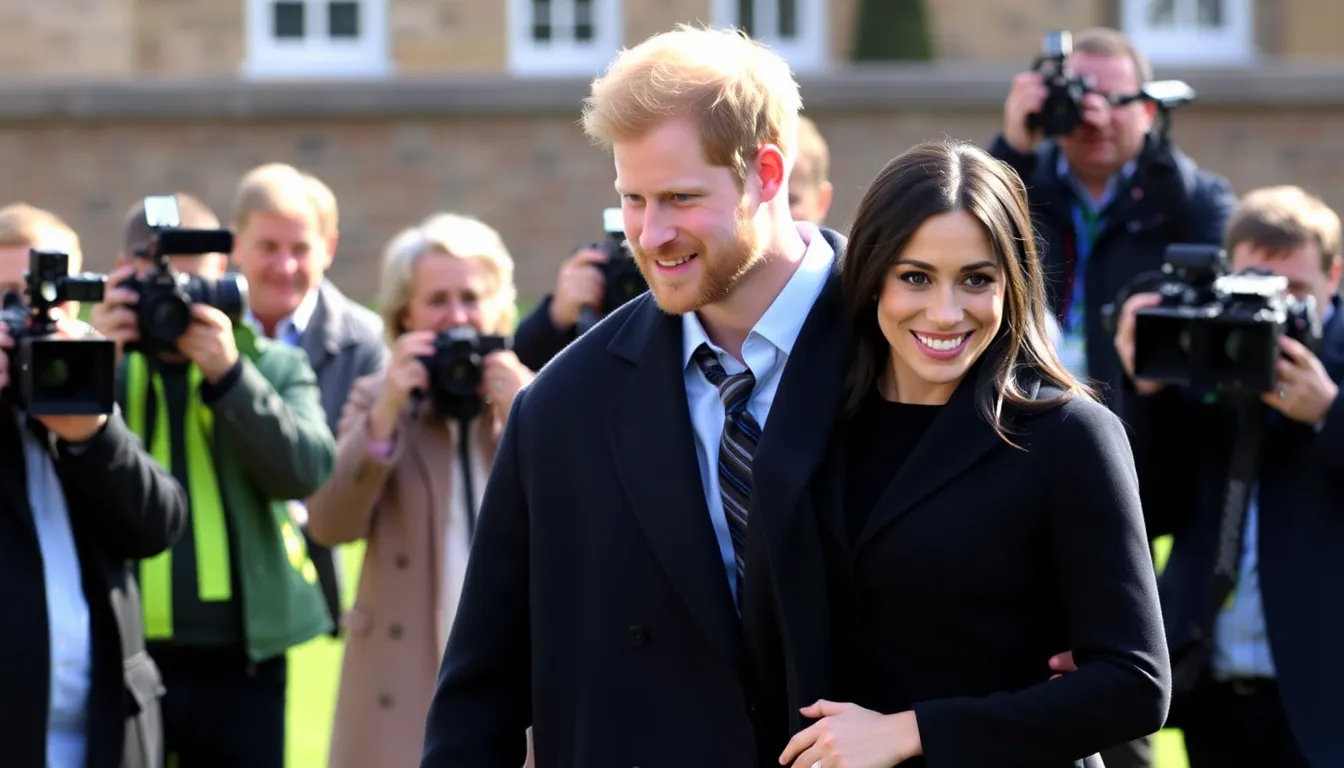
Netflix, as the distributor, is keen to expand its library with compelling content that addresses current social issues. The platform’s investment in the film aligns with its strategy to appeal to diverse audiences while also enhancing its reputation as a supporter of meaningful narratives. However, the streaming giant must navigate potential backlash from viewers who may have differing opinions on the subject matter or the filmmakers involved.
- Filmmakers may face challenges in balancing artistic expression with the sensitivities surrounding the Afghan war and its veterans.
- Veterans and advocacy groups could have mixed reactions, with some supporting the portrayal of their experiences and others concerned about the film’s accuracy and impact on public perception.
- Legal issues may arise concerning the representation of real events and individuals, necessitating careful consideration of rights and permissions.
- The film’s reception could influence future projects related to war narratives, affecting funding and production decisions within the industry.
- Economic implications may also be significant, as the success of the film could impact Netflix’s investment strategies and partnerships within the film community.
As the film progresses, the interplay between these stakeholders will be crucial in shaping both the production process and the narrative that emerges. Understanding their motivations and the potential conflicts can provide valuable insights into the broader implications of this project within the film industry and beyond.
Potential effects on audiences and the film market
The announcement of Harry and Meghan producing an Afghan war film for Netflix is likely to resonate with various groups and industries. Primarily, the film industry will be affected, particularly those involved in production, distribution, and marketing of war-themed content. This project may also impact audiences who are interested in military narratives, humanitarian issues, and the personal stories behind conflicts.
In the short term, the film’s production could generate job opportunities within the film industry, including roles for writers, directors, and crew members. Local economies in filming locations may also see a boost due to increased spending on services and accommodations. However, there are risks associated with the potential backlash from audiences who may view the project as exploitative or politically charged, which could affect its reception and box office performance.
In the mid-term, the film could influence public discourse around the Afghan conflict, potentially shaping perceptions and policies related to veterans and refugees. If the film successfully engages audiences, it may lead to increased interest in similar projects, creating opportunities for filmmakers who wish to explore complex narratives surrounding war and peace. Conversely, if the film is poorly received, it could deter studios from investing in similar themes.
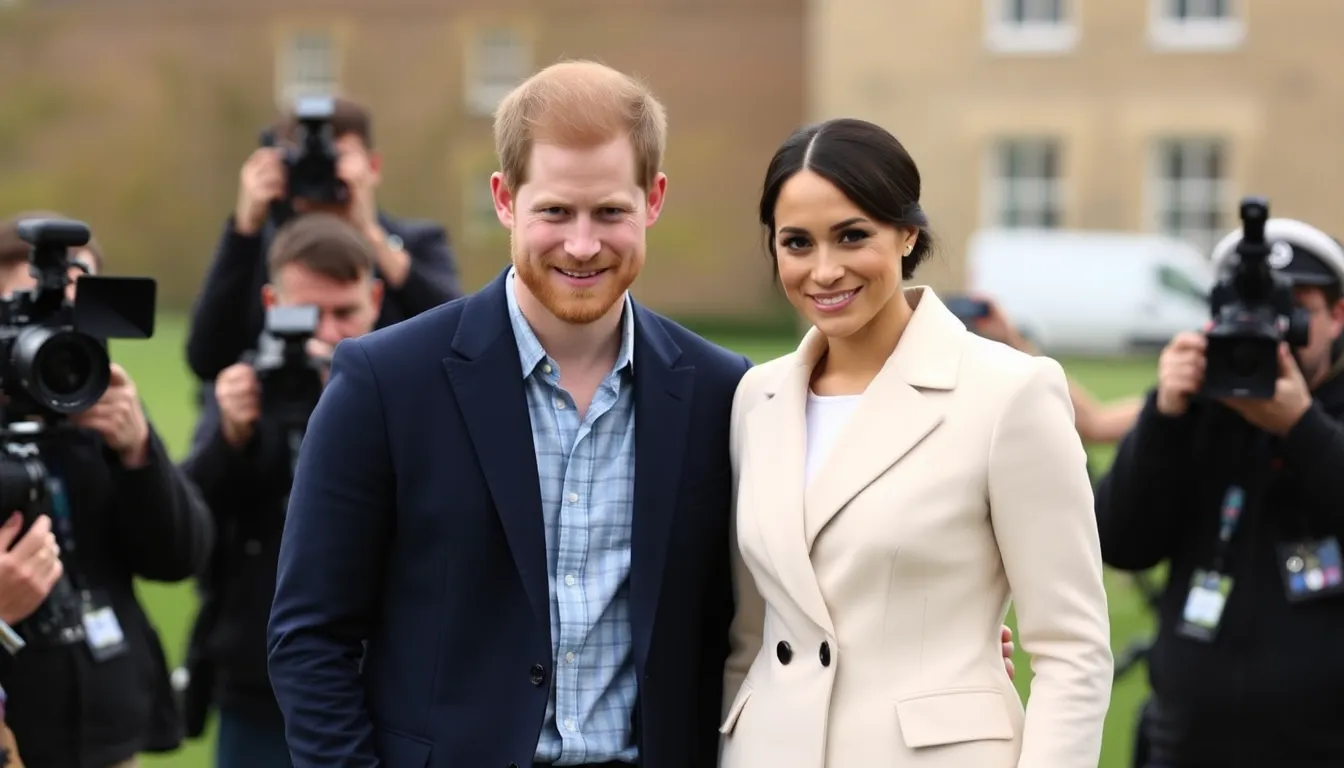
- Job creation in the film industry
- Potential economic boost for local communities
- Influence on public perception of military conflicts
- Opportunities for future war-themed projects
- Risks of backlash and political controversy
A: The film will focus on the experiences and challenges faced during the Afghan war, aiming to provide a nuanced perspective on the conflict. A: The release date has not been announced yet, but production is expected to begin soon. A: Details about the cast and crew are still under wraps, but it is anticipated that notable talent will be involved. A: This project aligns with their mission to create content that inspires and informs, focusing on important social issues. A: Netflix will be the platform for distribution, providing the resources and audience reach necessary for the film.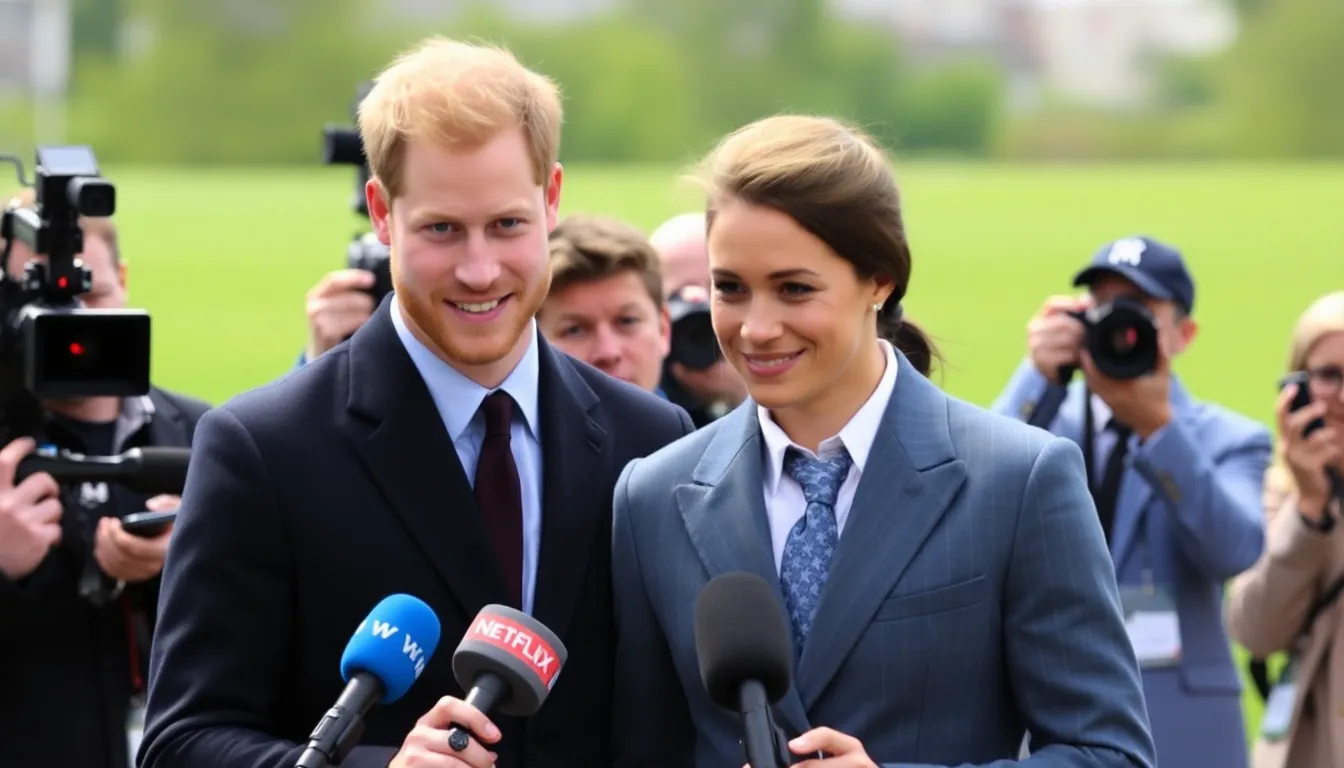
Frequently asked questions about the film project
Key takeaways and future outlook for the film
The announcement of Harry and Meghan’s venture into producing a film about the Afghan war for Netflix marks a significant moment in their post-royal careers. This project not only reflects their commitment to storytelling that highlights pressing social issues but also positions them within the competitive landscape of streaming content. As they navigate the complexities of this new role, their choices will likely influence both their public perception and the broader discourse surrounding the representation of war in media.
As the film progresses, it will be essential to observe how Harry and Meghan balance personal narratives with broader themes of conflict and resilience. The public’s response to this project could shape future collaborations and the types of stories they choose to tell, potentially redefining their brand in the entertainment industry.
- The film could set a precedent for how personal experiences of public figures are integrated into larger historical narratives.
- Audience reception may influence Netflix’s approach to commissioning content that tackles sensitive topics.
- The project may impact Harry and Meghan’s relationship with the British media, depending on how it is portrayed.
- Potential partnerships with veterans or humanitarian organizations could enhance the film’s authenticity and outreach.
- The success or failure of this film might affect their future endeavors in documentary filmmaking and storytelling.