


The court’s decision, announced on October 17, 2023, highlights serious lapses in safety protocols and inadequate pilot training related to the aircraft’s automated systems. The ruling comes after extensive investigations that revealed that the pilots struggled to regain control of the aircraft during its final moments, a situation exacerbated by misleading airspeed readings.
This landmark verdict is seen as a pivotal moment in aviation safety accountability, marking the first time that major players in the airline industry have been held criminally responsible for an accident of this magnitude. The implications of this ruling could lead to increased scrutiny of safety practices across the aviation sector, prompting airlines and manufacturers to reassess their operational protocols.
Survivors’ families have long sought justice and accountability, and this ruling may provide a sense of closure for them after years of legal battles. The decision is expected to resonate beyond France, as it raises questions about the responsibilities of airlines and manufacturers in ensuring passenger safety.
Understanding the background of the 2009 plane crash
The tragic crash of Air France Flight 447 on June 1, 2009, marked one of the deadliest aviation disasters in history, claiming the lives of all 228 passengers and crew on board. The flight, which was en route from Rio de Janeiro to Paris, encountered severe weather conditions over the Atlantic Ocean, leading to a series of critical failures in the aircraft’s systems. This incident not only raised questions about the safety protocols and operational decisions of Air France and Airbus but also highlighted the complexities of modern aviation technology and crew training.
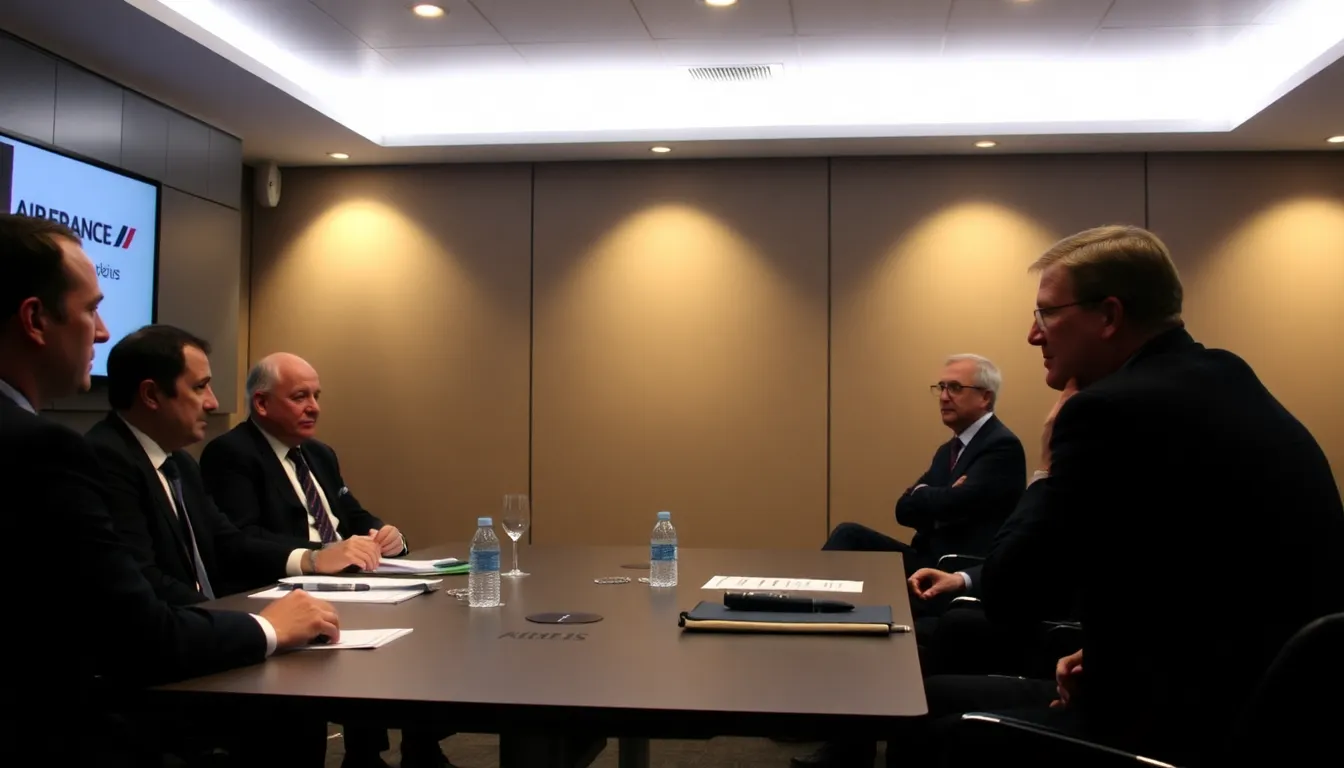
In the years leading up to the crash, there had been growing concerns within the aviation industry regarding pilot training and the reliability of automatic systems in aircraft. The Airbus A330, which was involved in the crash, featured advanced automation systems designed to assist pilots. However, the reliance on technology sometimes led to a degradation of manual flying skills among pilots. This issue was compounded by the specific circumstances of Flight 447, where the crew faced a challenging situation that required immediate and effective manual intervention.
The Legal Ramifications
The recent verdict finding Air France and Airbus guilty of involuntary manslaughter underscores the legal and ethical responsibilities of airline companies and aircraft manufacturers. The trial, which took place years after the incident, was a culmination of extensive investigations and debates surrounding accountability in aviation. Legal experts pointed out that the ruling could set a precedent for future cases involving aviation safety, emphasizing the need for greater oversight and responsibility in the industry.
Furthermore, the crash of Flight 447 prompted significant changes in aviation regulations and protocols. In the aftermath, aviation authorities around the world began to re-evaluate training programs for pilots, particularly focusing on handling in-flight emergencies and the importance of effective communication within cockpit crews. These changes aimed to prevent similar tragedies and to enhance the overall safety of air travel.
As the aviation industry continues to evolve, the lessons learned from the Flight 447 disaster remain critical. The case serves as a reminder of the delicate balance between technological advancement and human oversight, and the ongoing need for rigorous safety standards in an industry that is vital to global connectivity.
Key stakeholders and issues surrounding the case
The recent ruling against Air France and Airbus for manslaughter in connection with the 2009 plane crash has brought various stakeholders into the spotlight. Among the primary actors are the airline, the aircraft manufacturer, the victims’ families, regulatory authorities, and the broader aviation industry. Each of these groups has distinct interests and concerns that shape the ongoing discourse surrounding the case.
Air France and Airbus, as the main defendants, are primarily concerned with the implications of the verdict on their reputations and financial stability. The ruling could lead to significant financial liabilities, including potential compensation payouts to victims’ families and increased insurance costs. Additionally, both companies face the challenge of restoring public trust and ensuring that safety measures are perceived as robust and reliable.
Victims’ families represent another critical stakeholder group, seeking justice and accountability for the loss of their loved ones. Their interests revolve around obtaining compensation, but also include a desire for systemic changes in aviation safety practices to prevent similar tragedies in the future. This case has amplified their voices, highlighting the emotional and psychological toll of aviation disasters.
Regulatory authorities, such as the French Bureau of Enquiry and Analysis for Civil Aviation Safety (BEA), have a vested interest in the outcome of this case as it may influence future aviation safety standards and regulations. The ruling could prompt a reassessment of existing protocols and lead to stricter oversight in the aviation sector, which could have far-reaching implications for airlines and manufacturers alike.
- Legal ramifications: The case raises questions about accountability in aviation and the legal standards for corporate negligence.
- Economic impact: Potential financial repercussions for Air France and Airbus could affect their operations and market positions.
- Public perception: The ruling may influence consumer confidence in air travel and the reputations of both companies.
- Safety regulations: The outcome could lead to changes in aviation safety laws and practices, affecting the industry as a whole.
The impact of the ruling on aviation industry and victims’ families
The recent ruling against Air France and Airbus for manslaughter over the tragic 2009 plane crash has far-reaching implications for various stakeholders. The primary groups affected include the families of the victims, aviation industry professionals, regulatory bodies, and the broader public who rely on air travel. This verdict not only highlights accountability in aviation safety but also raises questions about the industry’s practices and regulations.
In the short term, families of the victims may experience a renewed sense of justice, but they also face the emotional burden of revisiting the tragedy. For the aviation industry, this ruling could lead to increased scrutiny and pressure to enhance safety protocols. Airlines and manufacturers may need to invest more in training and technology to prevent similar incidents, which could result in higher operational costs.
Mid-term impacts may include changes in policy as regulatory bodies reassess safety standards and enforcement mechanisms. The ruling could prompt a wave of lawsuits from other affected parties, leading to a potential increase in insurance premiums for airlines. Additionally, public confidence in air travel may waver, affecting passenger numbers and airline revenues.
- Increased regulatory scrutiny: Airlines may face stricter regulations and oversight.
- Emotional impact on victims’ families: Renewed grief and a quest for justice.
- Potential for industry-wide reforms: Enhanced safety protocols and training requirements.
- Economic implications: Possible rise in insurance costs and operational expenses.
While the ruling poses significant risks to the aviation sector, it also presents opportunities for innovation in safety technology and practices. Companies that prioritize safety and transparency may gain a competitive edge, while new startups could emerge, focusing on advanced aviation safety solutions. Ultimately, the ruling serves as a pivotal moment for the industry to reflect on its commitment to passenger safety and accountability.
A: The crash was attributed to a combination of technical failures and pilot errors during a storm over the Atlantic Ocean. A: The ruling holds both companies accountable for their roles in the crash, potentially leading to financial penalties and changes in operational protocols. A: The crash resulted in the tragic loss of 228 lives, making it one of the deadliest aviation disasters in history. A: This ruling may prompt stricter safety regulations and oversight in the aviation industry to prevent similar tragedies in the future. A: Yes, both Air France and Airbus have the right to appeal the ruling, which could prolong the legal proceedings.
Frequently asked questions about the case
Insights and future implications of the ruling
The conviction of Air France and Airbus for manslaughter in relation to the 2009 plane crash marks a significant moment in aviation safety and corporate accountability. This ruling not only holds these major industry players responsible for their actions but also sets a precedent for how similar cases may be handled in the future. The implications of this decision could lead to increased scrutiny of operational protocols and safety measures across the airline industry.
As the aviation sector continues to recover from the impacts of the pandemic, stakeholders must remain vigilant regarding safety standards and regulatory compliance. The ruling may prompt other airlines and manufacturers to reassess their safety practices to avoid similar legal repercussions, ultimately aiming to enhance passenger safety and restore public trust in air travel.
- Increased regulatory oversight may be implemented, leading to more stringent safety protocols within the aviation industry.
- Airlines and manufacturers might invest more in training and technology to prevent future incidents and enhance operational safety.
- This ruling may encourage victims’ families to pursue legal action in similar cases, potentially changing the landscape of aviation liability.
- Public perception of airline safety could shift, prompting airlines to improve transparency and communication regarding their safety measures.
- The case may influence international aviation regulations, as countries look to harmonize safety standards and accountability measures globally.