


Recent advancements in tissue engineering have paved the way for the development of lab-grown food pipes, which could revolutionize treatment for these young patients. Researchers at institutions like the University of California, San Francisco, have been working on bioengineered esophageal tissues that can be grown from a patient’s own cells, which you can learn more about in our article on latest technology trends. This approach not only reduces the risk of rejection but also aims to provide a more functional and durable solution compared to traditional grafts.
The significance of this innovation extends beyond medical science; it represents a beacon of hope for families grappling with the emotional and financial burdens of long-term care for esophageal disorders. With the potential to improve quality of life and reduce the number of surgeries required, lab-grown food pipes could transform the standard of care for affected children. You can stay updated on this topic as clinical trials are expected to begin in late 2024, marking a critical step toward making this treatment widely available.
As these developments unfold, the medical community is closely monitoring the implications for pediatric healthcare. The introduction of lab-grown organs could not only address esophageal issues but also set a precedent for similar advancements in other organ systems. This progress underscores the importance of continued investment in research and innovation to tackle complex health challenges faced by young patients.
Understanding the development of lab-grown food pipes
The concept of lab-grown food pipes, or engineered esophageal tissue, stems from advancements in tissue engineering and regenerative medicine. Historically, the need for such innovations arose from the increasing number of young patients suffering from congenital esophageal conditions, injuries, or diseases that compromise their ability to consume food normally. Traditional surgical options often involve significant risks and complications, leading researchers to explore alternative solutions.
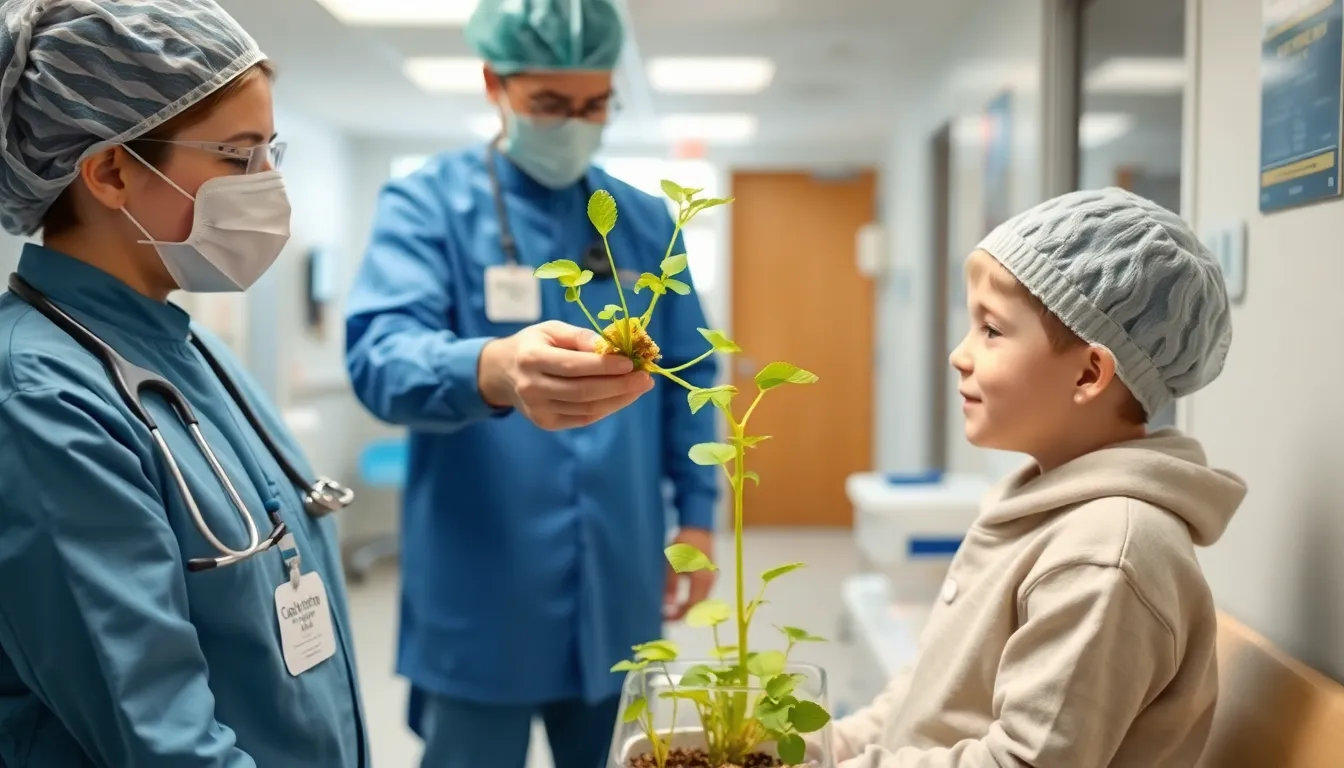
In the early 2000s, researchers began experimenting with stem cells and biomaterials to create living tissues that could mimic the natural functions of human organs. This period marked a significant milestone in regenerative medicine, as scientists started to understand the potential of using patients’ own cells to grow new tissues in a lab setting. By the 2010s, several studies successfully demonstrated the feasibility of growing esophageal tissues, paving the way for clinical applications.
Key Milestones in Tissue Engineering
One of the pivotal moments in this field was the 2014 clinical trial where lab-grown tracheas were transplanted into patients, showcasing the potential for engineered organs. Following this, researchers turned their attention to the esophagus, with significant breakthroughs occurring in 2018 when a group of scientists successfully implanted lab-grown esophageal tissues in animal models. These studies provided crucial insights into the functionality and integration of the engineered tissues, leading to further developments.
The political and economic landscape has also played a critical role in the advancement of lab-grown food pipes. Increased funding from government bodies and private investors, driven by the rising prevalence of gastrointestinal disorders, has accelerated research and development in this area, highlighting the continuous need for innovation in healthcare. Moreover, collaborations between universities, hospitals, and biotech companies have fostered an environment conducive to innovation, aiming to bring these solutions to market for the benefit of young patients.
As the field continues to evolve, the promise of lab-grown food pipes represents not just a scientific breakthrough but also a potential shift in how we approach treatment for esophageal conditions in pediatric patients. With ongoing research and clinical trials, the hope is to create safe, effective, and accessible options for those in need, ultimately transforming the landscape of pediatric gastrointestinal healthcare.
Key stakeholders in the lab-grown food pipe initiative
The development of lab-grown food pipes represents a significant advancement in medical technology, particularly for young patients requiring nutritional support. Several key stakeholders are involved in this initiative, each with distinct interests and concerns.
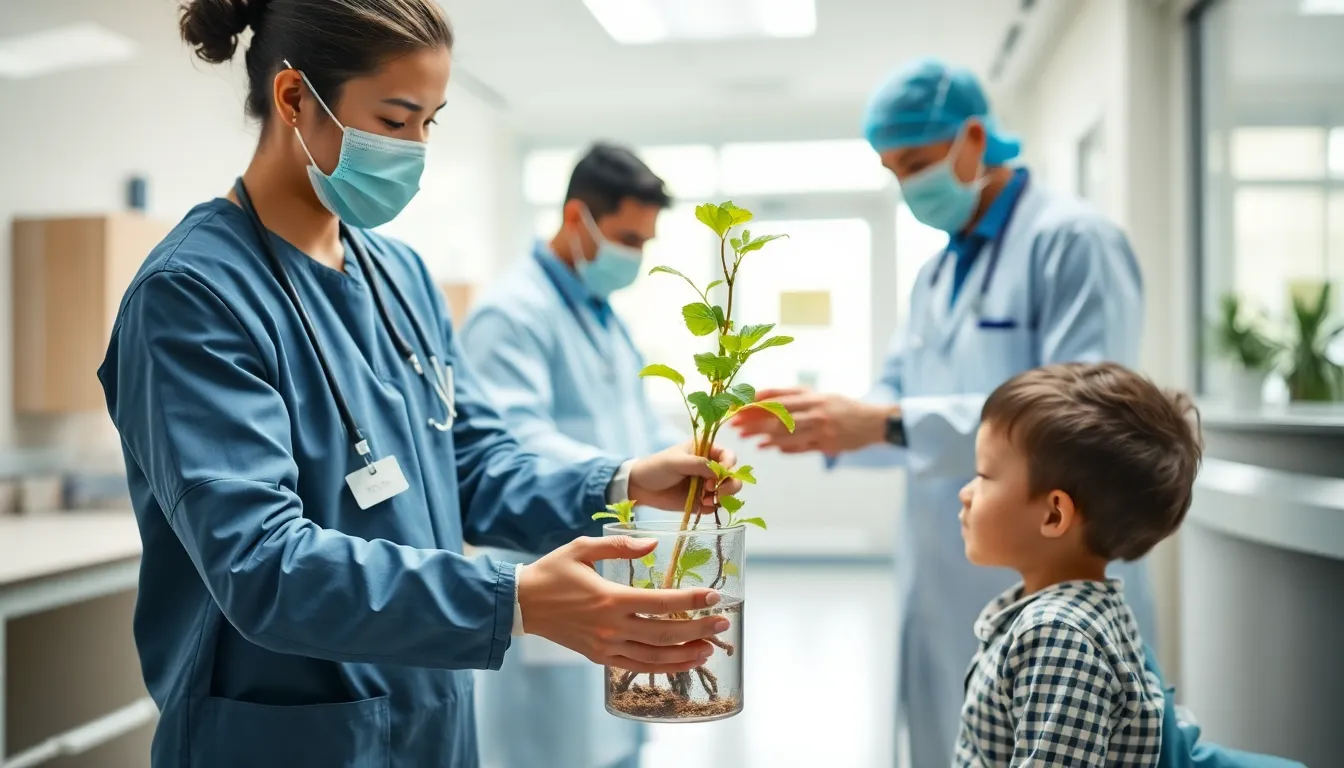
Primarily, researchers and biotechnology companies are at the forefront of this innovation. Their interest lies in advancing scientific knowledge and commercializing new technologies that can improve patient outcomes. These organizations often seek funding and partnerships to propel their research and bring products to market.
Healthcare providers and hospitals also play a crucial role, as they are responsible for implementing new treatments and ensuring patient safety. Their focus is on the efficacy and reliability of lab-grown food pipes, as well as the need for regulatory approvals. Additionally, they may face challenges in integrating these technologies into existing healthcare frameworks.
Government agencies and regulatory bodies are essential stakeholders in this initiative. They are tasked with establishing guidelines and regulations to ensure the safety and efficacy of lab-grown food products. Conflicts may arise regarding the pace of regulation versus the urgency of patient needs, leading to trade-offs between innovation and safety.
- Research and Development: The need for ongoing funding and collaboration among scientists and companies.
- Healthcare Implementation: Challenges in adopting new technologies within existing healthcare systems.
- Regulatory Oversight: Balancing safety and innovation in the approval process.
- Public Perception: Addressing concerns about the safety and ethics of lab-grown food.
- Economic Factors: The cost implications for healthcare providers and patients.
Potential benefits for young patients and healthcare systems
The introduction of lab-grown food pipes presents significant advantages for young patients suffering from gastrointestinal disorders. This innovative technology aims to provide a viable alternative for those who require organ transplants or have severe digestive issues. As a result, pediatric healthcare systems are poised to experience a transformation in treatment options, leading to improved patient outcomes and quality of life.
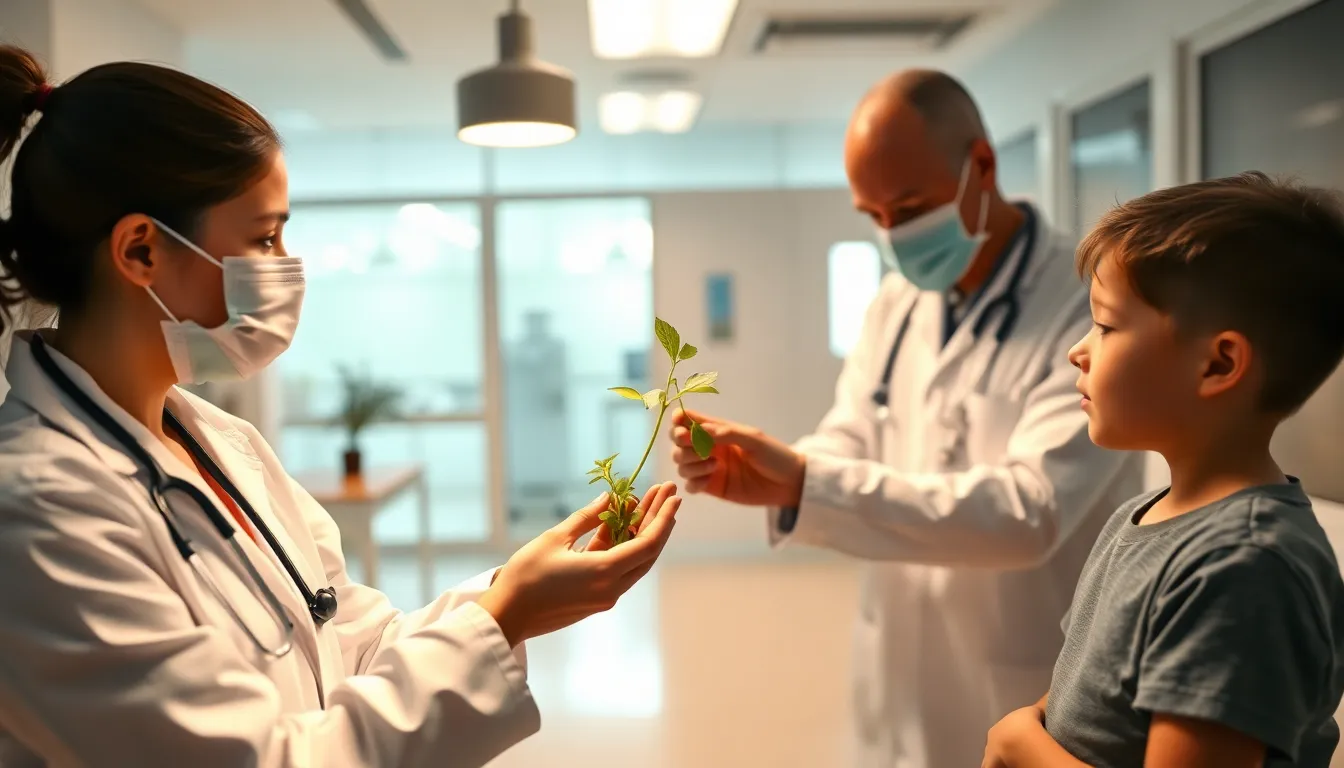
In the short term, hospitals and clinics may see an increase in patient referrals for lab-grown food pipe treatments. This could lead to a surge in demand for specialized training among healthcare professionals, creating new roles in the medical field. Additionally, the biotechnology industry will likely experience growth as companies invest in research and development to refine these products.
Mid-term impacts could include shifts in healthcare policies that promote the use of lab-grown organs and tissues. Governments might allocate funding for research initiatives, while insurance companies could start to cover these innovative treatments, making them more accessible to families in need. This shift could also stimulate public awareness and acceptance of lab-grown food technologies.
- Healthcare Access: Improved treatment options for young patients.
- Economic Growth: Increased investment in biotechnology and healthcare sectors.
- Policy Changes: Potential reforms in healthcare coverage and funding for lab-grown solutions.
- Public Perception: Growing acceptance of lab-grown food as a viable alternative.
However, there are risks associated with this emerging technology. Concerns about the safety and ethical implications of lab-grown food may lead to public skepticism. Additionally, potential regulatory hurdles could delay the widespread adoption of these treatments, impacting the overall effectiveness of the healthcare system in addressing the needs of young patients.
A: Lab-grown food pipes are bioengineered structures designed to replace damaged or dysfunctional esophageal tissue, allowing patients to eat and swallow normally. A: These pipes are created using stem cells and biocompatible materials, which help them integrate into the body and function like natural esophageal tissue. A: Young patients suffering from congenital esophageal conditions or those who have experienced severe injuries may find lab-grown food pipes particularly beneficial. A: As with any medical procedure, there are risks, including rejection of the implant or complications during surgery, but ongoing research aims to minimize these issues. A: While clinical trials are ongoing, experts anticipate that lab-grown food pipes could become more widely available within the next few years, pending regulatory approvals.
Frequently asked questions about lab-grown food pipes
Future outlook on lab-grown food pipes and patient care
The development of lab-grown food pipes represents a significant advancement in medical technology, particularly for young patients suffering from congenital conditions or injuries affecting their digestive systems. This innovative approach not only addresses the immediate need for functional gastrointestinal structures but also paves the way for personalized medicine, allowing for tailored treatments that can improve recovery outcomes and quality of life.
As research continues to evolve, the integration of lab-grown tissues into clinical practice may lead to a paradigm shift in how gastrointestinal disorders are managed. The potential for these bioengineered solutions to reduce dependency on donor organs and improve surgical outcomes presents a promising avenue for future healthcare strategies.
- Personalized treatment plans: The ability to create lab-grown food pipes may enable healthcare providers to develop customized solutions based on individual patient needs.
- Reduced organ transplant reliance: With effective lab-grown alternatives, the demand for donor organs could decrease, alleviating pressure on transplant waiting lists.
- Improved patient outcomes: Enhanced recovery rates and quality of life can be expected as patients receive more effective and biocompatible solutions.
- Regulatory and ethical considerations: As this technology advances, ongoing discussions regarding safety, ethics, and regulations will be crucial to ensure responsible implementation.
- Future research opportunities: Continued investment in research and development will be essential to refine techniques and expand applications beyond food pipes to other organ systems.