


Recently, Inside Science has focused on pressing global issues, such as climate change, public health, and technological advancements. For instance, the program featured discussions on the latest climate models and their predictions for future weather patterns, which are essential for informing policy decisions. Additionally, episodes have explored the implications of artificial intelligence in healthcare, showcasing both the potential benefits and ethical considerations involved. For more insights on current global challenges, check out our Latest Updates on Current Events.
The program also highlights the work of leading scientists and researchers, providing a platform for them to share their insights with a wider audience. By featuring interviews with experts and case studies from around the world, Inside Science fosters a deeper understanding of the scientific process and its relevance to contemporary challenges. This approach not only educates viewers but also encourages critical thinking about scientific issues.
As the media landscape evolves, Inside Science faces challenges in maintaining viewer engagement amid competing platforms and formats. The rise of digital content consumption has prompted the program to adapt its delivery methods, including expanded online content and interactive features. These efforts aim to reach younger audiences and ensure that science remains a priority in public discourse.
The Historical Development of Science Communication
Science communication has evolved significantly over the centuries, shaped by advancements in technology, shifts in political landscapes, and changing societal attitudes towards science. In the early days, scientific knowledge was often confined to the elite, with discoveries shared primarily through letters and private discussions among scholars. The advent of the printing press in the 15th century marked a pivotal moment, allowing for the wider dissemination of scientific ideas and findings through books and pamphlets.

Throughout the 19th century, the rise of public lectures and scientific societies played a crucial role in democratizing access to scientific knowledge. Events such as the establishment of the British Association for the Advancement of Science in 1831 provided platforms for scientists to engage with the public. This period also saw the emergence of popular science publications, which aimed to make complex scientific concepts accessible to a broader audience, laying the groundwork for modern science communication. For those interested in how these trends continue today, exploring the Latest Trends in Technology can provide valuable context.
The Role of Broadcasting in Science Communication
The 20th century brought about a revolution in how science was communicated, particularly with the introduction of radio and television. The BBC, founded in 1922, became a key player in this transformation, broadcasting programs that aimed to educate the public about scientific advancements. Shows like “BBC Inside Science” exemplify this shift, providing listeners with insights into contemporary scientific research and its implications for society.
In recent decades, the rise of the internet and social media has further transformed science communication, enabling real-time sharing of information and fostering direct interaction between scientists and the public. This shift has created both opportunities and challenges, as the rapid spread of information can lead to misinformation and public skepticism about scientific findings. Understanding this historical context is essential for appreciating the current landscape of science communication and the role of initiatives like “BBC Inside Science” in bridging the gap between science and society.
Key Stakeholders and Their Roles in Science Dissemination
The dissemination of scientific knowledge through platforms like BBC Inside Science involves a variety of stakeholders, each with distinct roles and interests. These stakeholders include scientists, media organizations, government bodies, and the public. Understanding their motivations and interactions is crucial for comprehending the broader implications of science communication.
Scientists are primary contributors to the content featured on BBC Inside Science. Their interest lies in sharing research findings and promoting public understanding of science. However, they often face challenges related to the simplification of complex topics for a general audience. This need for clarity can sometimes lead to conflicts between the scientific community’s desire for accuracy and the media’s need for engaging narratives.
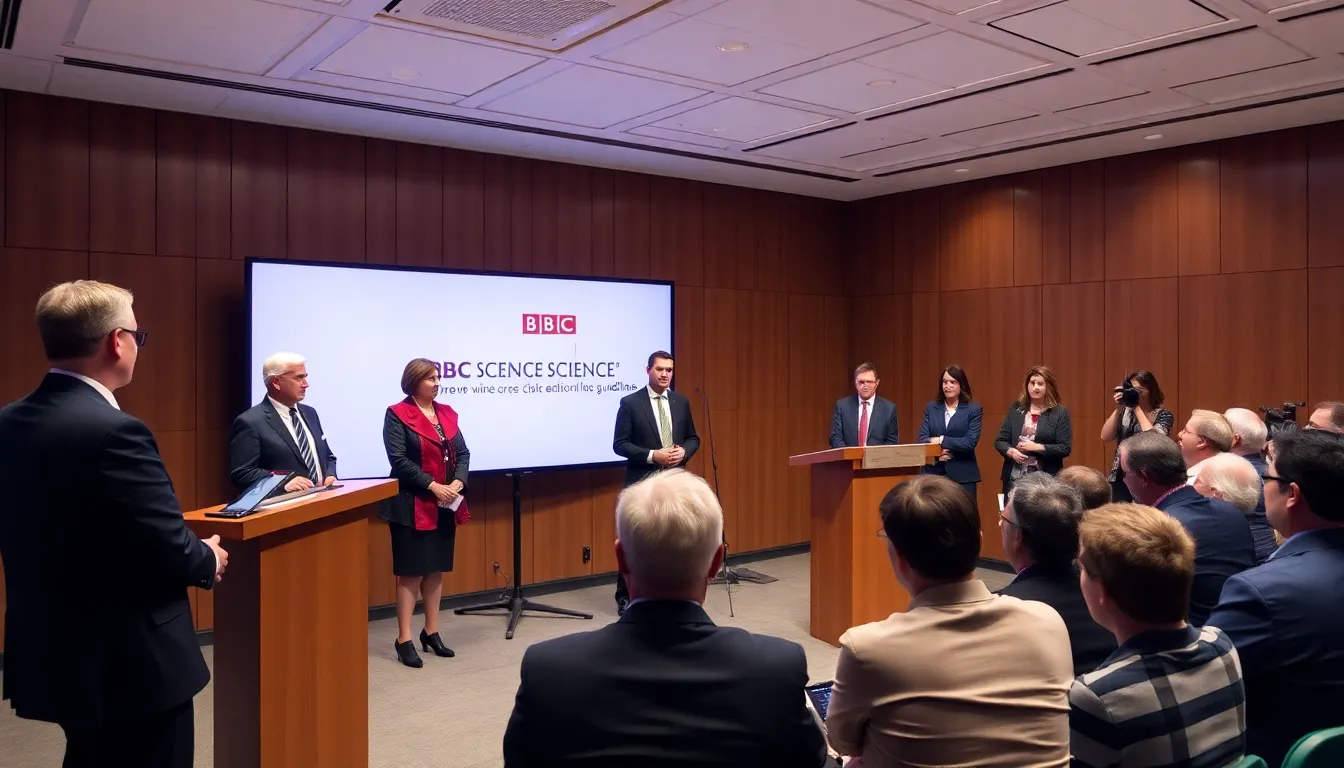
Media organizations, such as the BBC, play a pivotal role in framing scientific discourse. They aim to attract viewership and maintain journalistic integrity while ensuring that the information presented is both accurate and accessible. This can create trade-offs, as sensationalism or oversimplification may occur in attempts to engage a wider audience. The balance between informative content and entertainment can lead to ethical dilemmas regarding the representation of scientific findings.
Government bodies also influence science dissemination through funding and regulatory frameworks. Their interests often focus on public health, education, and national policy, which can lead to conflicts of interest. For instance, government funding may prioritize certain research areas over others, potentially skewing public discourse and limiting the diversity of scientific perspectives presented in media outlets. This dynamic is crucial to understanding shifts in public health policy, much like the ramifications of the recent Trump to Delay Nominating New C.D.C. Director.
- Public Interest: The general public seeks reliable information to make informed decisions about health, technology, and environmental issues.
- Scientific Rigor: Researchers strive to maintain the integrity of their work while communicating effectively with non-expert audiences.
- Media Engagement: Journalists aim to balance captivating storytelling with factual accuracy, which can lead to ethical challenges.
- Policy Influence: Government priorities can shape the scientific agenda, affecting which topics receive coverage and funding.
- Global Collaboration: International scientific communities work to share knowledge across borders, which can enhance or complicate local narratives.
The Influence of BBC Inside Science on Public Perception
BBC Inside Science plays a crucial role in shaping public understanding of scientific concepts and technological advancements. Its audience spans various demographics, including students, educators, industry professionals, and policymakers. By bridging the gap between complex scientific ideas and everyday life, the program influences how these groups perceive and engage with science.
In the short term, the program enhances awareness of pressing scientific issues, such as climate change, health innovations, and technological developments. This increased awareness can lead to more informed public discourse and encourage individuals to adopt sustainable practices or support scientific initiatives. For businesses, understanding these developments can foster innovation and adaptation in products and services.

In the mid-term, the impact on policy can be significant. Policymakers who are informed by the insights presented on BBC Inside Science may advocate for science-based regulations and funding for research. This could lead to enhanced support for STEM education and initiatives, ultimately benefiting the workforce and driving economic growth in technology and healthcare sectors.
- Short-term impacts: Increased public engagement with science; heightened awareness of scientific issues.
- Mid-term impacts: Influenced policy decisions; potential for increased funding in scientific research.
- Risks: Misinformation may spread if complex topics are oversimplified; public skepticism towards scientific consensus.
- Opportunities: Fostering a more scientifically literate society; encouraging innovation in various industries.
Overall, BBC Inside Science not only informs but also empowers its audience to make better decisions in their personal and professional lives, highlighting the interconnectedness of science and society.
A: BBC Inside Science is a program that explores scientific topics and discoveries, making complex ideas accessible to the general public. A: The program typically airs weekly, providing regular updates on various scientific advancements and discussions. A: The program features a range of hosts and expert contributors from various scientific fields, ensuring diverse perspectives. A: Yes, past episodes are available for streaming on the BBC website and various podcast platforms. A: The program often encourages audience interaction through social media, allowing listeners to ask questions and share their thoughts.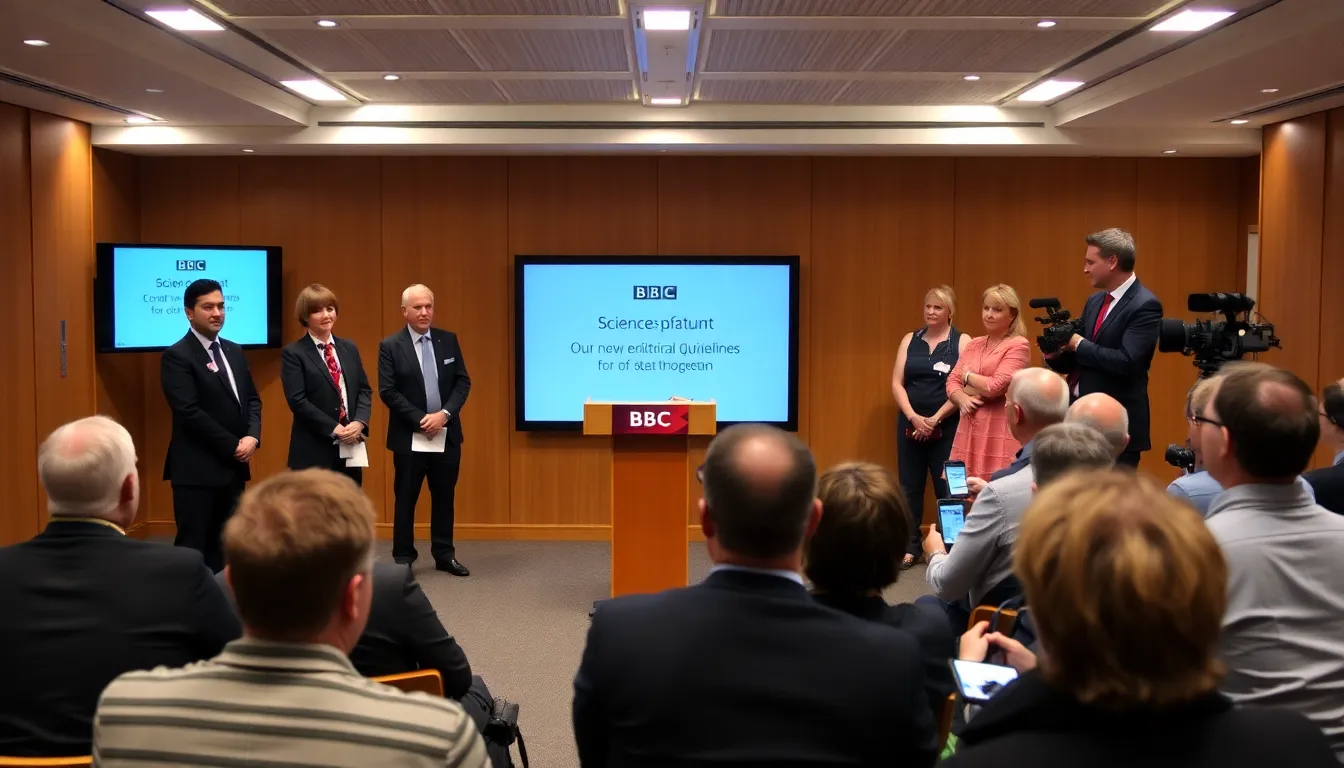
Frequently Asked Questions about BBC Inside Science
Future Directions and Key Takeaways from BBC Inside Science
The exploration of scientific advancements through BBC Inside Science highlights the ongoing dialogue between research and public understanding. As the program delves into various scientific fields, it emphasizes the importance of accessibility and communication in fostering a well-informed society. The intersection of science and everyday life presents both challenges and opportunities for future developments.
Looking ahead, the program encourages audiences to engage with scientific narratives that shape our world. By fostering curiosity and critical thinking, BBC Inside Science serves as a vital platform for bridging the gap between complex scientific concepts and public awareness.
- Engagement with Science: Increased public interest in scientific topics can lead to greater support for research initiatives.
- Interdisciplinary Collaboration: Future scientific breakthroughs are likely to emerge from collaboration across various fields, enhancing innovation.
- Importance of Communication: Clear communication of scientific findings is essential for public trust and informed decision-making.
- Ethical Considerations: As science progresses, ethical implications will need to be addressed to ensure responsible advancements.
- Adaptation to Change: Society must remain adaptable to the rapid pace of scientific change, fostering resilience in various sectors.