


The Israeli military has stated that these operations are aimed at neutralizing threats from militant groups, particularly in response to rocket fire directed at Israeli territory. However, the high number of civilian casualties has raised concerns among international observers and human rights organizations about the proportionality and impact of such military actions.
In addition to the fatalities, the airstrikes have also led to significant destruction of infrastructure in Gaza, exacerbating the already dire living conditions for its residents. Access to essential services such as healthcare and clean water has become increasingly limited, further complicating the humanitarian situation.
As the conflict continues, calls for ceasefires and negotiations have intensified from various international actors, emphasizing the need for a resolution to prevent further loss of life and to address the underlying issues fueling the violence. The situation remains fluid, with ongoing developments likely to influence future actions by both sides.
Understanding the ongoing conflict between Israel and Gaza
The conflict between Israel and Gaza is rooted in a complex history of territorial disputes, political tensions, and socio-economic challenges. The region has been a focal point of conflict since the mid-20th century, particularly following the establishment of the State of Israel in 1948, which led to the displacement of many Palestinians. This event, referred to by Palestinians as the Nakba or “catastrophe,” marked the beginning of a prolonged struggle for land and sovereignty.
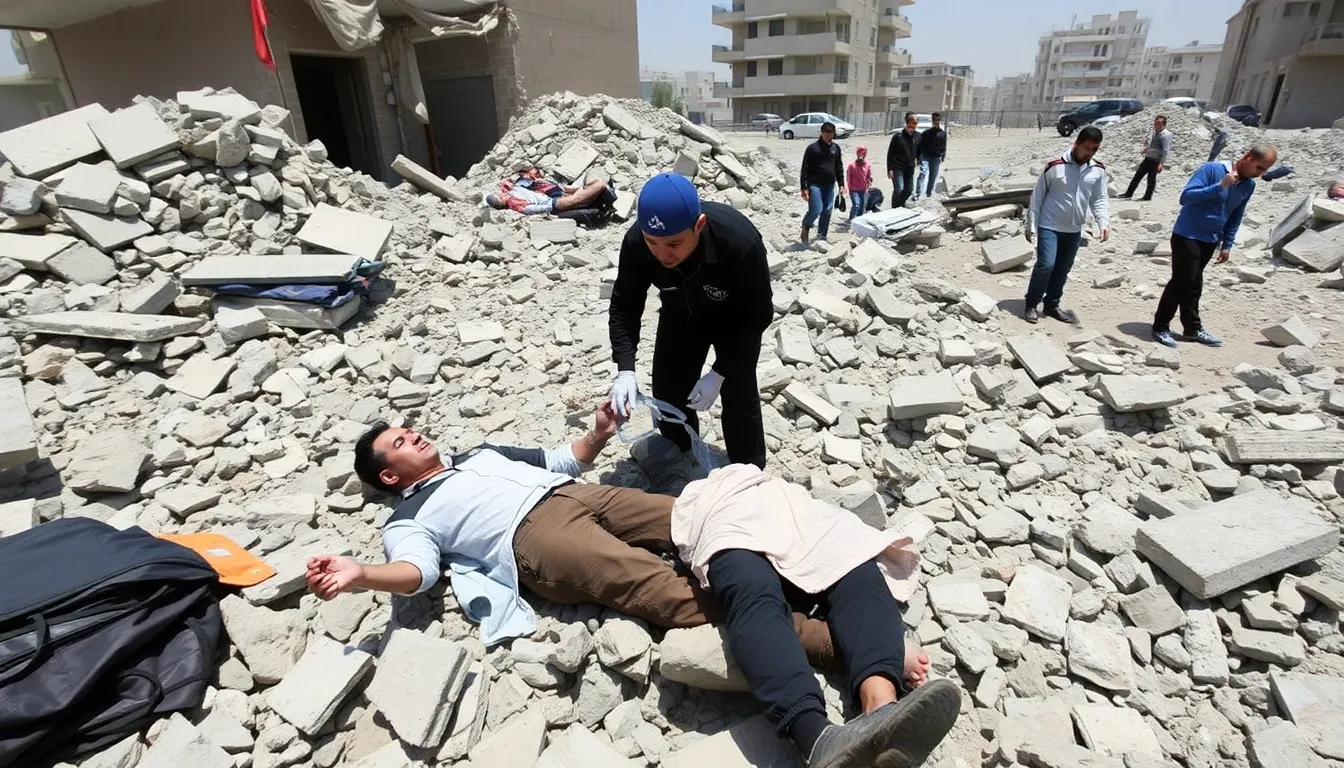
In the decades that followed, several key wars and uprisings, including the Six-Day War in 1967 and the First and Second Intifadas in the late 20th century, further exacerbated tensions. The Oslo Accords in the 1990s brought a glimmer of hope for peace, establishing the Palestinian Authority and outlining a framework for potential statehood. However, the failure to reach a final agreement has perpetuated cycles of violence and instability.
The Role of Hamas
The rise of Hamas, an Islamist militant group, in the late 1980s significantly altered the dynamics of the conflict. After winning the 2006 Palestinian legislative elections, Hamas took control of Gaza, leading to a split with the Fatah-led Palestinian Authority in the West Bank. This division has complicated efforts for peace and has resulted in multiple military confrontations between Hamas and Israel, with each side accusing the other of aggression.
Economic conditions in Gaza have deteriorated over the years, exacerbated by blockades imposed by Israel and Egypt, which have restricted the flow of goods and humanitarian aid. This has contributed to widespread poverty and unemployment, fueling resentment and violence. The ongoing military strikes, like the recent ones that resulted in the tragic loss of life, are often framed within this broader context of desperation and conflict, highlighting the urgent need for a sustainable resolution to the crisis.
Key stakeholders and their positions in the current crisis
The ongoing conflict in Gaza has drawn the attention of various stakeholders, each with distinct interests and positions. The primary actors include the Israeli government, Palestinian authorities, international organizations, and regional powers. Understanding their motivations and the complexities of their interactions is crucial to grasping the current situation.
The Israeli government, led by Prime Minister Benjamin Netanyahu, asserts that military strikes are necessary for national security and to combat militant groups such as Hamas. Israel’s interest lies in maintaining its territorial integrity and ensuring the safety of its citizens, particularly in light of ongoing rocket attacks from Gaza. However, these military actions have resulted in significant civilian casualties, raising ethical and legal questions regarding the proportionality of their response.
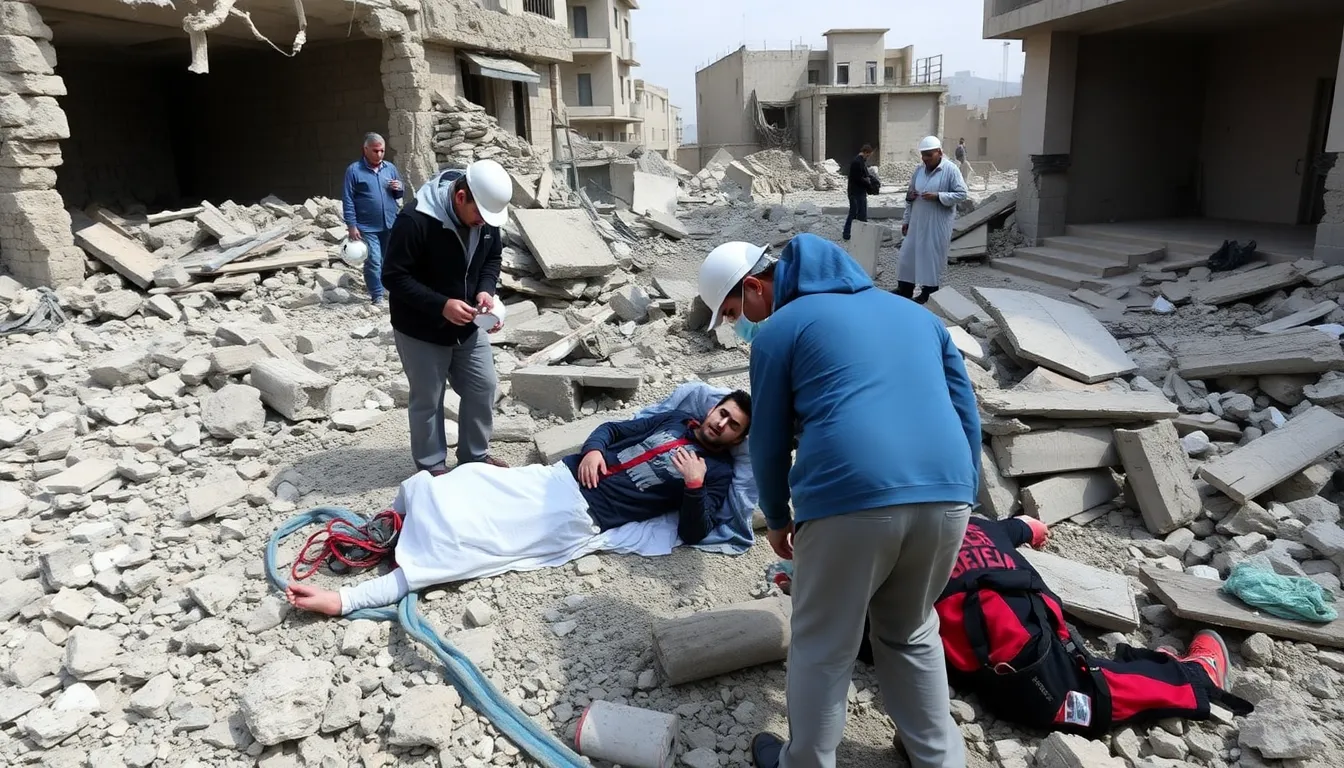
On the Palestinian side, the Palestinian Authority and various militant factions, including Hamas, advocate for the rights and protection of Palestinian civilians. Their primary interest is to end the Israeli occupation and achieve statehood. The recent escalation has intensified calls for international intervention, highlighting the humanitarian crisis in Gaza, where civilian infrastructure has been severely impacted. This has led to a plea for aid and support from the global community.
- International Organizations: Bodies like the United Nations have called for ceasefires and investigations into alleged war crimes, emphasizing the need for humanitarian access and protection of civilians.
- Regional Powers: Countries such as Egypt and Qatar are involved in mediating the conflict, seeking to stabilize the region while balancing their own political interests.
- Human Rights Groups: Various NGOs are advocating for accountability and the protection of human rights, pushing for an end to hostilities and long-term solutions to the conflict.
The legal implications of the strikes are significant, as they raise questions about compliance with international humanitarian law. The principle of distinction, which mandates that combatants must differentiate between military targets and civilians, is at the forefront of this debate. The economic ramifications are also profound, as the ongoing conflict disrupts trade, exacerbates poverty, and hinders economic development in Gaza, further complicating the prospects for peace.
The humanitarian impact of the strikes on Gaza’s population
The recent Israeli strikes on Gaza, which have resulted in at least 13 fatalities, including five children, have profound implications for the local population and various stakeholders. The immediate victims are the families of those killed or injured, who face not only the loss of loved ones but also the psychological trauma associated with such violence. The civil defense agency’s reports highlight the urgent need for humanitarian assistance, as many individuals are left without shelter or basic necessities, paralleling the humanitarian crisis in Gaza.
In addition to the direct human toll, local businesses are severely affected. The destruction of infrastructure, including homes and commercial establishments, disrupts daily economic activities. Small businesses that rely on local patronage may face closures, leading to increased unemployment and economic instability in the region. The ripple effects can extend to neighboring areas, as the economic downturn in Gaza can impact trade and commerce in surrounding regions.
On a broader scale, the ongoing conflict influences international relations and policy-making. Countries that have vested interests in the region may be compelled to reassess their diplomatic strategies. Humanitarian organizations may increase their presence in Gaza, seeking to provide aid and support to the affected population, which could lead to a temporary influx of resources and attention to the humanitarian crisis.
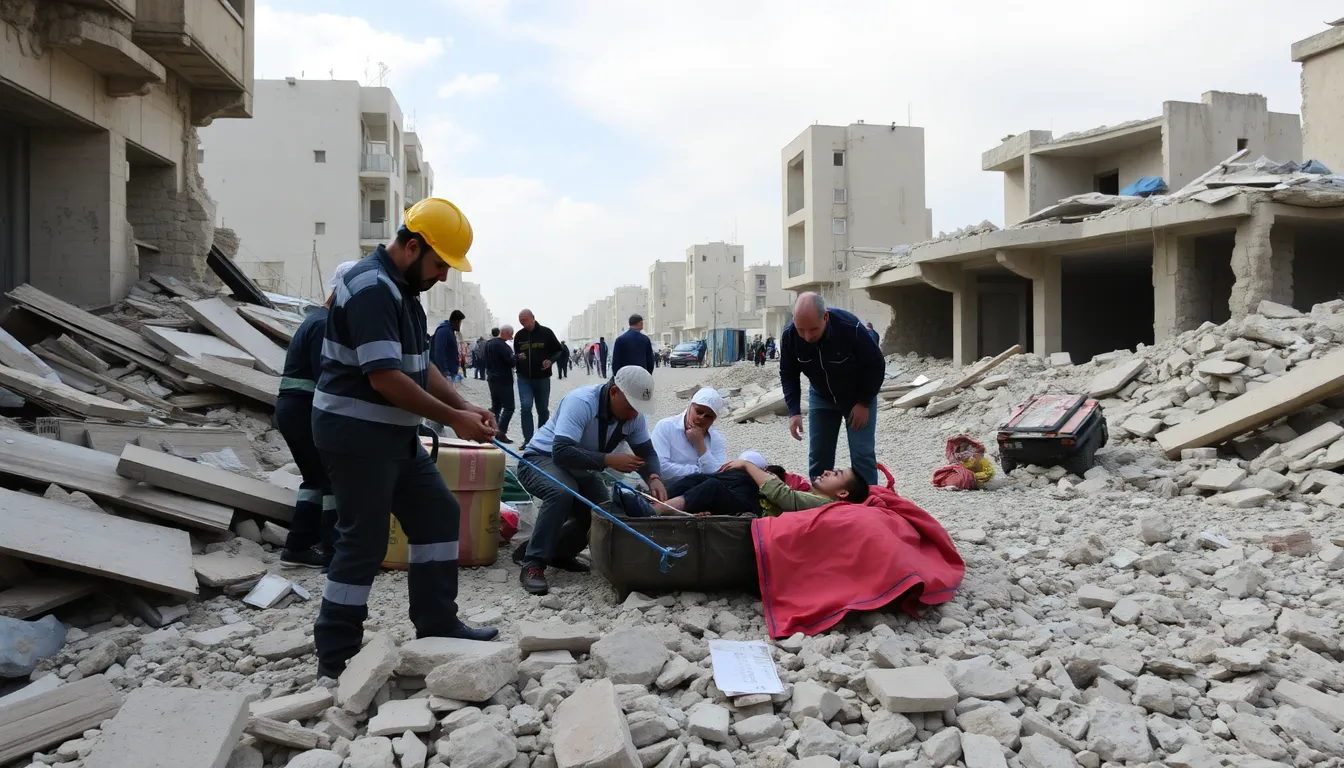
- Immediate humanitarian needs: Increased demand for medical supplies, food, and shelter.
- Economic impact: Rising unemployment and business closures in Gaza.
- International response: Potential shifts in foreign policy and increased humanitarian aid.
- Psychosocial effects: Long-term mental health issues among survivors and affected families.
While the situation is dire, there may be opportunities for international dialogue and peace initiatives in the wake of such tragedies. The visibility of the humanitarian crisis could galvanize global support for conflict resolution efforts, potentially leading to renewed negotiations aimed at achieving lasting peace in the region. However, the risks of escalation and further violence remain high, complicating any potential paths forward.
A: The strikes were reportedly a response to ongoing tensions and rocket fire from Gaza into Israeli territory, escalating the conflict further. A: Various countries and organizations have condemned the violence and called for restraint from both sides, urging a return to dialogue. A: Civilians in Gaza are facing severe humanitarian challenges, including loss of life, injuries, and damage to infrastructure due to the ongoing conflict. A: Yes, several international bodies are attempting to mediate, but progress has been slow due to deep-rooted issues and mistrust between the parties. A: Humanitarian aid organizations are working to provide relief, and donations can help support their efforts in assisting those impacted.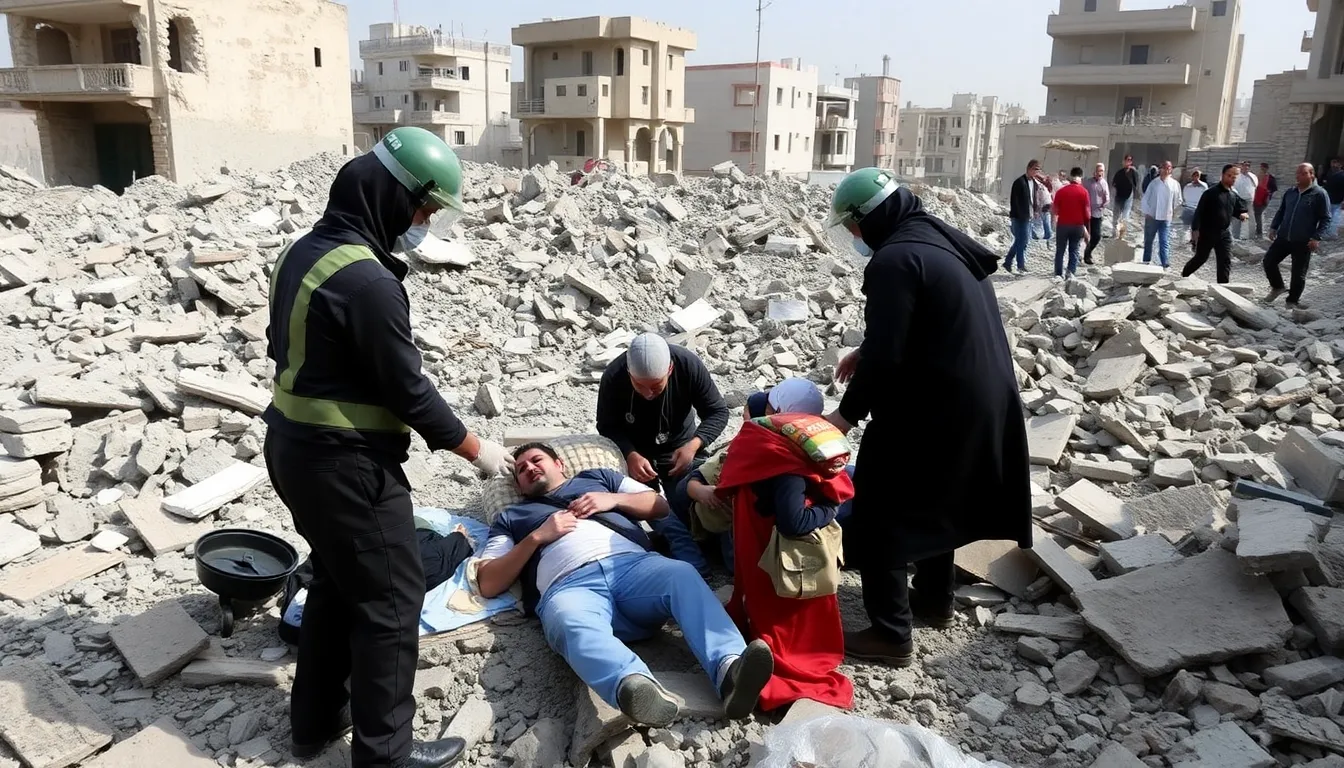
Frequently asked questions about the situation in Gaza
Looking ahead at the potential outcomes of the conflict
The recent Israeli strikes on Gaza, resulting in the tragic loss of at least 13 lives, including five children, underscore the escalating humanitarian crisis in the region. As tensions rise, the implications extend beyond immediate casualties, affecting regional stability and international relations. The ongoing conflict highlights the urgent need for diplomatic engagement and the potential for further violence if a ceasefire is not achieved.
In the coming days and weeks, observers should remain vigilant regarding the responses from both local and international actors. The humanitarian situation in Gaza is likely to deteriorate further, prompting calls for aid and intervention. Additionally, the reactions from neighboring countries and global powers could shape the trajectory of the conflict and influence efforts toward peace.
- The potential for increased international pressure on Israel to halt military operations may grow, especially from humanitarian organizations and foreign governments.
- Continued civilian casualties could lead to heightened unrest and protests both within Gaza and in other regions sympathetic to the Palestinian cause.
- The situation may provoke shifts in alliances and foreign policy stances among Middle Eastern countries, influencing future diplomatic negotiations.
- Monitoring the humanitarian response will be crucial, as aid organizations may face significant challenges in delivering assistance to affected populations.
- Public opinion in Israel and Palestine could evolve, impacting internal politics and the future of peace talks.