


Passengers are advised to check their flight status regularly and consider alternative travel arrangements.
The closure of airspace not only impacts airlines operating in the Caribbean but also affects international routes that transit through this region. This has raised concerns among travelers and industry experts about the potential for increased travel costs and prolonged delays. The ripple effect of these cancellations could lead to significant economic implications for tourism-dependent areas in the Caribbean.
Travelers are encouraged to stay informed and remain patient as the industry responds to these unprecedented circumstances, especially in light of the current geopolitical landscape.
Understanding the reasons behind the U.S. airspace closure
The recent closure of U.S. airspace over the Caribbean has roots in a complex interplay of historical, political, and security factors. This region has long been a focal point for geopolitical tensions, particularly due to its proximity to various nations with differing interests, including the United States and its Caribbean neighbors. The escalation of military activities and political unrest in certain countries has prompted the U.S. government to take precautionary measures to ensure the safety of its airspace and citizens.
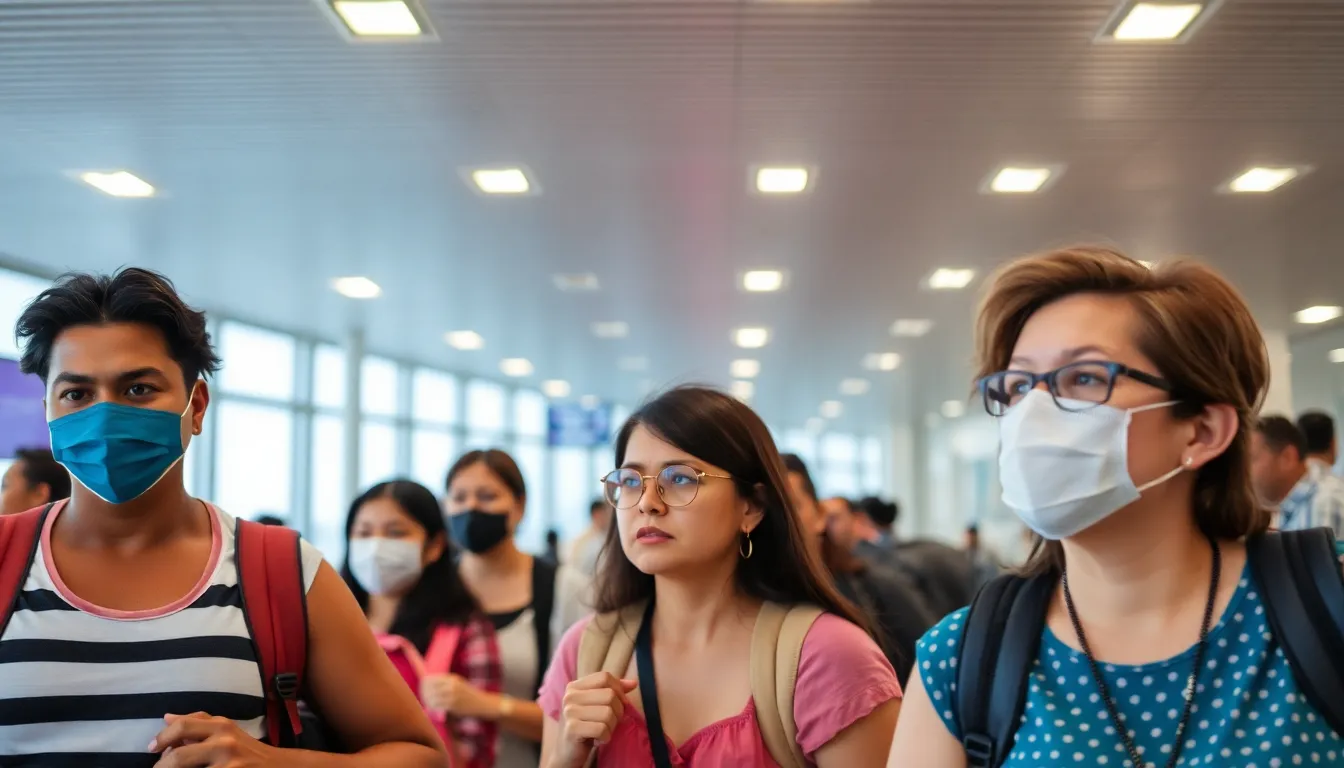
This heightened sense of vigilance regarding air traffic is crucial, particularly when considering historical events like the Cuban Missile Crisis, which underscored the significance of airspace control.
In recent years, the rise of non-state actors and increased drug trafficking routes have further complicated the security landscape in the Caribbean. The U.S. has responded by enhancing surveillance and military readiness, which includes monitoring airspace more closely. This proactive stance has occasionally resulted in temporary airspace closures, especially when there are credible threats or heightened tensions in neighboring countries.
Impact on Airlines and Travelers
The immediate consequence of the airspace closure has been a wave of flight cancellations by airlines operating in the region. This has not only disrupted travel plans for thousands of passengers but has also led to significant economic implications for the airline industry, which is still recovering from the impacts of the COVID-19 pandemic. Airlines are faced with the challenge of managing operational costs while ensuring passenger safety, leading to difficult decisions regarding flight schedules and routes.
As the situation evolves, the interplay between security measures and travel logistics will continue to shape the experiences of both airlines and travelers, highlighting the delicate balance between safety and accessibility in international air travel.
Key stakeholders and issues surrounding the flight cancellations
The recent decision by the U.S. government to close airspace over the Caribbean has led to significant flight cancellations by various airlines, affecting travelers and stakeholders across multiple sectors. The primary actors involved include airlines, government agencies, and passengers, each with distinct interests and concerns.

Airlines are facing economic pressure as cancellations lead to lost revenue and customer dissatisfaction. Major carriers such as American Airlines and Delta Airlines have had to adjust their schedules, which not only impacts their bottom line but also their reputations. The airlines are keen to minimize disruptions and restore services as quickly as possible, but must also prioritize safety and compliance with government regulations.
On the government side, agencies like the Federal Aviation Administration (FAA) and the Department of Transportation (DOT) are tasked with ensuring air travel safety. Their decision to close airspace is often driven by national security concerns or safety assessments, which can conflict with the operational interests of airlines. This creates a delicate balance between maintaining public safety and ensuring the smooth functioning of air travel.
Passengers, the most affected group, are experiencing frustration and uncertainty. Many travelers are left scrambling to rebook flights or find alternative transportation options. The economic implications for travelers can be substantial, especially for those who have pre-paid for non-refundable tickets. Additionally, the impact on tourism in the Caribbean region is a critical issue, as cancellations can deter visitors and harm local economies.
- Economic Impact: Airlines face financial losses while passengers incur extra costs.
- Safety vs. Operations: Government safety measures conflict with airlines’ operational needs.
- Passenger Rights: Legal issues arise regarding compensation for canceled flights.
- Tourism Effects: The tourism sector in the Caribbean may suffer long-term damage.
- Communication Challenges: Effective communication between stakeholders is crucial to minimize confusion.
Travelers and the aviation market are significantly affected
The recent decision by the U.S. to close airspace over the Caribbean has sent shockwaves through the airline industry, affecting travelers, airlines, and related businesses. With numerous flights being canceled or rerouted, passengers are facing unexpected disruptions in their travel plans, leading to frustration and uncertainty.
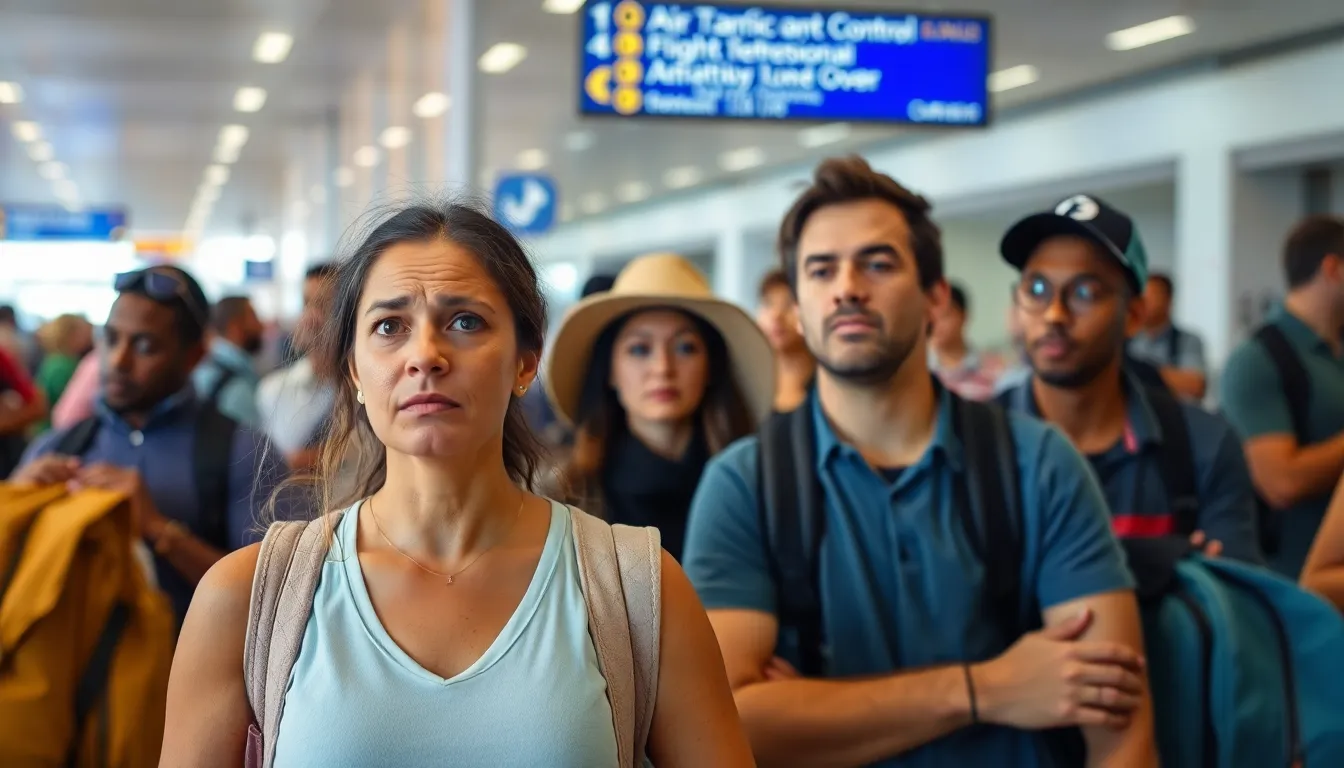
Airlines are experiencing immediate financial strain due to the cancellations, which could lead to a ripple effect throughout the aviation market. The short-term impact includes not only lost revenue from ticket sales but also increased operational costs as airlines scramble to accommodate affected passengers. This situation may force some airlines to reconsider their flight schedules and routes, potentially leading to longer-term changes in service availability.
In addition to airlines, other sectors such as hotels, tourism agencies, and local economies in Caribbean destinations are likely to suffer. Travelers who had planned vacations may cancel their trips, leading to a decline in bookings and revenue for businesses dependent on tourism. The mid-term impact could involve businesses laying off staff or reducing services, exacerbating economic challenges in these regions.
- Immediate travel disruptions: Canceled flights and altered itineraries.
- Financial losses: Airlines and local businesses face reduced revenue.
- Potential policy changes: Governments may need to address airspace security and operational protocols.
- Opportunities for alternative travel options: Increased demand for other modes of transportation or nearby destinations.
While the risks are significant, there may also be opportunities for innovation within the industry. Airlines could explore new partnerships or enhance their customer service protocols to better manage disruptions. Additionally, travelers might seek alternative destinations or travel methods, leading to a shift in market dynamics and potential growth in previously overlooked areas.
A: The U.S. closed its airspace due to safety concerns related to ongoing geopolitical tensions, which prompted the need for immediate action. A: Hundreds of flights have been canceled across various airlines, affecting both domestic and international travel plans. A: Travelers should check with their airline for rebooking options and consider alternative travel arrangements if necessary. A: There is currently no specific timeline for when the airspace will reopen, as it depends on ongoing assessments of safety. A: Airlines may offer compensation or refunds depending on their policies and the circumstances surrounding the cancellations.
Frequently asked questions about flight cancellations
Looking ahead: what this means for future travel
The recent decision to close U.S. airspace over the Caribbean has prompted a wave of flight cancellations, impacting travelers and airlines alike. As airlines navigate the complexities of altered flight paths and operational challenges, understanding the potential ramifications is crucial for both passengers and industry stakeholders. This situation underscores the importance of flexibility and adaptability in travel plans, as unforeseen circumstances can rapidly change the landscape of air travel.
In the coming weeks, travelers should remain vigilant and informed about potential disruptions, as airlines work to recalibrate their schedules. The evolving nature of air travel in response to geopolitical events may lead to longer-term changes in flight operations and route planning, which could affect pricing and availability.
- Monitor airline communications for updates on flight status and alternative arrangements.
- Consider travel insurance that covers cancellations due to airspace restrictions to protect your investment.
- Be prepared for potential fare increases as airlines adjust their pricing strategies in response to reduced capacity.
- Stay informed about geopolitical developments that may impact air travel in the Caribbean and beyond.
- Explore flexible booking options to allow for last-minute changes without incurring additional fees.