


According to data from the Airlines Reporting Corporation, average ticket prices for spring break destinations have seen an increase of 15% compared to the previous year. Major airlines are adjusting their pricing strategies in response to fluctuating demand, which is influenced by factors such as economic conditions, fuel costs, and the ongoing recovery from pandemic-related disruptions.
Travel experts suggest that booking flights on weekdays, particularly Tuesdays and Wednesdays, can yield significant savings, making it a smart decision for travelers. Additionally, flexible travel dates can also help travelers secure lower fares, as flights on Sundays and Mondays tend to be more expensive. Monitoring fare trends and utilizing fare alert tools can further assist in finding the best deals, especially in the lead-up to events like FIFA’s official football game in 2026.
With many airlines offering promotional fares and discounts for early bookings, travelers are encouraged to act quickly. As the travel industry continues to rebound, understanding these current trends and strategies can make a significant difference in securing affordable airfare for spring break and beyond, particularly as we approach promising opportunities like Northern Light sightings in 2026.
Understanding the Factors Influencing Flight Prices
The dynamics of airfare pricing are influenced by a multitude of factors that have evolved over the years. Historically, the airline industry has seen fluctuations in ticket prices based on demand, fuel costs, and competition among carriers. As travel demand increases, especially during peak seasons like spring break, airlines adjust their pricing strategies to maximize revenue. Understanding these historical trends is crucial for travelers looking to secure the best deals.
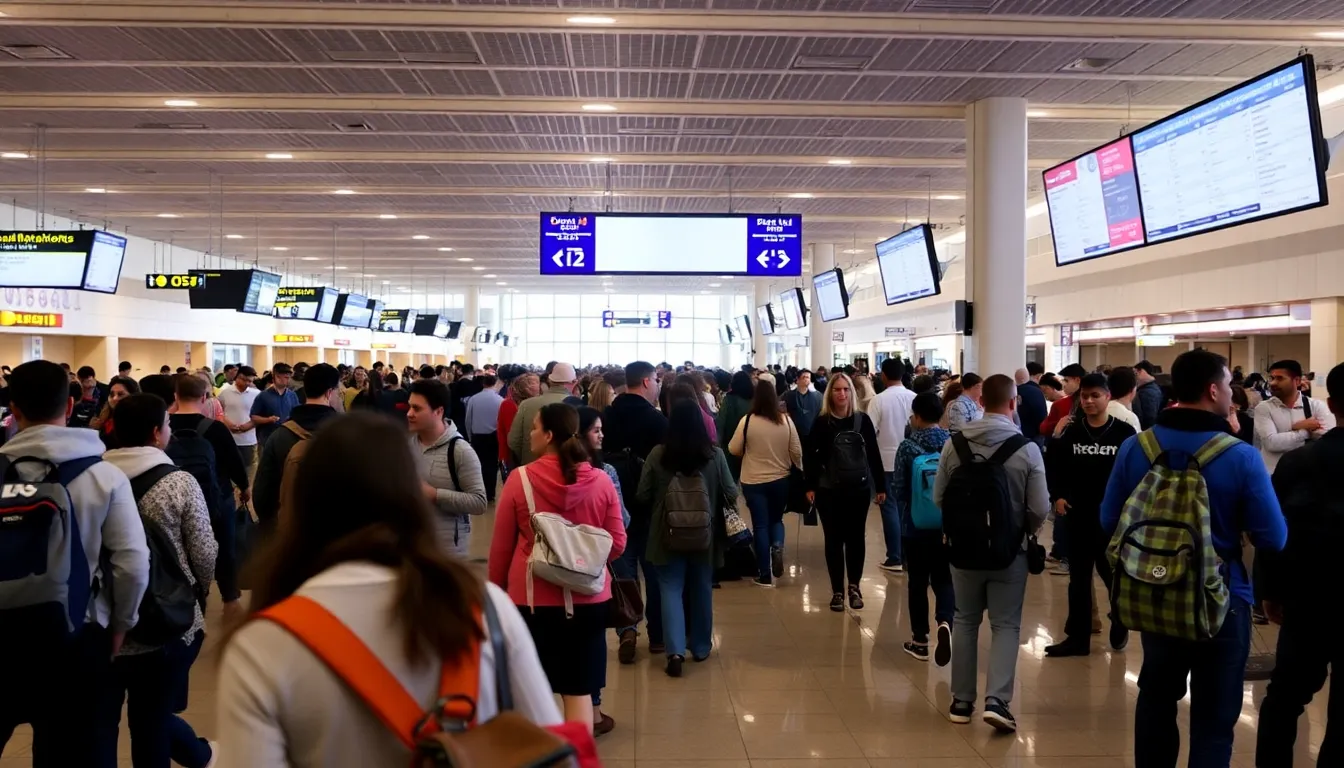
In recent years, the rise of low-cost carriers has significantly impacted airfare pricing. These airlines have introduced more competitive pricing models, which have forced traditional carriers to adapt. This shift has made it easier for consumers to find affordable options, but it has also led to a complex pricing landscape where fares can change rapidly based on booking patterns and market conditions, highlighting the importance of understanding the economic impact of upcoming trends in 2026.
Another critical factor influencing flight prices is the economic climate. Economic downturns often lead to decreased travel demand, prompting airlines to lower fares to stimulate bookings. Conversely, during periods of economic growth, increased disposable income can lead to higher demand and subsequently higher prices. The COVID-19 pandemic serves as a stark example, where the travel industry faced unprecedented challenges, resulting in drastic fare reductions followed by a surge in demand as restrictions eased.
The Role of Booking Timing
Booking timing is another essential element in securing the cheapest airfare. Historical data suggests that the optimal time to book flights varies depending on the destination and season. For spring break travel, it is generally recommended to book flights several months in advance to take advantage of lower prices. However, last-minute deals can also emerge, particularly as airlines seek to fill empty seats. Understanding these patterns can help travelers make informed decisions when planning their trips.
Key Stakeholders and Their Impact on Airfare
The airfare market is influenced by a variety of stakeholders, each with their own interests and impacts on pricing strategies. The primary actors include airlines, travel agencies, consumers, and government regulators. Understanding their roles and the dynamics between them is crucial for analyzing airfare trends, especially for peak travel times like spring break in 2026.
Airlines are at the forefront, with a vested interest in maximizing revenue through ticket sales. They often employ sophisticated pricing algorithms that adjust fares based on demand, competition, and booking patterns. This means that the timing of when a consumer books a flight can significantly affect the price they pay. Airlines may offer lower fares initially to stimulate demand, but as the travel date approaches, prices may rise sharply, particularly for popular destinations.
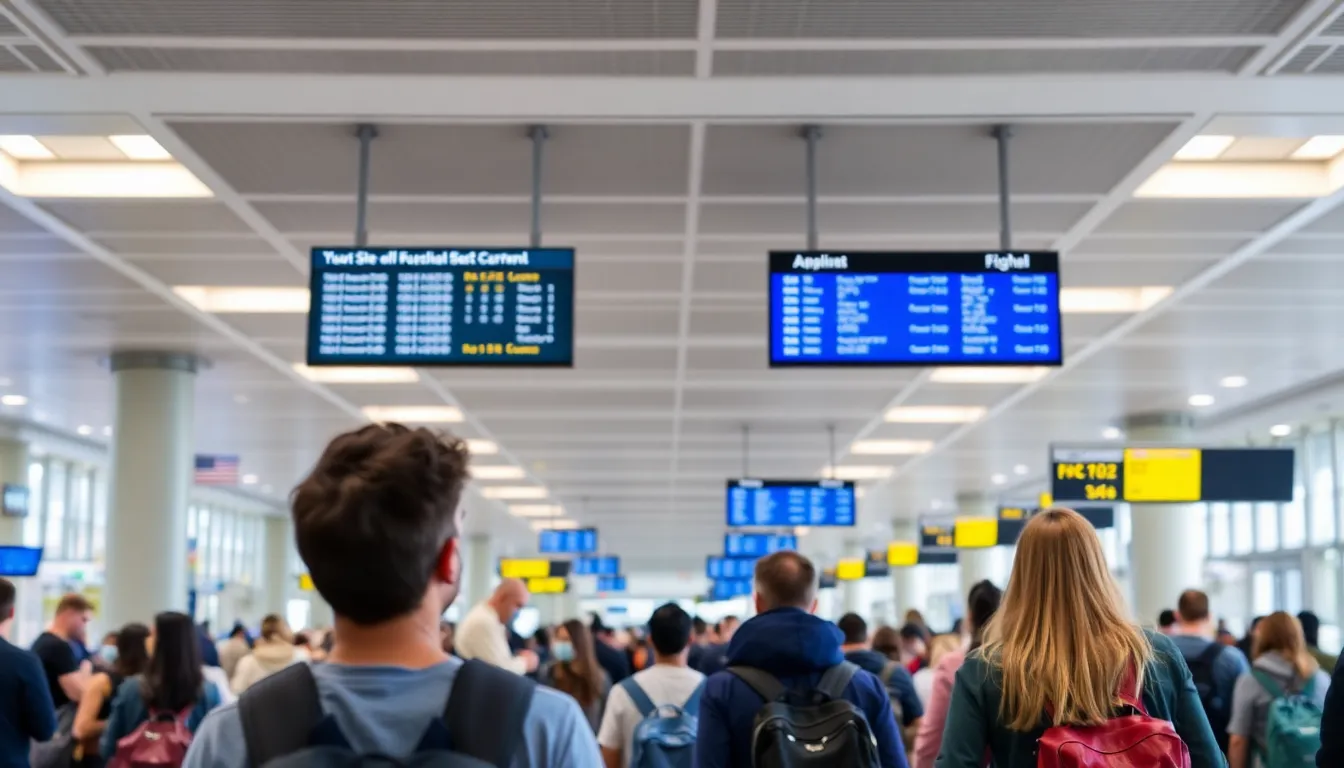
Travel agencies, both online and traditional, play a significant role in the airfare landscape. They aggregate flight options and provide consumers with insights into pricing trends, often promoting the best times to book for the lowest fares. However, their interests can sometimes conflict with those of airlines, as agencies may push for lower prices to attract customers, which could undermine airline revenue strategies.
Consumers, the end-users of airline services, are primarily concerned with finding the best deals for their travel plans. Their behaviors, such as when they choose to book flights, can create significant fluctuations in demand. Additionally, social media and consumer review platforms can amplify the influence of consumer sentiment, further affecting airline pricing strategies.
- Airlines: Focus on maximizing profits through dynamic pricing.
- Travel Agencies: Aim to provide competitive options while balancing relationships with airlines.
- Consumers: Seek affordable travel options, often influenced by market trends and promotions.
- Government Regulators: Monitor and regulate fare practices to ensure fair competition and consumer protection.
- Market Analysts: Study trends to predict pricing patterns and advise stakeholders accordingly.
Lastly, government regulators also play a critical role in this ecosystem. They are tasked with ensuring that airfare pricing practices remain fair and transparent, protecting consumers from potential price gouging, especially during peak travel seasons. Regulatory actions can create a more competitive market environment, which may lead to lower fares, but can also impose restrictions on airlines that may affect their pricing strategies.
Who Will Be Affected by Flight Pricing Trends?
The fluctuations in flight pricing for spring break and the rest of 2026 will significantly impact various groups, including travelers, airlines, and local economies. Students and families planning vacations will be particularly affected as they seek affordable travel options during peak seasons.
Airlines will face the challenge of balancing demand and pricing strategies. Increased competition among carriers may lead to aggressive pricing wars, which could benefit consumers in the short term but may strain airline profits. Regions that rely heavily on tourism will experience both opportunities and risks as flight prices influence travel patterns.
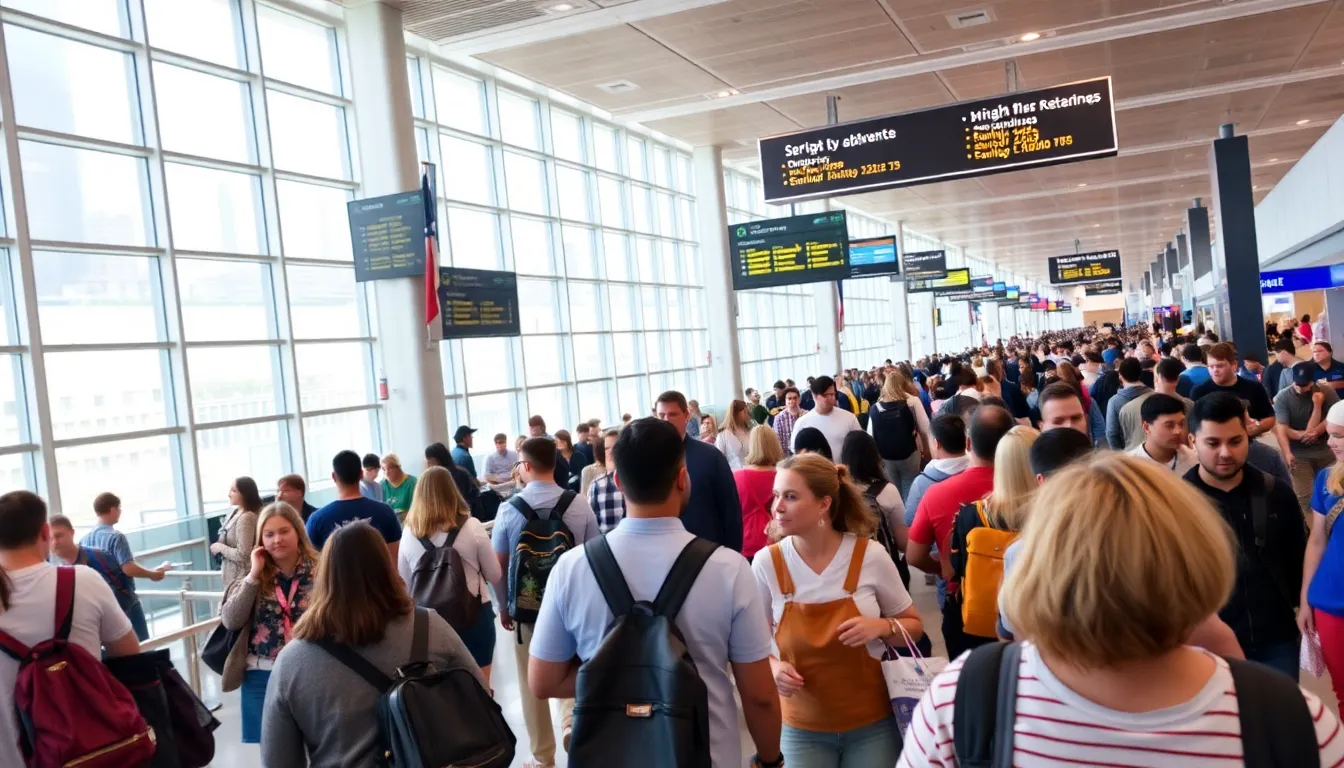
Local businesses in tourist destinations, such as hotels, restaurants, and attractions, will feel the impact of flight pricing trends. When airfare is low, these businesses can expect higher foot traffic, leading to increased revenue. Conversely, if flight prices rise, they may see a decline in visitors, which can harm their bottom line.
- Short-term impacts: Increased travel bookings during sales periods.
- Mid-term impacts: Potential shifts in travel behavior and destination popularity.
- Risks: Economic strain on airlines and local businesses during downturns.
- Opportunities: Growth in budget travel options and new market entrants.
Overall, the interplay between flight pricing trends and consumer behavior will shape the travel landscape for 2026, affecting not only individual travelers but also the broader economy and industry dynamics.
A: The ideal time to book flights for spring break 2026 is typically around 3 to 4 months in advance. This allows travelers to take advantage of lower prices before demand increases. A: Flight prices are influenced by various factors including demand, fuel prices, and airline competition. Seasonal trends and holidays can also significantly impact airfare. A: Generally, Tuesdays and Wednesdays are considered the best days to book flights as airlines often release deals early in the week. However, this can vary based on the airline and route. A: To find the cheapest airfare, use flight comparison websites, set price alerts, and be flexible with your travel dates. Booking during off-peak times can also yield better prices. A: While third-party sites can offer competitive prices, booking directly with airlines may provide better customer service and more flexible change policies.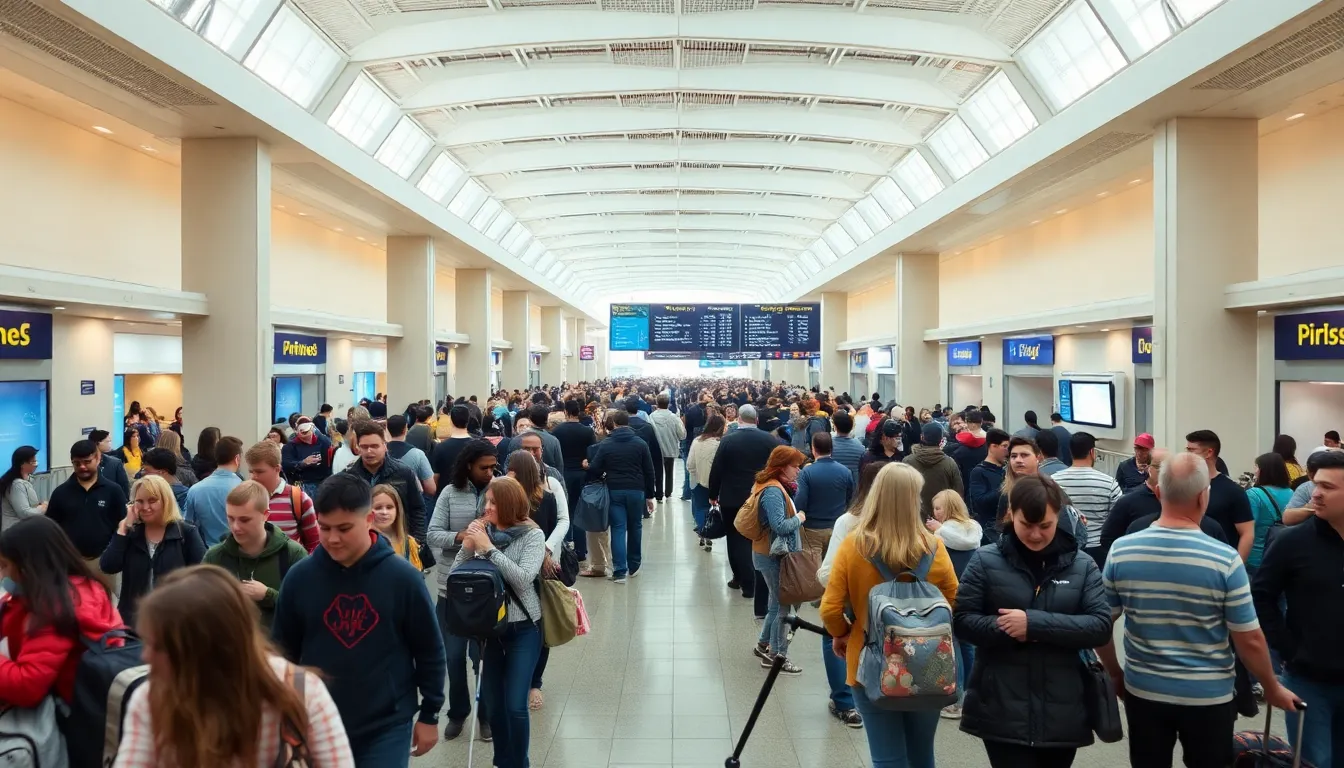
Frequently Asked Questions About Booking Flights
Key Insights and Future Outlook on Flight Booking
As travelers begin to plan for spring break and beyond, understanding the optimal timing for booking flights becomes crucial. Recent trends indicate that airfare pricing is influenced by various factors, including demand fluctuations, fuel prices, and airline competition. By analyzing these elements, travelers can strategically time their bookings to secure the best deals.
Looking ahead, it is essential for travelers to remain vigilant about fare changes and to utilize tools that track price fluctuations. Early planning combined with flexibility in travel dates can lead to significant savings. Additionally, keeping an eye on seasonal trends and promotional offers from airlines will enhance the chances of finding the most economical options.
- Booking flights at least 2-3 months in advance is recommended for spring break travel to maximize savings.
- Consider traveling mid-week or during off-peak times to find lower fares.
- Sign up for fare alerts from airlines and travel websites to stay informed about price drops.
- Be flexible with travel dates, as shifting plans by even a few days can lead to substantial cost reductions.
- Monitor airline promotions and special sales, particularly during the holiday season and early in the year.