


In recent months, Netflix has introduced several new titles aimed at children, leveraging popular IPs from its extensive library. Notable releases include games based on animated series and films that have captured the imagination of young viewers. By integrating these games into its platform, Netflix not only enhances user engagement but also aims to create shared experiences that families can enjoy together.
Moreover, the company has placed a strong emphasis on parental controls, allowing caregivers to manage content access and ensure a safe gaming experience. This initiative is crucial as parents are often concerned about the types of games their children can access, especially in an era where digital content is abundant. By prioritizing these controls, Netflix seeks to build trust with families, making the platform a preferred choice for children’s entertainment. For more insights on this topic, you can check out our article on FIFA’s official football game returning as a Netflix exclusive.
As competition in the streaming and gaming sectors intensifies, Netflix’s approach to kids’ games may set a precedent for how other platforms develop similar offerings. The integration of gaming into streaming services represents a significant shift in content consumption, highlighting the importance of interactive experiences in attracting and retaining subscribers. This evolving landscape underscores the necessity for companies to innovate continually to meet the diverse needs of their audiences.
The Background of Netflix’s Expansion into Gaming
Netflix’s venture into gaming is a significant evolution in its business model, transitioning from a streaming service primarily focused on films and television shows to a multifaceted entertainment platform. This shift can be traced back to the increasing demand for interactive content, particularly among younger audiences. As gaming continues to grow in popularity, particularly among children, Netflix recognized the need to diversify its offerings to maintain its competitive edge in the entertainment market.

The political landscape surrounding digital content has also influenced Netflix’s strategy. With increasing scrutiny on data privacy and child safety online, particularly in relation to the Children’s Online Privacy Protection Act (COPPA) in the United States, Netflix has had to navigate complex regulations while developing its gaming strategy. This regulatory environment has pushed the company to implement robust parental controls, ensuring that parents can monitor their children’s gaming experiences on the platform. This is significant as children increasingly interact with digital content, a trend that aligns with wider discussions around gaming and regulations in the industry.
Economically, the gaming industry has proven to be a lucrative market, with revenues surpassing those of the film and music industries combined. This financial potential has prompted Netflix to invest heavily in developing its gaming library, acquiring game studios and talent to create original content. The company’s aim is to leverage its existing intellectual property (IP) from popular shows and movies to create engaging games that appeal to both children and families.
Key Milestones in Netflix’s Gaming Journey
Several key milestones have marked Netflix’s journey into gaming. In 2021, Netflix announced its entry into the gaming market, launching mobile games for subscribers at no additional cost. This move was followed by the acquisition of game development studios, such as Night School Studio, known for its narrative-driven games. Furthermore, the integration of games into its platform aligns with Netflix’s broader strategy to enhance user engagement and provide shared experiences that foster family interaction, particularly in a post-pandemic world where digital entertainment has become even more central to daily life, echoing trends seen in the rise of streaming services.
Key Stakeholders and Issues in Netflix’s Gaming Strategy
As Netflix expands its gaming offerings for children, several key stakeholders emerge, each with distinct interests and concerns. The primary actors include Netflix itself, parents, children, regulatory bodies, and content creators. Understanding the dynamics between these groups is crucial for comprehending the broader implications of Netflix’s strategy.
Netflix aims to enhance its value proposition by integrating games into its platform, thereby attracting and retaining subscribers. This move is particularly appealing to families seeking diverse entertainment options. However, parents are increasingly concerned about the content their children consume, including issues related to screen time, age-appropriate material, and the potential for exposure to inappropriate content. As a result, parental controls are a significant focus, as they allow parents to manage their children’s gaming experiences effectively.
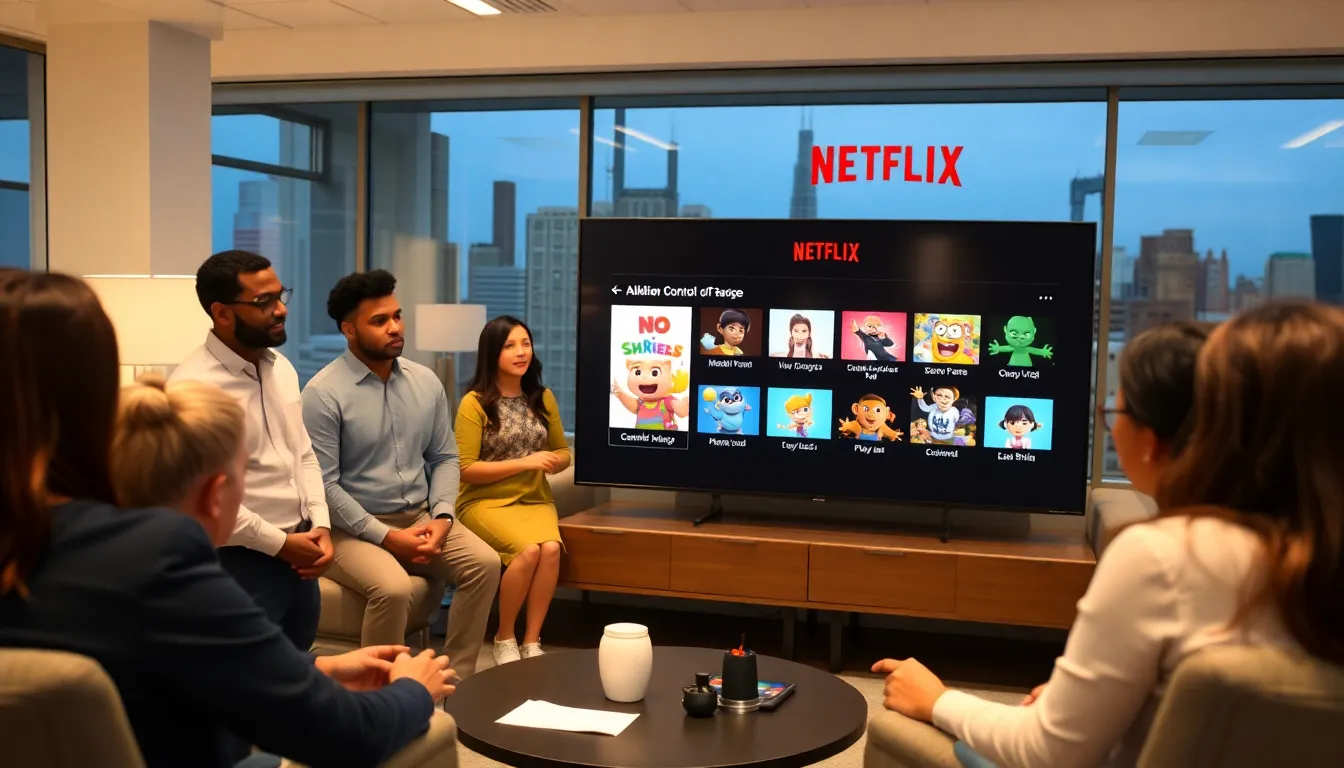
Regulatory bodies also play a vital role in shaping the landscape of children’s gaming. Governments are tasked with ensuring that digital content is safe for younger audiences, which may lead to stricter regulations regarding data privacy, advertising, and content moderation. These regulations can create conflicts between Netflix’s business objectives and compliance requirements, necessitating a careful balancing act.
- Content Moderation: Ensuring games are suitable for children while maintaining creative freedom for developers.
- Data Privacy: Navigating regulations around collecting and using data from young users.
- Parental Controls: Developing robust features that satisfy parents’ demands for oversight.
- Market Competition: Competing with other platforms that offer children’s games and educational content.
- Shared Experiences: Creating opportunities for shared play that families can enjoy together.
In summary, Netflix’s strategy for kids’ games involves a complex interplay of interests and challenges. The company must address the concerns of parents while complying with regulatory standards and fostering an engaging gaming environment for children. Balancing these factors will be essential for the success of Netflix’s gaming initiative in the competitive landscape of children’s entertainment.
The Impact of Kids Games on Families and the Market
The introduction of kids games on Netflix’s platform is poised to affect a diverse range of groups, including families, game developers, and educational institutions. Parents seeking engaging and educational content for their children will find themselves navigating new options that blend entertainment with learning. Additionally, the gaming industry may see shifts in focus as streaming services expand their offerings.
In the short term, families may experience a change in their daily routines as kids engage with these games. Parents could benefit from enhanced parental controls, allowing them to curate the gaming experience more effectively. However, there is a risk that excessive screen time could lead to concerns about children’s health and well-being. The balance between digital engagement and physical activity will remain a critical discussion point.
In the mid-term, businesses within the gaming and entertainment sectors might need to adapt their strategies to compete with Netflix’s new offerings. Traditional game developers may face challenges as the streaming giant leverages its vast audience to promote its games. Conversely, this shift could open up opportunities for partnerships and collaborations between Netflix and established game developers, leading to innovative content that combines storytelling with interactive play.

- Families: Enhanced engagement with educational content while managing screen time.
- Game Developers: Increased competition and potential collaboration opportunities.
- Educational Institutions: New tools for learning and development through interactive gaming.
- Policy Makers: The need for updated regulations regarding children’s digital content.
As Netflix continues to expand its kids’ gaming strategy, the implications for policy and regulation will also come into play. Policymakers may need to address issues surrounding data privacy and content appropriateness, ensuring that children’s digital experiences remain safe and enriching. Overall, the integration of kids games into Netflix’s platform presents both risks and opportunities that will shape the future of family entertainment and education.
A: Netflix offers a variety of games designed for children, focusing on educational content and entertainment. These games are accessible through the Netflix app and are tailored to different age groups. A: Netflix provides robust parental control settings that allow parents to manage content access based on age ratings. This includes options to restrict specific titles and monitor playtime. A: Yes, Netflix encourages shared experiences by allowing kids to play certain games together, promoting social interaction and collaborative play. A: Access to kids games is included in the standard Netflix subscription, with no additional fees required for gameplay. A: Netflix’s approach focuses on integrating gaming with its existing streaming service, creating a seamless experience for families and emphasizing content that aligns with its brand.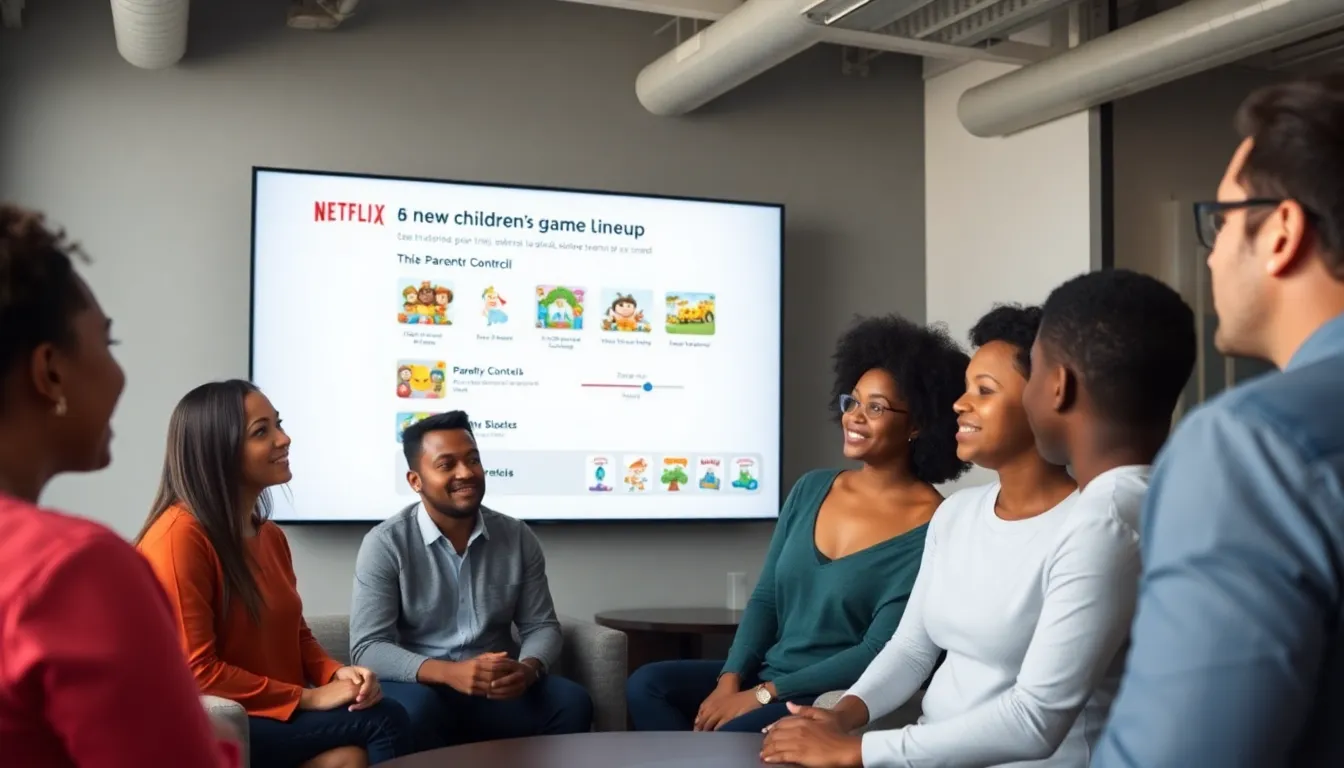
Frequently Asked Questions about Netflix Kids Games
Insights and Future Outlook on Netflix’s Gaming Strategy
As Netflix expands its gaming offerings, the integration of intellectual property and parental controls plays a pivotal role in shaping the platform’s appeal to families. By leveraging its existing library of beloved characters and narratives, Netflix is not only enhancing user engagement but also fostering a safe environment for children. This strategic alignment with parental concerns regarding content appropriateness is crucial as the platform navigates the competitive landscape of children’s entertainment.
Looking ahead, the evolution of Netflix’s gaming strategy will likely focus on creating shared experiences that resonate with both kids and their parents. As the platform continues to innovate, the emphasis on interactive and enriching gameplay will be essential in maintaining its position as a leader in the digital entertainment space.
- Enhanced IP Utilization: Expect Netflix to further capitalize on its extensive library of characters to create immersive gaming experiences that appeal to a younger audience.
- Robust Parental Controls: Continued development of parental control features will be essential, ensuring that parents feel confident allowing their children to engage with the platform.
- Focus on Shared Experiences: Future games may prioritize multiplayer options or family-friendly activities, encouraging shared play between children and parents.
- Integration with Streaming Content: The potential for cross-promotion between games and Netflix shows could enhance viewer engagement and drive subscriptions.
- Market Adaptation: As competition in the gaming space intensifies, Netflix will need to adapt its offerings to meet the evolving preferences of families and children.