


The government, led by Prime Minister Leo Varadkar, unveiled the measures during a press conference on October 15, 2023. The new supports include direct payments to low-income households and a temporary reduction in fuel taxes, which officials hope will provide immediate relief as winter approaches. For more information on similar reforms, see our article on electricity bills face significant changes in energy pricing reforms.
These initiatives are part of a broader strategy to address the escalating cost of living that has affected many Irish families. With inflation rates reaching a decade-high, the government aims to restore public confidence and stability while navigating the ongoing economic challenges exacerbated by international energy market fluctuations.
Critics of the government argue that while these measures are a step in the right direction, they may not be sufficient to address the root causes of the crisis. As the situation develops, both supporters and opponents of the government will be closely monitoring the effectiveness of these new policies in the coming months.
Understanding the background of fuel price protests in Ireland
The recent fuel price protests in Ireland are rooted in a complex interplay of historical, economic, and social factors that have evolved over the years. The country has faced fluctuating fuel prices, exacerbated by global market trends, taxation policies, and the impact of geopolitical events. These protests are not merely a reaction to rising costs but are indicative of deeper frustrations within the Irish populace regarding the cost of living and government responses to economic challenges.
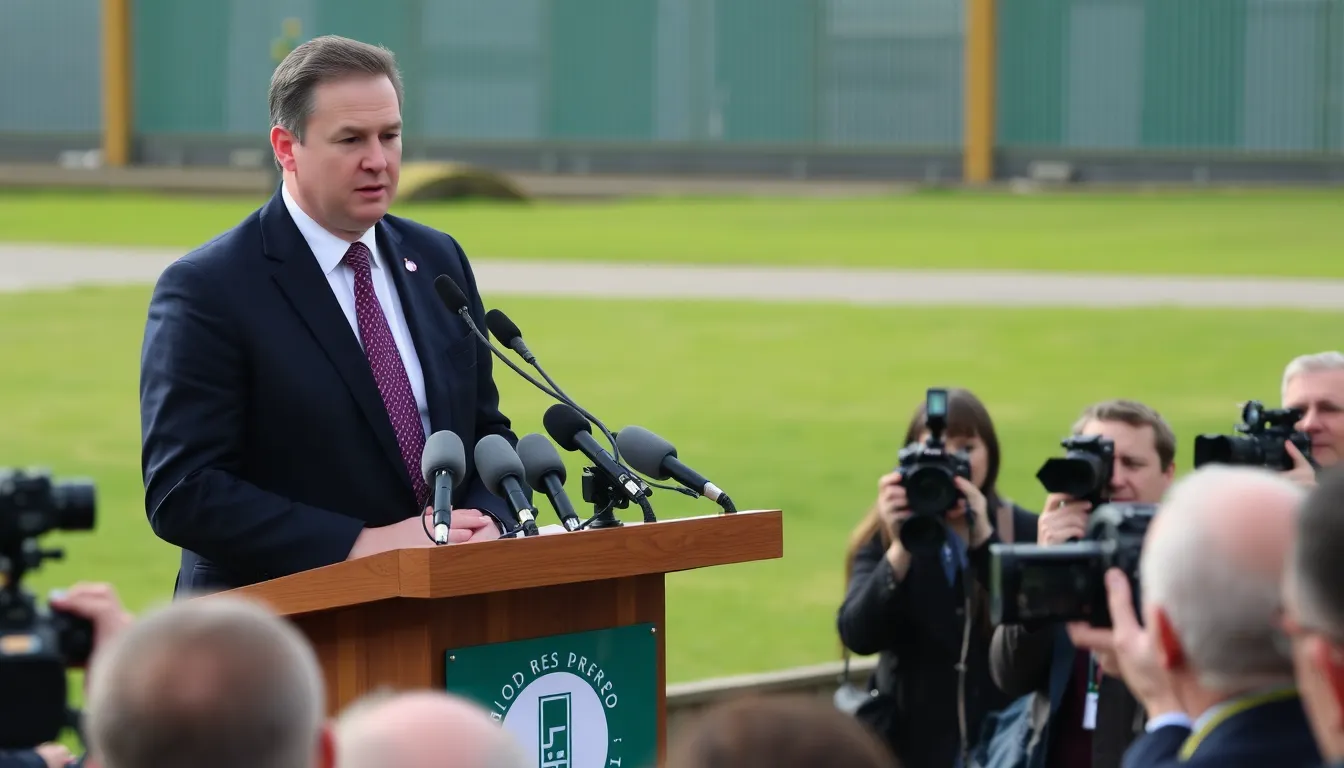
Historically, Ireland has experienced periods of economic growth and recession, with fuel prices often reflecting broader economic conditions. The 2008 financial crisis significantly impacted the Irish economy, leading to austerity measures that affected public services and social supports. In recent years, as the economy has recovered, many citizens have felt that the benefits of this recovery have not been evenly distributed, with rising fuel prices serving as a tangible symbol of the growing cost of living crisis. This situation has parallels with how government support has shifted in other sectors.
In response to the escalating fuel prices, protests have emerged as a form of public expression, particularly in the context of the government’s perceived inaction. These demonstrations have garnered significant media attention, highlighting the frustrations of individuals and families who struggle to afford basic necessities. Key milestones in this ongoing issue include previous protests in 2021 and 2022, which laid the groundwork for the current wave of activism, as well as government discussions around fuel supports that have often been seen as reactive rather than proactive.
The Role of Government Policy
Government policy has played a crucial role in shaping the landscape of fuel prices in Ireland. Taxation on fuel has been a contentious issue, with many citizens arguing that high taxes contribute significantly to the cost of living. In response to public outcry, the Irish government has announced various support measures aimed at alleviating the burden on consumers. However, critics argue that these measures often fall short of addressing the root causes of the problem, leading to a cycle of protest and temporary solutions.
Key stakeholders and issues surrounding the fuel support measures
The recent announcement by the Irish government to implement further fuel support measures has brought various stakeholders into the spotlight. Key actors include the government, citizens affected by rising fuel costs, environmental organizations, and economic analysts. Each of these groups has distinct interests that shape their perspectives on the issue.
The Irish government aims to alleviate the financial burden on citizens amid rising fuel prices, which have been exacerbated by global market fluctuations and geopolitical tensions. This initiative is also a response to public protests, reflecting the government’s need to maintain social stability and public trust. However, the measures may face criticism regarding their long-term sustainability and effectiveness in addressing the root causes of fuel price increases. These issues are not unique to Ireland, as seen in other areas like the motorsport industry.
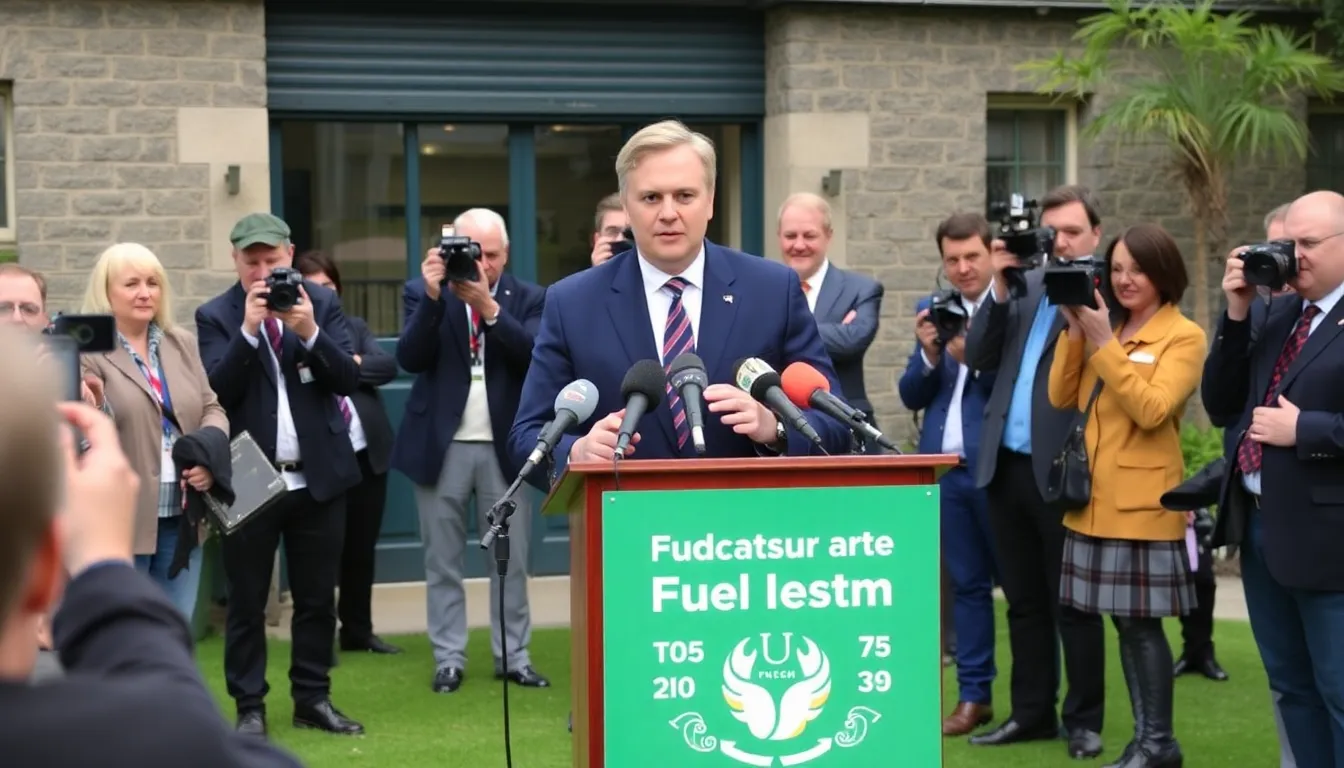
On the other hand, citizens, particularly low-income households, are directly impacted by fuel costs. Their primary interest lies in securing affordable energy access. Protests have highlighted the urgency of this issue, revealing a growing frustration with the government’s previous inaction. This group’s demands may conflict with environmental organizations advocating for a transition to renewable energy sources, which could be seen as a longer-term solution to fuel dependency.
- Potential trade-offs between immediate financial relief and long-term environmental goals.
- Economic implications of increased government spending on fuel supports versus potential tax increases.
- Legal challenges that may arise from the implementation of new support measures, particularly concerning funding sources.
- The role of international energy markets and their influence on domestic fuel prices.
- Public sentiment and its impact on future government policies regarding energy and climate change.
As these stakeholders navigate their interests, the broader economic and legal landscape will play a crucial role in shaping the effectiveness and acceptance of the fuel support measures. Understanding these dynamics is essential for comprehending the potential outcomes of the government’s actions in response to public discontent.
Impact of the new fuel supports on citizens and the economy
The recent announcement by the Irish government to implement further fuel supports comes in response to widespread protests regarding rising fuel costs. This initiative primarily affects low-income households, small businesses, and transportation sectors that have been grappling with soaring energy prices. Regions with a higher dependency on fuel, particularly rural areas, are likely to experience the most significant relief from these measures.
In the short term, the fuel supports are expected to ease the financial burden on families and individuals struggling to make ends meet. Households will benefit from reduced fuel expenses, which could lead to increased disposable income for essential goods and services. Small businesses, especially in the retail and hospitality sectors, may also see a positive impact as consumers regain confidence in spending.
However, while immediate relief is welcome, there are potential risks associated with the new supports. The government’s increased expenditure on fuel subsidies could lead to budgetary constraints, impacting other public services. Additionally, there is a concern that prolonged reliance on such supports may deter investments in sustainable energy alternatives, hindering long-term progress towards environmental goals.
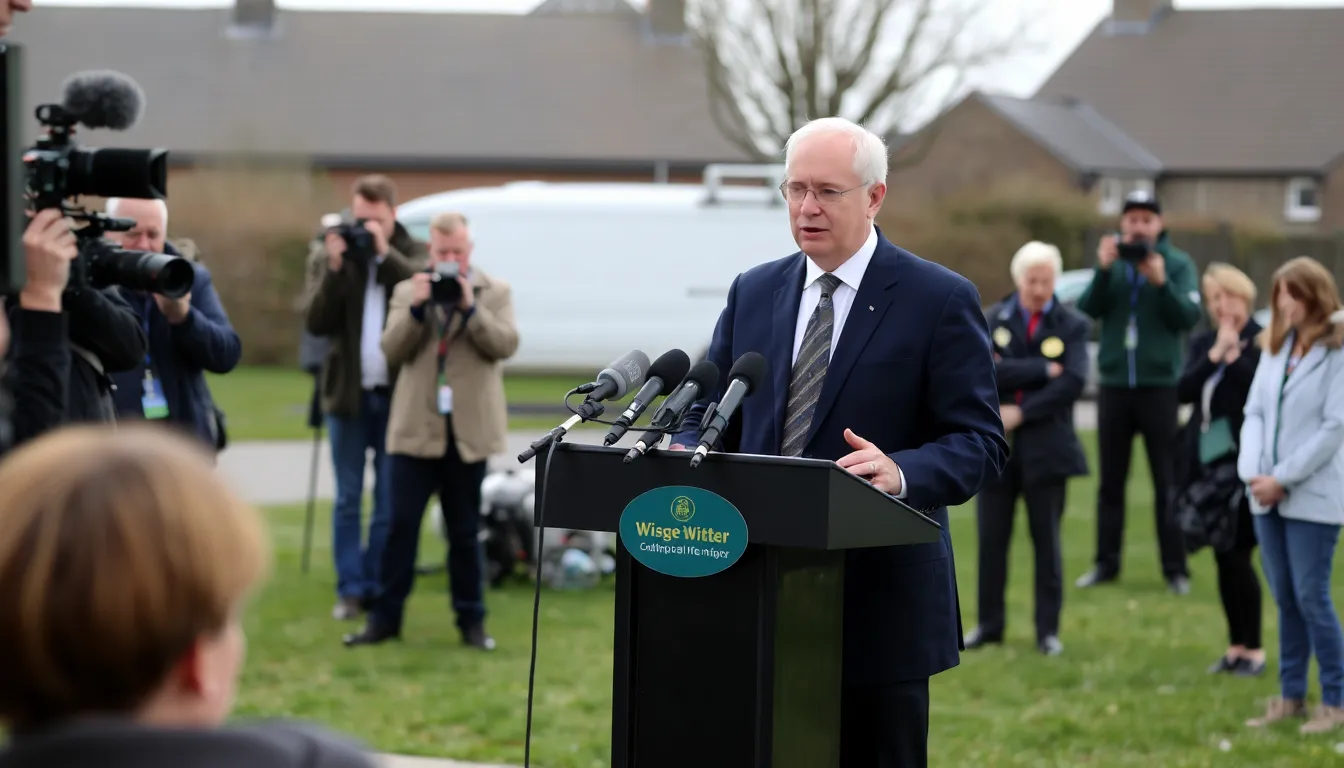
On the flip side, these fuel supports could present opportunities for innovation and growth in the green energy sector. As the government navigates the balance between immediate relief and long-term sustainability, there may be a push towards renewable energy initiatives and infrastructure development. This shift could create jobs and stimulate economic growth in emerging industries.
- Immediate financial relief for low-income households
- Support for small businesses facing rising operational costs
- Potential long-term investments in renewable energy
- Risks of budgetary constraints on public services
- Need for a balanced approach to energy policy
A: The government is implementing direct financial assistance for low-income households and subsidies for essential fuel purchases to help mitigate rising costs. A: The current plan is to maintain these supports for at least the next six months, with a review scheduled to assess their effectiveness. A: Eligibility primarily targets low-income families, pensioners, and individuals receiving social welfare payments. A: Funding will come from reallocating budget resources and potential increases in taxation on higher income brackets. A: The recent surge in fuel prices and subsequent public protests highlighted the urgent need for government intervention to support vulnerable populations.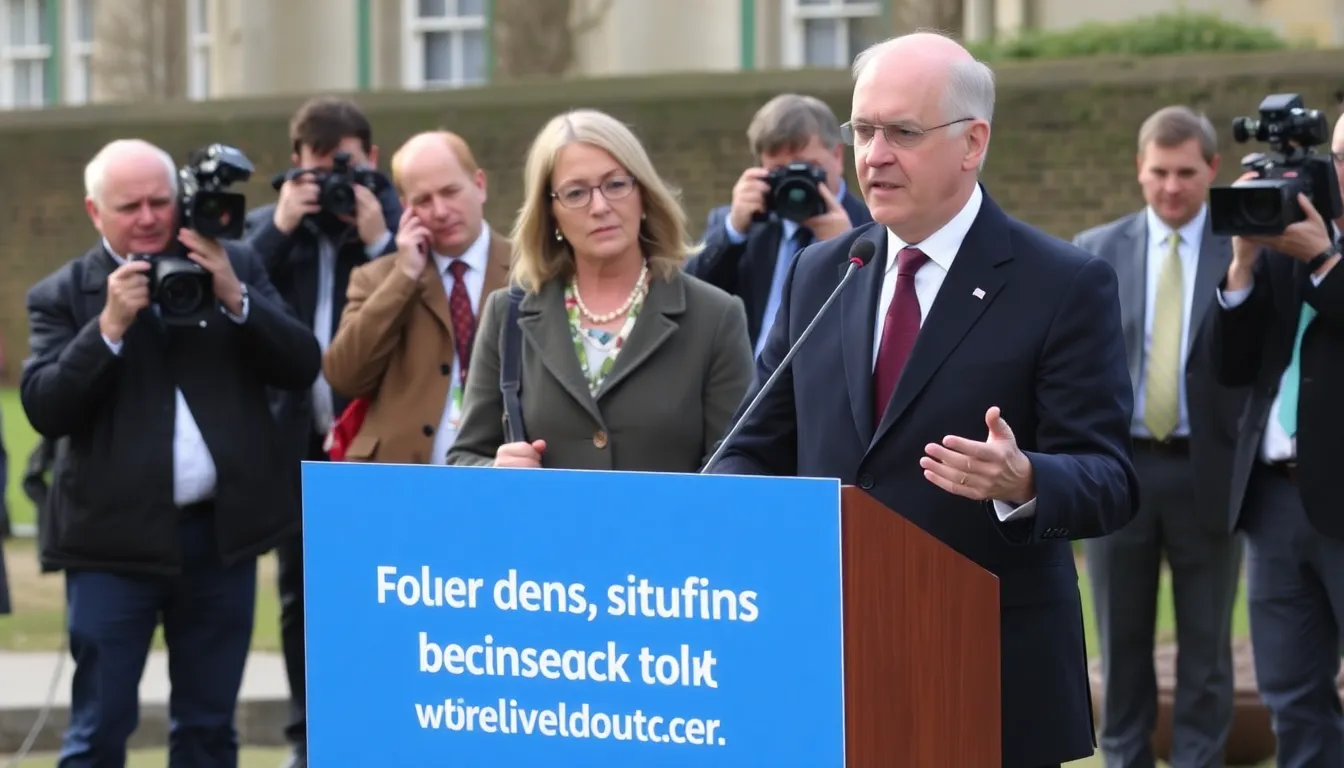
Frequently asked questions about the fuel support initiative
Key takeaways and future outlook on fuel support in Ireland
The Irish government’s recent announcement to extend fuel supports in response to public protests underscores the ongoing challenges faced by households amid rising energy costs. This decision reflects a broader commitment to address the economic pressures affecting citizens, particularly during the colder months when heating needs intensify. The measures implemented not only aim to alleviate immediate financial burdens but also signal the government’s recognition of the need for sustainable energy solutions in the long term.
As the situation evolves, stakeholders should remain vigilant regarding the effectiveness of these supports and the potential for further policy adjustments. The interplay between public sentiment, economic conditions, and government action will be crucial in shaping Ireland’s energy landscape moving forward.
- Monitor the impact of fuel supports on household budgets and overall economic stability.
- Watch for potential adjustments in government policy as public sentiment evolves.
- Consider the implications of these measures on Ireland’s long-term energy strategy and sustainability goals.
- Assess the response from various sectors, including businesses and environmental groups, regarding the fuel support initiatives.