


In October 2023, the UK government announced its support for a new initiative to reintroduce golden eagles in northern England. This program, spearheaded by conservation groups and local wildlife organizations, aims to establish a sustainable population of these raptors. For more about biodiversity initiatives, see this article. The initiative is expected to begin in early 2024, with the release of young eagles raised in captivity.
This government backing is crucial, as it highlights a growing recognition of the importance of biodiversity and the role of apex predators in ecosystems. The reintroduction of golden eagles is not only about restoring a species but also about enhancing the ecological balance in the areas they once inhabited. Local communities are being engaged in this process, fostering a sense of stewardship and awareness regarding wildlife conservation, an aspect that aligns with the efforts discussed in related policies.
As the project moves forward, researchers will monitor the eagles’ adaptation to the wild, assessing their impact on local ecosystems and the challenges they may face. The success of this initiative could serve as a model for future conservation efforts aimed at other species in decline. With the backing of the government and community support, the return of golden eagles to England represents a hopeful step toward restoring the country’s natural heritage.
Understanding the historical context of golden eagles in the UK
Golden eagles have long been a symbol of wild beauty and strength in the UK, particularly in the rugged landscapes of Scotland. Historically, these magnificent birds were widespread across the British Isles, thriving in various habitats from the highlands to the lowlands. However, by the early 20th century, their populations began to decline dramatically due to a combination of habitat loss, persecution, and changes in land use.
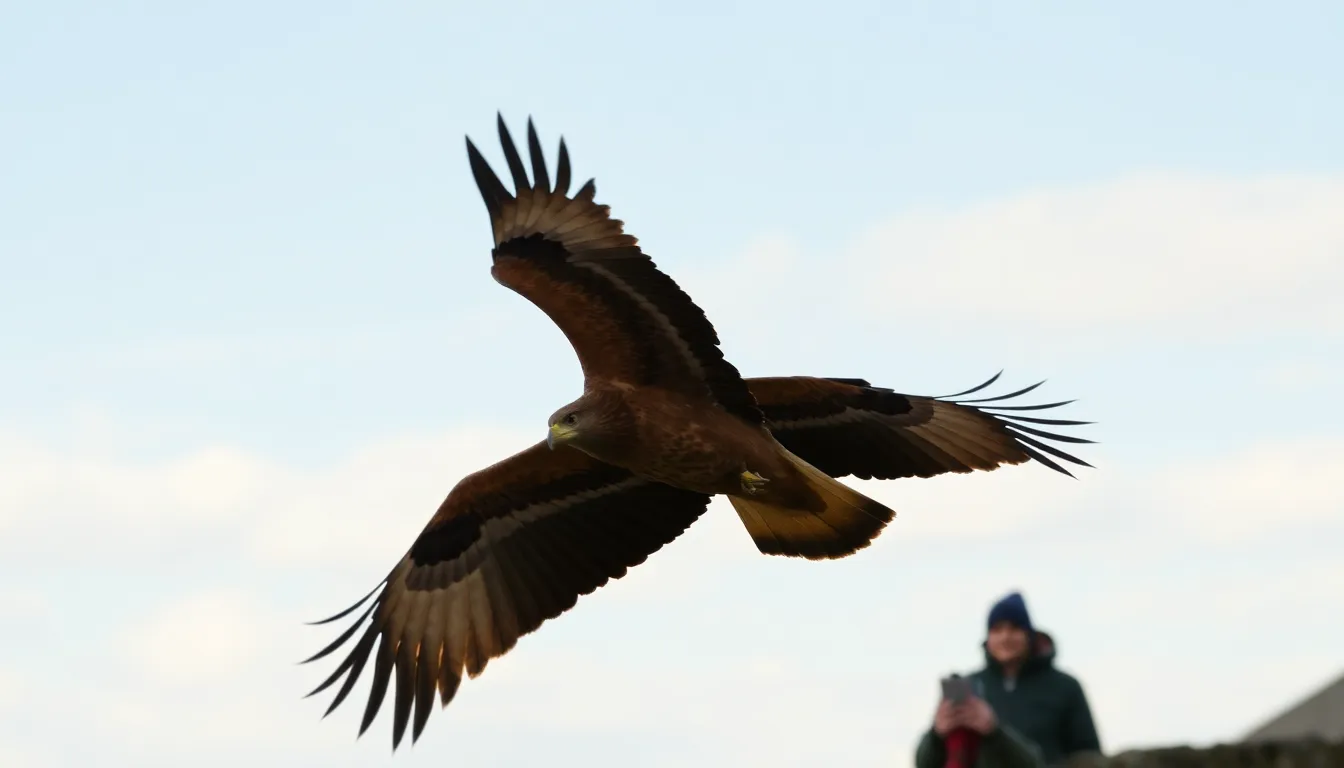
The decline of golden eagles can be traced back to the late 1800s and early 1900s when they were often viewed as threats to livestock. This perception led to widespread hunting and trapping, significantly impacting their numbers. For a deeper understanding of current conservation efforts, check this article, which explores how various industries are addressing environmental concerns.
Conservation Efforts and Legal Protection
In response to the alarming decline of golden eagles, various conservation initiatives were launched throughout the latter half of the 20th century. The introduction of legal protections in the 1980s, including the Wildlife and Countryside Act, played a crucial role in safeguarding these birds from further persecution. These measures, alongside habitat restoration efforts, have contributed to a gradual recovery of golden eagle populations in certain regions.
In recent years, there has been a growing recognition of the ecological importance of golden eagles and their role as apex predators. This shift in perspective has spurred renewed interest in reintroducing golden eagles to areas of England where they once thrived. The government’s backing for such initiatives marks a significant turning point in wildlife conservation policy, reflecting a broader societal shift towards valuing biodiversity and ecosystem health.
As plans for the reintroduction of golden eagles gain momentum, stakeholders from various sectorsincluding environmental organizations, local communities, and government agenciesare coming together to address the challenges and opportunities that lie ahead. This collaborative approach aims to ensure that the return of golden eagles to English skies is not only successful but also sustainable in the long term.
Key stakeholders involved in the golden eagle restoration
The restoration of golden eagles to English skies involves a diverse group of stakeholders, each with distinct interests and concerns. These stakeholders include government agencies, conservation organizations, local communities, and the agricultural sector. Understanding their roles and perspectives is crucial for navigating the complexities of this initiative.
Government agencies, such as the Department for Environment, Food and Rural Affairs (DEFRA), play a pivotal role in facilitating the restoration efforts. Their interest lies in promoting biodiversity and enhancing national conservation strategies. However, they face the challenge of balancing ecological goals with economic considerations, particularly in areas where agriculture and land use may be impacted by the return of golden eagles.
Conservation organizations, including the Royal Society for the Protection of Birds (RSPB), advocate for the protection and restoration of golden eagles. Their primary interest is in ensuring the successful reintroduction of the species and the preservation of its habitat. However, they must navigate potential conflicts with landowners and farmers who may perceive the eagles as a threat to livestock and game birds.
- Local communities may have mixed feelings about the reintroduction, with some viewing it as a boost to eco-tourism while others worry about the impact on farming practices.
- Agricultural stakeholders are concerned about the potential predation of livestock and the economic implications of managing land in areas where golden eagles are present.
- Legal frameworks surrounding wildlife protection and land use will play a significant role in shaping the success of the restoration efforts.
The interplay of these interests creates a complex landscape where trade-offs must be made. The government must address the concerns of farmers while also fulfilling its commitment to biodiversity. Effective communication and collaboration among stakeholders will be essential to mitigate conflicts and ensure the sustainable return of golden eagles to English skies.
The potential impact on local ecosystems and communities
The return of golden eagles to English skies is set to affect various groups, including local wildlife conservationists, farmers, and tourism operators. As apex predators, golden eagles play a crucial role in maintaining the balance of local ecosystems. Their presence can influence the population dynamics of smaller bird species and other wildlife, which may lead to shifts in biodiversity.
In the short term, communities near nesting sites may experience changes in local wildlife patterns, potentially affecting agriculture and livestock management. Farmers might need to adapt their practices to mitigate any negative interactions between golden eagles and their livestock, particularly young animals. This could lead to increased operational costs and necessitate new training for farm workers.
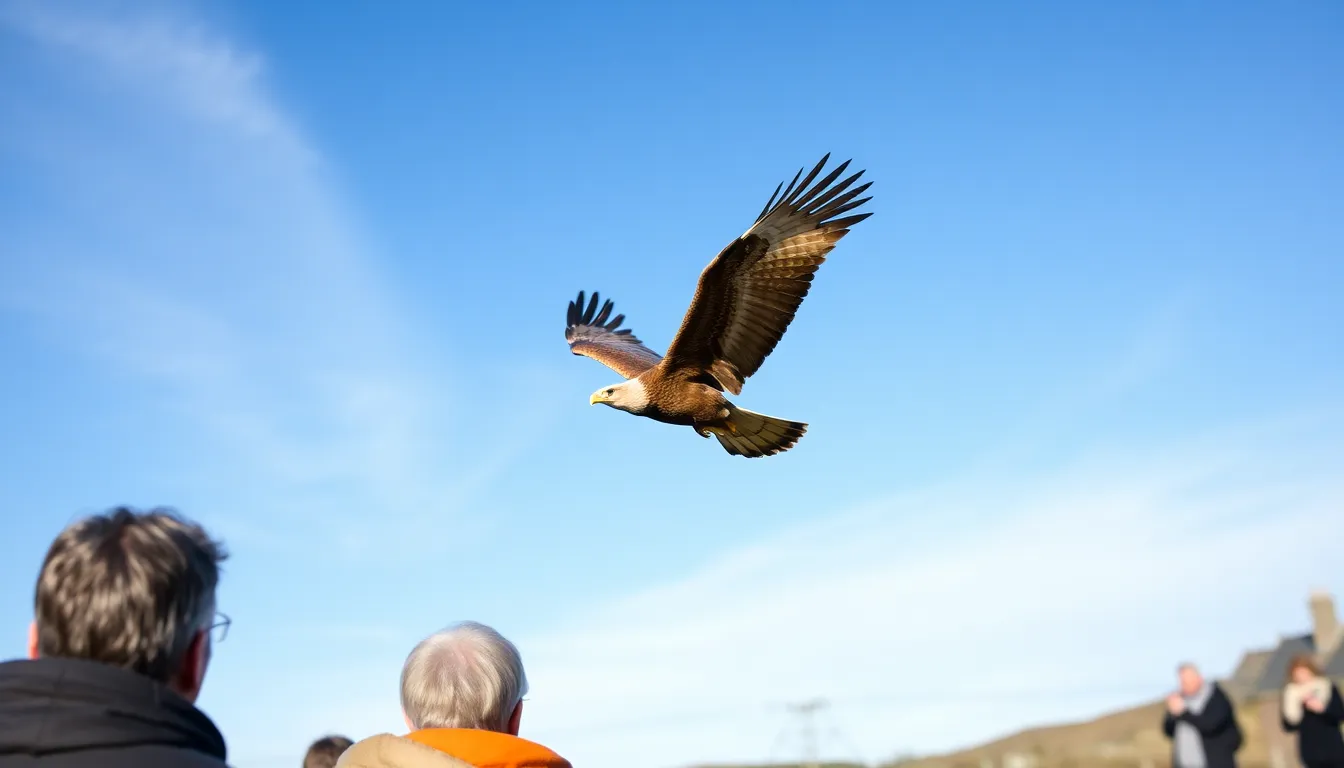
However, the mid-term impacts could present opportunities for local businesses, especially in ecotourism. As golden eagles become a symbol of natural heritage, regions that successfully integrate their conservation into local culture may see a rise in visitors. This influx could benefit local economies through increased spending in hospitality, guided tours, and educational programs.
- Wildlife Conservationists: Increased funding and support for conservation efforts.
- Agriculture: Potential challenges in livestock management.
- Tourism: Growth in ecotourism opportunities and local business revenue.
Despite the potential benefits, there are risks associated with the return of golden eagles. The reintroduction may lead to conflicts with other wildlife, particularly in areas where conservation efforts are not aligned. Additionally, local communities may face challenges in balancing the needs of the ecosystem with agricultural productivity. Policymakers will need to navigate these complexities to ensure that both wildlife and human interests are safeguarded.
A: Golden eagles are large birds of prey known for their impressive size and hunting skills. They play a crucial role in maintaining the balance of ecosystems by controlling prey populations. A: The government recognizes the ecological significance of golden eagles and aims to enhance biodiversity and restore natural habitats through this initiative. A: The restoration process will involve habitat management, monitoring of eagle populations, and collaboration with conservation organizations to ensure successful reintroduction. A: Golden eagles face challenges such as habitat loss, human interference, and food scarcity, which can hinder their successful reestablishment in the region. A: Yes, local communities are being engaged in conservation efforts, providing support and resources to help facilitate the return of golden eagles.
Frequently asked questions about golden eagles
Looking ahead: the future of golden eagles in England
The return of golden eagles to English skies marks a significant step in wildlife conservation and biodiversity efforts. With government backing, initiatives aimed at restoring their habitats and protecting their populations are set to gain momentum. This renewed focus on golden eagles not only highlights the importance of preserving natural ecosystems but also reflects a broader commitment to wildlife recovery across the UK.
As these majestic birds begin to re-establish themselves, several factors will play a crucial role in their long-term survival. Monitoring their adaptation to the environment, public engagement in conservation efforts, and ongoing research into their behavior will be essential in ensuring a sustainable future for golden eagles in England.
- Habitat Restoration: Continued efforts to restore and maintain suitable habitats will be vital for the success of golden eagle populations.
- Community Involvement: Engaging local communities in conservation initiatives can foster a sense of stewardship and support for wildlife protection.
- Research and Monitoring: Ongoing studies will be necessary to track the health and adaptability of golden eagles in their new environments.
- Policy Support: Government policies that prioritize biodiversity and habitat conservation will be crucial for the long-term viability of these birds.
- Public Awareness: Raising awareness about the ecological significance of golden eagles can enhance public support for conservation measures.