


In recent months, the photography community has seen renewed interest in Rai’s contributions, particularly following the release of a comprehensive book detailing his most significant works. This publication not only highlights his artistic journey but also serves as a critical resource for understanding the evolution of contemporary Indian photography. Critics and enthusiasts alike are engaging in discussions about his unique ability to capture the essence of Indian life.
Moreover, Rai’s influence extends beyond his photographs; he has also played a crucial role in mentoring young photographers. Many emerging artists cite him as a key inspiration, reflecting his commitment to nurturing the next generation of visual storytellers. This mentorship is vital in a rapidly changing media landscape, where the need for authentic representation is more pressing than ever.
The ongoing recognition of Raghu Rai’s work underscores the importance of photography as a medium for social commentary and cultural reflection. As India navigates complex social issues, Rai’s images serve as powerful reminders of the country’s diverse narratives. His legacy not only shapes the field of photography but also continues to resonate with audiences, encouraging a deeper understanding of India’s multifaceted identity.
The historical significance of Raghu Rai’s work
Raghu Rai, one of India’s most celebrated photographers, has played a pivotal role in documenting the social and political landscape of the nation since the 1960s. His lens has captured the essence of India, showcasing the diverse cultures, struggles, and triumphs of its people. Rai’s work has not only provided a visual narrative of the country’s evolution but has also influenced public perception and understanding of significant events in Indian history.
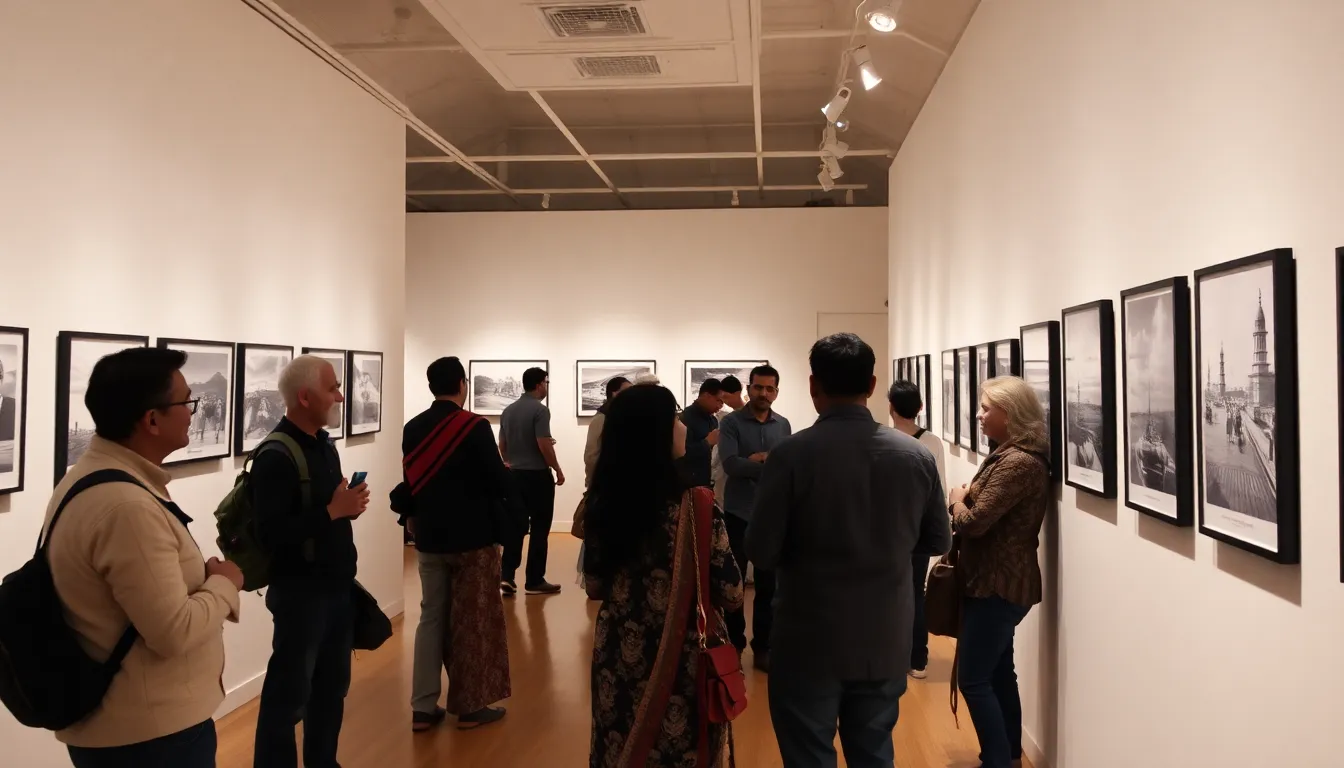
Emerging during a period marked by political upheaval and social change, Rai’s photography became a powerful tool for storytelling. The Emergency period in India (1975-1977), a time of political repression, saw Rai documenting the harsh realities faced by ordinary citizens. His images served as a stark reminder of the need for democracy and human rights, resonating with both national and international audiences.
In addition to his political commentary, Rai’s work has highlighted the economic disparities and social issues prevalent in India. Through his poignant photographs, he has brought attention to the lives of marginalized communities, shedding light on their struggles and resilience. This focus on social justice has made his work relevant in discussions about poverty, inequality, and the quest for a more equitable society.
Key milestones in Raghu Rai’s career
Throughout his illustrious career, Raghu Rai has received numerous accolades and recognition for his contributions to photography and journalism. His first major assignment was for the magazine ‘The Illustrated Weekly of India,’ where he began to develop his unique style. In 1971, he won the World Press Photo Award, which catapulted him onto the global stage. Rai’s exhibitions, such as “Raghu Rai: The Eye of India,” have further solidified his legacy, allowing audiences to engage with his powerful imagery and narratives.
Rai’s work continues to inspire new generations of photographers and activists, reminding them of the importance of visual storytelling in advocating for social change. As India navigates its complex identity in a rapidly globalizing world, the significance of Rai’s contributions remains as relevant as ever, urging society to reflect on its past while envisioning a more inclusive future.
Key themes and subjects in Raghu Rai’s photography
Raghu Rai, an iconic figure in Indian photography, has played a pivotal role in shaping the visual narrative of India. His work spans several decades, during which he has captured the essence of the country’s social, political, and cultural landscapes. Key stakeholders in this narrative include photographers, art institutions, media organizations, and the Indian public, each with their own interests and perspectives on Rai’s contributions.
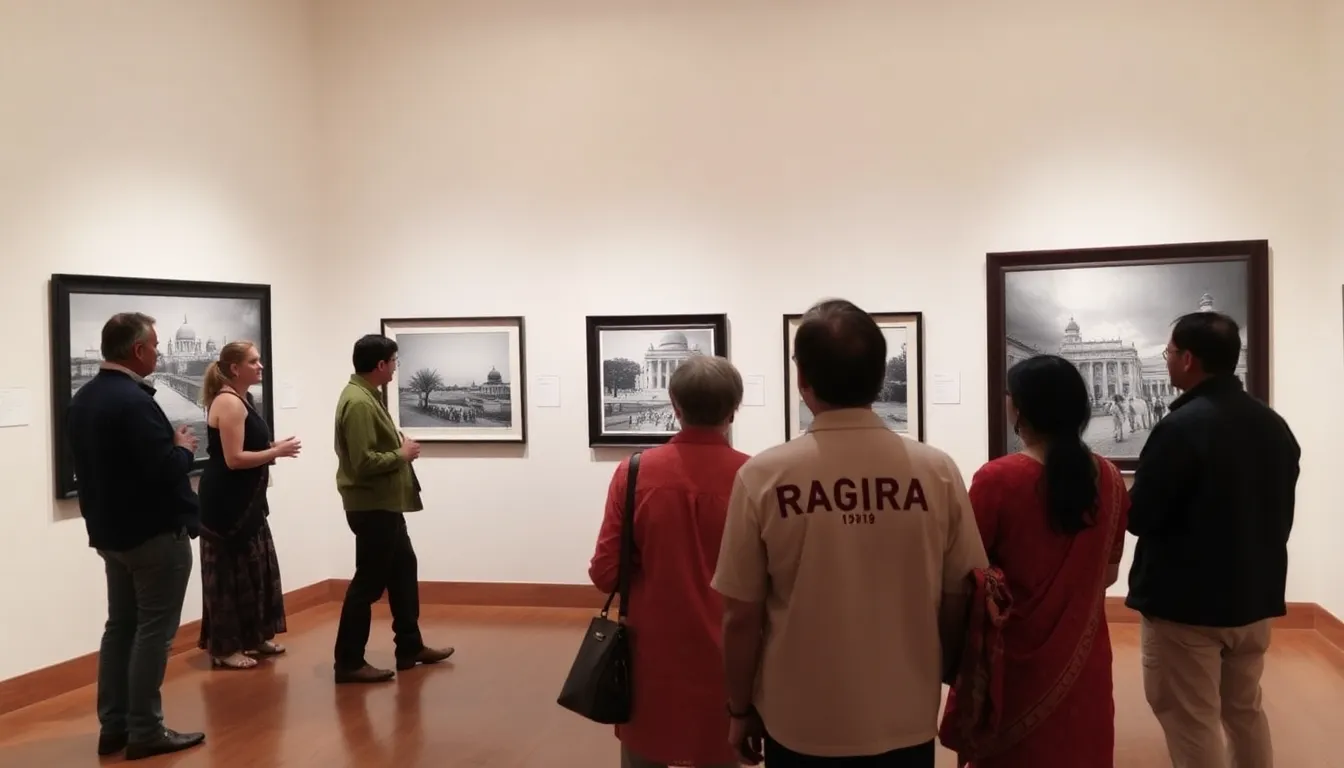
One of the primary actors in this landscape is the Indian government, which often seeks to promote a certain image of the nation both domestically and internationally. Rai’s photography, with its raw and unfiltered portrayal of life in India, sometimes contrasts with the government’s narrative, leading to tensions over representation and censorship. This conflict highlights the trade-off between artistic freedom and governmental control over public perception.
Additionally, art institutions and galleries have a vested interest in showcasing Rai’s work, as it not only enriches their collections but also attracts audiences interested in contemporary Indian art. However, the commercialization of art can lead to ethical dilemmas, where the essence of Rai’s message may be diluted for profit. This raises questions about the balance between artistic integrity and market demands.
- Public Interest: The Indian public is a crucial stakeholder, as Rai’s photography resonates with their experiences and emotions, often sparking discussions about identity and society.
- Media Representation: Media organizations utilize Rai’s images to convey powerful narratives, but this can lead to conflicts over interpretation and ownership of the visual story.
- Global Perspective: International audiences and critics also play a role in how Rai’s work is perceived, influencing the global understanding of Indian culture.
Through these interactions, the analysis of Rai’s work reveals underlying tensions between artistic expression, societal narratives, and the economic factors that shape the art world. Understanding these dynamics allows for a deeper appreciation of the impact of photography as a medium for social commentary and change in India.
The impact of Raghu Rai’s photography on society
Raghu Rai’s work has profoundly influenced various groups and industries across India. His photography not only resonated with art enthusiasts and photographers but also impacted social activists, historians, and policymakers. By capturing the essence of Indian culture and the struggles of its people, Rai’s images have served as a powerful medium for storytelling and advocacy.
In the short term, the immediate impact of Rai’s photography can be seen in the heightened awareness of social issues among the general public. His images have often sparked conversations around poverty, inequality, and cultural identity, prompting individuals and organizations to engage more deeply with these topics. This awareness can lead to increased activism and community engagement, particularly among youth and social organizations.
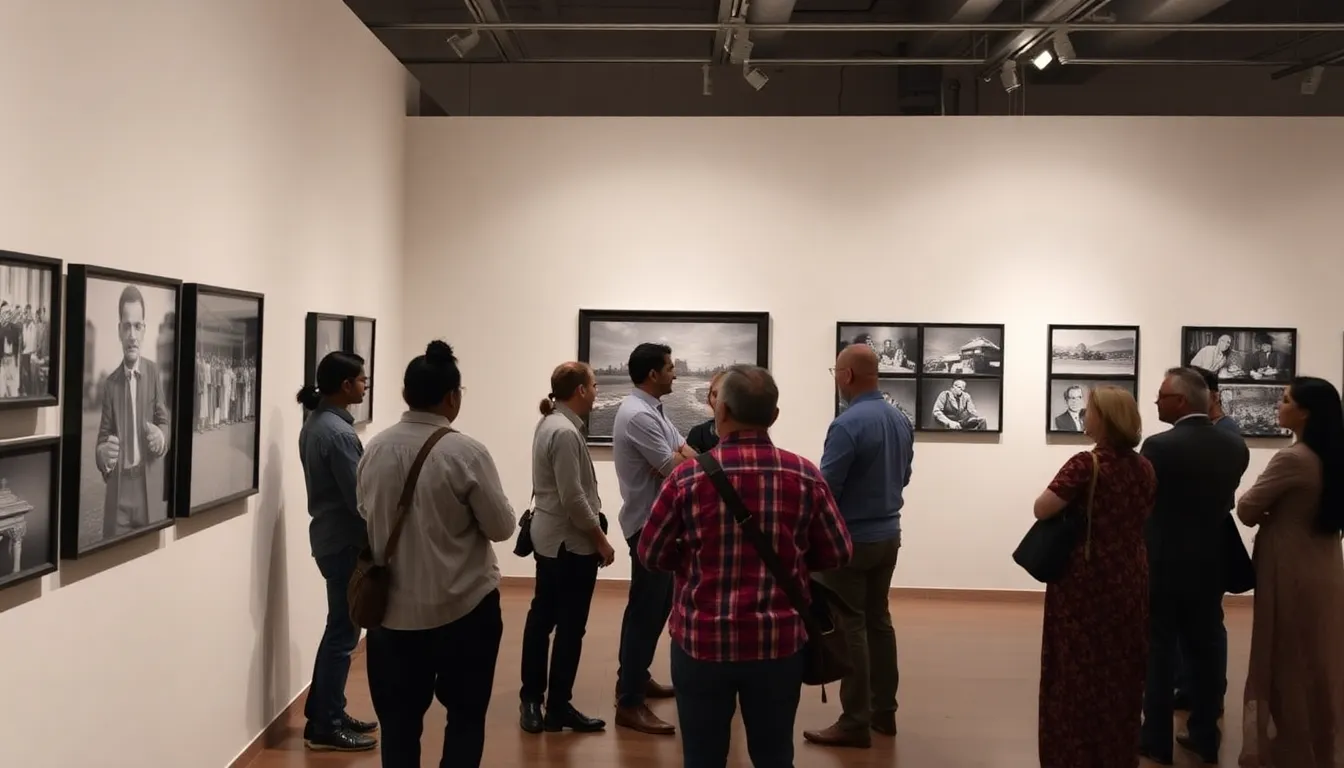
In the mid-term, businesses in the arts and tourism sectors may experience a boost as interest in Rai’s work leads to exhibitions and retrospectives. Art galleries, museums, and cultural institutions may see increased foot traffic and engagement, creating opportunities for local economies. Additionally, educational institutions may incorporate his work into their curricula, fostering a new generation of photographers and storytellers.
- Increased awareness: Social issues highlighted by Rai’s work can lead to greater public discourse.
- Boost to the arts: Galleries and exhibitions may thrive due to renewed interest in his photography.
- Educational opportunities: His work can inspire new programs in photography and social studies.
However, there are also risks associated with the potential commercialization of Rai’s legacy. As his work gains popularity, there is a danger that its original intent may be diluted or misrepresented. It is crucial for stakeholders to ensure that the core messages of social justice and cultural representation remain intact, even as new opportunities arise.
A: Raghu Rai is best known for his powerful documentary photography that captures the essence of India and its people. His work often highlights social issues and cultural diversity. A: Raghu Rai’s innovative approach to storytelling through images has inspired countless photographers. His ability to convey emotion and narrative has set a benchmark in the field. A: Common themes in Raghu Rai’s work include social justice, human emotion, and the everyday lives of people in India. He often focuses on marginalized communities. A: Yes, Raghu Rai has received numerous awards for his contributions to photography, including the Padma Shri, one of India’s highest civilian honors. A: Raghu Rai’s photography can be viewed in various exhibitions, galleries, and books dedicated to his work. Many of his photographs are also available online.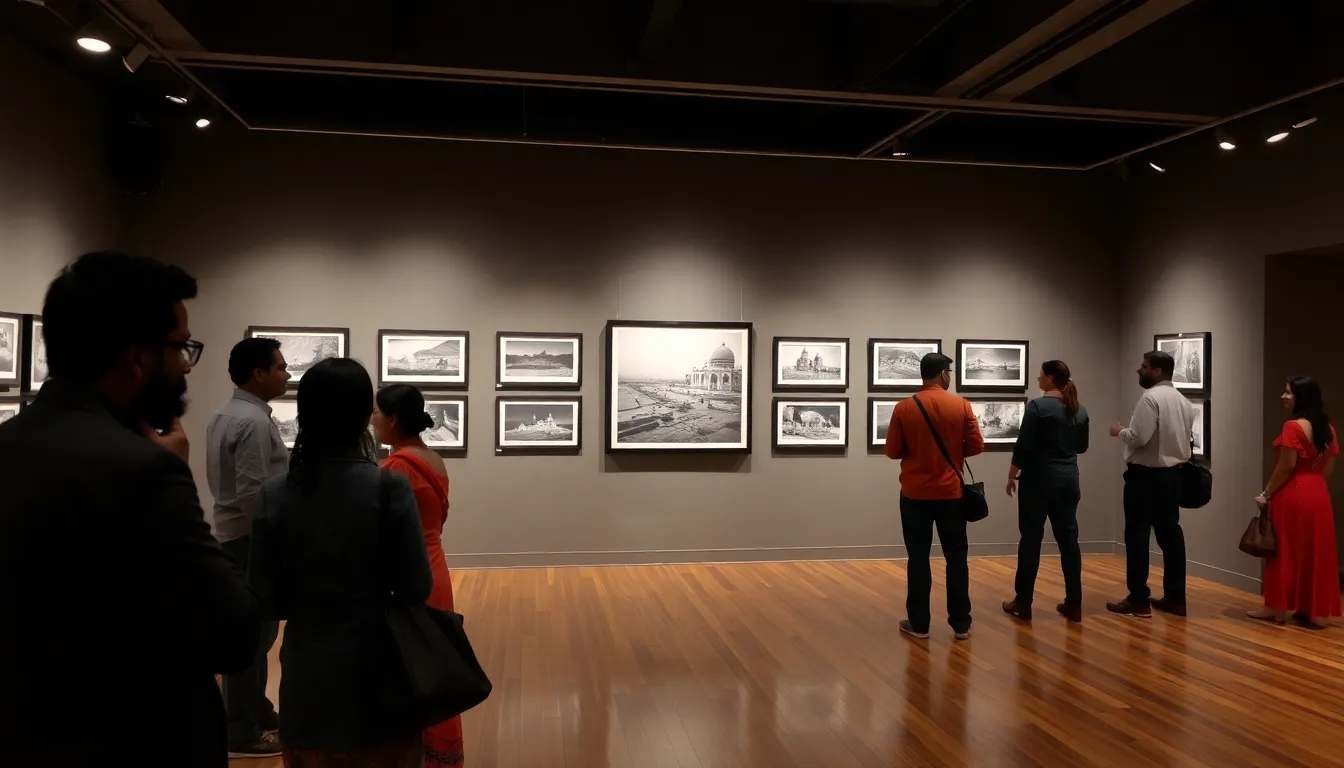
Frequently asked questions about Raghu Rai
Key takeaways and future outlook on Raghu Rai’s legacy
Raghu Rai’s work transcends mere photography; it serves as a profound commentary on the social, cultural, and political fabric of India. His lens captured not just moments but also the essence of a nation grappling with its identity. As we reflect on his contributions, it is essential to recognize how his storytelling through images has the power to inspire future generations of photographers and storytellers.
Looking ahead, Rai’s legacy prompts a deeper exploration of visual narratives in contemporary India. As society evolves, so too does the role of photography in documenting change and fostering dialogue. The impact of Rai’s work invites us to consider the responsibilities of today’s photographers in portraying the complexities of modern life.
- Emphasize the importance of visual storytelling in understanding cultural and social dynamics.
- Encourage emerging photographers to draw inspiration from Rai’s commitment to authenticity and empathy.
- Monitor how evolving technology influences the way stories are told and shared in the photographic community.
- Consider the role of photography in social activism and its potential to drive change.
- Reflect on the need for diverse perspectives in visual narratives to truly represent the multiplicity of Indian experiences.