


In response to these challenges, many Iranian activists have turned to Starlink, a satellite internet service provided by SpaceX. Launched in 2020, Starlink has gained attention for its ability to offer high-speed internet access in areas with limited infrastructure or government censorship.
The use of Starlink is particularly significant as it enables activists to share real-time updates, mobilize supporters, and document human rights abuses. Since its introduction in Iran, there has been a notable increase in the dissemination of information regarding protests and government actions, highlighting the crucial role of technology in modern activism. This shift underscores the ongoing struggle for freedom of expression in a country where traditional communication channels are often compromised.
Despite the benefits, access to Starlink is not without challenges. The high cost of equipment and service fees can be prohibitive for many activists. Additionally, the Iranian government has been known to target individuals using satellite internet, raising concerns about surveillance and potential repercussions for those who rely on these technologies to stay connected.
Background on Internet Censorship in Iran
Since the early 2000s, internet censorship has been a significant issue in Iran, driven by the government’s desire to control information and suppress dissent. The Iranian authorities have implemented a range of measures to restrict access to foreign websites, social media platforms, and independent news outlets. This censorship intensified following the 2009 presidential election protests, where social media played a crucial role in mobilizing opposition and disseminating information about the government’s crackdown, much like the activism seen today with Starlink.
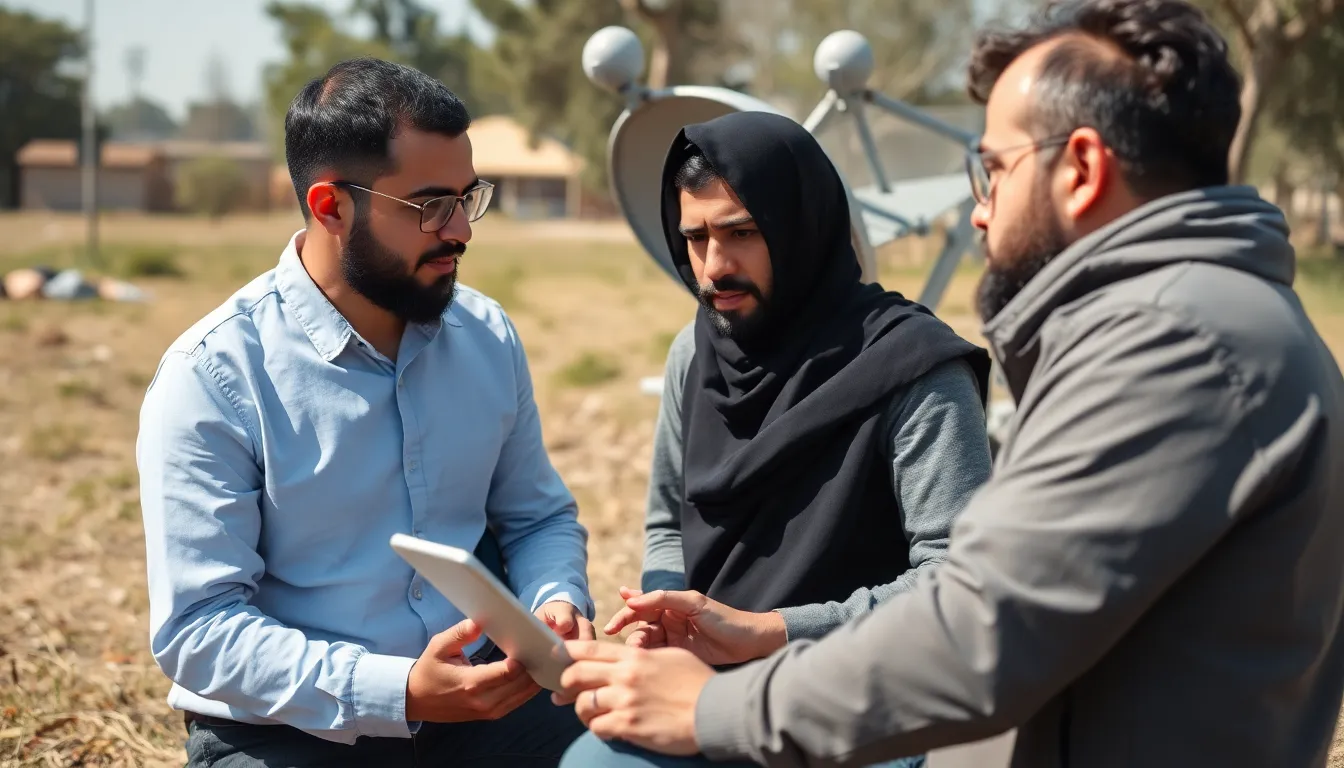
In response to growing unrest and the need to maintain control over public discourse, the Iranian government has developed a sophisticated system of internet surveillance and filtering. Key platforms like Facebook, Twitter, and YouTube have been blocked, while the state has invested in creating a national intranet to limit citizens’ access to the global internet. This has resulted in a fragmented digital landscape where access to information is heavily monitored and restricted.
The Role of Activism in the Digital Age
Despite these challenges, Iranian activists have found innovative ways to circumvent censorship. The rise of VPNs (Virtual Private Networks) and other anonymizing technologies allowed many to access blocked content and communicate securely. However, as the government has become more adept at identifying and blocking these tools, the need for alternative solutions has become increasingly urgent.
The introduction of Starlink, a satellite internet service developed by SpaceX, has emerged as a potential game-changer for activists in Iran. With its ability to provide high-speed internet access independent of local infrastructure, Starlink offers a lifeline for those seeking to bypass government restrictions and share information with the outside world.
Key milestones in this ongoing struggle include the widespread protests following the death of Mahsa Amini in 2022, which saw a surge in online activism and a renewed focus on circumventing censorship. As activists continue to push for greater freedom and transparency, the role of technologies like Starlink will likely become increasingly critical in their efforts to stay connected and informed.
Key Stakeholders and Issues Surrounding Starlink Use
In the context of activists in Iran utilizing Starlink for internet access, several key stakeholders play significant roles. These include the Iranian government, various activist groups, technology companies like SpaceX, and international human rights organizations. Each of these actors has distinct interests that can lead to conflicts and trade-offs.
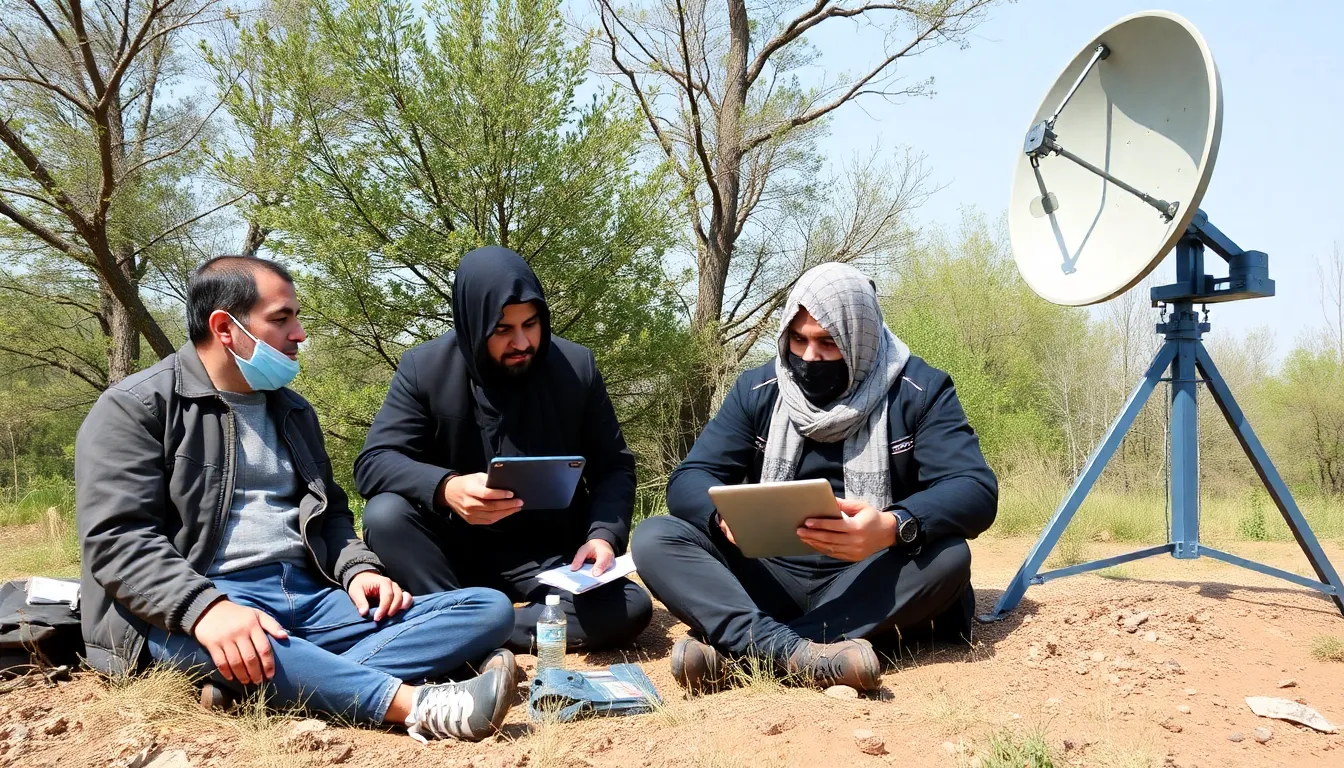
The Iranian government is primarily concerned with maintaining control over information and suppressing dissent. The use of Starlink, a satellite internet service, poses a challenge to this control, as it enables users to bypass government censorship and access uncensored information. This creates a direct conflict between the government’s desire for control and the activists’ need for free communication.
Activist groups in Iran, including those advocating for human rights and democratic reforms, are leveraging Starlink to organize protests and share information with the outside world. Their interest lies in maintaining access to reliable communication tools that can help amplify their voices. However, this reliance on foreign technology also raises concerns about security and the potential for government surveillance.
- Government Surveillance: The Iranian government may seek to monitor Starlink usage to identify and target activists.
- Legal Implications: The use of Starlink could lead to legal repercussions for users under Iranian law, which strictly regulates internet access.
- International Relations: The involvement of a foreign company like SpaceX in Iran’s internet landscape could strain diplomatic relations.
- Economic Factors: The cost of accessing Starlink may limit its use to wealthier activists, potentially creating inequalities within the movement.
International human rights organizations are also key stakeholders, as they advocate for the protection of activists and the promotion of free speech. Their interest in the situation may lead to increased pressure on the Iranian government to respect human rights, but it may also complicate the geopolitical landscape as nations respond to the use of foreign technology in domestic protests.
Impact of Starlink on Activism and Communication
The introduction of Starlink in Iran has significantly affected various groups, particularly activists, journalists, and ordinary citizens seeking to communicate freely. These individuals, often operating under oppressive regimes, rely on satellite internet to bypass government censorship and surveillance. The ability to maintain connectivity is crucial for organizing protests, sharing information, and raising awareness about human rights abuses.
In the short term, the immediate impact of Starlink is the enhancement of communication channels for those in Iran. Activists can disseminate information more effectively, allowing for quicker mobilization and coordination of efforts. This connectivity can lead to a more informed populace, as citizens gain access to unfiltered news and global perspectives. However, this also poses risks, as the Iranian government may intensify its crackdown on dissent, employing more sophisticated monitoring technologies to track online activities.
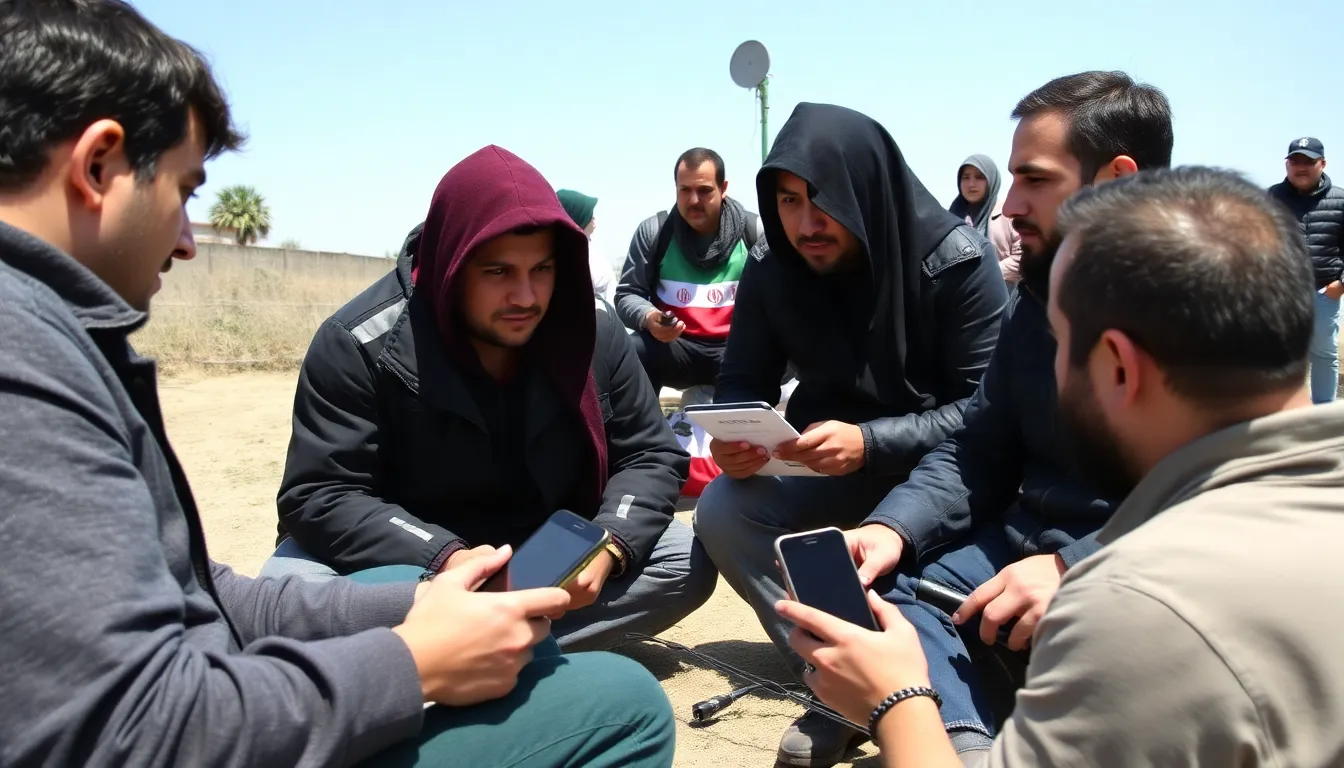
In the mid-term, the presence of Starlink could influence various industries, particularly media and telecommunications. Local media outlets may find new opportunities for collaboration with international organizations, while tech companies could explore partnerships to provide additional services. However, the increased connectivity may also prompt the government to implement stricter regulations and censorship measures, impacting the overall business environment.
- Activists: Enhanced communication capabilities for organizing and mobilizing.
- Media: Opportunities for collaboration and access to global news.
- Government: Potential for increased surveillance and censorship efforts.
- Citizens: Greater access to information but heightened risks of government reprisals.
Overall, while Starlink presents a powerful tool for fostering communication and activism, it also brings significant risks that could alter the landscape of civil society in Iran. The balance between opportunity and danger will shape the future of activism and the broader socio-political environment in the region.
A: Starlink provides satellite internet access that bypasses traditional infrastructure, allowing users to connect to the internet even in heavily restricted areas. A: Yes, using Starlink can expose activists to government surveillance and potential repercussions, as the Iranian government monitors internet activity closely. A: Activists can obtain Starlink equipment through international channels, although this may involve risks and challenges due to import restrictions. A: Starlink allows for reliable and uncensored communication, enabling activists to organize, share information, and connect with the outside world. A: The legality of using Starlink in Iran is ambiguous, as the government has not officially authorized its use, making it a gray area for users.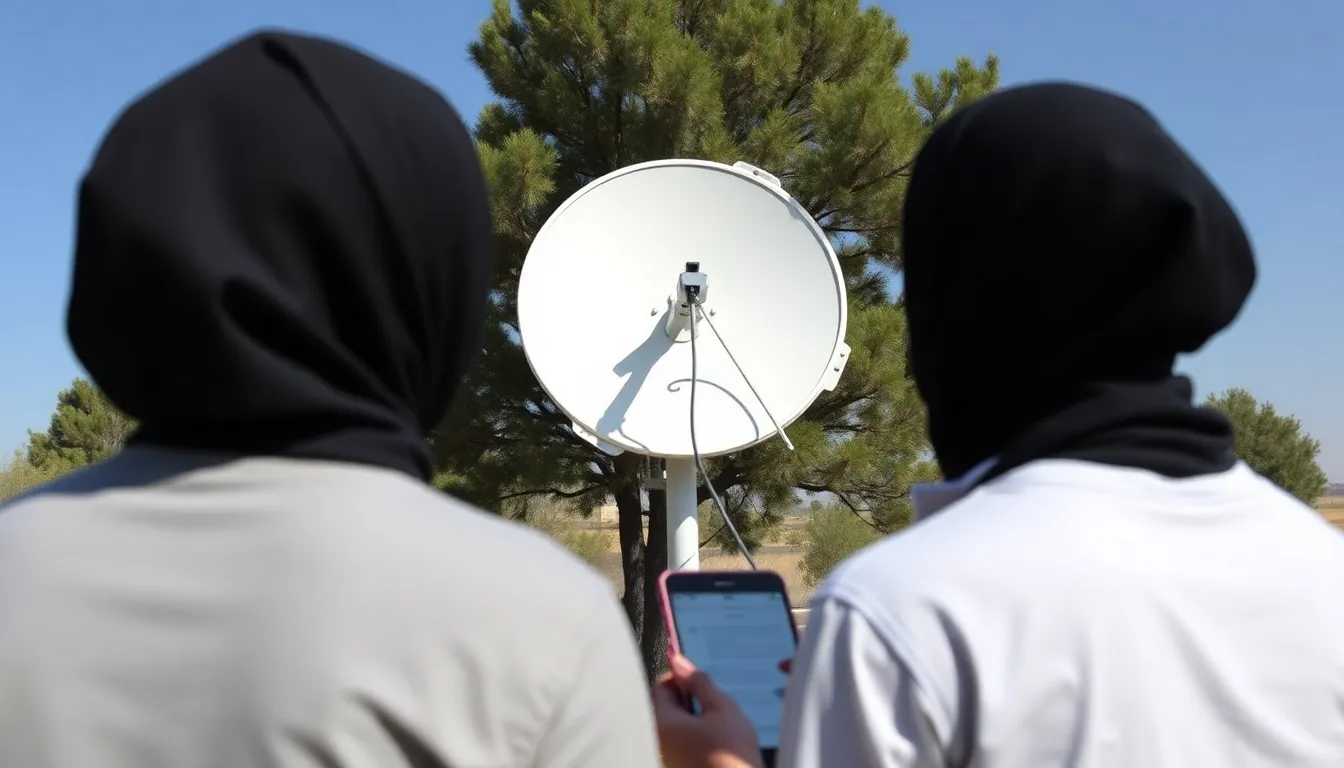
Frequently Asked Questions about Starlink in Iran
Insights on the Future of Activism and Connectivity in Iran
The use of Starlink by activists in Iran highlights a significant shift in how technology can empower individuals in oppressive regimes. With reliable internet access, these activists are not only able to communicate more effectively but also to organize and mobilize support both locally and internationally. This development raises questions about the future of digital connectivity in authoritarian contexts and the potential for technology to serve as a tool for social change.
As the situation evolves, it will be crucial to observe how the Iranian government responds to these new methods of communication. The resilience of activists in utilizing satellite internet could inspire similar movements in other regions facing censorship and repression. The implications extend beyond Iran, indicating a growing trend where technology serves as a lifeline for free expression and advocacy.
- Monitor how the Iranian government adapts its censorship tactics in response to satellite internet access.
- Watch for potential international collaborations that may emerge to support activists in Iran and similar contexts.
- Consider the role of private technology companies in facilitating activism and the ethical implications of their involvement.
- Evaluate the impact of improved connectivity on the organization and effectiveness of grassroots movements.
- Stay alert to the potential for technological innovations to create new avenues for activism in repressive environments worldwide.