


The astronauts, part of a multinational team, were aboard the ISS when the medical emergency arose. NASA, in collaboration with international space agencies, quickly coordinated the evacuation, demonstrating the importance of rapid response protocols in space missions. The decision to bring the crew back was made after thorough consultations with medical experts.
Upon their return, the astronauts were met by recovery teams who ensured their safe extraction from the capsule. This incident highlights the inherent risks associated with long-duration space missions and underscores the need for robust medical support systems in orbit. The situation has raised discussions around the health monitoring of astronauts during their time in space.
As investigations into the medical incident continue, experts are analyzing the implications for future missions. The event serves as a reminder of the unpredictable nature of space travel and the critical importance of preparedness in addressing emergencies that may arise beyond Earth’s atmosphere.
Understanding the circumstances leading to the evacuation
The recent medical evacuation of astronauts from the International Space Station (ISS) marks a significant event in the history of space exploration. Established in 1998, the ISS has been a collaborative effort involving multiple countries, primarily the United States and Russia, aimed at advancing scientific research and international cooperation in space. However, the complexities of human spaceflight come with inherent risks, necessitating protocols for medical emergencies.

Historically, space missions have faced various challenges, from technical malfunctions to health-related issues among crew members. The first notable evacuation occurred in 1985 when two cosmonauts were forced to return to Earth due to a medical emergency aboard the Soviet space station Salyut 7. This incident highlighted the need for robust medical protocols and rapid response capabilities in space missions.
In recent years, the frequency of crewed missions to the ISS has increased, leading to a greater understanding of the health risks associated with long-term space travel. Astronauts are exposed to microgravity, which can lead to a range of health issues, including muscle atrophy and bone density loss. Moreover, the psychological effects of isolation and confinement in space can exacerbate pre-existing medical conditions, making it crucial for space agencies to have contingency plans in place.
Recent Developments in Space Medicine
The field of space medicine has evolved significantly, with agencies like NASA and the European Space Agency investing in research to ensure the health and safety of astronauts. Advances in telemedicine, diagnostic tools, and emergency protocols have improved the ability to manage medical emergencies in space. The recent evacuation underscores the importance of these developments, as it demonstrates the effectiveness of international collaboration and preparedness in addressing unexpected health crises during missions.
Key stakeholders and implications of the medical evacuation
The recent medical evacuation of astronauts from the International Space Station (ISS) has highlighted several key stakeholders involved in space exploration and their respective interests. The primary actors include national space agencies, private aerospace companies, medical professionals, and the astronauts themselves. Each of these groups plays a crucial role in the successful operation and safety of missions in low Earth orbit.
National space agencies, such as NASA and Roscosmos, are primarily concerned with the safety of their astronauts and the integrity of their missions. The evacuation underscores the importance of having robust contingency plans in place for medical emergencies in space. Additionally, these agencies must navigate the complexities of international cooperation, as the ISS is a collaborative effort involving multiple countries.
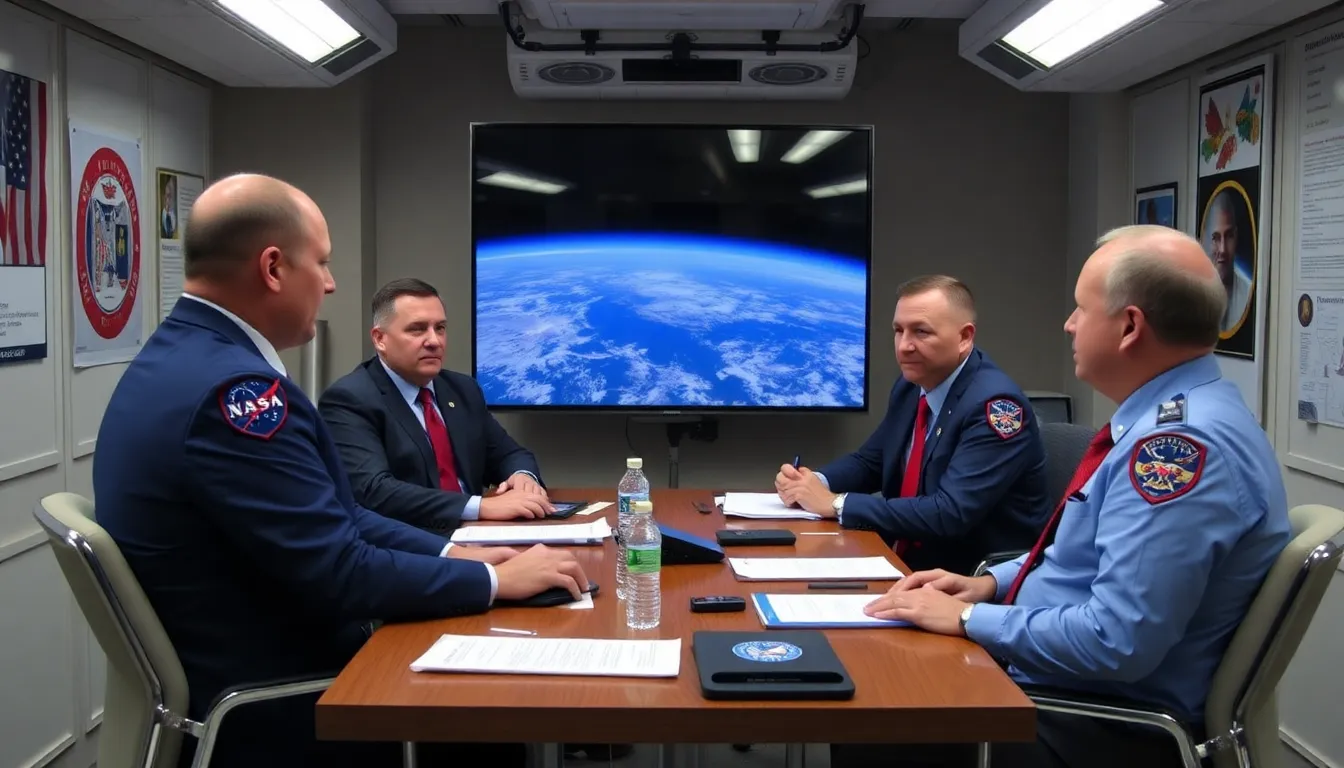
Private aerospace companies, like SpaceX and Boeing, are also key stakeholders in this scenario. Their interests lie in the successful transportation of astronauts and cargo to and from the ISS. The evacuation incident may raise questions regarding the reliability of their spacecraft and the protocols in place for handling medical emergencies. This could impact future contracts and the overall trust in commercial spaceflight.
Medical professionals and researchers involved in space medicine have a vested interest in understanding the health implications of long-duration spaceflight. The incident provides valuable data on the effects of space travel on human health and the necessary medical interventions that may be required. This knowledge is crucial for planning future missions to the Moon, Mars, and beyond, reinforcing the significance of NASA’s Moon mission.
- Safety Protocols: The need for enhanced safety protocols for astronauts during missions.
- International Cooperation: The implications for international collaboration in space exploration.
- Commercial Spaceflight: The potential impact on the commercial space industry and its stakeholders.
- Health Research: The importance of ongoing research in space medicine and health management.
- Public Perception: How public perception of space travel may change following such incidents.
Effects on space missions and future astronaut health
The recent medical evacuation of astronauts from the International Space Station (ISS) has significant implications for multiple stakeholders, including space agencies, the scientific community, and private space companies. This incident raises concerns about the health and safety protocols in place for astronauts, potentially impacting future missions and the overall perception of space travel.
One of the most immediate effects is on the astronauts themselves and their families, who experience heightened anxiety regarding the risks associated with long-duration space missions. Additionally, the incident may influence public sentiment towards space exploration, affecting funding and support from government and private sectors. The health risks faced by astronauts could lead to stricter regulations and more rigorous health assessments in the selection process.

From a business perspective, industries involved in space travel, such as aerospace engineering and medical technology, may see both risks and opportunities. The need for improved medical support systems in space could spur innovation, leading to advancements in telemedicine and remote health monitoring technologies. These developments could benefit not only astronauts but also the broader healthcare industry on Earth.
- Increased investment in astronaut health and safety protocols.
- Potential delays in upcoming space missions as agencies reassess risk factors.
- Opportunities for innovation in medical technologies for space and terrestrial applications.
- Enhanced training programs for astronauts focusing on health management.
In the mid-term, the incident may lead to a shift in policy regarding international cooperation in space missions. Countries may collaborate more closely to share knowledge and resources related to astronaut health, thereby creating a more robust framework for future missions. This collaboration could also foster a sense of global unity in the pursuit of space exploration, despite the challenges posed by health risks.
A: The medical evacuation was prompted by a health issue that required immediate attention, ensuring the astronaut’s safety. A: The evacuation involved a coordinated effort between the International Space Station crew and mission control, utilizing a spacecraft for the safe return. A: Upon return, astronauts undergo medical evaluations and recovery processes to ensure their well-being and readiness for future missions. A: Yes, this incident may lead to revised protocols for astronaut health monitoring and emergency procedures during missions. A: Medical evacuations are rare but are taken seriously, with protocols in place to address any health emergencies that may arise.
Frequently asked questions about the evacuation and recovery
Looking ahead: insights on astronaut safety and space missions
The recent medical evacuation of astronauts from the International Space Station underscores the critical importance of safety protocols in space exploration. As agencies continue to push the boundaries of human presence beyond Earth, the challenges of health management in microgravity environments become increasingly prominent. This incident not only highlights the resilience of the astronauts involved but also serves as a reminder of the need for robust contingency plans in future missions.
Moving forward, the implications of this event will likely influence training, technology development, and international collaboration in space missions. Ensuring the well-being of astronauts must remain a top priority as we venture into deeper space exploration, including potential missions to the Moon and Mars.
- Enhanced medical training for astronauts to prepare for emergencies in space.
- Development of advanced telemedicine technologies to monitor astronaut health remotely.
- Increased collaboration among international space agencies to share best practices in astronaut safety.
- Regular reviews and updates of safety protocols based on real-time mission experiences.
- Investment in research on the long-term effects of microgravity on human health to inform future mission planning.