


The U.S. Agency for International Development (USAID) has indicated that the cuts will primarily affect funding for programs focused on combating diseases such as HIV/AIDS, malaria, and tuberculosis. These programs have historically relied heavily on U.S. support, raising concerns about the potential impact on public health outcomes in affected regions.
Critics of the policy argue that tying aid to funding pledges could disproportionately affect low-income countries that struggle to allocate sufficient resources for healthcare. For instance, nations like Malawi and Mozambique, which have been heavily reliant on external funding, may face severe challenges in sustaining health services amid these changes. Such dynamics raise questions similar to those noted in Meta’s recent decisions that impact unintended beneficiaries.
The move has sparked a debate among policymakers and health advocates about the ethical implications of conditional aid. Supporters claim it promotes accountability and encourages African governments to invest more in their health sectors, while opponents warn it could lead to increased morbidity and mortality rates if funding is not adequately replaced.
As this policy unfolds, stakeholders are closely monitoring its effects on health initiatives across Africa, with a particular focus on how governments will respond to the challenge of increasing domestic funding for healthcare amidst ongoing economic pressures.
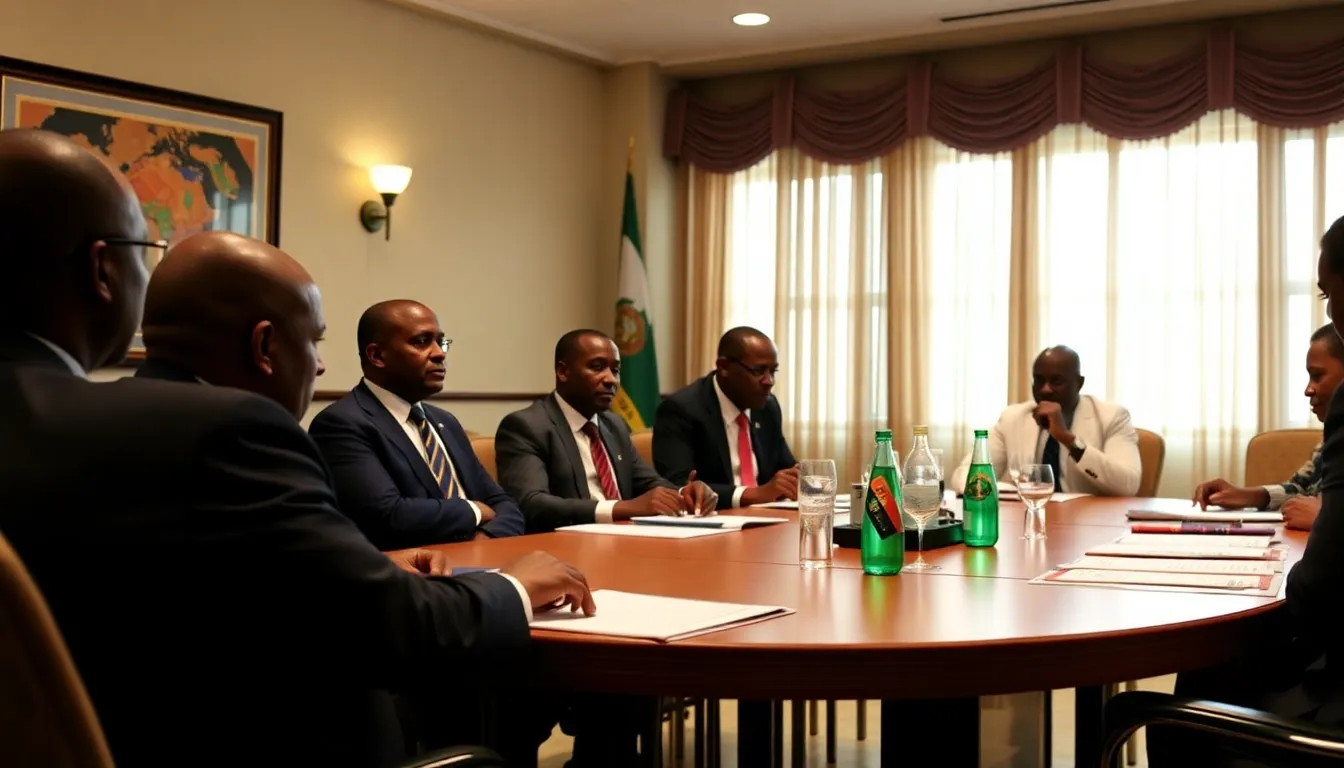
Understanding the Background of U.S. Health Aid Policies
The United States has long been a significant provider of health aid to African nations, driven by both humanitarian concerns and strategic interests. This assistance has been critical in addressing health crises, such as the HIV/AIDS epidemic, malaria, and more recently, the COVID-19 pandemic. Over the decades, U.S. health aid has evolved from a purely charitable model to one increasingly tied to political and economic conditions, reflecting broader shifts in U.S. foreign policy, which is arguably influenced by trends seen in global initiatives.
Historically, the U.S. began to increase its health aid to Africa in the late 20th century, particularly during the 1990s with initiatives like the President’s Emergency Plan for AIDS Relief (PEPFAR). This program marked a significant milestone, as it not only provided funding but also established a framework for accountability and results in health outcomes. However, the reliance on U.S. aid has often led to tensions regarding sovereignty and governance in recipient countries, as aid is sometimes contingent upon adherence to specific political or economic reforms.
The Shift to Conditional Aid
In recent years, the U.S. has shifted its approach to health aid, increasingly tying financial support to commitments from African governments to improve governance and economic management. This change reflects a growing belief among U.S. policymakers that aid should promote self-sufficiency and accountability. The rationale is that by linking aid to specific reforms, the U.S. can foster more sustainable health systems that are less dependent on external assistance in the long term.
This shift has sparked debate among experts and policymakers. Critics argue that such conditionality can undermine the effectiveness of aid by prioritizing political agendas over urgent health needs. Supporters, however, contend that it encourages African governments to take ownership of their health systems and invest in their own resources. As the U.S. navigates these complex dynamics, the future of health aid in Africa remains uncertain, with potential implications for millions who rely on these essential services.
Key Stakeholders and Issues Surrounding the Aid Cuts
The recent decision by the U.S. government to cut health aid to African nations while tying future funding to specific pledges from these governments has drawn attention from various stakeholders. The primary actors involved include the U.S. government, African governments, international health organizations, and non-governmental organizations (NGOs) operating within the region.
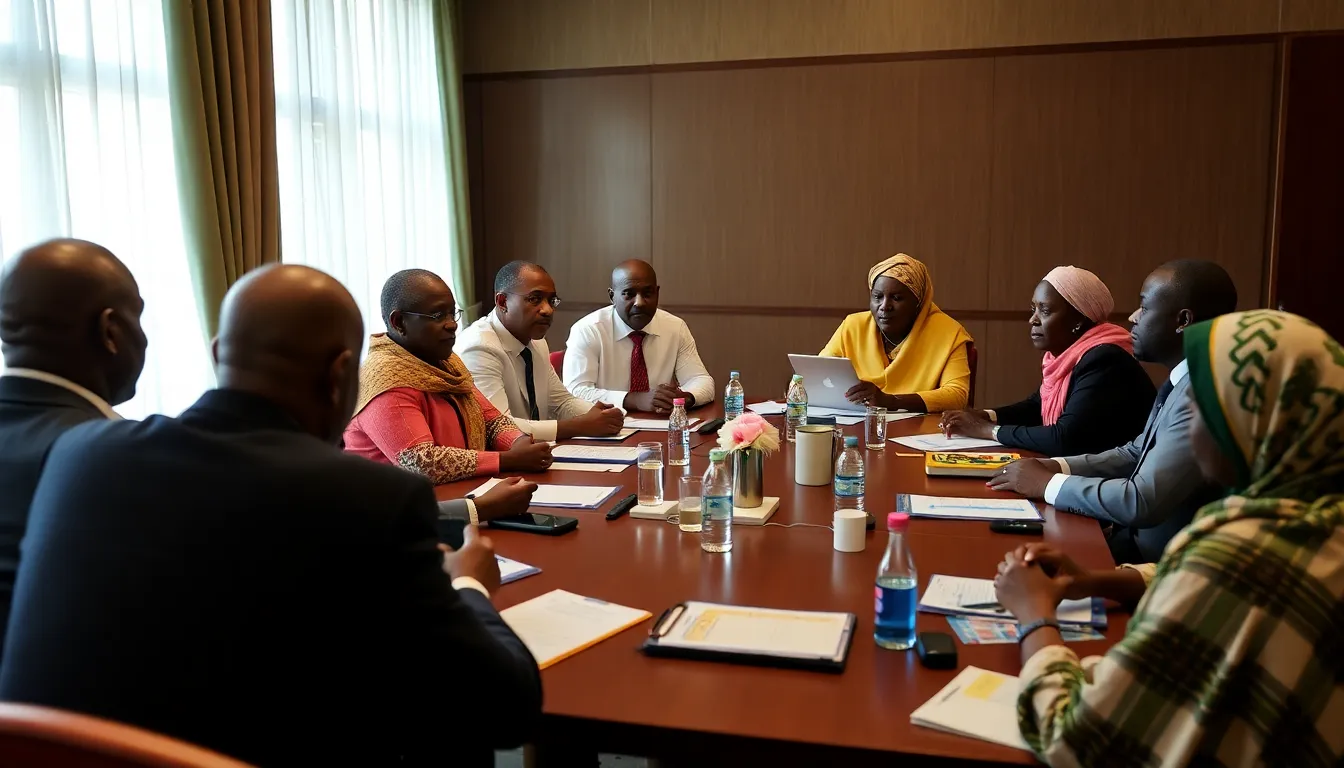
The U.S. government, particularly through agencies like the U.S. Agency for International Development (USAID), aims to ensure that its foreign aid is effectively utilized and aligned with its foreign policy objectives. By linking funding to specific commitments, the U.S. seeks to promote accountability and encourage African governments to prioritize health initiatives. However, this approach raises concerns about the potential impact on vulnerable populations who rely on these health services.
African governments face a complex dilemma as they navigate the U.S. aid landscape. On one hand, they need to secure funding to address pressing health issues such as HIV/AIDS, malaria, and maternal health. On the other hand, the conditions imposed by the U.S. may strain their sovereignty and complicate their ability to implement health policies that are tailored to their unique contexts. This trade-off highlights a significant conflict between external expectations and local needs.
International health organizations and NGOs play a crucial role in this dynamic. They often serve as intermediaries, providing critical services and support to local health systems. These organizations may find themselves caught between the requirements of U.S. funding and the realities on the ground, complicating their ability to operate effectively. The potential reduction in aid could lead to a decrease in health program coverage, affecting millions of individuals who depend on these services, much like the shifts seen in sports funding and participation.
- U.S. Government: Aims to ensure accountability and effectiveness in foreign aid.
- African Governments: Struggle to balance funding needs with national sovereignty.
- International Health Organizations: Act as intermediaries but face operational challenges.
- NGOs: Risk losing funding and support, impacting service delivery.
- Vulnerable Populations: Stand to suffer the most from potential cuts in health aid.
Potential Impact on Health Services in African Countries
The recent decision by the U.S. to cut health aid and link it to funding pledges from African governments has far-reaching implications. This move primarily affects low-income countries that rely heavily on external funding for their healthcare systems. Vulnerable populations, particularly in regions already facing health crises, will bear the brunt of these cuts.
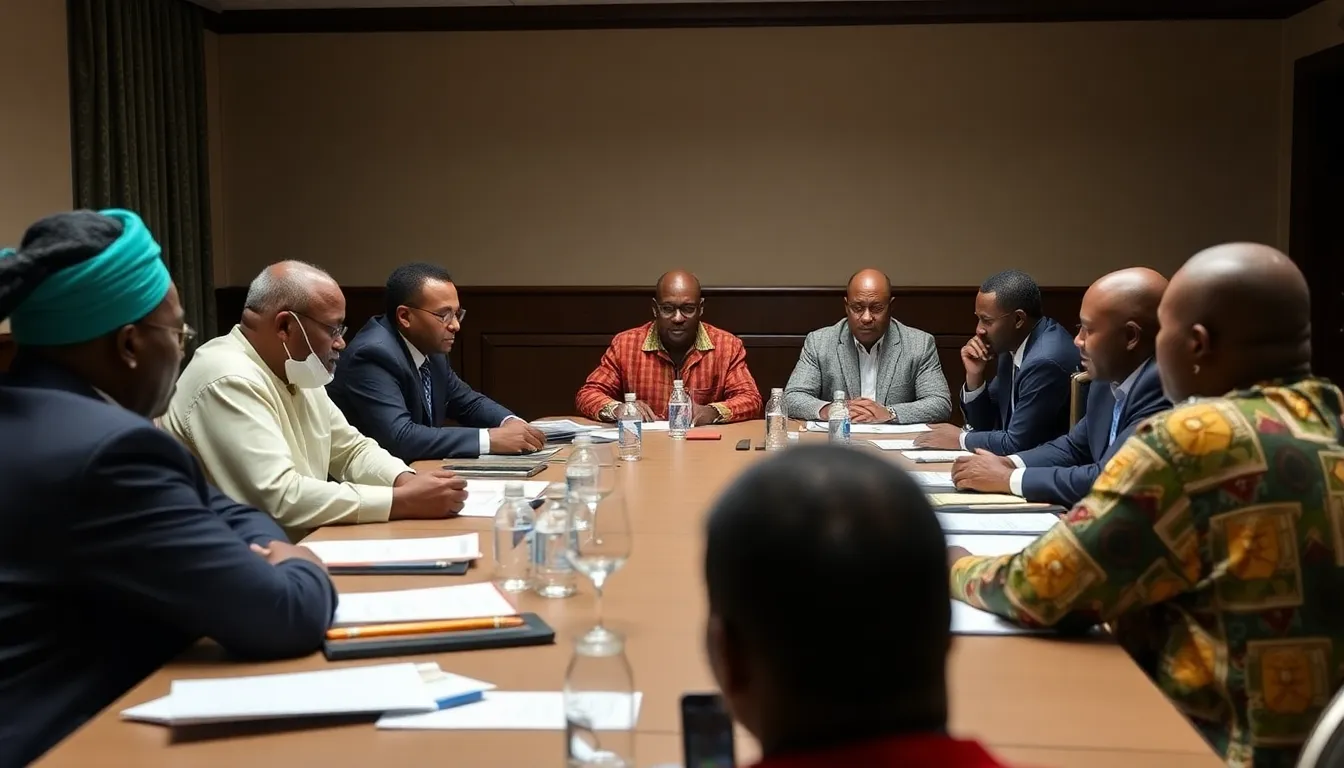
In the short term, communities may experience immediate disruptions in essential health services. Programs focusing on maternal and child health, infectious disease control, and vaccination efforts could see reduced funding, leading to increased morbidity and mortality rates. Businesses involved in health service delivery, such as pharmaceutical companies and local healthcare providers, may also face financial strain.
Mid-term impacts could extend to policy shifts as African governments scramble to fill the funding gap. This may lead to increased taxation or reallocation of budgets, which could strain other sectors. Additionally, the reliance on domestic funding may push governments to prioritize health initiatives that align with international funding criteria, potentially sidelining local health needs.
- Risks: Increased health disparities, reduced access to care, and potential rise in disease outbreaks.
- Opportunities: Strengthened local health systems, increased government accountability, and potential for innovative funding solutions.
As the situation unfolds, the balance between risks and opportunities will be crucial. Stakeholders across the health sector, including NGOs and private investors, may need to adapt their strategies to navigate this new landscape, fostering resilience in the face of reduced U.S. support.
A: The U.S. is reducing health aid as part of a strategy to ensure that African governments commit more funding to their own health systems, aiming for greater self-sufficiency. A: The cuts may lead to reduced access to essential health services, particularly in countries that rely heavily on U.S. aid for healthcare funding. A: The U.S. has outlined that future health aid will depend on African governments increasing their own health budgets and demonstrating a commitment to health financing. A: Countries that have historically received significant U.S. health aid, such as Kenya and Nigeria, are likely to be the most impacted by these funding cuts. A: Some programs, particularly those focused on urgent health crises like HIV/AIDS, may still receive support, but overall funding will be scrutinized.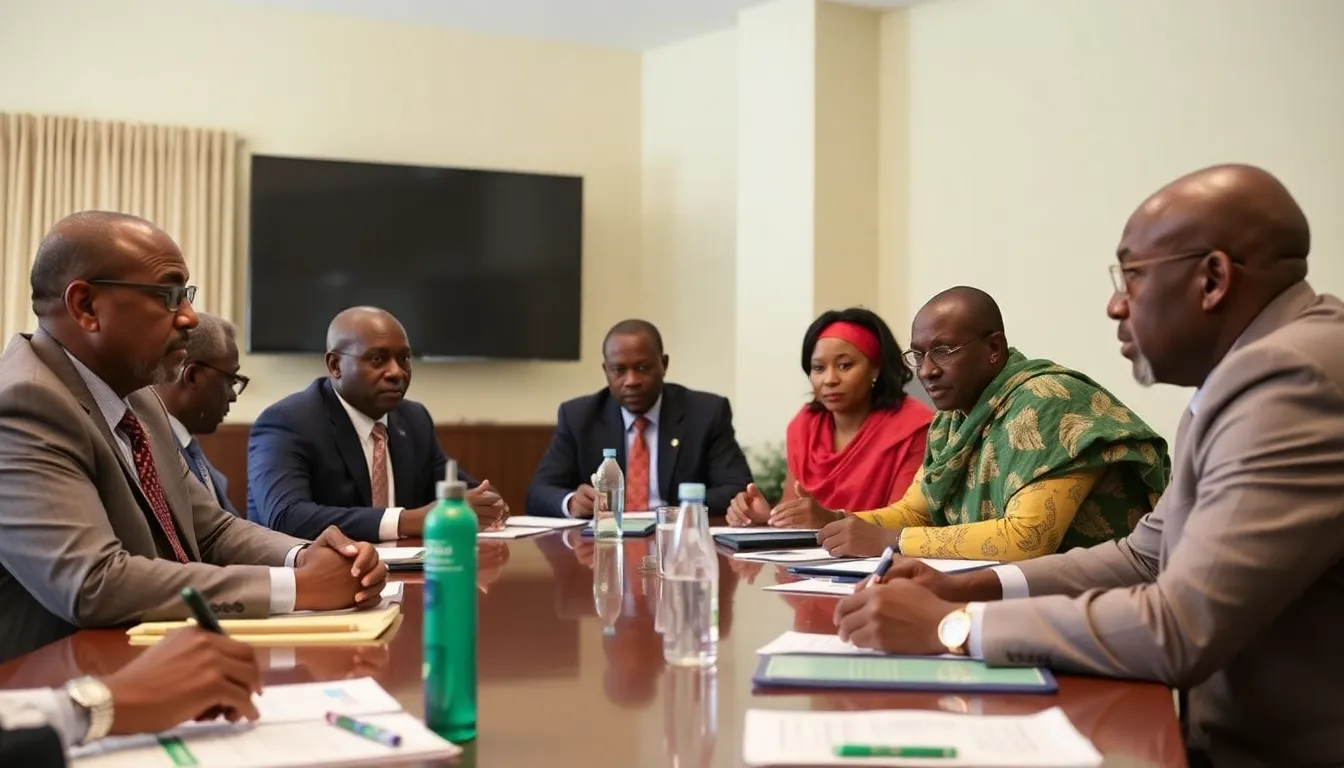
Frequently Asked Questions About U.S. Health Aid Cuts
Insights and Future Outlook on U.S. Health Aid
The recent decision by the U.S. to cut health aid and link it to funding commitments from African governments marks a significant shift in international health policy. This move may influence the dynamics of health financing in the region, compelling African nations to reassess their budget allocations and prioritize health funding. As the U.S. recalibrates its approach, the implications for public health initiatives, disease control, and overall health infrastructure in Africa could be profound.
Stakeholders should closely monitor how these changes affect both U.S.-Africa relations and the broader landscape of global health aid. The potential for increased accountability among African governments could lead to improved health outcomes, but it may also strain relationships if funding expectations are perceived as unrealistic or punitive.
- Watch for shifts in health funding priorities among African governments as they respond to U.S. expectations.
- Monitor the impact of reduced U.S. aid on ongoing health programs, particularly those targeting infectious diseases.
- Consider the potential for increased collaboration between African nations to pool resources and share best practices in health funding.
- Assess how other international donors might react to the U.S. policy shift and whether they will fill any funding gaps.
- Stay informed about public health outcomes in regions heavily reliant on U.S. aid to gauge the long-term effects of this policy change.