


The BJP faces stiff competition from regional parties, particularly in states like Rajasthan and Chhattisgarh, where anti-incumbency sentiments are reportedly growing, making it similar to the final push for votes that other political entities experience.
Recent surveys indicate fluctuating voter sentiments, with issues such as inflation, unemployment, and agricultural distress dominating the public discourse. The BJP’s performance in these elections could serve as a barometer for its electoral strategies and policies leading into the national elections, making the stakes particularly high.
Moreover, the elections are occurring against a backdrop of heightened political rhetoric and campaign strategies, with both the BJP and opposition parties ramping up their efforts to mobilize voters. The outcomes in these states may not only influence local governance but also set the tone for the national political landscape in the coming months.
Understanding the political landscape leading to the elections
The upcoming state elections in India are set against a backdrop of significant political maneuvering and historical shifts. Over the past decade, Prime Minister Narendra Modi’s Bharatiya Janata Party (BJP) has solidified its presence across various states, transforming the political landscape. This has been marked by a blend of populist policies, economic reforms, and a strong focus on nationalistic sentiments that resonate with a large segment of the Indian population.
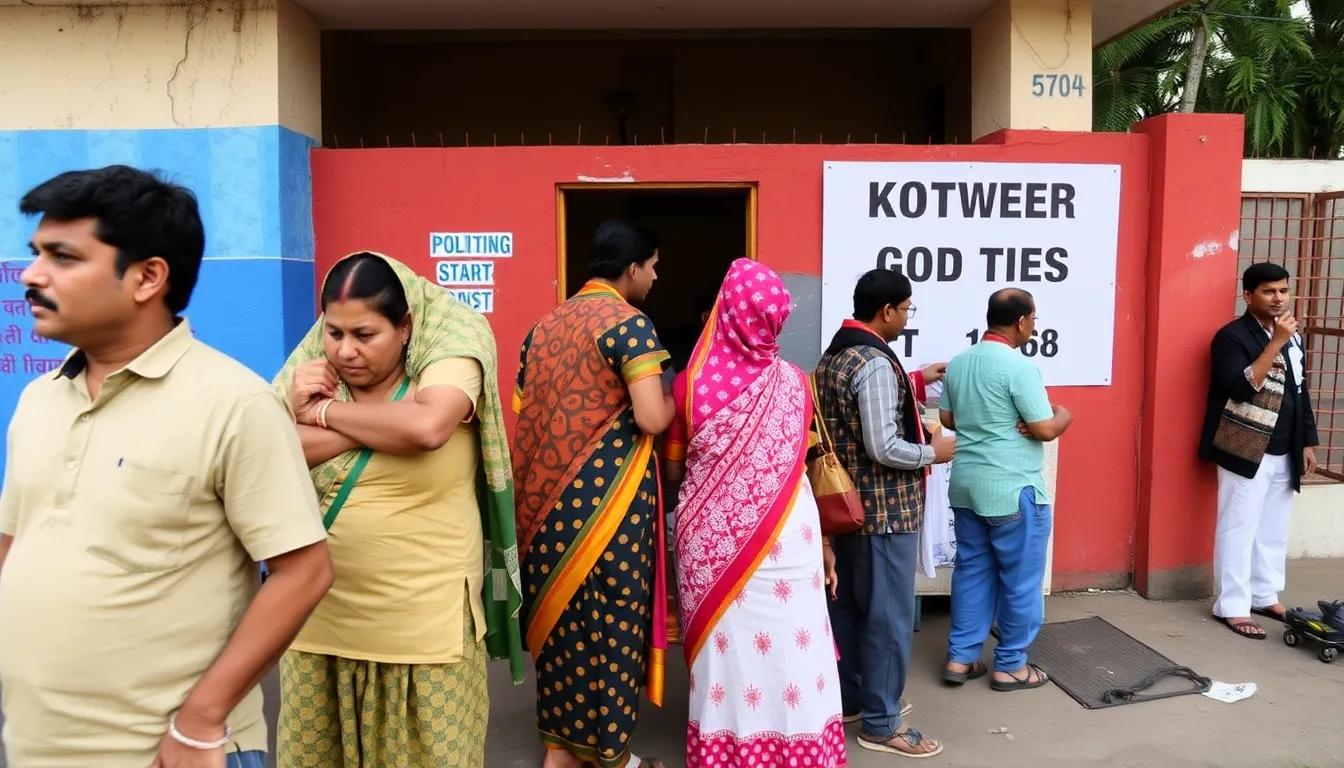
However, the recent electoral outcomes in states like Maharashtra and Jharkhand have raised questions about the party’s dominance and its ability to maintain voter loyalty amidst rising discontent over issues like unemployment and inflation, akin to the controversies faced by leaders in other countries.
Key Milestones in Recent Elections
The political landscape has been punctuated by several milestones that have shaped the current scenario. In 2019, the BJP secured a landslide victory in the general elections, further consolidating Modi’s power. However, state elections have proven to be more challenging, with the party facing stiff competition from regional parties that have capitalized on local issues. The 2020 Delhi assembly elections, where the Aam Aadmi Party (AAP) won decisively, showcased the potential for opposition unity against the BJP’s narrative.
As these state elections unfold, they will serve as a critical test for Modi’s party, reflecting the electorate’s sentiments and potentially shaping the future of Indian politics, much like the environmental challenges impacting communities in different regions.
Key issues and stakeholders in the upcoming polls
As India approaches its key state elections, several stakeholders emerge as pivotal players in shaping the political landscape. The primary actor is the Bharatiya Janata Party (BJP), led by Prime Minister Narendra Modi, which seeks to maintain its dominance in state governance. The party’s interests revolve around consolidating power, implementing its policies, and addressing public concerns about economic growth and social issues.
Opposing the BJP are regional parties, such as the Indian National Congress and various local parties, which aim to challenge the BJP’s narrative and policies. These parties are motivated by their desire to regain influence and represent the interests of their constituents, particularly in areas where the BJP’s governance has faced criticism.
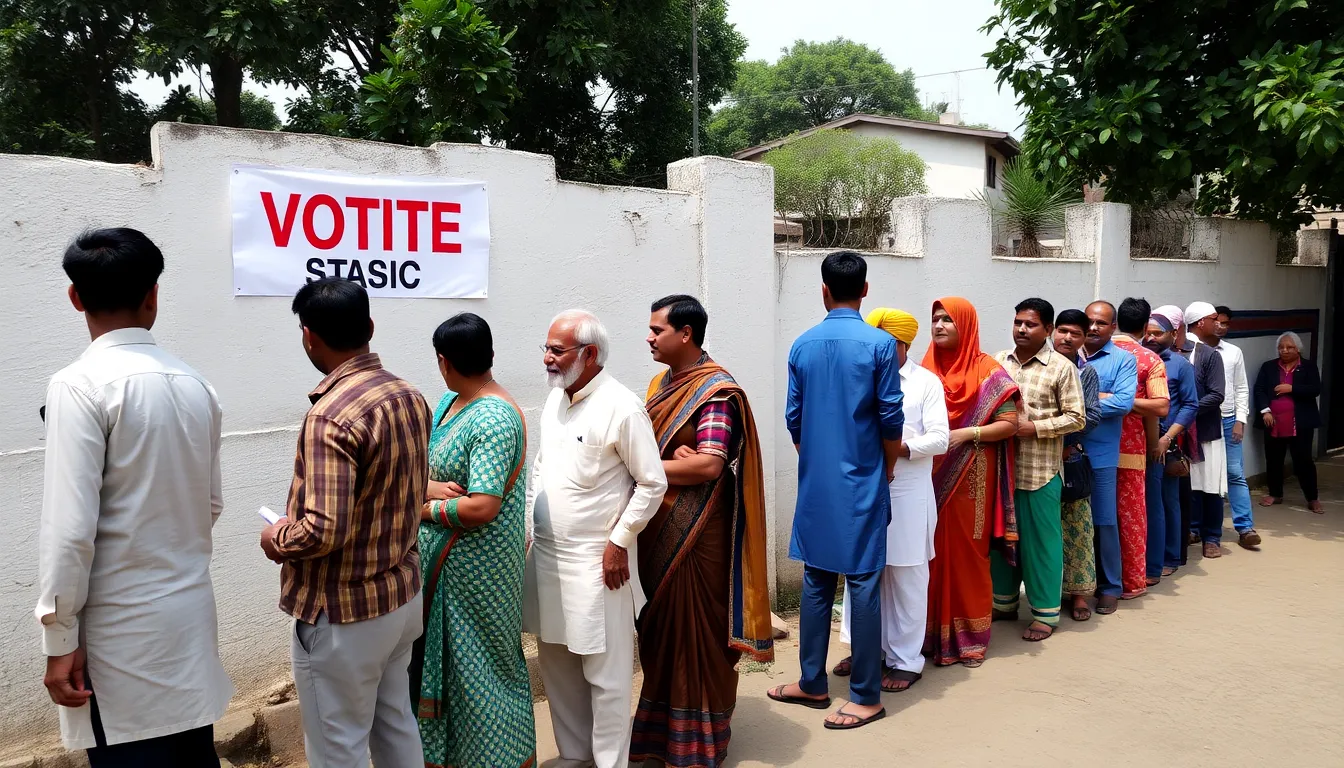
Key issues at stake in these elections include:
- Economic Performance: Voters are concerned about inflation, unemployment, and overall economic growth, which will influence their voting decisions.
- Social Justice: Issues related to caste, religion, and minority rights are crucial, as parties seek to appeal to diverse demographics.
- Governance and Corruption: Allegations of corruption and governance failures can sway public opinion against incumbent parties.
- Development Projects: The effectiveness of infrastructure and development initiatives will be scrutinized, impacting voter trust.
- Nationalism and Identity Politics: The BJP’s emphasis on nationalism may resonate with some voters while alienating others, leading to a complex electoral dynamic.
Legal and economic issues also play a significant role in shaping the electoral narrative. The implementation of new laws, such as those concerning land acquisition and labor rights, can create friction between the government and various interest groups. Additionally, economic policies that favor certain industries may lead to accusations of favoritism, further complicating the political landscape.
Potential implications for voters and the political market
The key state polls in India represent a significant moment for various groups, including voters, local businesses, and political parties. The outcome of these elections is likely to impact different demographics, particularly in regions where Modi’s party has historically held sway. Voters in rural and urban areas will be closely watching the elections, as their daily lives and livelihoods could be affected by the policies that emerge from these contests.
In the short term, the elections may lead to heightened political activity, resulting in increased consumer spending as parties ramp up their campaigning efforts. This could benefit local businesses, particularly in sectors such as retail, hospitality, and transportation. However, there is also the risk of political instability if the results lead to a hung assembly or contentious disputes over the outcomes, which could deter investment and disrupt daily commerce.
In the mid-term, the elected parties will have the opportunity to implement policies that could either bolster or hinder economic growth. For instance, if Modi’s party wins, there may be a continuation of reforms aimed at enhancing infrastructure and technology, which could positively impact industries like construction and IT. Conversely, a loss could shift focus toward more populist policies that may strain state budgets and impact public services.
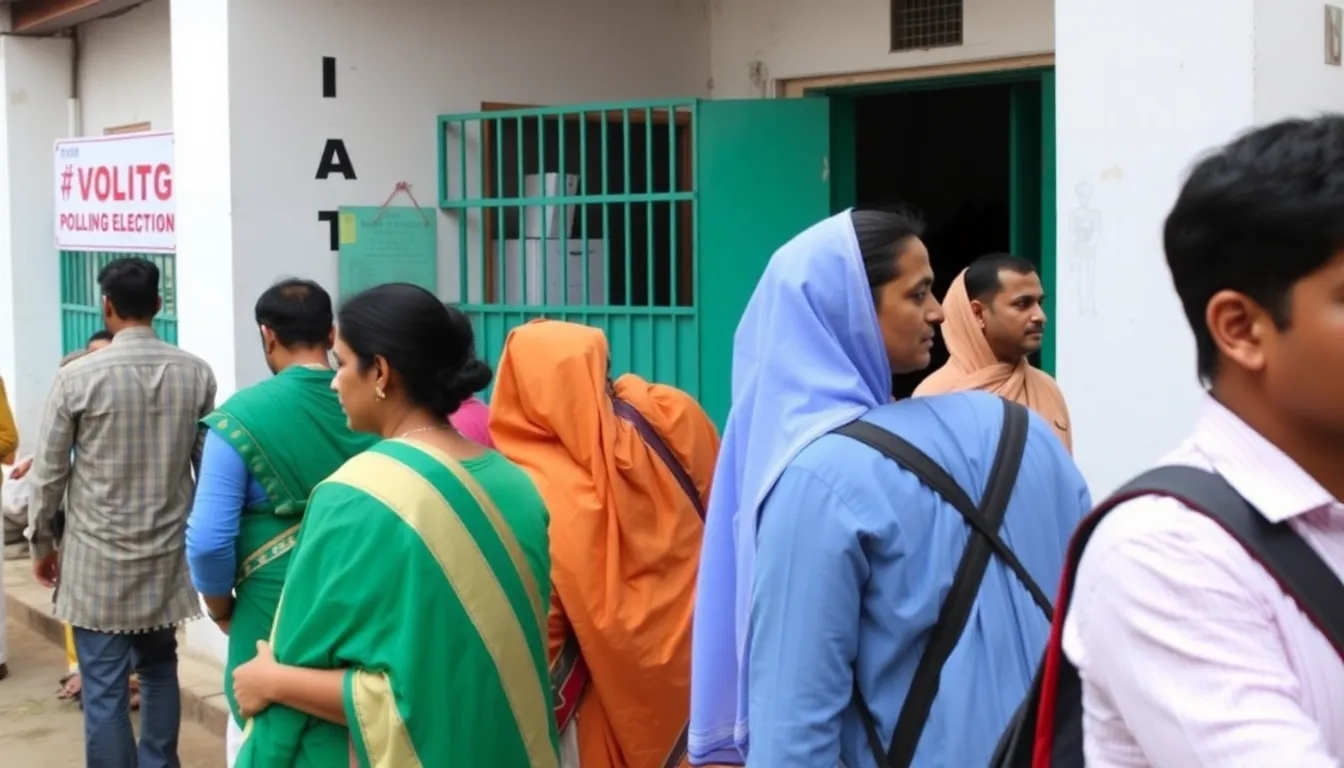
- Voter Engagement: Increased participation in the electoral process, leading to a more active civil society.
- Business Opportunities: Local businesses may see a surge in demand due to election-related activities.
- Policy Shifts: Potential changes in governance that could affect various sectors, from agriculture to technology.
- Investment Climate: The stability of the political landscape will influence both domestic and foreign investment decisions.
Overall, while there are risks associated with the electoral outcomes, there are also opportunities for growth and development that could reshape the political and economic landscape in the affected states.
A: The key states participating include Uttar Pradesh, Punjab, and Gujarat, which are crucial for both local and national politics. A: The results could significantly impact Modi’s party’s standing ahead of the national elections, influencing public perception and party strategy. A: Voters are primarily concerned with economic stability, employment opportunities, and local governance issues, which could sway their decisions. A: The election results are expected to be announced shortly after the polling concludes, typically within a week. A: Higher voter turnout generally favors opposition parties, while lower turnout may benefit the ruling party, making it a critical factor.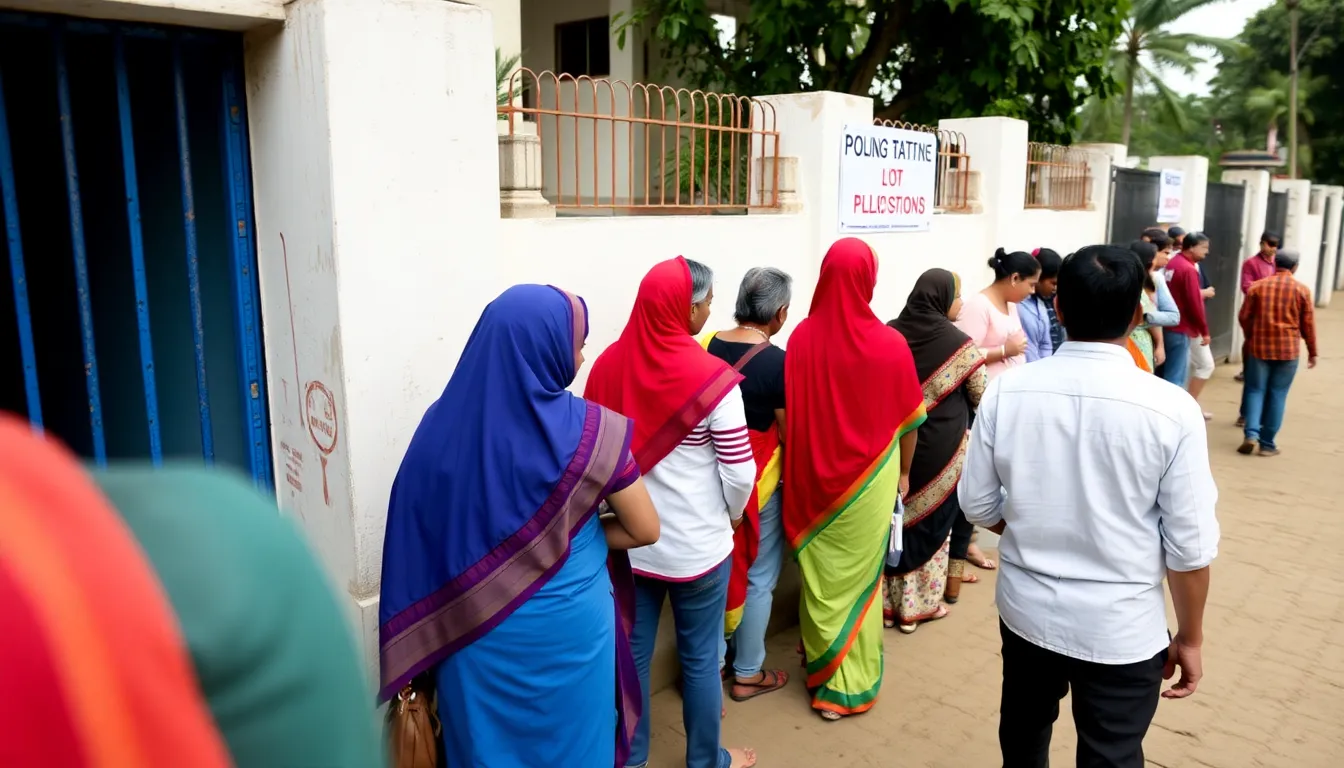
Frequently asked questions about the state polls
Looking ahead: Key takeaways and future outlook
The commencement of key state polls in India serves as a significant barometer for Prime Minister Modi’s party, particularly in light of upcoming national elections. As the political landscape evolves, these elections will provide insights into voter sentiment, regional dynamics, and the effectiveness of the ruling party’s policies. The outcomes could shape not only the political strategies of the Bharatiya Janata Party (BJP) but also influence opposition alliances and voter mobilization efforts.
<pObservers should closely monitor how local issues resonate with constituents, as well as the performance of opposition parties in challenging the BJP's dominance. The results may signal shifts in political allegiances and voter priorities, which could have lasting implications for the party's national standing.
- Voter Sentiment: Watch for trends in voter turnout and engagement, which may indicate public satisfaction or discontent with the current government.
- Opposition Strategies: Assess how effectively opposition parties can unite and present a viable alternative to the BJP, especially in key battleground states.
- Regional Issues: Pay attention to the impact of local issues on election outcomes, as these may differ significantly from national narratives.
- Policy Implications: Analyze how the election results could influence the BJP’s policy direction and governance approach in the coming months.
- Future Alliances: Consider potential shifts in political alliances based on the election results, which could reshape the opposition landscape ahead of national elections.