


The whale, estimated to be around 10 to 12 feet long, was discovered near the river’s mouth, prompting immediate investigations by local wildlife officials. Experts suspect that the whale may have been disoriented or searching for food, which is unusual behavior for this species, known for its migratory patterns. This incident is reminiscent of the challenges highlighted in the article on meningitis outbreak affecting wildlife.
Authorities have noted that this incident highlights the ongoing challenges faced by marine life in urban waterways. Factors such as pollution, habitat loss, and climate change are increasingly impacting the natural behaviors and survival of marine species, including gray whales. Understanding these impacts is crucial, much like the discussions around public health seen in meningitis outbreaks.
As the situation unfolds, researchers are calling for increased awareness and protective measures to safeguard the habitats of these majestic creatures. The death of this young whale serves as a reminder of the delicate balance between wildlife and human activities in coastal regions.
Understanding the migration patterns of gray whales
Gray whales, known scientifically as Eschrichtius robustus, are remarkable creatures that undertake one of the longest migrations of any mammal. Each year, they travel approximately 10,000 to 14,000 miles between their summer feeding grounds in the Arctic and their breeding lagoons in Mexico. This migration is crucial for their survival, as it allows them to take advantage of abundant food sources and suitable breeding environments.
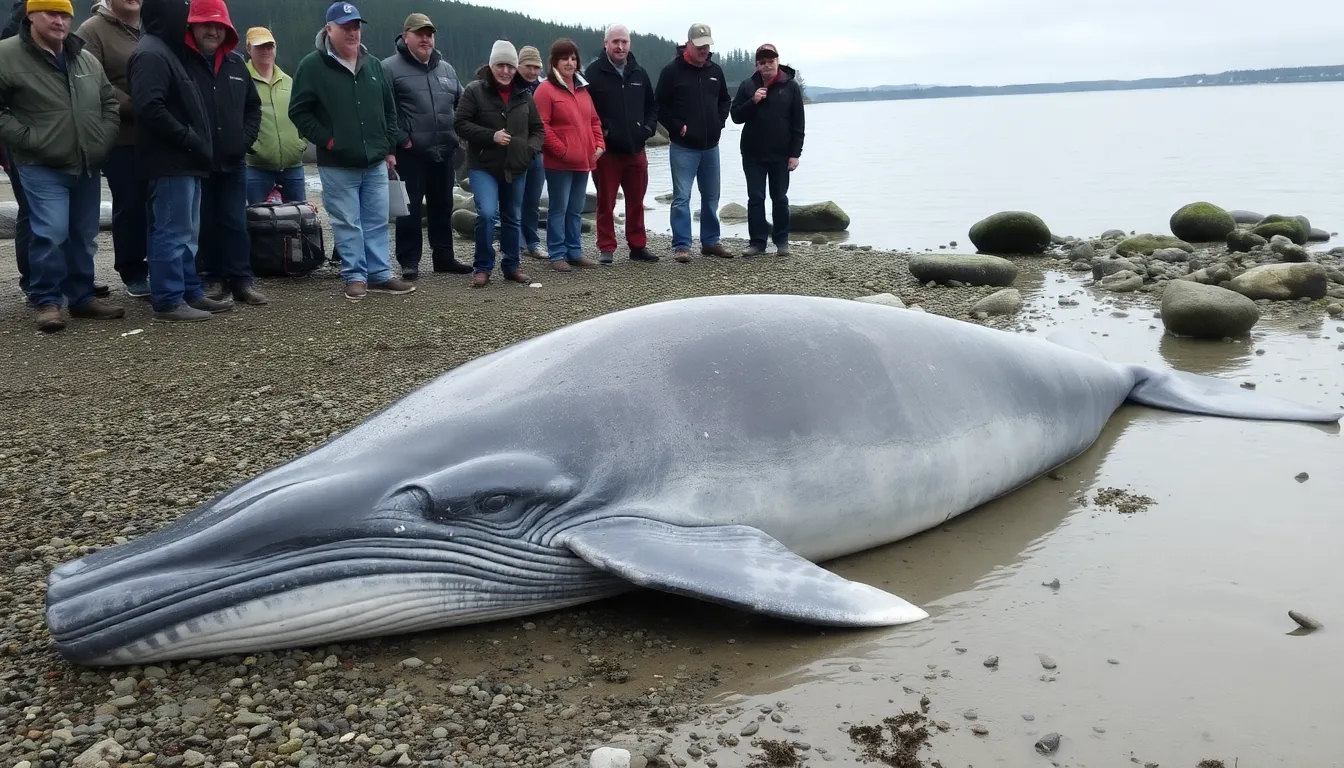
The migration patterns of gray whales have been shaped by historical factors, including environmental changes and human activity. Over the past century, habitat degradation, pollution, and climate change have significantly impacted their migratory routes and feeding behaviors. Moreover, the industrial development along coastlines has altered the natural landscapes that these whales depend on, leading to increased encounters with human-made obstacles.
Impact of Human Activity
Human activity has played a pivotal role in the challenges faced by gray whales. Coastal development, shipping traffic, and fishing activities have created hazards that can disrupt their migration. The recent incident of a young gray whale swimming up a river in Washington state highlights the potential dangers posed by these human influences. Such occurrences may indicate confusion or disorientation in the whales, possibly due to environmental stressors or habitat loss.
Historically, gray whales were heavily hunted, leading to a dramatic decline in their population. However, conservation efforts, including the Marine Mammal Protection Act of 1972, have helped their numbers recover. Despite this success, the ongoing threats from climate change and habitat destruction continue to pose risks to their survival, making understanding their migration patterns more crucial than ever.
As we reflect on the recent tragedy of the young gray whale’s death, it serves as a reminder of the delicate balance between wildlife and human development. Continued efforts to protect marine habitats and mitigate human impact are essential for ensuring the future of gray whales and other marine species that share their migratory paths.
Examining the potential reasons behind the whale’s unusual behavior
The recent incident involving a young gray whale that swam up a river in Washington state has drawn attention from various stakeholders, including marine biologists, environmental organizations, local governments, and the general public. Each group has its own interests and concerns regarding the welfare of marine life and the health of local ecosystems.
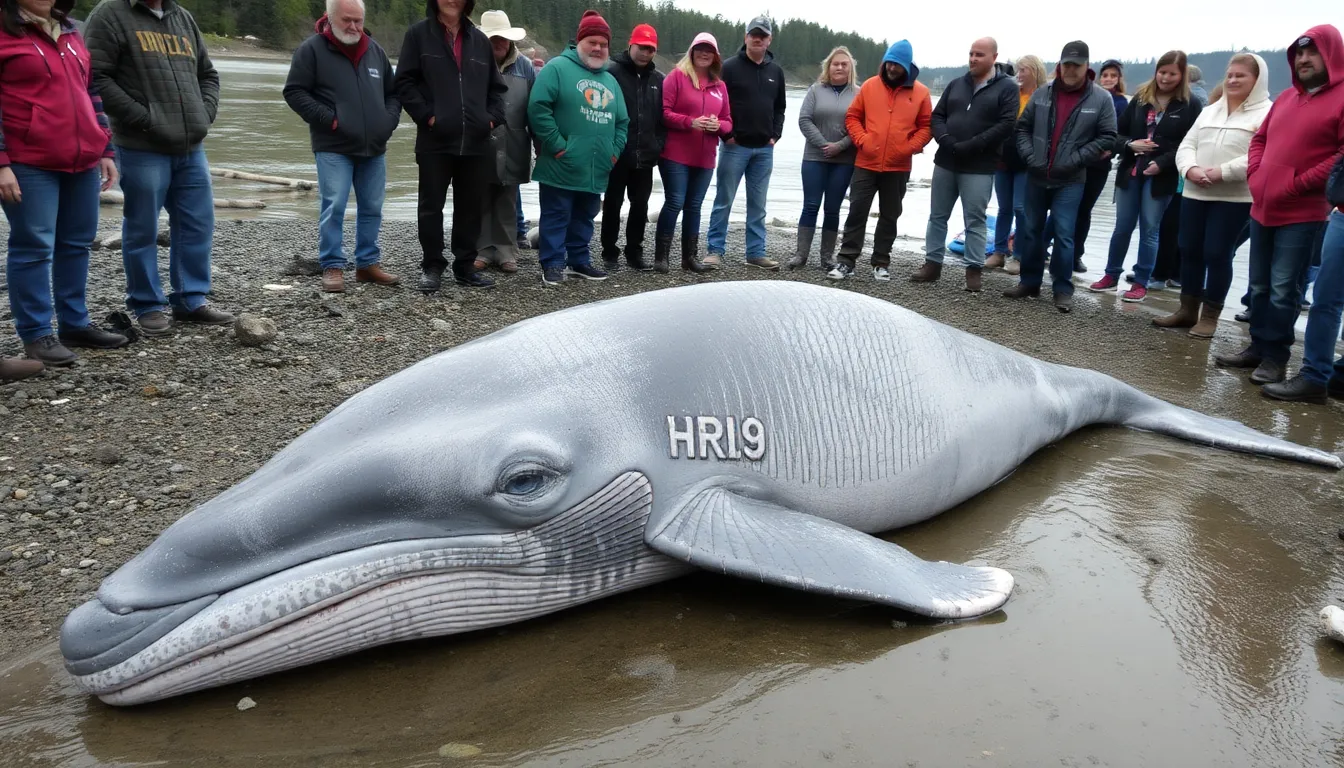
Marine biologists are particularly interested in understanding the causes of the whale’s unusual behavior. Factors such as environmental changes, food scarcity, and potential health issues are critical in assessing the whale’s condition. Their research could provide insights into broader trends affecting gray whale populations and marine life in general.
Environmental organizations advocate for the protection of marine habitats and often emphasize the importance of preserving ecosystems that support marine species. They may express concerns about pollution, habitat destruction, and climate change, which could have contributed to the whale’s distress. Their involvement is crucial for raising public awareness and influencing policy decisions related to marine conservation, similar to the advocacy highlighted in cases surrounding public interactions.
Local governments have a vested interest in the incident as it impacts community safety and local tourism. They must balance the need for public safety with the desire to protect wildlife. This situation raises key legal issues regarding the handling of stranded marine animals and the responsibilities of local authorities in such cases.
- Health and Safety Concerns: The potential dangers posed by the whale’s presence in a river may affect recreational activities and local businesses.
- Environmental Impact: Pollution and habitat degradation could be underlying factors affecting marine life, prompting calls for stricter environmental regulations.
- Public Awareness: The incident serves as a catalyst for discussions on marine conservation and the importance of protecting endangered species.
- Legal Responsibilities: Local authorities must navigate legal frameworks regarding the treatment of stranded marine animals.
- Research Opportunities: This incident presents a chance for scientific research that could inform future conservation efforts.
In summary, the death of the young gray whale highlights the intricate web of interests and conflicts among various stakeholders. Understanding these dynamics is essential for addressing the underlying issues that affect marine life and ensuring the health of local ecosystems.
The implications of the whale’s death on local ecosystems
The tragic death of the young gray whale in Washington state has far-reaching implications for various groups and industries. Local communities, environmental organizations, and marine biologists are particularly affected as they grapple with the loss of this marine life and its potential consequences on the ecosystem.
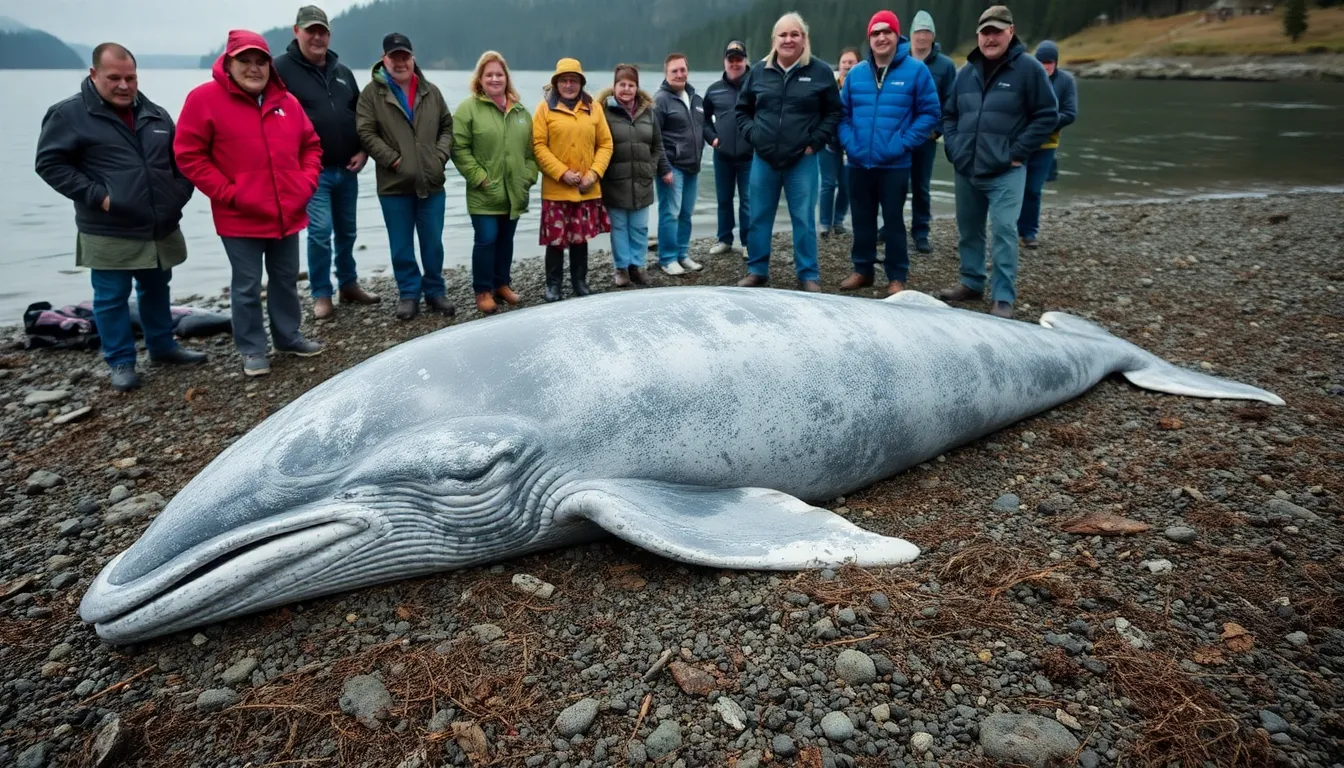
In the short term, the whale’s death may disrupt local tourism, especially for businesses that rely on whale watching and marine-related activities. The presence of whales often attracts visitors, and their absence could lead to a decline in foot traffic and revenue for these enterprises.
Additionally, the incident raises concerns about the health of local waterways and ecosystems. Environmental agencies may need to allocate resources to investigate the circumstances surrounding the whale’s death, which could divert attention from other important projects. This could delay ongoing conservation efforts and impact local biodiversity.
- Decline in marine tourism revenue
- Increased scrutiny on water quality and marine health
- Potential policy changes regarding marine wildlife protection
In the mid-term, the situation could lead to enhanced awareness of marine conservation issues, potentially creating opportunities for advocacy groups to push for stronger protections for marine life. This might include initiatives aimed at improving water quality and habitat preservation, which could benefit both wildlife and local communities in the long run.
While the loss of the gray whale is a significant tragedy, it also underscores the importance of sustainable practices and policies that protect marine ecosystems. Stakeholders may find new avenues for collaboration in addressing these challenges, ultimately fostering a more resilient environment for both wildlife and the communities that depend on it.
A: The exact cause is still under investigation, but it may be related to food scarcity or navigational errors. A: It is quite rare for gray whales to swim into rivers, as they typically prefer coastal waters. A: Signs include unusual behavior, difficulty swimming, and visible injuries or health issues. A: Conservation efforts, pollution control, and public awareness campaigns are essential for protecting marine ecosystems. A: Yes, researchers continuously monitor gray whale populations to understand their health and migration patterns.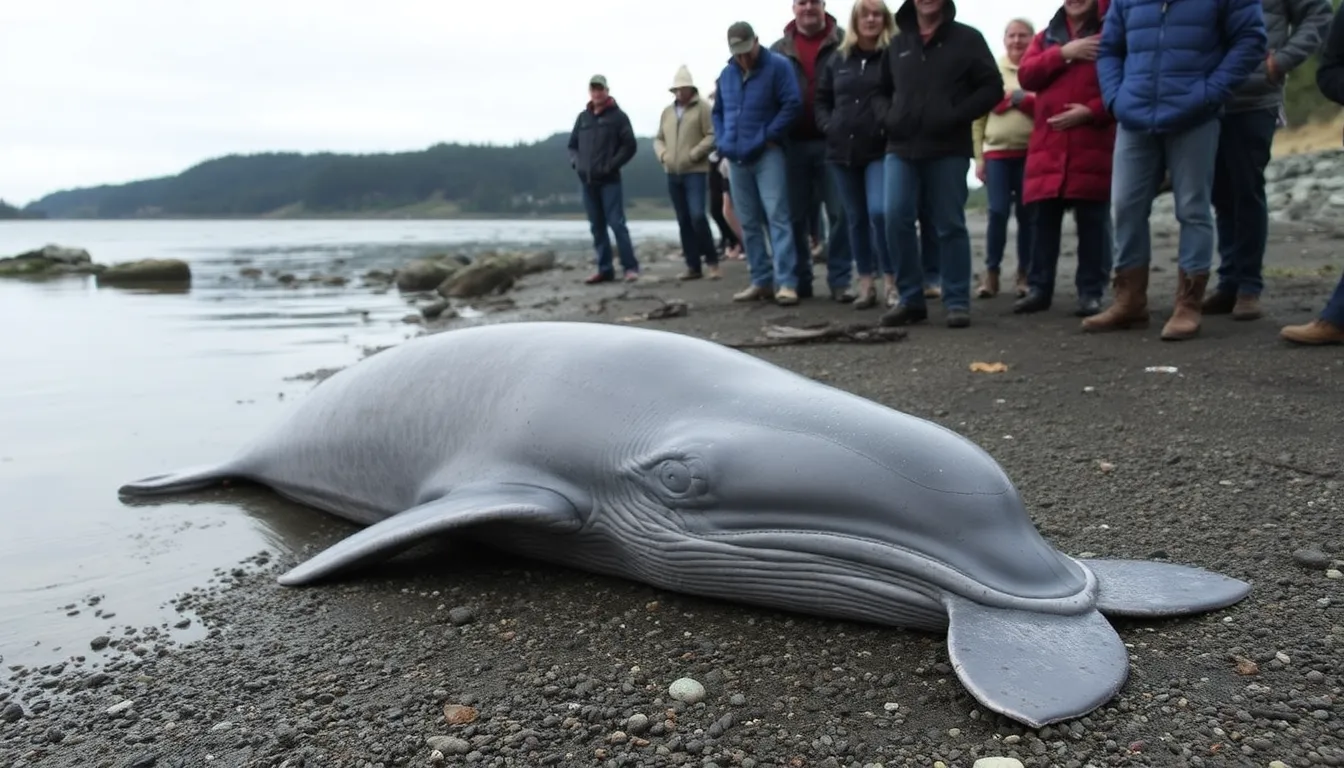
Frequently asked questions about the young gray whale incident
Key takeaways and future outlook on marine life protection
The recent incident involving the young gray whale that swam up a river in Washington state highlights the ongoing challenges faced by marine life in an increasingly urbanized environment. As human activities continue to encroach on natural habitats, the implications for wildlife are profound. This event serves as a reminder of the delicate balance between human development and the preservation of marine ecosystems.
Moving forward, it is crucial to enhance our understanding of marine animal behaviors and the factors that lead to such occurrences. Conservation efforts must adapt to these changes, ensuring that both wildlife and human interests can coexist sustainably. Increased public awareness and proactive measures will be essential in protecting marine life and their habitats.
- Monitoring marine wildlife: Enhanced tracking and monitoring systems can help identify at-risk species and prevent similar incidents.
- Habitat protection: Advocating for the preservation of natural habitats along rivers and coastlines is essential to support marine life.
- Community engagement: Involving local communities in conservation efforts can foster a greater appreciation and understanding of marine ecosystems.
- Research funding: Increased funding for marine research can lead to better insights into the behaviors and needs of marine species.
- Policy development: Stronger regulations regarding waterway usage and pollution can mitigate human impacts on marine life.