


As of October 2023, the U.S. Coast Guard has intercepted thousands of Cuban migrants at sea, prompting concerns over the safety and treatment of these individuals. The potential camp would serve as a temporary holding facility while their immigration status is processed. Critics emphasize that this approach mirrors past policies that have been deemed inhumane and detrimental to the rights of migrants, which highlights the ongoing debates in human rights discussions.
Human rights advocates, including groups such as Amnesty International and Human Rights Watch, have expressed alarm over the implications of such a facility. They argue that detaining migrants in a military setting could exacerbate existing issues of due process and access to legal representation. Furthermore, there are worries that this move could set a precedent for the treatment of asylum seekers in the U.S.
The discussions surrounding the proposed facility are taking place against a backdrop of heightened tensions between the U.S. and Cuba, with the Biden administration facing pressure to address the ongoing migration crisis. The outcome of these deliberations could significantly impact U.S. immigration policy and the treatment of migrants fleeing oppressive regimes.
Historical background of Guantánamo and its significance
The U.S. naval base at Guantánamo Bay, Cuba, has a complex history that dates back to the Spanish-American War in 1898 when the United States gained control over the area. The lease agreement that was established allowed the U.S. to maintain a military presence, which has evolved over the decades into a site of significant geopolitical and humanitarian controversy. The base became particularly notorious after the events of September 11, 2001, when it was transformed into a detention facility for suspected terrorists, leading to widespread allegations of human rights abuses.
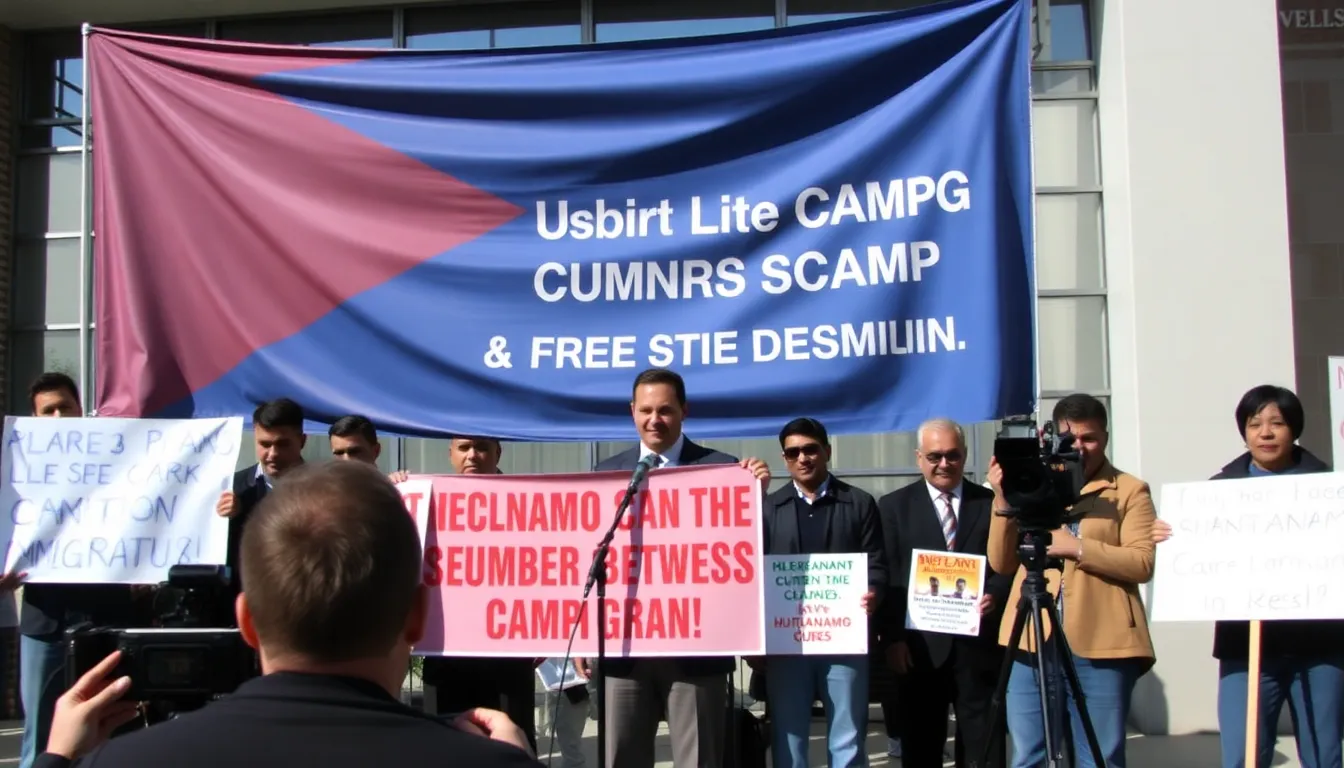
In recent years, the focus on Guantánamo has shifted towards its role as a potential detention site for Cuban migrants. This plan has sparked outrage among human rights organizations, which argue that it violates international law and the rights of individuals seeking asylum. The historical context of U.S.-Cuba relations, characterized by decades of tension and conflict, adds layers of complexity to the current situation, which echoes themes found in political reviews of U.S. actions.
The economic and social conditions in Cuba have driven many to seek refuge elsewhere, often leading to perilous journeys across the Caribbean. The U.S. has long been a destination for Cuban migrants, but policies have fluctuated based on political climate. The proposed Guantánamo camp for migrants raises concerns about the treatment of individuals fleeing oppression and the implications of detaining them in a facility with a controversial past.
Key milestones in U.S.-Cuba relations
Several key milestones have shaped the current landscape of U.S.-Cuba relations. The Cuban Revolution in 1959 marked a significant turning point, leading to the establishment of a communist government under Fidel Castro and the subsequent U.S. embargo. The Mariel Boatlift in 1980 and the Balsero Crisis in the 1990s highlighted ongoing migration issues. Each of these events has contributed to the evolving narrative around Cuban migration and the U.S. response, culminating in the recent proposal for a detention camp at Guantánamo.
Key stakeholders and their positions on the issue
The plan to establish a camp at Guantánamo for Cuban migrants has drawn significant attention from various stakeholders, each with their own interests and concerns. Key actors include human rights organizations, the U.S. government, Cuban authorities, and the migrants themselves.
Human rights groups, such as Amnesty International and Human Rights Watch, have expressed strong opposition to the U.S. plan. Their primary concern revolves around the potential for human rights violations, including the treatment of migrants and the conditions within the proposed camp. They argue that the U.S. should uphold its commitment to international human rights standards and provide humane treatment to all individuals seeking asylum, reminiscent of broader criticisms found in social justice narratives.
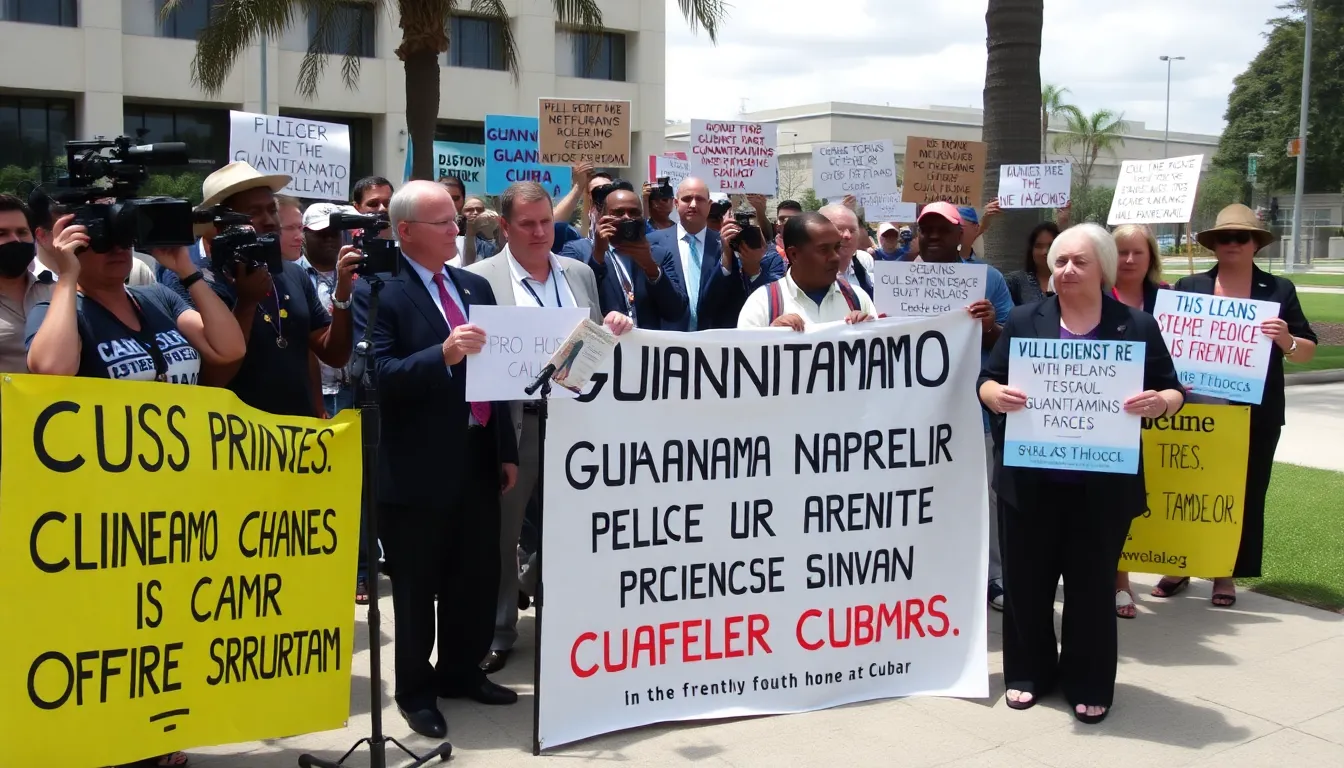
The U.S. government, particularly the Department of Homeland Security, is focused on managing migration flows and ensuring national security. Their rationale for the camp includes the need to process migrants more effectively and deter unauthorized crossings. However, this approach raises questions about the legal and ethical implications of detaining migrants in a military facility.
Cuban authorities have a vested interest in the situation as well. They may view the U.S. plan as a reflection of strained diplomatic relations and an opportunity to criticize U.S. policies regarding migration. The Cuban government may also be concerned about the impact of such a facility on its citizens and the message it sends about their treatment abroad.
- Human Rights Concerns: Potential violations of international human rights laws and standards.
- National Security: U.S. government’s focus on managing migration and preventing unauthorized entry.
- Diplomatic Relations: Impact on U.S.-Cuba relations and the Cuban government’s response.
- Migrant Welfare: Conditions and treatment of migrants in detention.
- Legal Issues: Questions surrounding the legality of detaining migrants in a military facility.
Potential impacts on Cuban migrants and US-Cuba relations
The proposed plan for a Guantánamo camp to process Cuban migrants is likely to have far-reaching implications for various groups, including the migrants themselves, human rights organizations, and the diplomatic relations between the United States and Cuba. Cuban migrants, who often flee their homeland seeking better opportunities, could face prolonged detention and uncertainty about their future, which may exacerbate their already precarious situation.
Human rights groups are particularly vocal against the plan, arguing that it undermines the rights of migrants and could lead to inhumane conditions similar to those previously reported in Guantánamo Bay. These organizations may mobilize public opinion and legal challenges, which could influence U.S. policy on immigration and asylum. The potential for increased scrutiny and activism could create a more challenging environment for the U.S. government as it navigates its immigration policies.

In the short term, the establishment of a Guantánamo camp could disrupt the daily lives of Cuban migrants seeking refuge. Many may be deterred from attempting to reach the U.S. due to fears of detention and the possibility of being sent to Guantánamo. This could lead to a decline in the number of migrants arriving at U.S. borders, impacting communities that rely on the labor and cultural contributions of these individuals. Additionally, businesses that serve migrant populations may experience a downturn as fewer new arrivals seek services and support.
- Risks: Prolonged detention and potential human rights abuses.
- Risks: Increased tensions between the U.S. and Cuba, affecting diplomatic relations.
- Opportunities: Increased visibility for human rights organizations advocating for migrant rights.
- Opportunities: Potential for policy reforms in U.S. immigration practices.
In the mid-term, the implications for U.S.-Cuba relations could be significant. If the camp leads to a deterioration in diplomatic ties, it may hinder any progress made in normalizing relations between the two countries. This could affect trade, tourism, and other economic opportunities for both nations. Conversely, if the situation garners international attention and pressure, it could lead to a reassessment of U.S. policies towards Cuba and its migrants, presenting an opportunity for dialogue and reform.
A: The proposed camp aims to process and detain Cuban migrants who attempt to enter the United States, reflecting ongoing immigration challenges. However, human rights groups argue that this approach may lead to violations of migrants’ rights. A: Human rights organizations are concerned that establishing a camp at Guantánamo could lead to inhumane treatment and lack of due process for migrants. They argue that it contradicts international human rights standards. A: The US government has stated that the camp is necessary for managing migration effectively. However, they have also indicated a willingness to engage in dialogue with human rights advocates. A: The plan could strain US-Cuba relations further, as it may be perceived as a punitive measure against Cuban migrants. This could hinder diplomatic efforts and cooperation between the two nations.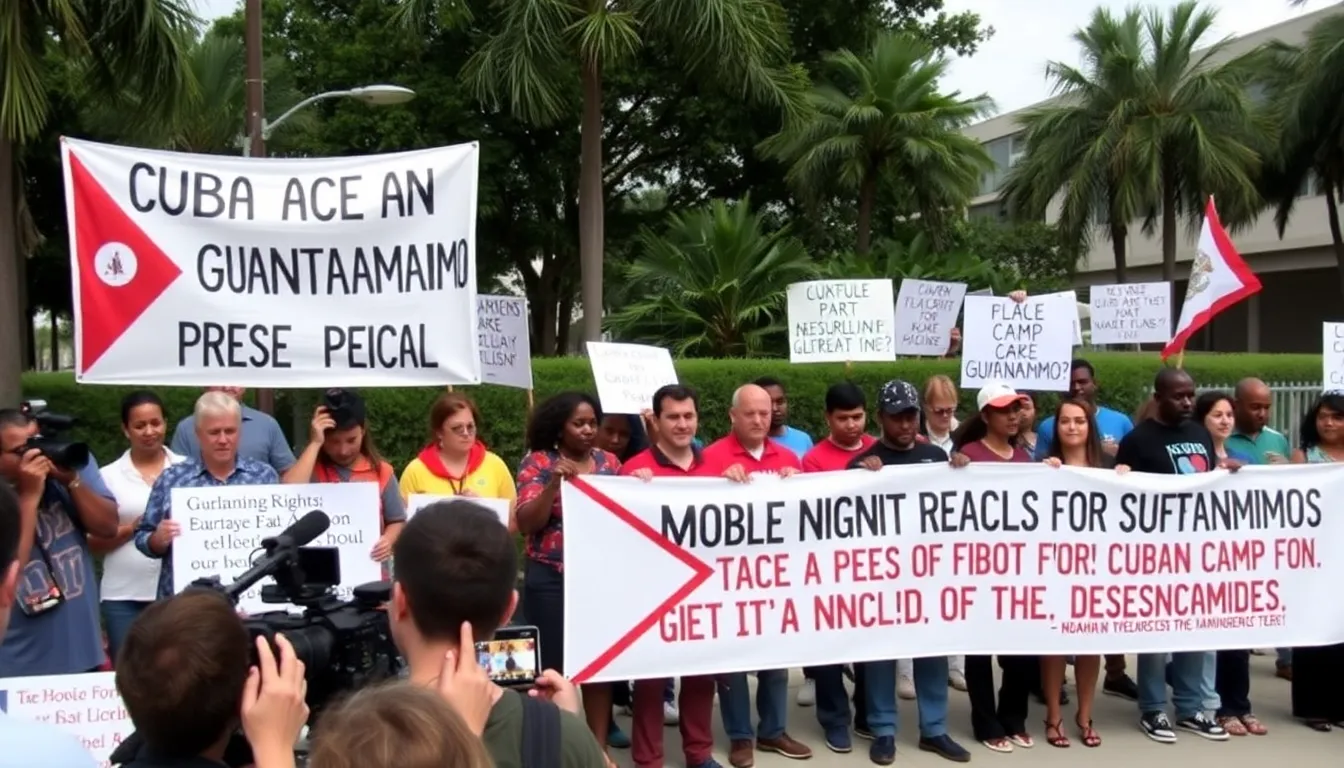
Frequently asked questions about the Guantánamo camp proposal
Key takeaways and future outlook on the situation
The recent announcement regarding the establishment of a Guantánamo camp for Cuban migrants has sparked significant concern among human rights advocates. This move raises critical questions about the U.S. government’s approach to immigration and its commitment to human rights. As the situation develops, it is essential to monitor both the immediate impacts on the migrant community and the broader implications for U.S. immigration policy.
Stakeholders must remain vigilant as the plan unfolds, considering the potential for increased scrutiny and international response. The intersection of national security and human rights will be a focal point for discussion, highlighting the need for a balanced approach that respects the dignity and rights of all individuals.
- Increased Advocacy: Watch for heightened activism from human rights organizations as they mobilize against the proposed camp.
- Policy Revisions: Anticipate potential revisions in U.S. immigration policy as public opinion shifts and legal challenges arise.
- International Relations: Monitor how this decision affects diplomatic relations with Cuba and other countries concerned about human rights.
- Public Opinion: Observe changes in public sentiment regarding immigration and national security as the situation develops.
- Legal Challenges: Be prepared for potential legal battles over the rights of migrants and the legality of detaining individuals in such facilities.