


Many households are reporting significant strain on their budgets due to higher fuel costs. According to a recent survey conducted by the American Automobile Association (AAA), approximately 60% of respondents indicated that they have had to cut back on discretionary spending to accommodate the increase in gas prices. This shift in consumer behavior is raising concerns about potential slowdowns in other areas of the economy, such as retail and travel. For more insights into economic trends, you can check out The Debate on Taxing the Wealthy and Its Broader Implications.
In addition to personal finances, the rise in gas prices is also influencing business operations. Companies that rely heavily on transportation, such as logistics and delivery services, are facing increased operational costs. As a result, many businesses are considering passing these costs onto consumers, which could further exacerbate inflationary pressures in the market.
Furthermore, the energy sector is experiencing heightened scrutiny as lawmakers and advocacy groups call for a reassessment of energy policies. With the current administration emphasizing a transition to renewable energy, the volatility in fossil fuel prices has sparked debates about energy independence and sustainability. This ongoing discussion highlights the complexities of balancing immediate economic needs with long-term environmental goals, reflecting similar challenges discussed in Samsung’s warning about the memory crisis..
The background of gas price fluctuations and their causes
Gas prices have long been a reflection of various factors, including geopolitical tensions, natural disasters, and shifts in supply and demand. Over the decades, consumers have experienced significant fluctuations in gas prices, which have often had a direct impact on household budgets and overall economic stability. Understanding the historical context of these price changes is crucial for grasping their current implications.

One of the most notable milestones in the history of gas prices occurred during the 1970s oil crisis, when OPEC (Organization of the Petroleum Exporting Countries) imposed an oil embargo. This led to a dramatic increase in fuel costs, which not only strained consumers but also triggered inflation and economic recession in many countries. The aftermath of this crisis highlighted the vulnerability of economies reliant on imported oil and set the stage for ongoing debates about energy independence and alternative energy sources.
In recent years, the rise of shale oil production in the United States has altered the global energy landscape. The increase in domestic oil supply helped to temporarily lower gas prices, but geopolitical tensions, such as conflicts in the Middle East and sanctions on oil-producing nations, have continued to create volatility in the market. Additionally, the COVID-19 pandemic introduced unprecedented disruptions, causing demand to plummet and then rebound sharply, further complicating price stability. This fluctuation mirrors the rapid changes seen in the gaming industry, as highlighted in Glen Schofield’s discussion on creativity in AAA gaming..
The role of government policies
Government policies also play a critical role in shaping gas prices. Taxation, subsidies, and regulations can influence both the supply chain and consumer pricing. For instance, environmental regulations aimed at reducing carbon emissions can lead to higher production costs for oil companies, which may be passed on to consumers at the pump. As governments grapple with climate change and energy transition, these policies will likely continue to affect gas prices and, consequently, the financial burden on consumers.
Key stakeholders and issues surrounding gas price hikes
The rising cost of gas has far-reaching implications for various stakeholders, including consumers, businesses, government entities, and environmental organizations. Each group has distinct interests that shape their responses to the ongoing price fluctuations.
Consumers are perhaps the most directly affected by gas price increases. As fuel prices rise, individuals face higher transportation costs, which can strain household budgets. This economic pressure often leads to difficult trade-offs, such as reducing discretionary spending or altering commuting habits. Many consumers express frustration over rising prices, which can lead to calls for government intervention.

Businesses, particularly those reliant on transportation, such as logistics and delivery services, also feel the impact of elevated gas prices. Increased fuel costs can erode profit margins, forcing companies to either absorb the costs or pass them on to consumers. This situation can create tension between businesses and their customers, potentially leading to reduced sales and customer dissatisfaction.
Government entities play a crucial role in addressing the challenges posed by rising gas prices. Their interests often include maintaining economic stability, ensuring energy security, and responding to public outcry. Policymakers may consider measures such as tax relief, subsidies, or strategic reserves to mitigate the impact on consumers and businesses. However, these interventions can lead to debates about fiscal responsibility and long-term energy policy.
- Consumer Impact: Higher transportation costs leading to budget constraints.
- Business Challenges: Increased operational costs affecting profit margins.
- Government Response: Potential interventions to alleviate financial burdens.
- Environmental Considerations: Balancing economic needs with sustainability goals.
- Market Dynamics: Fluctuations in global oil prices influencing local markets.
Lastly, environmental organizations may view rising gas prices as an opportunity to advocate for alternative energy solutions. While higher prices can prompt consumers to consider more sustainable transportation options, they can also spark debates about the balance between economic growth and environmental stewardship. This complex interplay of interests underscores the multifaceted nature of the gas price issue.
How high gas prices are affecting consumers and businesses
High gas prices are impacting a wide range of groups, from everyday consumers to large industries. Families are feeling the pinch as they allocate a larger portion of their budgets to fuel costs, while businesses that rely on transportation are facing increased operational expenses. Regions that are heavily dependent on driving, such as suburban and rural areas, are particularly affected, as public transportation options may be limited.
The short-term impacts of rising gas prices can be seen in the immediate changes in consumer behavior. Many individuals are cutting back on discretionary spending, opting to stay home rather than travel. This shift can lead to decreased sales for local businesses, especially in the retail and hospitality sectors. In the mid-term, sustained high gas prices may push families to reconsider their commuting patterns, potentially leading to a rise in remote work or relocation to areas with better public transport.
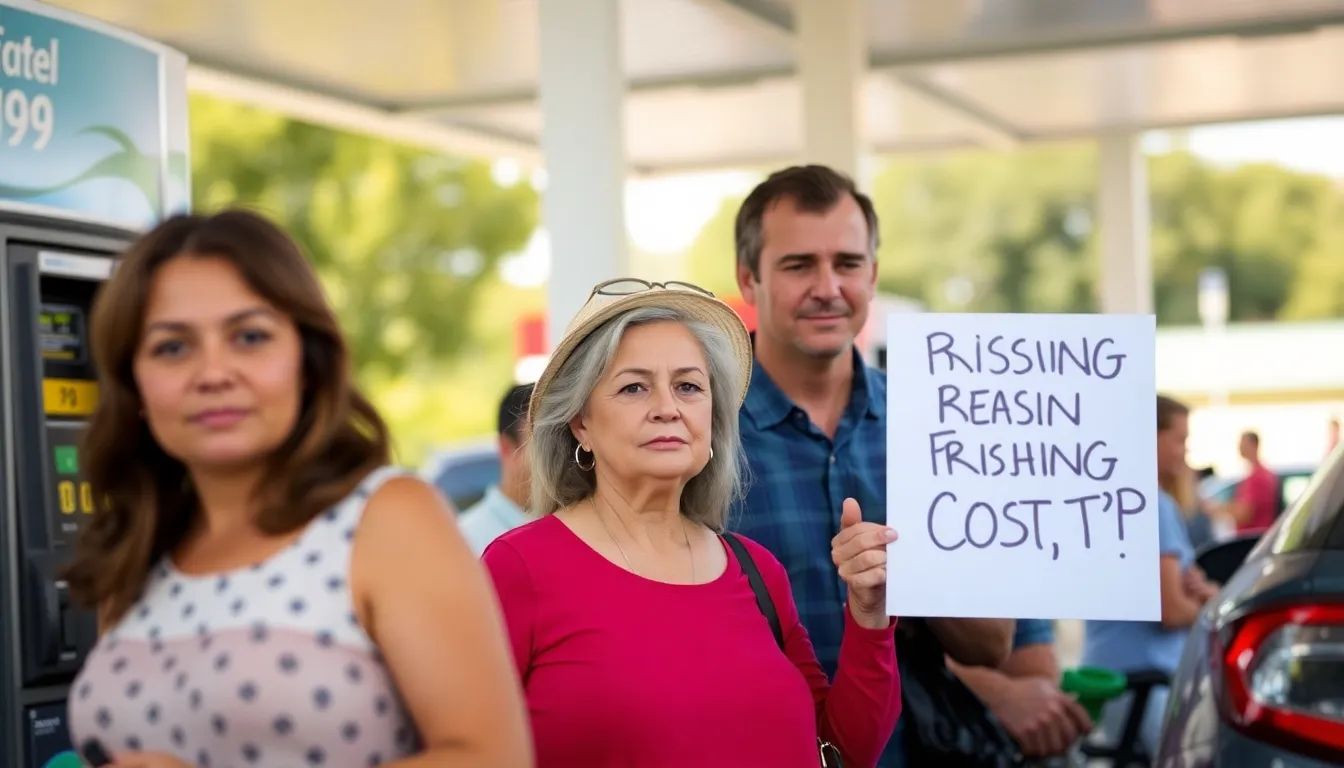
Industries such as logistics and delivery services are also grappling with the consequences of elevated fuel prices. Increased shipping costs can lead to higher prices for goods, affecting consumers and businesses alike. However, this situation can also create opportunities for companies that invest in fuel-efficient technologies or alternative energy sources, as demand for sustainable solutions rises.
- Increased financial strain on low- and middle-income households.
- Potential rise in remote work as commuting costs become prohibitive.
- Higher operational costs for businesses leading to increased prices for consumers.
- Opportunities for innovation in fuel efficiency and alternative energy sectors.
Policy responses may also emerge as a result of these economic pressures. Governments might consider subsidies for public transportation or incentives for electric vehicle adoption to alleviate the burden on consumers. As discussions around energy independence and sustainability gain momentum, the landscape of energy policy could shift significantly in response to the ongoing challenges posed by high gas prices.
A: High gas prices can significantly impact your daily budget by increasing transportation costs. This may lead to adjustments in spending on other essentials. A: Sustained high gas prices can lead to inflation, affecting overall living costs. It may also influence consumer behavior and spending habits. A: Yes, consider carpooling, using public transport, or planning trips more efficiently to reduce fuel consumption. Additionally, budgeting for fuel costs can help manage expenses. A: High gas prices can lead to increased costs for goods and services, impacting overall economic growth. Businesses may pass on these costs to consumers, leading to inflation. A: If you’re struggling, explore local assistance programs, consider alternative transportation options, and review your budget to find areas to cut back.
Frequently asked questions about gas prices and finances
Key takeaways and future outlook on gas prices
The rising gas prices have undeniably impacted household budgets, forcing many to reevaluate their spending habits and financial priorities. As consumers adjust to this new reality, understanding the broader implications becomes essential for effective financial planning. The ongoing fluctuations in fuel costs may continue to influence both personal finances and the overall economy.
Looking ahead, it is crucial for individuals to remain vigilant about price trends and consider alternative strategies to mitigate the financial strain caused by high gas prices. Awareness of market dynamics and proactive budgeting can help navigate this challenging landscape.
- Monitor fuel price trends: Keeping an eye on gas price fluctuations can help in planning trips and managing fuel budgets more effectively.
- Explore alternative transportation: Utilizing public transit, carpooling, or biking can significantly reduce fuel expenses.
- Adjust household budgets: Prioritizing essential expenses and cutting back on non-essentials may be necessary to accommodate rising fuel costs.
- Consider fuel-efficient vehicles: Investing in a fuel-efficient or electric vehicle can offer long-term savings as gas prices remain volatile.
- Stay informed on energy policies: Changes in government policies regarding energy can impact gas prices; being informed can aid in better financial planning.