


In recent years, the financial stakes in AAA game development have escalated dramatically. According to a report from Newzoo, the global gaming market is projected to reach $218.7 billion by 2024, yet many AAA titles struggle to recoup their investments. This financial pressure has led to a trend of risk-averse decision-making, stifling creativity and experimentation within development teams. For more insights on the impact of economic trends on other industries, see our article on Budget Airlines.
Industry leaders, including Glen Schofield, have voiced the need for a cultural shift towards embracing creativity as a core component of game development. Schofield, known for his work on the Dead Space series, emphasizes that fostering a creative environment can lead to groundbreaking innovations that resonate with players. As studios face increasing scrutiny from both consumers and shareholders, the call for a more imaginative approach to game design has never been more urgent. His perspective highlights a critical aspect of creative growth not only in gaming but across various fields.
The impact of these challenges is further compounded by the rise of indie games, which often prioritize unique storytelling and gameplay experiences over blockbuster budgets. Titles like Hades and Celeste have demonstrated that creativity can triumph over financial constraints, prompting AAA studios to rethink their strategies. As the industry evolves, the balance between creativity and commercial viability remains a critical issue that will shape the future of gaming.
Understanding the background of AAA game development
The AAA game development industry has undergone significant transformation over the decades, evolving from small teams creating simple games to large corporations investing hundreds of millions of dollars into blockbuster titles. This shift can be traced back to the late 1990s and early 2000s, when the rise of powerful gaming consoles and the advent of online gaming began to reshape the landscape. As technology advanced, so did the expectations of players, leading to a demand for high-quality graphics, intricate storylines, and immersive gameplay.
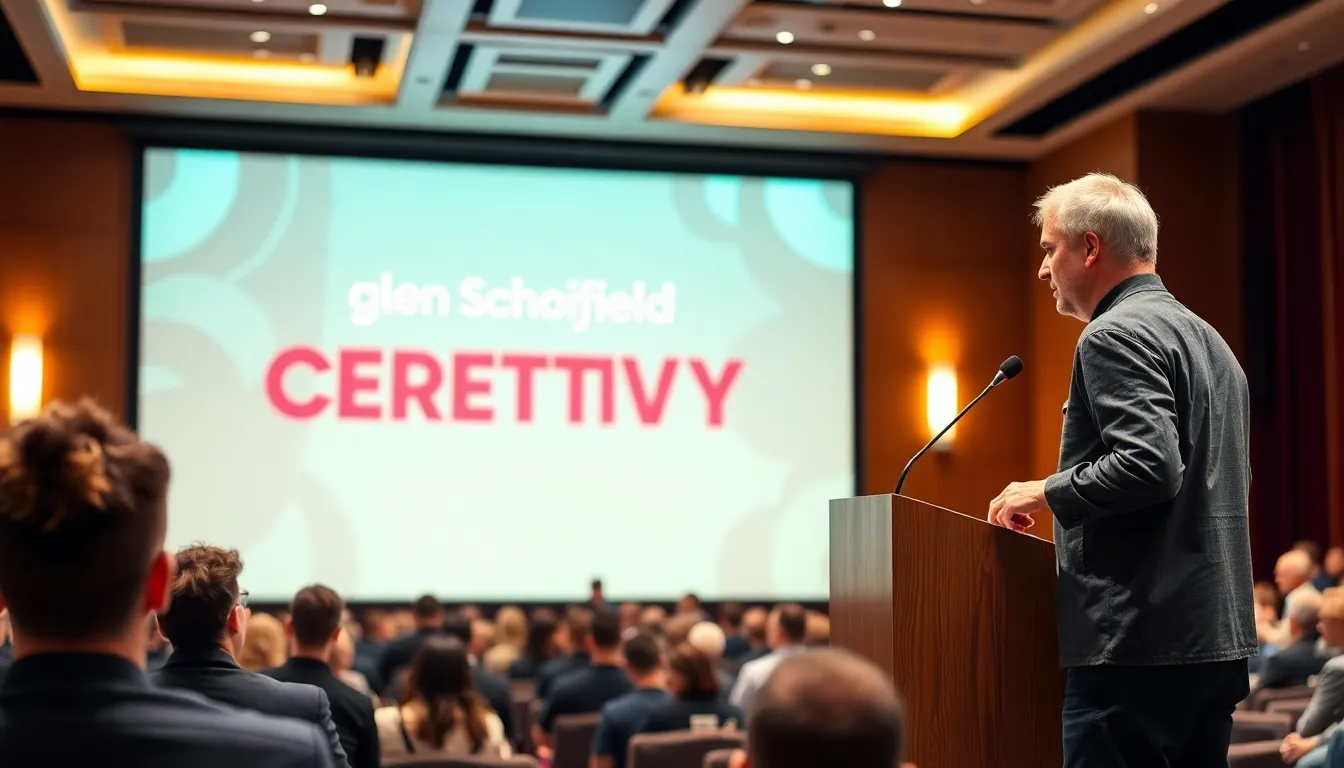
However, with the increasing costs associated with developing AAA titles, the industry has faced numerous challenges. The financial stakes are high, and the pressure to deliver commercially successful games has often stifled creativity. Many studios have opted for sequels and franchises that guarantee a return on investment, rather than taking risks on innovative new ideas. This cycle of risk aversion has contributed to a stagnation in creativity, leaving many industry veterans, like Glen Schofield, advocating for a renewed focus on creative processes.
The Impact of Market Trends
The gaming market has also been heavily influenced by broader economic trends and consumer behavior. The rise of mobile gaming and free-to-play models has shifted player expectations, leading to a more casual gaming culture. This change has forced traditional AAA developers to reevaluate their strategies, often resulting in a blend of monetization techniques that can dilute the creative vision of the games. As a result, many developers are now seeking ways to balance commercial viability with artistic expression, highlighting the importance of creativity in overcoming industry woes.
Key milestones, such as the launch of the PlayStation 2 and the Wii, marked significant turning points in the industry, expanding the audience and shaping the way games are developed. These advancements led to a boom in the market, but they also set a precedent for the kinds of games that would dominate sales charts, often at the expense of originality. As the industry continues to grapple with these challenges, voices like Schofield’s are becoming increasingly important in advocating for a return to creativity as a means of revitalizing the AAA gaming experience. The importance of such innovation can be compared to the stories of resilience seen in London Zoo.
Key stakeholders and their roles in the AAA gaming landscape
The AAA gaming industry is a complex ecosystem involving various stakeholders, each with distinct interests and objectives. Key players include game developers, publishers, consumers, and regulatory bodies, all of whom contribute to the industry’s dynamics and challenges.
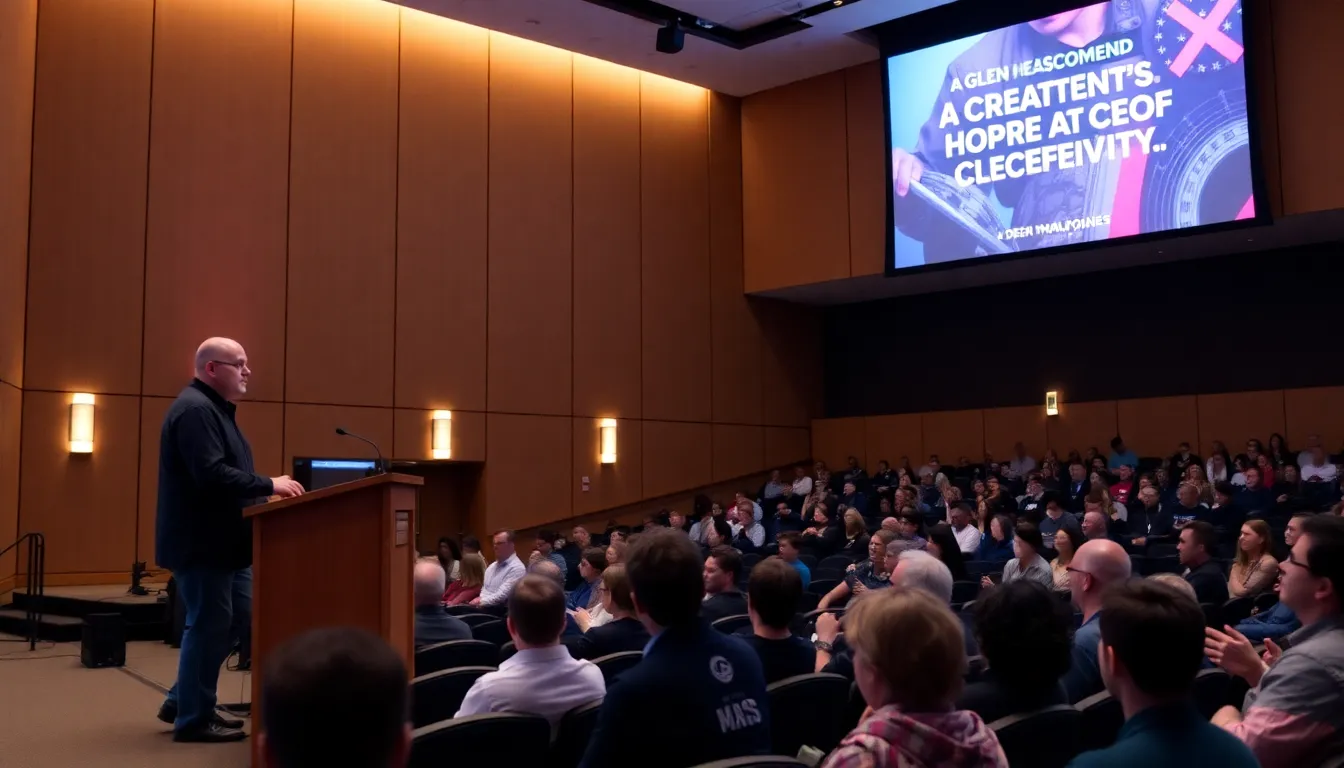
Game developers, such as Glen Schofield, are at the forefront of creativity and innovation. Their primary interest lies in producing high-quality games that resonate with players. However, they often face pressure from publishers to meet tight deadlines and budget constraints, which can stifle creativity. This conflict can lead to a trade-off between artistic vision and commercial viability.
Publishers, like Electronic Arts and Activision Blizzard, play a crucial role in funding and marketing AAA titles. Their interests are primarily financial, focusing on maximizing profits and market share. This can lead to economic issues such as the prioritization of sequels and franchises over original content, potentially limiting the diversity of gaming experiences available to consumers.
- Consumer interests: Gamers seek engaging, innovative experiences but may be frustrated by monetization strategies like microtransactions.
- Regulatory bodies: Governments are increasingly scrutinizing the industry for issues such as data privacy and gambling-like mechanics in games.
- Trade-offs in creativity: Developers may need to compromise on creative ideas to align with publisher expectations and consumer demands.
Legal and economic issues are also prevalent in the AAA gaming landscape. Intellectual property rights and copyright concerns can complicate the relationship between developers and publishers. Additionally, the rising costs of game development necessitate a focus on profitability, which can lead to a risk-averse culture that hinders innovation.
How creativity can influence the future of gaming
The AAA gaming industry, traditionally dominated by large studios and high-budget productions, faces a myriad of challenges that affect various stakeholders, including developers, publishers, and gamers. Glen Schofield’s emphasis on creativity suggests a paradigm shift that could impact not only the industry but also the broader market and its consumers.
In the short term, the push for creativity may lead to a re-evaluation of project management and funding strategies within gaming studios. Developers might find themselves with more freedom to experiment, while publishers may need to adapt their expectations regarding timelines and profitability. This could result in a more diverse range of games, appealing to niche markets that have been overlooked.
Mid-term impacts could include a transformation in gaming culture, where innovative titles gain traction and redefine consumer preferences. As more studios embrace creative risk-taking, we may see a rise in indie games that challenge conventional norms, leading to a richer gaming landscape. This shift could also influence policy discussions around funding and support for creative projects in the tech and entertainment sectors.

- Developers: Increased creative freedom may boost job satisfaction and attract new talent.
- Publishers: A shift in focus could lead to more varied portfolios and revenue streams.
- Gamers: Players may benefit from a wider selection of innovative and engaging content.
- Investors: Opportunities may arise in funding unique projects with potential for high returns.
However, this creative shift also carries risks. The potential for financial failure in experimental projects could deter investors and lead to job instability within studios. Additionally, not all creative endeavors will resonate with audiences, which could result in backlash against studios that stray too far from established formulas. Balancing creativity with market viability will be crucial as the industry navigates this transformative phase.
A: Glen Schofield suggests that constant creativity is essential for innovation in the gaming industry. He believes that embracing creativity can lead to unique game experiences and solutions to existing problems. A: The AAA gaming industry faces several challenges, including high development costs, long production times, and the need for innovative gameplay. These issues can hinder creativity and lead to repetitive game designs. A: By fostering a culture of creativity, developers can explore new ideas and approaches, leading to more engaging and original games. This can help attract players and improve overall industry health. A: Key stakeholders include game developers, publishers, investors, and players. Each group plays a vital role in shaping the direction and success of AAA games. A: Player feedback is crucial as it helps developers understand player preferences and expectations. Incorporating this feedback can lead to more successful and well-received games.
Frequently asked questions about creativity in gaming
Key takeaways and future outlook for the AAA industry
Glen Schofield’s emphasis on creativity as a driving force in the AAA gaming industry highlights the need for a shift in how games are developed and marketed. By prioritizing innovative ideas and unique storytelling, developers can address the current challenges of stagnation and rising production costs. This approach not only fosters a more vibrant gaming culture but also encourages players to engage with content that resonates on a deeper level.
As the industry evolves, it is essential for companies to remain adaptable and open to new concepts. Embracing creativity can lead to fresh gameplay mechanics, immersive narratives, and ultimately, a more sustainable business model. Observing these trends will be crucial for stakeholders aiming to thrive in an increasingly competitive landscape.
- Prioritize creative brainstorming sessions within development teams to cultivate innovative ideas.
- Encourage collaboration across departments to integrate diverse perspectives into game design.
- Invest in player feedback mechanisms to understand audience preferences and enhance engagement.
- Explore new technologies and platforms that can support unique gaming experiences.
- Monitor industry trends that emphasize storytelling and character development as key drivers of player interest.