


Recent surveys indicate that a significant portion of the American public supports increased taxes on the wealthy. According to a Gallup poll conducted in April 2023, approximately 60% of respondents expressed favor for higher taxes on individuals earning over $1 million annually. This sentiment reflects growing frustration with the current tax system, which many perceive as disproportionately benefiting the richest citizens.
Key political figures, including Senator Elizabeth Warren and Representative Alexandria Ocasio-Cortez, have championed proposals for wealth taxes that would target billionaires specifically, as discussed in our article on voter attitudes towards net zero. In 2021, Warren introduced a plan that would impose a 2% annual tax on households with a net worth exceeding $50 million, escalating to 3% for those worth over $1 billion. These proposals have sparked significant debate, drawing both support and criticism from various sectors of society.
Critics of wealth taxation often argue that such policies could lead to capital flight, where wealthy individuals relocate to countries with more favorable tax regimes. However, proponents counter that the potential revenue generated from taxing the ultra-rich could fund vital public services and initiatives, thereby benefiting the broader population. This tension highlights the complexity of designing a tax system that balances equity and economic growth.
Historical Context of Wealth Taxation in Society
The concept of taxing wealth is not new; it has been a part of economic policy discussions for centuries. Historically, societies have grappled with the balance between wealth accumulation and social equity. In the early 20th century, many Western nations introduced progressive taxation systems aimed at redistributing wealth and funding public services. This was particularly evident in the aftermath of the Great Depression, when governments sought to mitigate the effects of economic inequality through taxation reforms.
One significant milestone in the evolution of wealth taxation occurred during the post-World War II era. Many countries implemented high marginal tax rates on the wealthy, with the United States reaching rates as high as 91% during the 1950s. This period saw robust economic growth and a burgeoning middle class, suggesting that higher taxes on the rich could contribute to broader economic stability and prosperity.
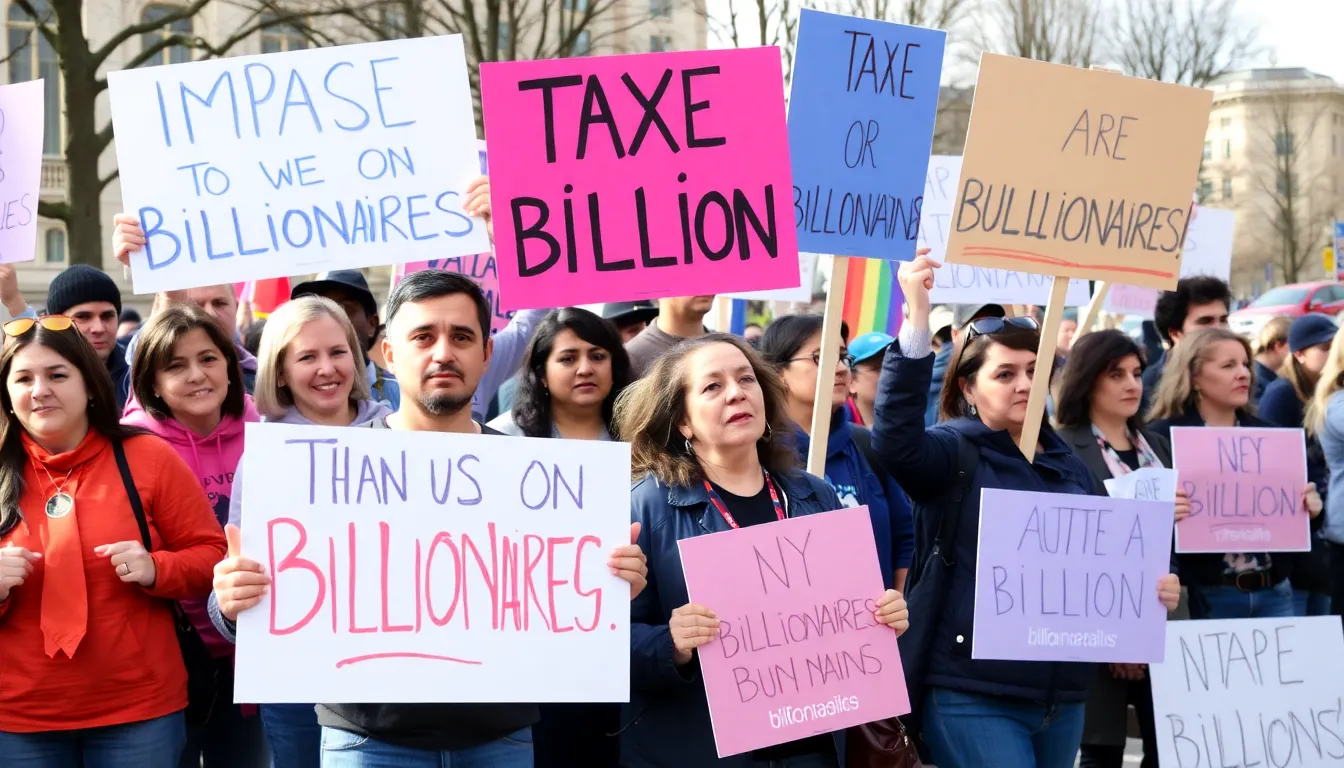
However, the political landscape shifted dramatically in the late 20th century, particularly with the rise of neoliberalism in the 1980s. This ideology favored deregulation, tax cuts for the wealthy, and a reduction in government spending. As a result, many countries, including the U.S., slashed taxes on the highest earners, leading to an increase in income inequality. The narrative surrounding taxes began to change, with slogans like “tax the rich” becoming politically charged and often met with backlash from wealthy individuals and their advocates.
The Impact of Wealth Inequality
The consequences of reduced taxation on the wealthy have been profound, echoing themes seen in military and geopolitical shifts. Wealth inequality has reached unprecedented levels, with a small percentage of individuals holding a significant portion of global wealth. This disparity has implications for social mobility, public health, and education, as resources become concentrated among the affluent. Critics argue that failing to tax billionaires adequately not only exacerbates inequality but also undermines the social contract, where the wealthy are expected to contribute to the society that enables their success.
As discussions around wealth taxation resurface in contemporary politics, the tension between the wealthy and the broader population continues to shape public discourse. Advocates for wealth taxes argue that a fair tax system is essential for addressing the needs of the many, while opponents often frame such measures as punitive, claiming they hurt economic growth and innovation. Understanding this historical context is crucial for navigating the ongoing debates about taxation and its implications for society as a whole.
Examining Stakeholders and Key Issues in the Taxation Debate
The debate surrounding the taxation of the wealthy, particularly billionaires, involves a diverse array of stakeholders, each with their own interests and perspectives. Key actors include wealthy individuals, government entities, advocacy groups, and the general public. Understanding these stakeholders is crucial for grasping the complexities of the taxation issue.
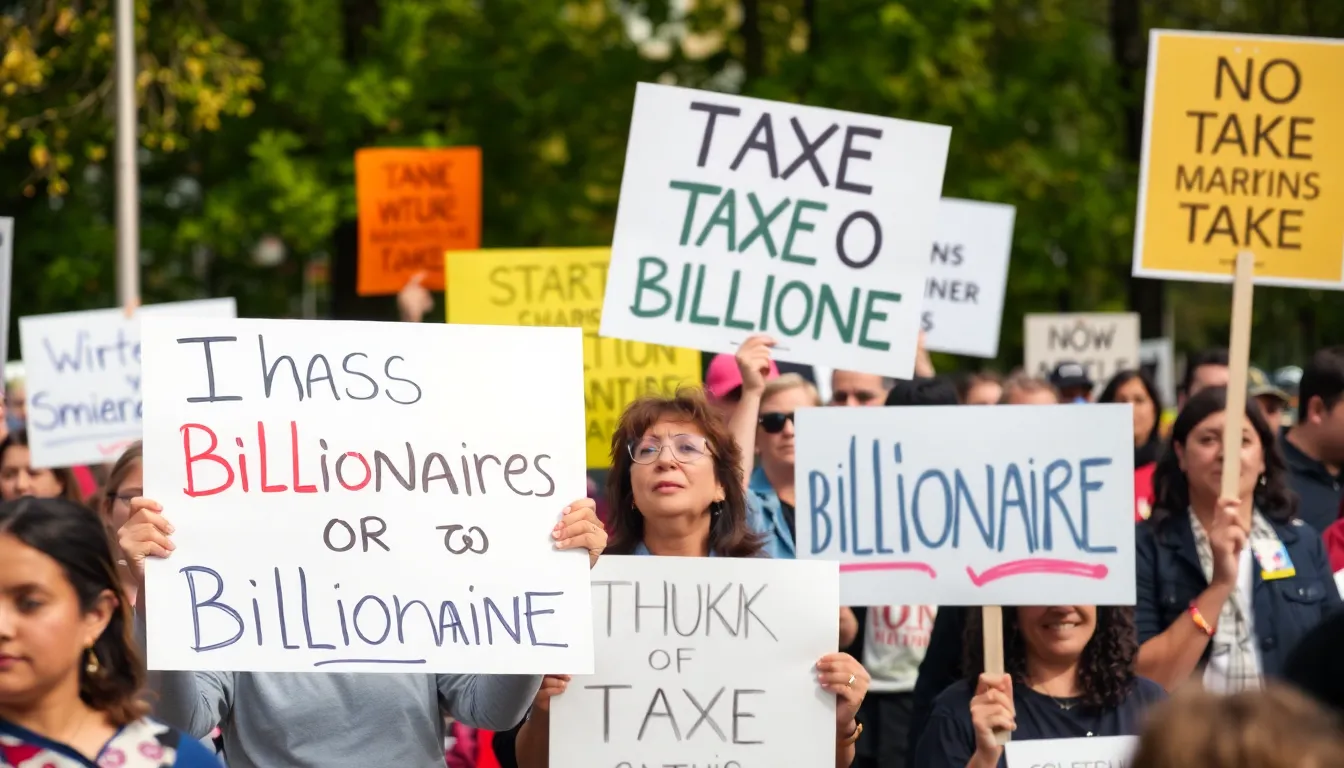
Wealthy individuals, particularly billionaires, often argue against increased taxation, claiming it infringes on their rights and undermines their contributions to the economy. Their interests typically revolve around maintaining their wealth and ensuring financial freedom. On the other hand, government entities have a vested interest in tax revenues to fund public services and infrastructure, which can lead to tensions between the needs of the state and the desires of the wealthy.
Advocacy groups and social movements, such as those promoting wealth redistribution, argue that not taxing billionaires exacerbates income inequality and hinders social mobility. They emphasize that a fair tax system is essential for providing public goods and services that benefit society as a whole. This creates a conflict between the wealthy’s desire for lower taxes and the public’s demand for equitable contributions to society.
- Economic Impact: Increased taxes on the wealthy could provide funding for essential services like education and healthcare.
- Social Equity: Advocates argue that taxing billionaires is necessary to address systemic inequalities in wealth distribution.
- Political Ramifications: The taxation debate can influence electoral outcomes, as candidates align with or against the interests of wealthy donors.
- Legal Challenges: Proposals for higher taxes on the wealthy may face legal scrutiny, raising questions about their constitutionality.
Ultimately, the ongoing discourse around taxing the rich highlights the delicate balance between fostering economic growth and ensuring social equity, reflecting broader societal challenges discussed in our resource about public health concerns. The interests of stakeholders often collide, making it essential for policymakers to navigate these challenges thoughtfully.
The Effects of Wealth Taxation on Society and the Economy
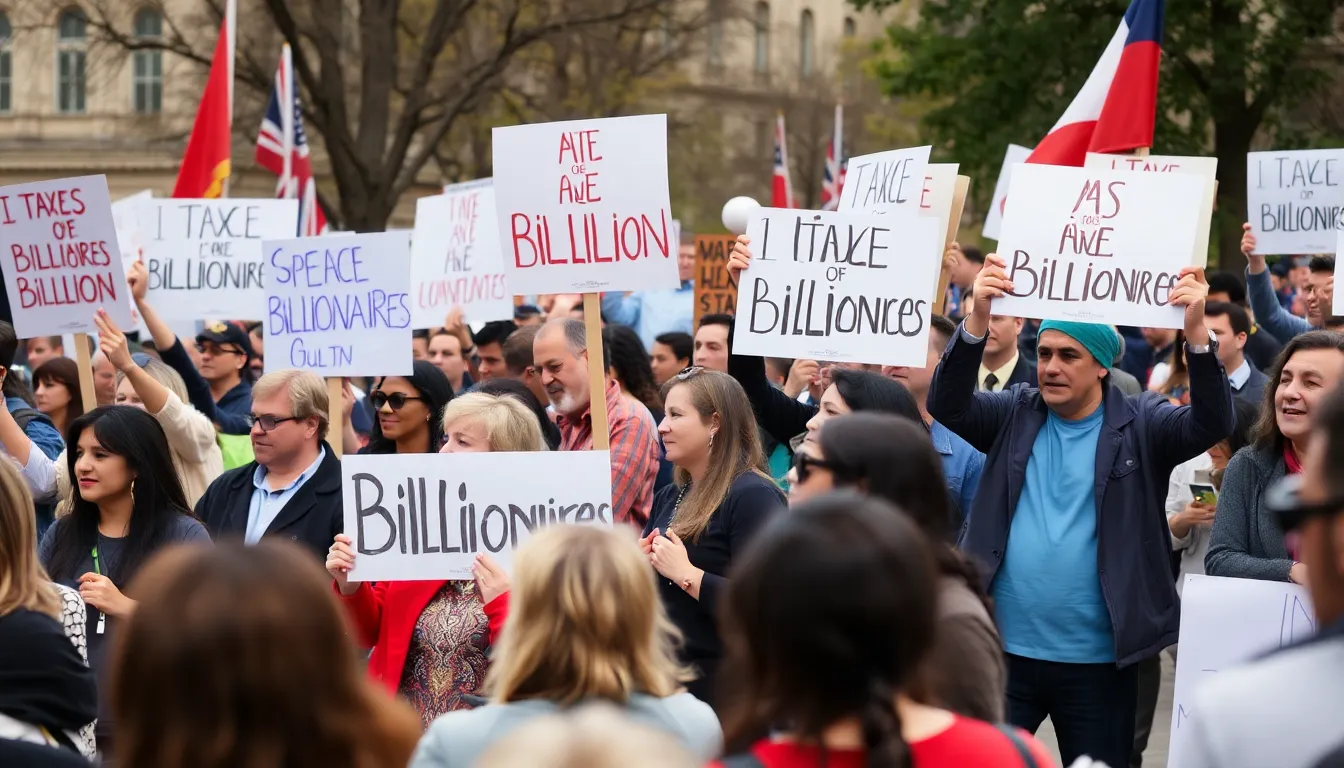
The debate surrounding wealth taxation primarily affects various socioeconomic groups, including low to middle-income families, small business owners, and, notably, billionaires. While the wealthy may feel targeted by calls to ‘tax the rich,’ the implications of not implementing such taxes extend far beyond their feelings, impacting the broader economy and society as a whole.
In the short term, the absence of wealth taxes can exacerbate income inequality, leading to decreased consumer spending among lower-income groups. This can result in a stagnation of economic growth, as fewer resources are circulated within the economy. Conversely, implementing wealth taxes could lead to increased funding for public services, benefiting education, healthcare, and infrastructure, which are crucial for fostering a healthy economy.
In the mid-term, the effects of wealth taxation could reshape business landscapes. Industries that rely heavily on consumer spending, such as retail and hospitality, may experience growth if wealth taxes lead to a more equitable distribution of income. However, businesses owned by billionaires may face challenges, including higher operational costs and potential tax burdens that could affect their investment strategies and hiring practices.
- Risks: Increased resentment among wealthy individuals could lead to capital flight, where billionaires move their assets to more favorable tax environments.
- Opportunities: Enhanced public services funded by wealth taxes could create new markets and job opportunities, particularly in sectors like renewable energy and technology.
- Impact on Policy: A shift towards wealth taxation could prompt governments to reconsider fiscal policies, potentially leading to more progressive taxation systems overall.
Regions with high concentrations of wealth may experience significant pushback against wealth taxation, as affluent individuals lobby against such measures. However, public sentiment often favors wealth redistribution, which could influence local and national policies in favor of more equitable taxation practices.
A: Many wealthy individuals perceive the phrase as a personal attack on their success and contributions to society. This reaction can stem from a misunderstanding of the broader economic implications of wealth taxation. A: When billionaires are not taxed adequately, the burden often shifts to the middle and lower classes. This can lead to reduced public services and increased inequality, impacting overall economic stability. A: Taxing the wealthy can provide essential funding for public services, education, and infrastructure. It can help reduce income inequality and promote a more equitable society. A: Countries like Sweden and Norway have implemented wealth taxes that have contributed to their strong social welfare systems. These examples show that wealth taxation can be effective when designed properly. A: Opponents argue that taxing the wealthy can discourage investment and economic growth. They believe it may lead to capital flight, where wealthy individuals move their assets to lower-tax jurisdictions.
Frequently Asked Questions About Wealth Taxation
Key Takeaways and Future Outlook on Taxing the Wealthy
The ongoing debate surrounding the taxation of billionaires highlights a critical intersection of economic equity and societal welfare. As discussions intensify, it is essential to recognize that the financial burden on the wealthy has far-reaching implications for the broader population. A failure to address wealth inequality through taxation not only perpetuates economic disparities but also undermines public services and infrastructure that benefit everyone.
Moving forward, policymakers and stakeholders must engage in constructive dialogues about equitable taxation. The focus should be on creating a fair system that alleviates the financial strain on lower and middle-income households while ensuring that the wealthiest contribute their fair share. This approach can lead to a more balanced and sustainable economy.
- Economic Stability: Increased taxation on the wealthy could provide essential funding for public services, enhancing overall economic stability.
- Public Sentiment: Addressing the feelings of the wealthy should not overshadow the pressing needs of the majority; public support for equitable taxation is crucial.
- Policy Innovation: Future tax reforms should focus on innovative strategies that effectively target wealth accumulation without stifling economic growth.
- Global Trends: Observing international approaches to wealth taxation may offer valuable insights for crafting effective policies domestically.