


Recent outbreaks have highlighted the importance of public awareness and preventive measures. In the past year, several states, including New Mexico and Colorado, have experienced spikes in reported cases, prompting local health departments to issue alerts and guidelines for residents. For more information on preventive measures, you can read about understanding the effects of hot weather on the body. The CDC recommends that individuals living in or visiting areas with known hantavirus activity take precautions, such as sealing up homes and avoiding contact with rodents.
The ongoing situation has drawn attention to the broader implications of zoonotic diseases, which are diseases that can be transmitted from animals to humans. Experts emphasize that environmental factors, such as climate change and habitat encroachment, may be contributing to the rise in hantavirus cases by increasing rodent populations and their interactions with humans. For an insightful look into how environmental trends affect health, explore our article on wellbeing gardens that help combat isolation. This trend underscores the need for continued surveillance and research to better understand and manage the risks associated with hantavirus.
In light of these developments, health officials are urging communities to remain vigilant and informed. Educational campaigns are being launched to ensure that people are aware of the symptoms of hantavirus pulmonary syndrome (HPS), which can include fever, muscle aches, and difficulty breathing. Early recognition and treatment are crucial for improving outcomes in infected individuals, making awareness a key component in combating the virus.
Background information on hantavirus and its transmission
Hantavirus is a viral infection that primarily spreads through contact with infected rodent droppings, urine, or saliva. The disease was first identified in the United States in 1993, following an outbreak in the Four Corners region, which encompasses parts of Arizona, New Mexico, Colorado, and Utah. This outbreak was linked to the deer mouse, a common rodent in the area, and led to the identification of the Sin Nombre virus, the most prevalent strain of hantavirus in North America.
The emergence of hantavirus in the U.S. highlighted a growing concern about zoonotic diseasesillnesses that can be transmitted from animals to humans. As urban areas expand into rural territories, the interaction between wildlife and human populations increases, raising the risk of such diseases. The Centers for Disease Control and Prevention (CDC) has since emphasized the importance of understanding the ecological factors contributing to hantavirus transmission, including changes in climate and land use.
Historically, hantavirus was known in Asia and Europe long before its recognition in North America. The first cases of hantavirus pulmonary syndrome (HPS) were reported in the 1950s in the Korean War, associated with a different strain of the virus. This historical context underscores the virus’s long-standing presence in various ecosystems and its potential to emerge in new regions due to environmental changes.
The Role of Climate Change
Climate change has been identified as a significant factor influencing the spread of hantavirus. Warmer temperatures and altered precipitation patterns can lead to increased rodent populations, as these conditions create favorable habitats for breeding. Consequently, regions that were previously less affected by hantavirus may experience outbreaks as rodent populations expand and come into closer contact with humans. This is similar to how other environmental factors have prompted public health concerns, such as those surrounding zoonotic diseases; a topic worth exploring further.
Understanding the historical and ecological context of hantavirus is crucial for public health preparedness. As scientists continue to study the virus and its transmission dynamics, awareness of past outbreaks and the factors that contributed to their emergence can help inform strategies to mitigate future risks.
Key stakeholders and issues related to hantavirus outbreaks
The hantavirus poses significant public health concerns, drawing the attention of various stakeholders including government health agencies, researchers, and the general public. Each of these actors has distinct interests that shape their responses to outbreaks and influence public perception.
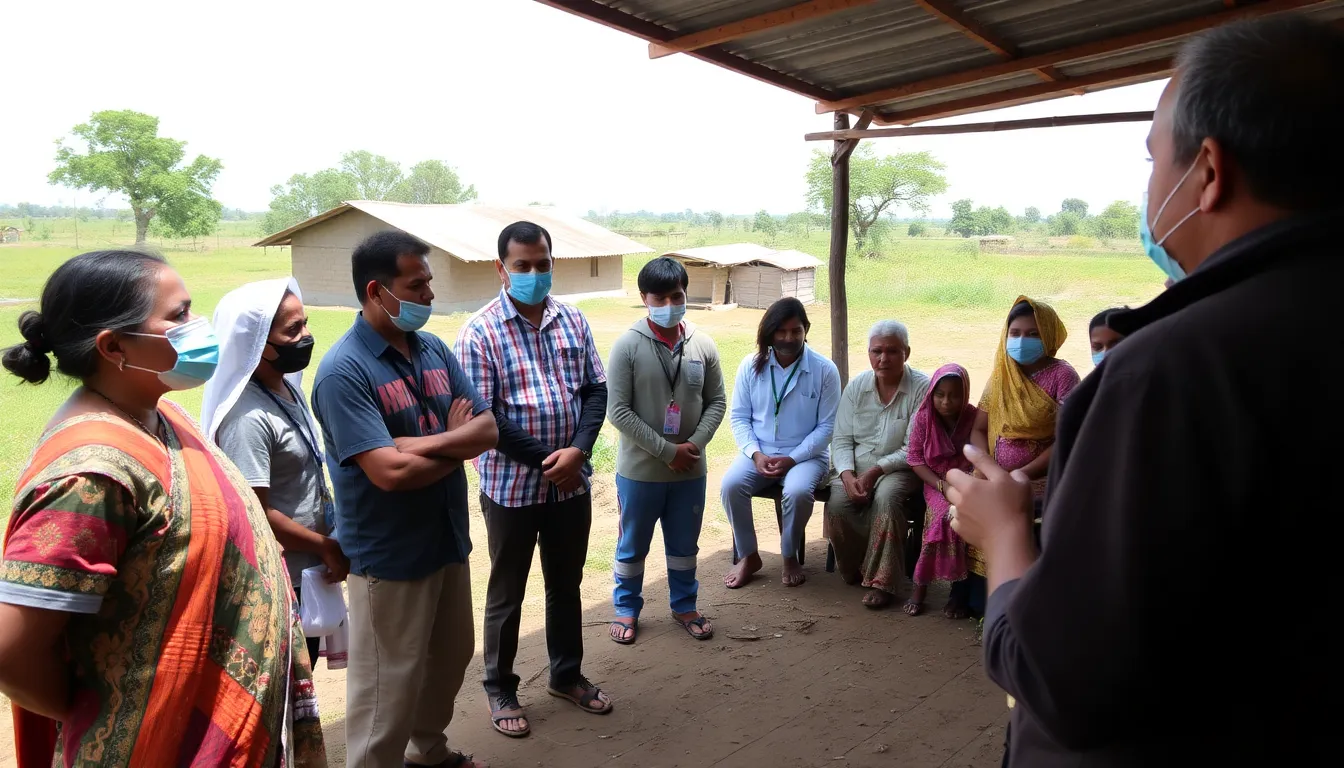
Government health agencies, such as the Centers for Disease Control and Prevention (CDC) in the United States and similar organizations worldwide, prioritize the protection of public health. Their interests include monitoring outbreaks, conducting research, and providing guidance on prevention strategies. These agencies often face challenges in resource allocation, balancing immediate response needs with long-term research funding.
Researchers play a crucial role in understanding hantavirus transmission and developing effective prevention measures. Their interests lie in securing funding for studies, publishing findings, and informing public health policies. However, conflicts may arise between academic pursuits and the urgency of public health responses, as immediate action may sometimes overshadow the need for comprehensive research.
The general public, particularly those living in areas with known hantavirus risks, has a vested interest in understanding the dangers and preventative measures associated with the virus. Misinformation can lead to unnecessary panic or complacency, highlighting the need for clear communication from health authorities. Additionally, economic considerations come into play as communities grapple with the impact of potential outbreaks on local economies, particularly in rural areas reliant on tourism and outdoor activities.
- Public health response: Balancing immediate action with long-term research needs.
- Funding challenges: Securing adequate resources for research and outbreak management.
- Misinformation: The impact of public perception on health behaviors and community response.
- Economic implications: Effects of outbreaks on local economies and tourism.
- Collaboration: The need for partnerships between researchers, health agencies, and communities.
Potential impacts on public health and communities
The hantavirus poses a significant threat to specific groups, particularly those living in rural areas or regions with high rodent populations. Individuals who work outdoors, such as farmers, park rangers, and construction workers, are at increased risk of exposure. Additionally, residents in regions prone to natural disasters that displace rodents may also face heightened vulnerability.
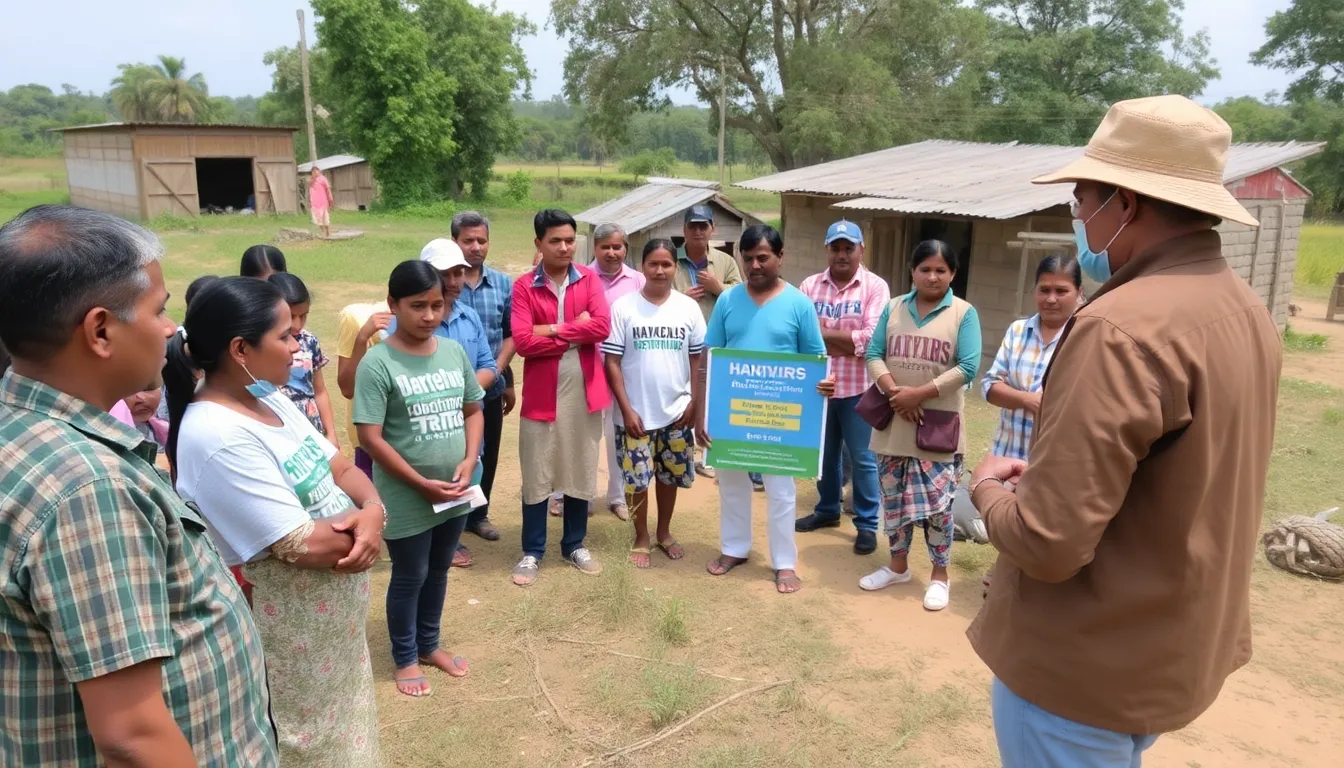
In the short term, communities may experience increased anxiety and concern regarding hantavirus transmission, leading to changes in behavior and public health responses. Local health departments might implement educational campaigns to inform residents about prevention measures, which could disrupt daily activities. Businesses in affected areas may also see a decline in foot traffic as people become more cautious about spending time outdoors.
In the mid-term, the impact on public policy could be substantial. Governments may allocate more resources towards pest control and rodent management programs, which could shift funding away from other public health initiatives. Additionally, there may be increased regulations on industries that contribute to rodent habitats, such as agriculture and waste management.
- Short-term impacts: Increased public health messaging and community anxiety.
- Mid-term impacts: Potential shifts in funding and regulations affecting various industries.
- Opportunities: Growth in pest control and public health sectors.
While the hantavirus presents significant risks, it also creates opportunities for businesses and communities to enhance their health protocols and environmental practices. Companies specializing in pest management may find new markets, while public health organizations can strengthen their outreach and education efforts, ultimately fostering greater community resilience against zoonotic diseases.
A: Hantavirus is a viral infection primarily transmitted through contact with rodent droppings, urine, or saliva. It can also spread through inhalation of contaminated dust. A: Symptoms of hantavirus infection can include fever, muscle aches, and fatigue, followed by respiratory issues. Severe cases can lead to hantavirus pulmonary syndrome. A: Hantavirus infections are relatively rare in the United States, with only a few dozen cases reported annually. However, outbreaks can occur in specific regions. A: To prevent hantavirus exposure, it is important to avoid contact with rodents, keep living areas clean, and use protective gear when cleaning rodent-infested areas. A: Currently, there is no vaccine available for hantavirus. Preventative measures are crucial to reduce the risk of infection.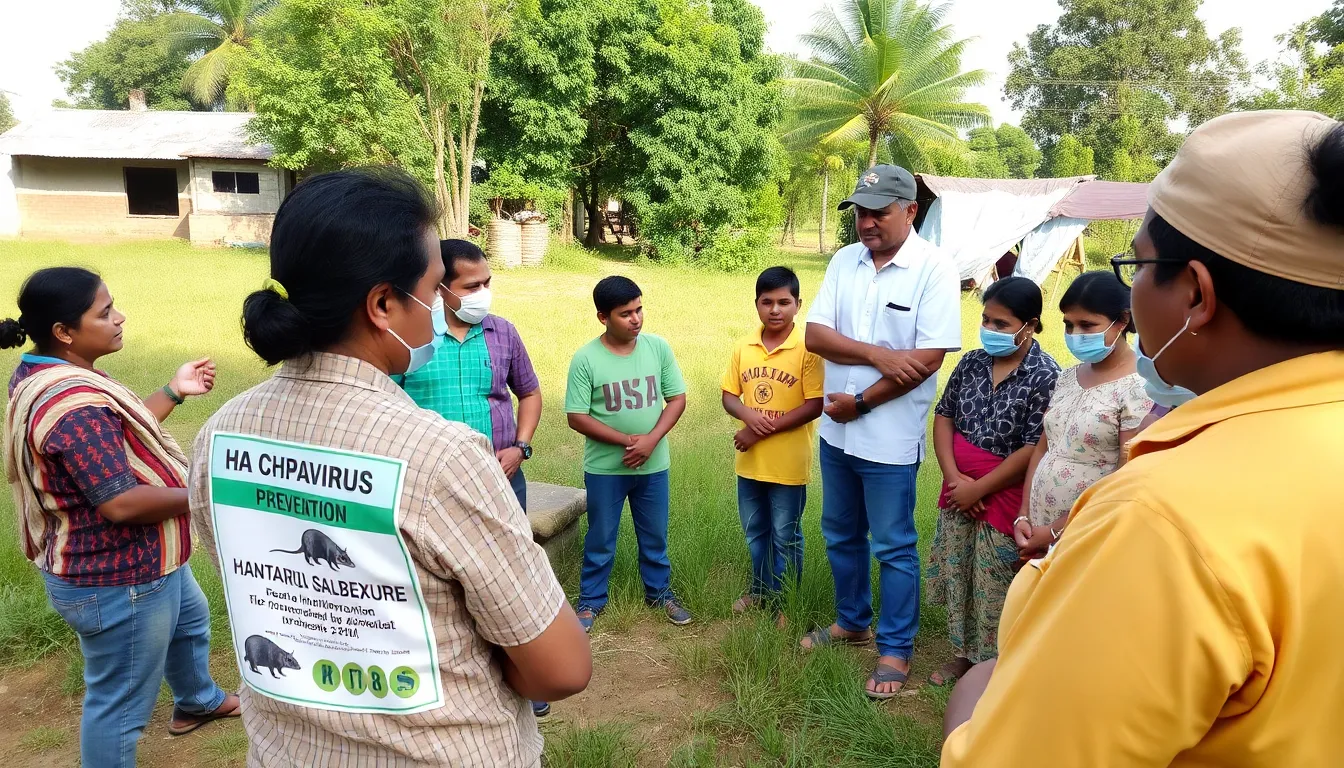
Frequently asked questions about hantavirus
Key takeaways and future outlook on hantavirus concerns
As awareness of hantavirus continues to grow, it is essential to remain informed about its implications for public health. While the risk of contracting hantavirus remains relatively low for most people, certain scenarios warrant attention, particularly for those living in or visiting areas where rodent populations are prevalent. Understanding the transmission methods and symptoms can help individuals take necessary precautions.
Monitoring environmental conditions and rodent activity will be crucial in preventing outbreaks. Public health initiatives aimed at educating communities about hantavirus transmission and prevention can significantly reduce risks. Continued research into the virus and its effects will also provide valuable insights into managing potential threats.
- Stay informed: Keep up with local health advisories and reports regarding hantavirus outbreaks in your area.
- Prevent rodent exposure: Implement measures to minimize contact with rodents, such as proper waste management and sealing entry points in homes.
- Recognize symptoms: Be aware of the early signs of hantavirus, such as fever and muscle aches, to seek timely medical attention.
- Community education: Support local initiatives that educate the public on hantavirus prevention and safety measures.
- Research and monitoring: Follow advancements in research related to hantavirus and stay updated on any changes in its transmission dynamics.