


Developed by a small indie studio, the game challenges players to navigate a world where they have only one life, mirroring the snail’s relentless pursuit. The game incorporates elements of strategy and time management, as players must make decisions that impact their progress while avoiding obstacles. This adaptation not only highlights the meme’s enduring popularity but also showcases the creativity of indie game developers in transforming viral content into engaging gameplay. For more on indie game development, check our article on Australian indie video game Mixtape.
Since its release in early October 2023, the game has received a mixed but generally positive response from players and critics alike. Many appreciate the unique blend of humor and challenge, while others critique its simplicity. Nevertheless, the game has sparked conversations about the role of memes in contemporary culture and their potential for adaptation into other forms of entertainment.
The success of the Immortal snail game exemplifies a growing trend where internet phenomena are reimagined into interactive experiences. This trend reflects a broader cultural shift towards embracing digital content in various formats, from memes to video games. As such adaptations continue to emerge, they underscore the evolving relationship between online communities and creative expression.
Understanding the origins of the Immortal snail meme
The Immortal Snail meme emerged in the early 2020s as a humorous commentary on the concept of existential dread and the human experience with time. It features a simple premise: a snail that is immortal and constantly pursuing the player, who can only escape its slow but inevitable approach for a limited time. This absurd juxtaposition resonated with many, leading to its viral spread across social media platforms, where users began to explore the implications of an immortal being in a world governed by finite lives.

The meme can be traced back to a series of online discussions that highlighted the absurdity of life and the inevitability of death. It tapped into an existing cultural fascination with immortality, a theme prevalent in literature and film, but presented it in a light-hearted, almost ludicrous manner. The snail’s unyielding pursuit became a metaphor for the relentless nature of time and the human struggle against it, which many found relatable during the tumultuous years of the pandemic.
The rise of meme culture and gaming
The transition from meme to game illustrates the growing intersection of meme culture and the gaming industry. As memes have become a significant part of internet culture, developers have increasingly sought to capitalize on their popularity. The Immortal Snail meme’s unique blend of humor and existential themes made it a prime candidate for adaptation into a desktop game. This shift reflects a broader trend where gaming is not only a form of entertainment but also a medium for exploring complex social themes, echoing the sentiments of contemporary issues.
Key milestones in the evolution of the Immortal Snail meme include its rapid spread on platforms like Twitter and Reddit, where users shared variations and adaptations. This grassroots movement caught the attention of indie game developers, who recognized the potential to create an engaging experience that resonated with the meme’s audience. The resulting game, which emphasizes the idea of having only one life, further amplifies the meme’s original themes, creating a cycle of engagement that continues to evolve.
Ultimately, the Immortal Snail meme’s transformation into a game highlights the fluid nature of digital culture, where ideas can quickly shift from one medium to another. This phenomenon not only showcases the creativity of internet users but also reflects a deeper societal commentary on mortality, existence, and the absurdities of life, making it a relevant topic in contemporary discussions around gaming and meme culture. Such themes resonate similarly to the challenges discussed in the struggles of seeking help.
Key stakeholders and the implications of a one-life game
The emergence of the ‘Immortal snail’ meme as a desktop game introduces a variety of stakeholders, each with distinct interests. These include game developers, players, content creators, and potentially regulatory bodies. Understanding their roles and motivations is crucial for grasping the broader implications of this unique gaming experience.
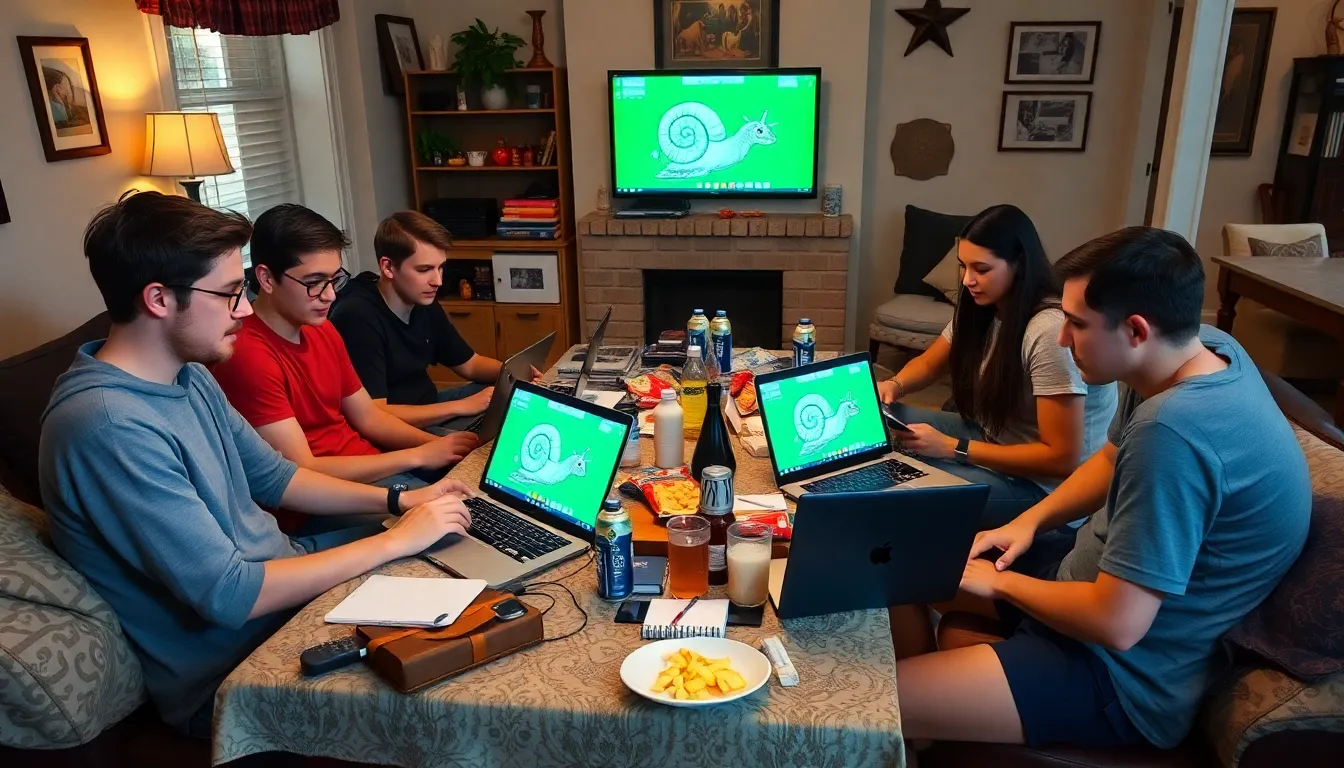
Game developers are at the forefront, having transformed a viral meme into an interactive format. Their primary interest lies in monetization and audience engagement. By creating a game that challenges players with the concept of having only one life, developers can foster a sense of urgency and investment in gameplay. This aligns with current trends in gaming that emphasize difficulty and player commitment.
Players, on the other hand, are motivated by the novelty and challenge presented by a one-life game. This format appeals to those who seek a unique gaming experience that combines humor with a test of skill. However, players may also face frustration if the game is perceived as overly punishing, leading to potential conflicts between developer intentions and player expectations.
- Content creators may leverage the game for streaming and video content, driving further engagement.
- Regulatory bodies could become involved if the game raises issues related to gambling or addictive behaviors.
- Investors may see potential in the game’s success, influencing development decisions and marketing strategies.
- Community feedback will play a critical role in shaping updates and future iterations of the game.
- Intellectual property concerns may arise if the game’s mechanics or branding are perceived as derivative of existing properties.
Legal and economic issues also come into play, particularly concerning copyright and trademark protections for the original meme. Developers must navigate these waters carefully to avoid potential infringement claims while also ensuring that their monetization strategies do not alienate the player base. As the game gains traction, these factors will shape the ongoing discourse surrounding its success and longevity in the gaming market.
How the game affects players and the gaming market
The release of the ‘Immortal snail’ desktop game is poised to impact a diverse range of groups, particularly gamers, indie developers, and the broader gaming industry. Players who are drawn to unique and quirky gaming experiences will find themselves at the center of this cultural phenomenon. Furthermore, indie developers may see increased interest in creating similar niche games, fueled by the success of this meme-inspired title.
In the short term, players will experience an engaging gameplay environment that encourages strategic thinking and adaptability, as the game emphasizes the importance of making the most out of a single life. This unique mechanic could lead to increased screen time and community engagement as players share their experiences and strategies online. The game’s viral nature may also result in a surge in social media interaction, with users posting their gameplay highlights and challenges.

Mid-term impacts could manifest in shifts within the gaming market, particularly in how indie games are perceived and marketed. The success of the ‘Immortal snail’ game may inspire larger gaming companies to explore more unconventional concepts, potentially leading to a more diverse gaming landscape. Additionally, the game could spark discussions about game design philosophies, encouraging developers to experiment with life mechanics and player engagement strategies.
- Risks: The game could face backlash if players find the one-life mechanic frustrating rather than engaging, potentially leading to negative reviews.
- Opportunities: Success could boost sales for indie developers and inspire new game genres focused on minimalism and unique challenges.
- Market Growth: Increased interest in indie games may lead to more funding and resources for small developers.
Regions with a strong gaming culture, such as North America, Europe, and parts of Asia, are likely to see a more pronounced impact. As the game garners attention, local gaming communities may organize events or competitions, further solidifying the game’s place in the gaming zeitgeist. Overall, the ‘Immortal snail’ game represents a fascinating intersection of meme culture and interactive entertainment, with potential ripple effects across various sectors.
A: The gameplay involves navigating challenges with the immortal snail character, where players must strategize carefully since they only have one life to complete their objectives. A: Currently, the Immortal snail game is available for desktop users, with plans for potential releases on other platforms in the future. A: The one-life mechanic adds a layer of tension and excitement, as players must be cautious and deliberate in their actions to avoid losing their only chance. A: Yes, players can customize their snail character with various skins and abilities, enhancing the gaming experience. A: The developers wanted to capture the humor and absurdity of the Immortal snail meme, transforming it into an engaging and interactive format.
Frequently asked questions about the Immortal snail game
Future outlook and key takeaways from the Immortal snail game
The transformation of the immortal snail meme into a desktop game exemplifies the growing intersection between internet culture and gaming. As players engage with the concept of a single life, the game challenges traditional gaming mechanics and invites reflection on risk, patience, and the nature of challenge. This unique premise not only captivates players but also opens avenues for discussions about life choices and consequences in a digital context.
As the gaming community continues to embrace innovative ideas, the success of the immortal snail game could inspire similar projects that leverage popular memes or cultural references. Developers may find value in exploring themes of mortality and decision-making, potentially leading to a new genre of games that prioritize narrative depth alongside entertainment.
- The game’s emphasis on one life encourages players to think critically about their decisions, mirroring real-life consequences.
- Memes as a foundation for game design can attract diverse audiences, blending humor with engaging gameplay.
- Future games may increasingly incorporate philosophical themes, prompting players to reflect on their own lives.
- The success of this game could lead to more adaptations of internet phenomena into interactive experiences.
- Developers should consider player feedback to refine mechanics that enhance the emotional impact of gameplay.