


In recent months, several high-profile collaborations have emerged, such as the partnership between Warner Music Group and AI startup Endel, which produces personalized soundscapes. This collaboration illustrates how traditional music labels are adapting to technological advancements, seeking to enhance listener experiences while navigating the complexities of copyright and ownership rights concerning AI-generated content. For more on such collaborations, check out our article on Paramount and Warner Music Collaborate on Artist and Songwriter Films.
Moreover, the rise of AI-driven platforms, like Amper Music and AIVA, has democratized music production, allowing aspiring artists to create professional-quality tracks without extensive training or resources. This accessibility is reshaping the landscape of music creation, as more individuals can participate in the industry, potentially leading to a diversification of musical genres and styles. To explore how new technologies are influencing the industry, you might be interested in our piece on Music Industry Developments with Angine de Poitrine and the War and Treaty.
However, the rapid integration of AI also raises critical questions about the future of the industry. Concerns regarding the potential displacement of human musicians and the authenticity of AI-generated works are becoming more prominent. As the technology continues to evolve, stakeholders must grapple with the implications for artistic integrity and the economic models that support the music ecosystem.
Understanding the background of AI’s influence on music
The intersection of artificial intelligence and the music industry has evolved significantly over the past few decades. Historically, the music industry has been heavily reliant on human creativity, with artists, producers, and record labels driving the creation and distribution of music. However, the advent of digital technology in the late 20th century began to alter this landscape, paving the way for AI to play a pivotal role in music production and consumption.
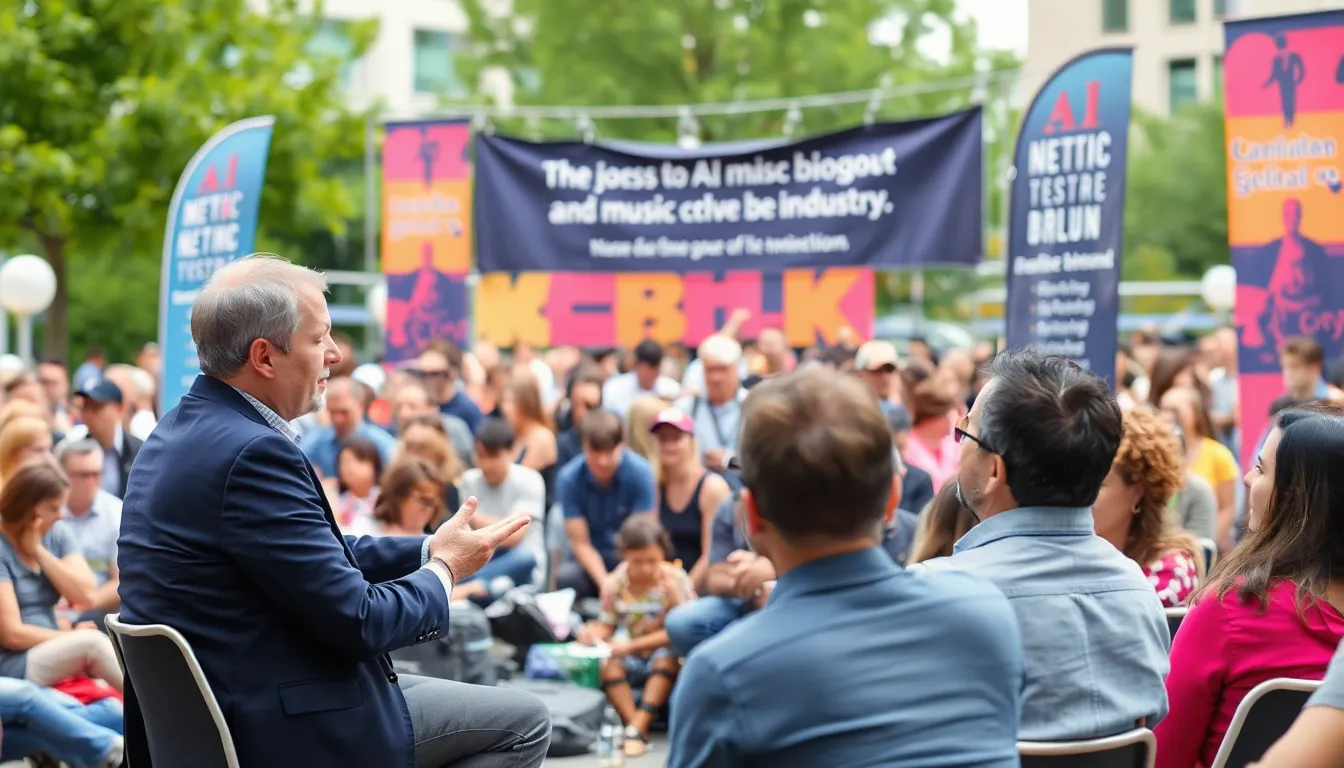
In the early 2000s, the rise of digital audio workstations (DAWs) and music streaming platforms transformed how music was created and shared. Artists gained unprecedented access to tools that allowed them to produce music independently, while consumers could access vast libraries of songs at their fingertips. This shift not only democratized music production but also set the stage for AI technologies to emerge as valuable assets in the industry.
The Emergence of AI in Music
By the mid-2010s, AI began to make significant inroads into the music sector. Companies like Amper Music and AIVA developed algorithms capable of composing original music, while platforms like Spotify and Apple Music utilized machine learning to personalize user experiences through tailored playlists and recommendations. These innovations highlighted the potential of AI to enhance creativity, streamline production processes, and improve audience engagement.
Moreover, the economic implications of AI in music are profound. With the ability to analyze vast amounts of data, AI can identify trends and predict hits, thus influencing marketing strategies and investment decisions within record labels. This data-driven approach has led to a shift in how music is produced, marketed, and consumed, raising questions about the traditional roles of artists and producers in the creative process.
As AI continues to evolve, it poses both opportunities and challenges for the music industry. While it opens new avenues for creativity and efficiency, it also raises ethical concerns regarding copyright, originality, and the future role of human musicians. Understanding the historical context and technological advancements that have shaped this landscape is essential for grasping the ongoing transformation within the music industry; for more insights, consider reading about the impact of legendary musicians in the article Discover the Genius of Ron Carter.
Key stakeholders and issues in the evolving music landscape
The intersection of artificial intelligence and the music industry has introduced a complex array of stakeholders, each with distinct interests and concerns. These include artists, record labels, technology companies, streaming platforms, and regulatory bodies. Understanding their roles and motivations is crucial for grasping the broader implications of AI in music.
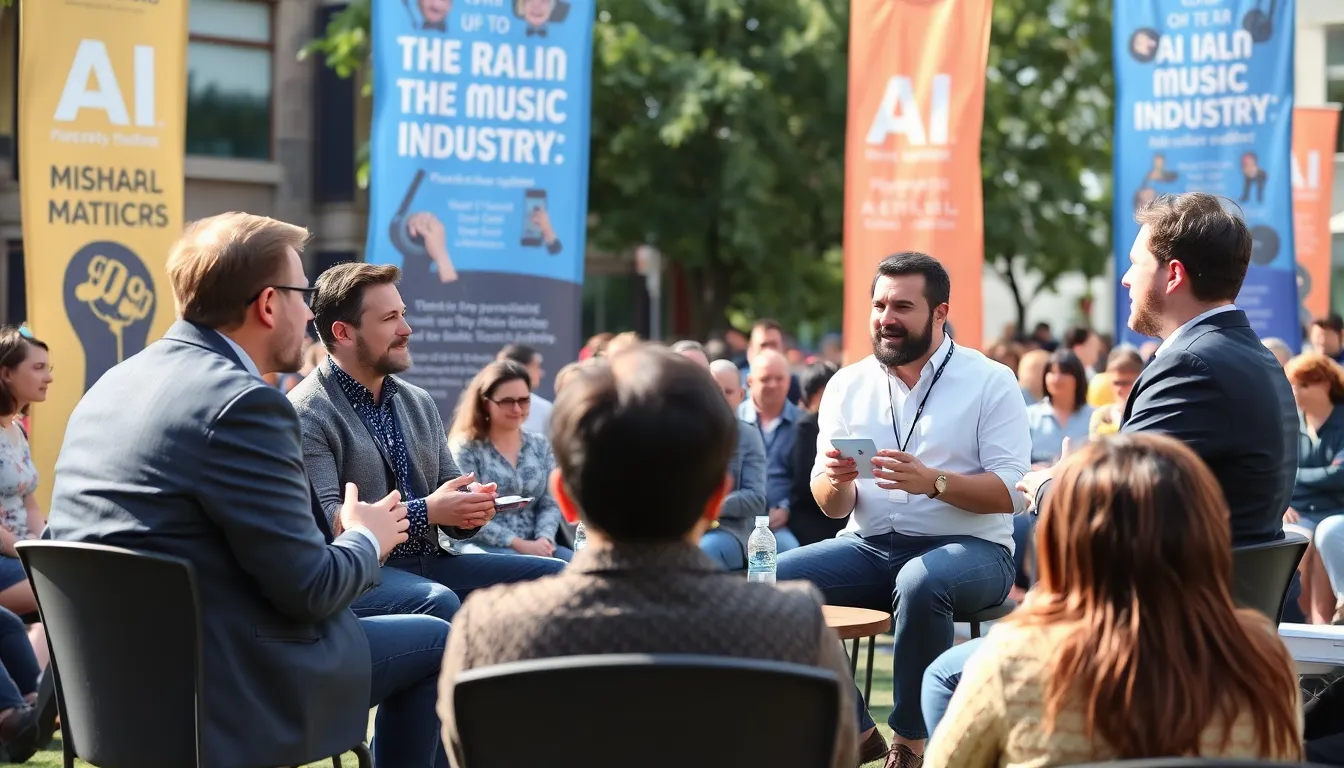
Artists are at the forefront of this transformation, as AI tools can assist in music creation and production. While some musicians embrace these innovations as a way to enhance creativity, others fear that AI-generated content may undermine the value of human artistry. This tension raises questions about authenticity and the definition of creativity in an age dominated by algorithms.
Record labels and music publishers are also key players, navigating the challenges posed by AI. Their primary interest lies in protecting intellectual property rights while adapting to new revenue models. The rise of AI-generated music could complicate copyright issues, leading to potential conflicts over ownership and compensation for creators.
- Technology companies, such as AI developers and software firms, are eager to capitalize on the music industry’s transformation by offering innovative tools that streamline production and distribution.
- Streaming platforms face the challenge of balancing user preferences for personalized content with the need to support human artists, leading to potential trade-offs in their business models.
- Regulatory bodies must address the implications of AI in music, including copyright law, data privacy, and the ethical use of AI technologies in creative processes.
As these stakeholders navigate their interests, they must confront key legal and economic issues, such as the potential for market monopolization by tech giants and the ethical considerations surrounding AI’s role in artistic expression. The evolving landscape of the music industry will depend on how these conflicts are resolved and the collaborative efforts made to ensure a fair and equitable environment for all participants.
The impact of AI on artists and the music market
The integration of AI technology in the music industry is reshaping the landscape for various stakeholders, including artists, producers, record labels, and consumers. Artists, in particular, are experiencing a paradigm shift as AI tools enable them to create, produce, and distribute music more efficiently. This democratization of music production allows independent musicians to compete alongside major label artists, altering the traditional power dynamics within the industry.
In the short term, the use of AI can streamline the production process, allowing artists to focus more on creativity rather than technicalities. However, there are concerns regarding the potential oversaturation of the market, as AI-generated music can be produced at an unprecedented scale. This could lead to challenges in distinguishing unique talent from algorithmically generated content, potentially diminishing the value of human artistry.

Mid-term impacts may include shifts in revenue models for music consumption. As streaming services increasingly incorporate AI for personalized recommendations, consumer behavior may change, influencing how artists and labels approach marketing and distribution. Additionally, policies surrounding copyright and intellectual property rights will likely need to evolve to address the complexities introduced by AI-generated works.
- Opportunities: Enhanced creativity and collaboration through AI tools.
- Risks: Market oversaturation and challenges in identifying authentic artistry.
- Policy Changes: Need for updated regulations regarding copyright and AI-generated content.
Regions with robust technological infrastructures, such as North America and parts of Europe, are likely to see faster adoption of AI in music production. However, developing regions may face barriers to access, potentially widening the gap in music industry opportunities. As AI continues to evolve, it will be crucial for all stakeholders to navigate these changes thoughtfully to harness the benefits while mitigating the risks involved.
A: AI is being used to compose music by analyzing existing songs and generating new melodies and harmonies. Tools like OpenAI’s MuseNet can create original compositions in various styles. A: AI provides artists with tools for music production, marketing, and audience analysis, allowing them to reach wider audiences and streamline their creative processes. A: Yes, risks include potential job displacement for musicians and concerns about copyright issues related to AI-generated content. A: AI algorithms help optimize music distribution by analyzing listener preferences and trends, ensuring that music reaches the right audiences effectively. A: While AI can create music, it lacks the emotional depth and creativity that human musicians bring. AI is more of a tool than a replacement.
Frequently asked questions about AI in music
Key takeaways and future outlook on AI in the music industry
The integration of AI into the music industry is not merely a trend; it represents a fundamental shift in how music is created, distributed, and consumed. As AI technologies continue to evolve, they are redefining the roles of artists, producers, and record labels, creating both opportunities and challenges. The potential for AI to enhance creativity, streamline production processes, and personalize listener experiences is immense, yet it also raises questions about authenticity and the future of human artistry in music.
Looking ahead, stakeholders in the music industry must remain adaptable and vigilant. The ongoing advancements in AI will likely lead to new business models and revenue streams, while also necessitating a reevaluation of copyright laws and artist compensation structures. The balance between leveraging AI’s capabilities and preserving the essence of musical creativity will be crucial for the industry’s evolution.
- Embrace AI as a collaborative tool: Artists and producers should view AI as a partner in the creative process rather than a replacement, fostering innovation in songwriting and production.
- Monitor evolving legal frameworks: As AI-generated content becomes more prevalent, staying informed about copyright implications and potential changes in legislation will be essential.
- Invest in personalized experiences: Music platforms can leverage AI to create tailored listening experiences, enhancing user engagement and satisfaction.
- Explore new revenue models: The rise of AI-generated music may lead to innovative monetization strategies, such as licensing AI compositions for various media.
- Prioritize ethical considerations: The industry must address the ethical implications of AI in music, ensuring that human artistry is respected and valued in the face of technological advancement.