


Factors such as a lack of comprehensive charging infrastructure and varying state incentives have contributed to a slower adoption rate among American consumers, as discussed in more detail in our article on insuring electric vehicles.
This contrasts with the U.S. market, where traditional automakers have been slower to pivot towards electric models, often citing regulatory challenges and consumer hesitance much like the situation described in BJP’s political landscape.
The implications of these trends are significant for the global automotive industry. As countries with higher fuel prices see a shift toward electric mobility, the competitive landscape may change, potentially disadvantaging U.S. manufacturers who lag in E.V. adoption. Analysts predict that if the trend continues, the U.S. could fall behind in the global race to lead in electric vehicle technology and innovation.
Understanding the global electric vehicle market dynamics
The electric vehicle (EV) market has evolved significantly over the past two decades, driven by a confluence of environmental concerns, technological advancements, and fluctuating fuel prices. Globally, rising awareness about climate change and the need for sustainable transportation solutions have fueled demand for EVs. Countries like Norway and the Netherlands have seen remarkable growth in EV adoption, largely due to government incentives and a commitment to reducing carbon emissions.
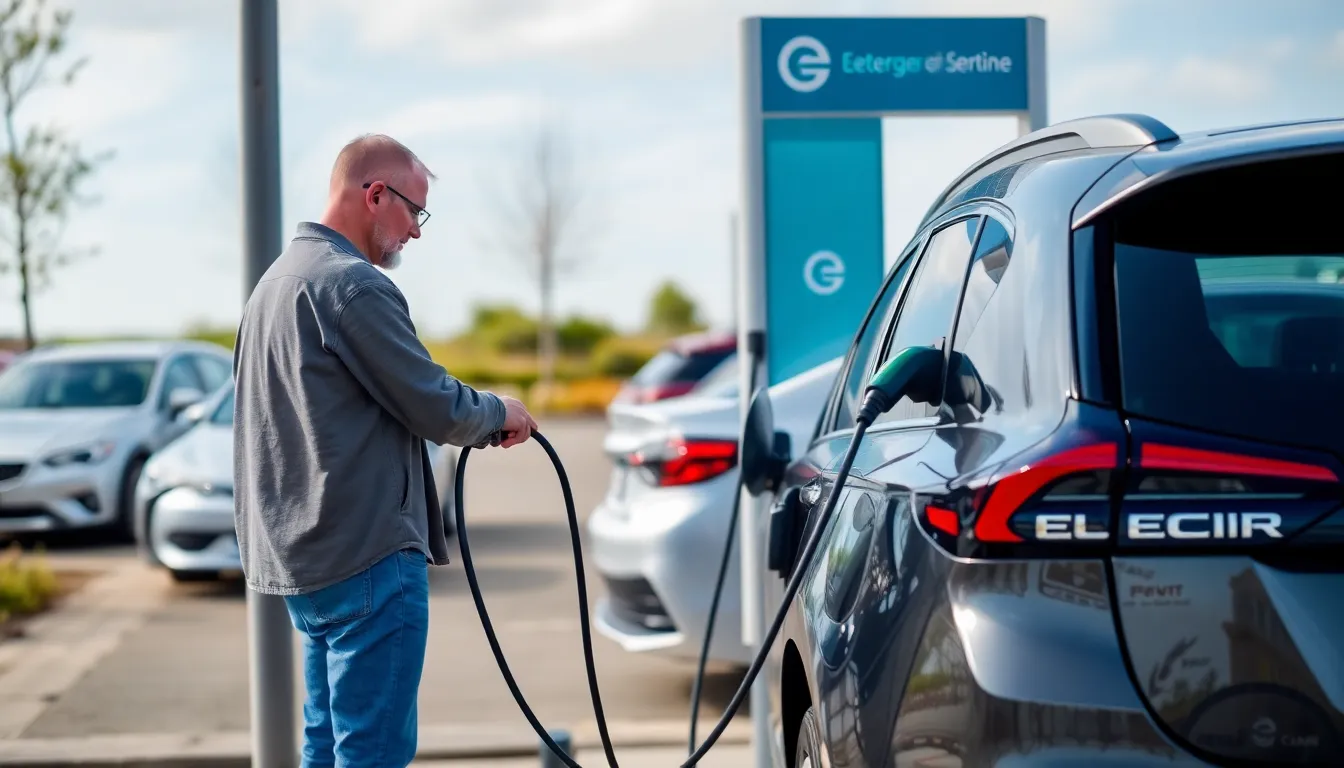
Historically, the introduction of electric vehicles can be traced back to the late 19th century, but it wasn’t until the early 2000s that serious advancements were made. The launch of models like the Tesla Roadster in 2008 marked a turning point, showcasing the potential of electric vehicles not just as eco-friendly alternatives but also as performance vehicles. This shift in perception has been crucial in driving consumer interest and investment in the sector.
The role of fuel prices
Fuel prices have always played a pivotal role in shaping consumer behavior regarding vehicle purchases. In many countries, spikes in gasoline prices have led consumers to consider more fuel-efficient options, including electric vehicles. For instance, in Europe, where fuel prices are traditionally higher than in the U.S., the financial incentive to switch to EVs is more pronounced. This economic pressure has resulted in a more robust market for electric vehicles in these regions, contrasting sharply with the U.S. market, where fuel prices have remained relatively stable and low.
In the U.S., the automotive landscape has been heavily influenced by a combination of low fuel prices, a vast network of gasoline stations, and a cultural affinity for larger vehicles, such as SUVs and trucks. Despite the increasing availability of EV models, the economic rationale for many American consumers to switch remains weak. This divergence highlights the complexity of the EV market, where external factors such as government policies, economic conditions, and consumer preferences intersect to shape sales trends.
Looking ahead, the global push towards electrification continues to gain momentum, with many countries setting ambitious targets for phasing out internal combustion engines. As fuel prices fluctuate and awareness of environmental issues grows, the U.S. may eventually see a shift in consumer attitudes towards electric vehicles. However, the current landscape reveals significant challenges that need to be addressed to foster a more robust EV market in the country.
Key stakeholders and their roles in the E.V. market
The electric vehicle (E.V.) market is influenced by a diverse array of stakeholders, each with distinct interests and objectives. These include automotive manufacturers, consumers, government bodies, and environmental organizations. Understanding their roles is crucial to analyzing the dynamics of E.V. adoption, particularly in relation to fluctuating fuel prices.
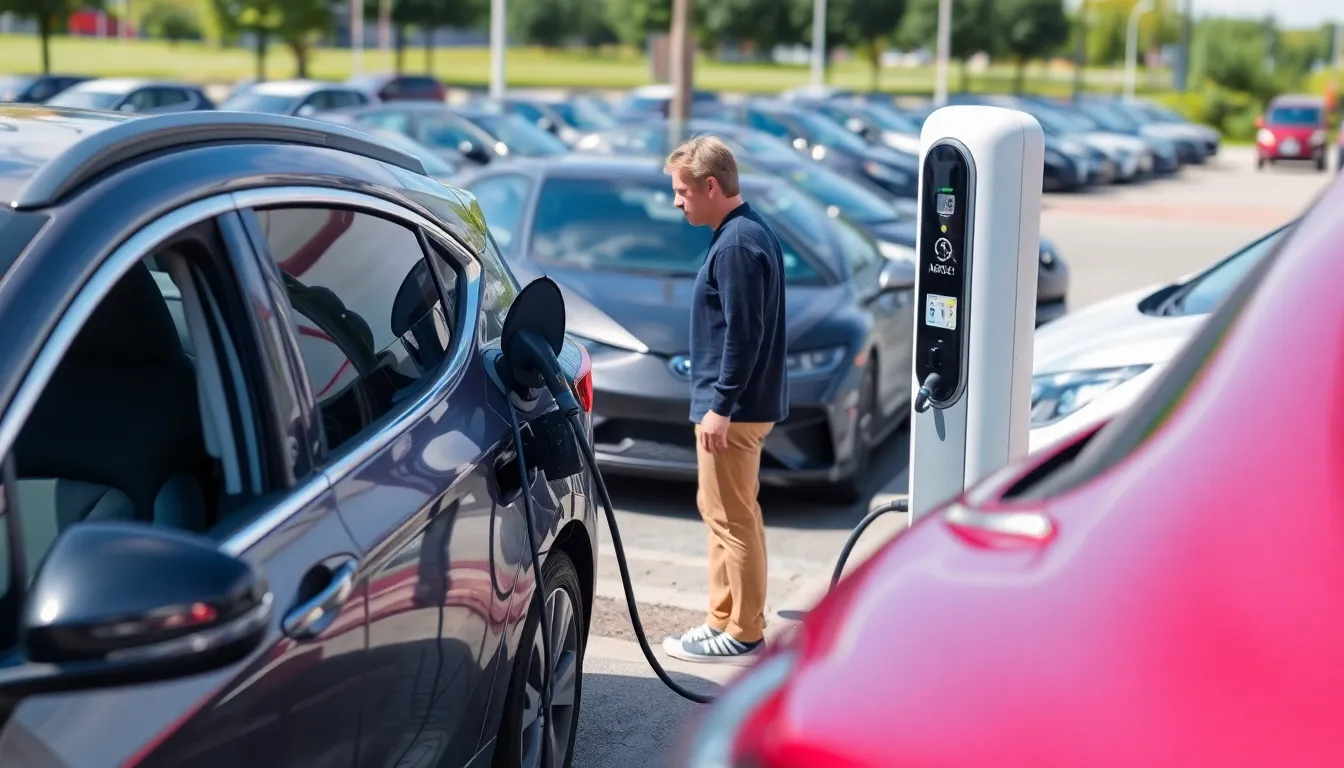
Automotive manufacturers are at the forefront of the E.V. market, investing heavily in research and development to produce electric vehicles that meet consumer demand. Their primary interest lies in capturing market share and staying competitive, especially as fuel prices rise, prompting consumers to seek alternative transportation options. However, the transition to E.V.s also requires significant financial investment, which can create tension between short-term profitability and long-term sustainability.
Understanding consumer sentiment and behavior in response to fuel prices is essential for predicting market shifts, similar to the analysis of recent trends in latest mixtape releases.
- Government bodies: They play a vital role by implementing policies and incentives to promote E.V. adoption, such as tax credits and subsidies. Their interests often align with environmental goals and reducing carbon emissions.
- Environmental organizations: These groups advocate for the transition to cleaner transportation options, emphasizing the need to reduce reliance on fossil fuels. They often influence public opinion and policy decisions.
- Oil companies: As traditional fuel providers, their interests are directly impacted by the rise of E.V.s. They may lobby against policies that favor electric vehicles to protect their market share.
Legal and economic issues further complicate the E.V. landscape. Regulatory frameworks surrounding emissions standards and fuel economy can create both opportunities and challenges for manufacturers. Additionally, economic factors such as supply chain disruptions and raw material costs for batteries significantly affect the pricing and availability of E.V.s. These complexities illustrate the intricate balance of interests among stakeholders in the evolving market.
How fuel prices affect consumers and the automotive industry
Fuel prices have a significant impact on various groups, particularly consumers, the automotive industry, and regional economies. As fuel prices rise, consumers are more likely to seek alternatives to traditional gasoline-powered vehicles, leading to increased interest in electric vehicles (E.V.s). However, the U.S. market has not experienced the same surge in E.V. sales as seen in other regions, such as Europe and Asia, where fuel prices are typically higher.
In the short term, consumers may feel the immediate effects of rising fuel prices through increased transportation costs. This can lead to a shift in spending habits, with individuals prioritizing fuel-efficient or electric vehicles. Businesses in the automotive sector, particularly those focused on E.V. production, may see a boost in sales as consumers look for alternatives to mitigate their fuel expenses.
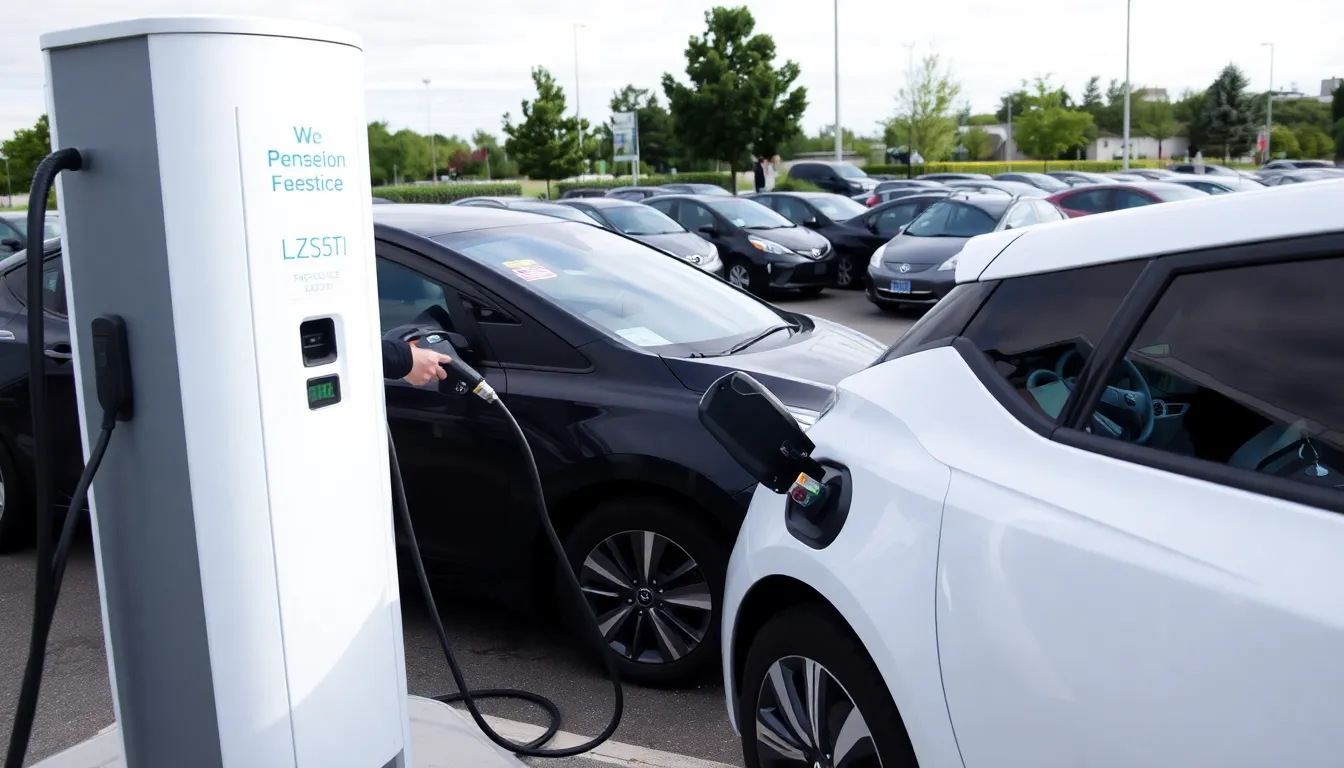
In the mid-term, the automotive industry may face challenges and opportunities as manufacturers adjust their strategies. Companies that invest in E.V. technology and infrastructure may benefit from a growing consumer base that prioritizes sustainability. Conversely, traditional automakers that fail to adapt may see a decline in market share. Additionally, policymakers may respond to rising fuel prices by implementing incentives for E.V. purchases or investing in charging infrastructure, which could further influence consumer behavior.
- Consumers: Increased interest in E.V.s and changes in spending habits.
- Automotive Industry: Potential growth for E.V. manufacturers and challenges for traditional automakers.
- Policy Implications: Possible incentives for E.V. adoption and infrastructure development.
- Regional Economies: Areas with strong automotive manufacturing may experience shifts in economic dynamics.
While rising fuel prices present risks such as higher living costs and potential economic strain, they also create opportunities for innovation in the automotive sector. As consumers seek more sustainable transportation options, the push for E.V.s could accelerate advancements in technology and infrastructure, benefiting both the environment and the economy in the long run.
A: Many countries are experiencing rising fuel prices, which makes electric vehicles more appealing due to their lower operating costs. Additionally, government incentives and infrastructure improvements support E.V. adoption. A: In the U.S., factors such as consumer preferences for traditional vehicles, limited charging infrastructure, and relatively lower fuel prices compared to other countries contribute to the slower adoption of electric vehicles. A: Higher fuel prices often lead consumers to seek more cost-effective alternatives, such as electric vehicles, which can save money on fuel in the long run. This shift is more pronounced in markets with significant fuel price increases. A: Yes, various federal and state programs offer incentives for electric vehicle purchases, including tax credits and rebates, aimed at encouraging consumers to consider E.V.s despite the current market challenges. A: Fluctuating fuel prices can lead to shifts in consumer demand, prompting automakers to adjust their production strategies. This can result in increased investment in electric vehicle technology and infrastructure.
Frequently asked questions about E.V. sales and fuel prices
Future outlook on E.V. sales in relation to fuel prices
As fuel prices continue to fluctuate, the relationship between these costs and electric vehicle (E.V.) sales becomes increasingly complex. While rising fuel prices have historically driven consumers toward E.V.s in many markets, the U.S. has shown a unique resilience to this trend. This divergence suggests that various factors, including government policies, consumer preferences, and charging infrastructure, play critical roles in shaping the E.V. landscape.
Looking ahead, the dynamics of fuel pricing may not be the sole determinant of E.V. adoption in the U.S. Instead, a multifaceted approach that considers technological advancements, economic incentives, and environmental concerns will likely influence future sales trends. Stakeholders should monitor these developments closely to understand the evolving market landscape.
- Consumer education will be vital in addressing misconceptions about E.V.s and their long-term cost-effectiveness.
- Government incentives and policies will continue to play a crucial role in encouraging E.V. adoption, especially in a market resistant to fuel price influences.
- Charging infrastructure expansion is essential for alleviating range anxiety and enhancing the appeal of E.V.s to potential buyers.
- Technological advancements in battery life and charging speed will be key factors in making E.V.s more attractive compared to traditional vehicles.
- Market trends in other countries should be monitored, as they may provide insights into potential shifts in U.S. consumer behavior regarding E.V.s.