


This victory is notable not only for the BJP but also for the political landscape of West Bengal, which has traditionally been a stronghold of leftist and regional parties. The BJP’s rise in the state reflects a broader trend of the party gaining influence in areas previously considered non-traditional for its ideology and policies, as discussed in our article on Latest Updates on Current Events.
The election results have sparked discussions about the changing dynamics of voter sentiment in West Bengal, particularly among the youth and urban populations. Analysts suggest that issues such as economic development, job creation, and governance played a crucial role in swaying voters towards the BJP.
As the BJP prepares to form its government, the implications of this win extend beyond West Bengal, potentially influencing national politics and the strategies of opposition parties across India. The party’s success in a state with a rich political history could reshape its approach and priorities in the coming years.
Understanding the political landscape of West Bengal
West Bengal has long been a bastion of leftist politics in India, dominated by the Communist Party of India (Marxist) for over three decades until 2011. This period saw the state develop a unique socio-political identity, characterized by strong trade union movements and a focus on agrarian issues. The shift in power in 2011, when the Trinamool Congress (TMC) led by Mamata Banerjee ousted the Left Front, marked a significant turning point in West Bengal’s political narrative.
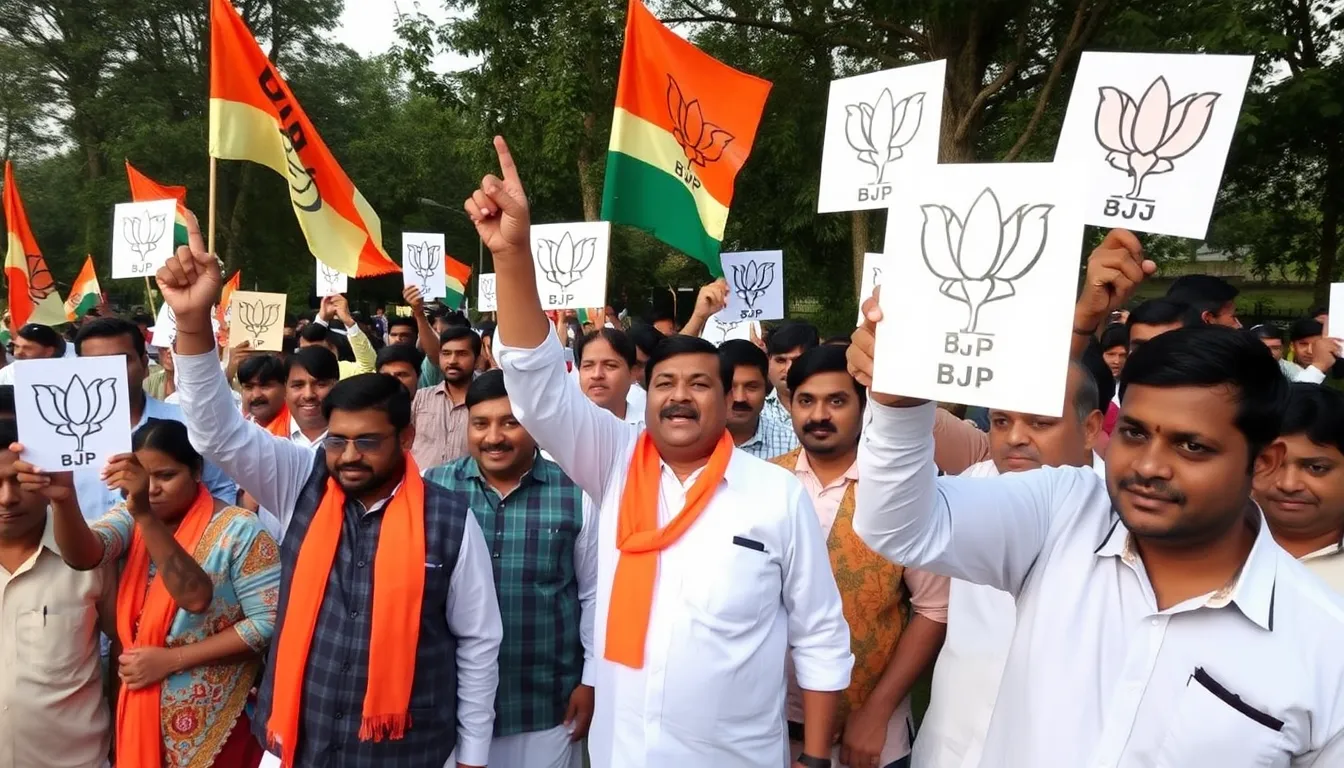
However, the 2019 general elections saw a dramatic change, as the BJP made significant inroads, securing 18 out of 42 Lok Sabha seats in West Bengal. This electoral success indicated a growing discontent with the ruling TMC and marked the beginning of a new political era, a topic we explore further in our piece on Latest Updates on Current Events.
The Rise of BJP in West Bengal
The BJP’s rise can be attributed to several factors, including a robust organizational structure, the party’s focus on development and nationalism, and the growing appeal of Prime Minister Narendra Modi’s leadership. The party capitalized on local issues, such as unemployment and corruption allegations against the TMC, to galvanize support among the electorate. Additionally, the BJP’s outreach to various communities, including the Hindu refugee population from Bangladesh, played a crucial role in expanding its voter base.
In the 2021 West Bengal assembly elections, the BJP aimed to capitalize on its previous successes and challenge the TMC’s dominance. Despite facing a formidable campaign from Mamata Banerjee, the BJP’s messaging resonated with many voters disillusioned with the TMC’s governance. The election was marked by intense campaigning and significant political mobilization, culminating in a historic win for the BJP, which marked its first victory in the state assembly.
This victory not only reshaped the political landscape of West Bengal but also signaled a potential shift in the broader dynamics of Indian politics, as the BJP seeks to expand its influence in regions traditionally dominated by other parties. The implications of this win will likely reverberate through future elections and policy-making processes in the state.
Key stakeholders and issues surrounding the election
The recent victory of Narendra Modi’s Bharatiya Janata Party (BJP) in West Bengal marks a significant shift in the political landscape of the region. This election outcome has various stakeholders, including political parties, state governments, and citizens, each with their own interests and concerns.
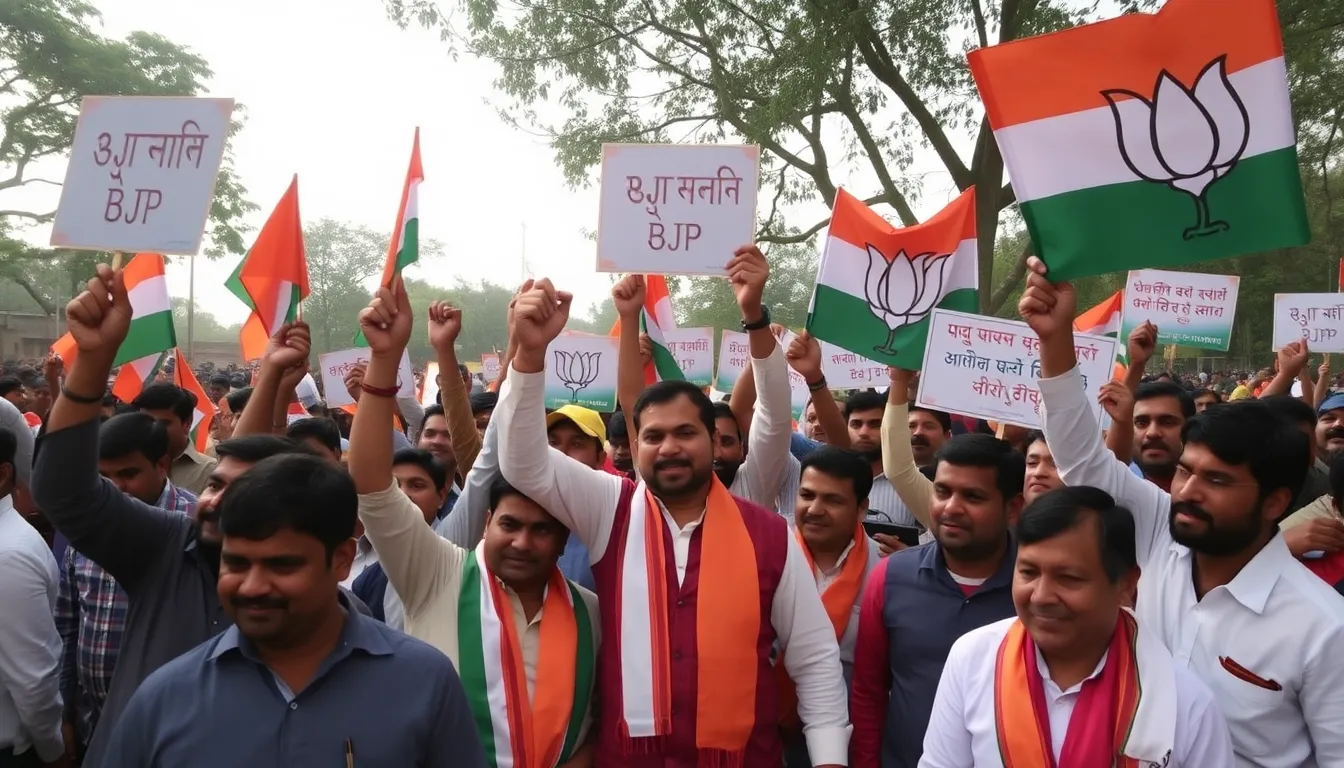
One of the primary actors in this scenario is the BJP itself, which aims to expand its influence in a state traditionally dominated by the All India Trinamool Congress (AITC). The BJP’s interest lies in solidifying its presence in West Bengal, which could enhance its national standing and provide a stronghold in the eastern part of India. Conversely, the AITC, led by Chief Minister Mamata Banerjee, is focused on maintaining its governance and addressing the concerns of its constituents, who may feel threatened by the BJP’s rise.
Key issues arising from this election include potential economic implications, social tensions, and legal challenges. The BJP’s policies may lead to changes in local governance, impacting various sectors such as agriculture, education, and infrastructure. Furthermore, the political rivalry could exacerbate social divisions, particularly along communal lines, raising concerns about stability and harmony in the region.
- Economic Policies: The BJP may implement new economic strategies that could benefit certain industries while neglecting others, leading to discontent among various groups.
- Social Cohesion: The shift in political power may result in increased polarization, with communities feeling either empowered or marginalized.
- Legal Challenges: The election results could trigger legal disputes regarding electoral processes or governance policies, further complicating the political landscape.
- Public Sentiment: Voter attitudes towards the BJP’s governance will be critical in determining the party’s long-term success in the state.
Understanding these dynamics is essential for comprehending the future trajectory of governance in the region, which aligns with the discussions about recent political shifts.
The implications of BJP’s victory for West Bengal and India
The recent electoral victory of Narendra Modi’s Bharatiya Janata Party (BJP) in West Bengal marks a significant shift in the political landscape of the state, traditionally dominated by the Trinamool Congress (TMC). This change is poised to affect various groups, including local communities, businesses, and political factions across the region.
In the immediate term, the BJP’s win may lead to a realignment of local governance and policy-making. Residents can expect changes in public services, infrastructure development, and law enforcement practices. The BJP’s focus on economic growth and investment may also result in an influx of businesses looking to capitalize on the new political environment, potentially boosting job creation.
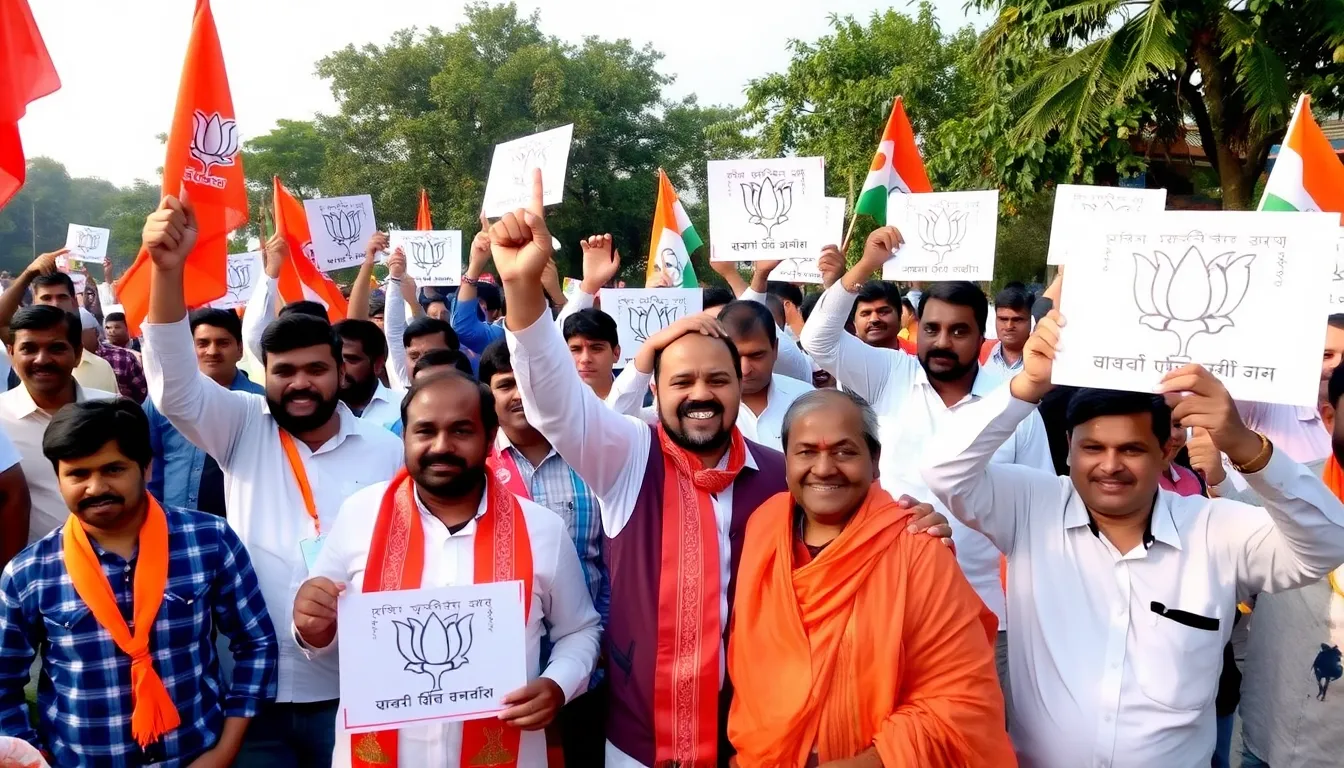
However, this shift comes with risks. The polarization of political sentiments could lead to social unrest, particularly among those who oppose the BJP’s ideology. Additionally, businesses that relied on the previous administration’s policies might face uncertainty as new regulations and initiatives are implemented.
- Opportunities: Increased investment in infrastructure and development projects.
- Risks: Potential for social unrest and political polarization.
- Impact on local businesses: New policies may favor certain industries over others.
In the mid-term, the BJP’s governance may lead to significant changes in educational and healthcare policies, affecting access and quality for residents. The party’s emphasis on nationalism and cultural identity may also influence social dynamics, impacting community relations and the overall fabric of society in West Bengal.
A: This victory is significant as it marks BJP’s first win in West Bengal, a state traditionally dominated by other parties. It reflects a shift in voter sentiment and could reshape the political dynamics in the region. A: BJP’s success can be attributed to strategic campaigning, grassroots mobilization, and addressing local issues that resonated with voters. The party also capitalized on dissatisfaction with the incumbent government. A: Despite the victory, BJP may face challenges in governance, managing diverse regional interests, and addressing the expectations of its new supporters. Opposition parties may also intensify their efforts to regain influence. A: BJP’s win in West Bengal could set a precedent for future elections, encouraging the party to expand its influence in other states. It may also prompt opposition parties to reevaluate their strategies.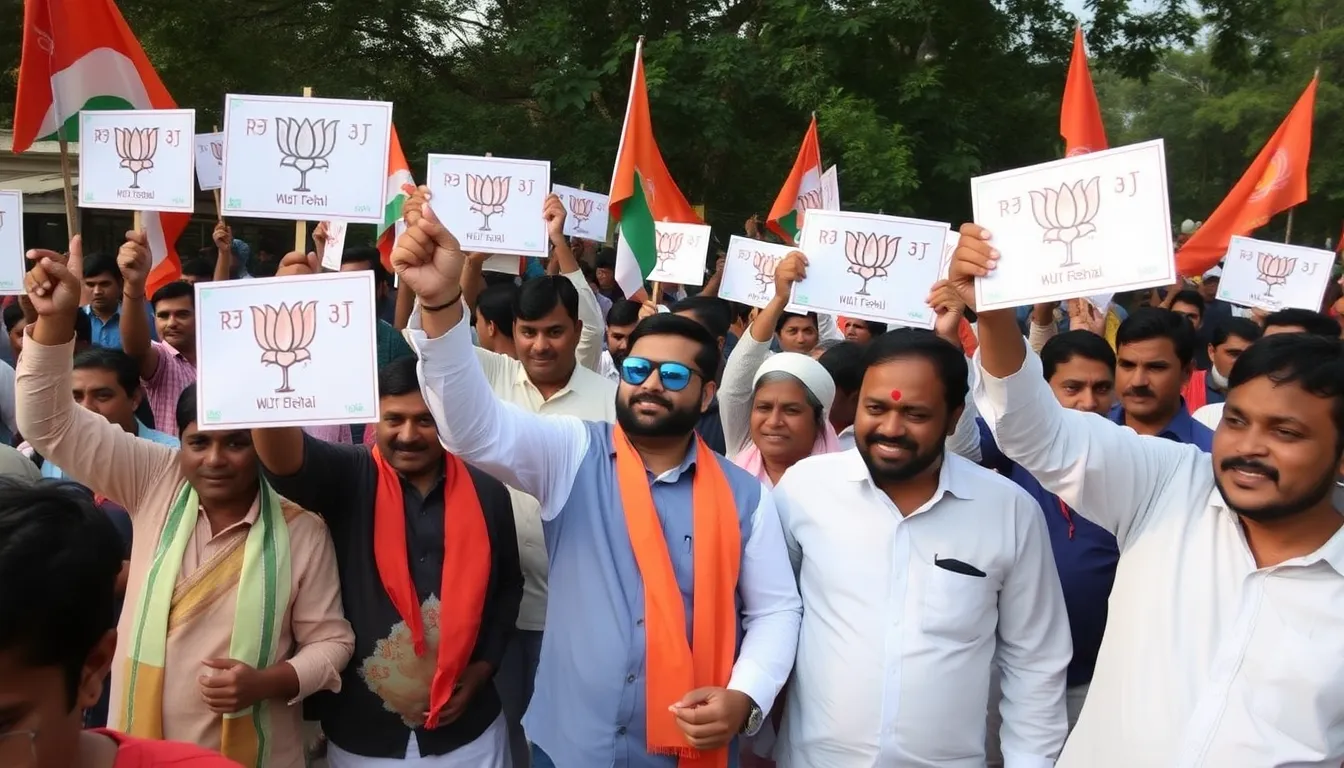
Frequently asked questions about the election results
Looking ahead: What this victory means for the future
With Narendra Modi’s BJP securing a historic win in West Bengal, the political landscape in the state is poised for significant transformation. This victory not only marks a shift in voter sentiment but also signals the potential for BJP to expand its influence in regions traditionally dominated by other parties. The implications of this win will likely resonate beyond West Bengal, impacting national politics and party strategies across India.
As the BJP consolidates its position, observers should pay close attention to how this victory influences policy decisions, governance approaches, and the response from opposition parties. The dynamics of state politics may evolve, potentially reshaping alliances and voter bases in the lead-up to future elections.
- The BJP may implement policies that cater specifically to the needs and aspirations of West Bengal’s electorate, setting a precedent for other states.
- Opposition parties will need to reassess their strategies and messaging to counter the BJP’s growing influence in regions where they have historically been strong.
- This win could embolden the BJP to pursue more aggressive campaigns in other states, particularly those with significant political competition.
- The socio-economic implications of BJP governance in West Bengal will be closely monitored, particularly in areas such as development, employment, and social welfare.
- Voter engagement and grassroots mobilization efforts by the BJP may serve as a model for their operations in other states, potentially reshaping political campaigning in India.