


Recent studies have linked PFAS to serious health issues, including cancer, immune system dysfunction, and reproductive problems. The UK government has faced increasing pressure from environmental groups and health advocates to take decisive steps to eliminate these chemicals from consumer products. In a parliamentary session held on October 10, 2023, MPs discussed the need for stringent regulations on PFAS.
In addition to the health implications, the environmental impact of forever chemicals is significant. PFAS are known to persist in the environment, leading to contamination of water sources and ecosystems. As a result, several local authorities have already initiated measures to reduce the use of these substances, but a comprehensive national strategy remains absent.
The issue has garnered international attention, with various countries exploring similar bans on PFAS. The EU has proposed regulations to restrict the use of these chemicals, prompting the UK to reconsider its stance. As discussions continue, the urgency for a unified approach to tackle the dangers posed by forever chemicals is becoming increasingly evident.
Background on forever chemicals and their risks
Their resilience, however, comes at a significant cost; PFAS do not break down in the environment, leading to their accumulation in soil, water, and living organisms, which raises serious health concerns. For more insights on how public health intersects with emerging technologies, check the article on UK drivers and EVs.
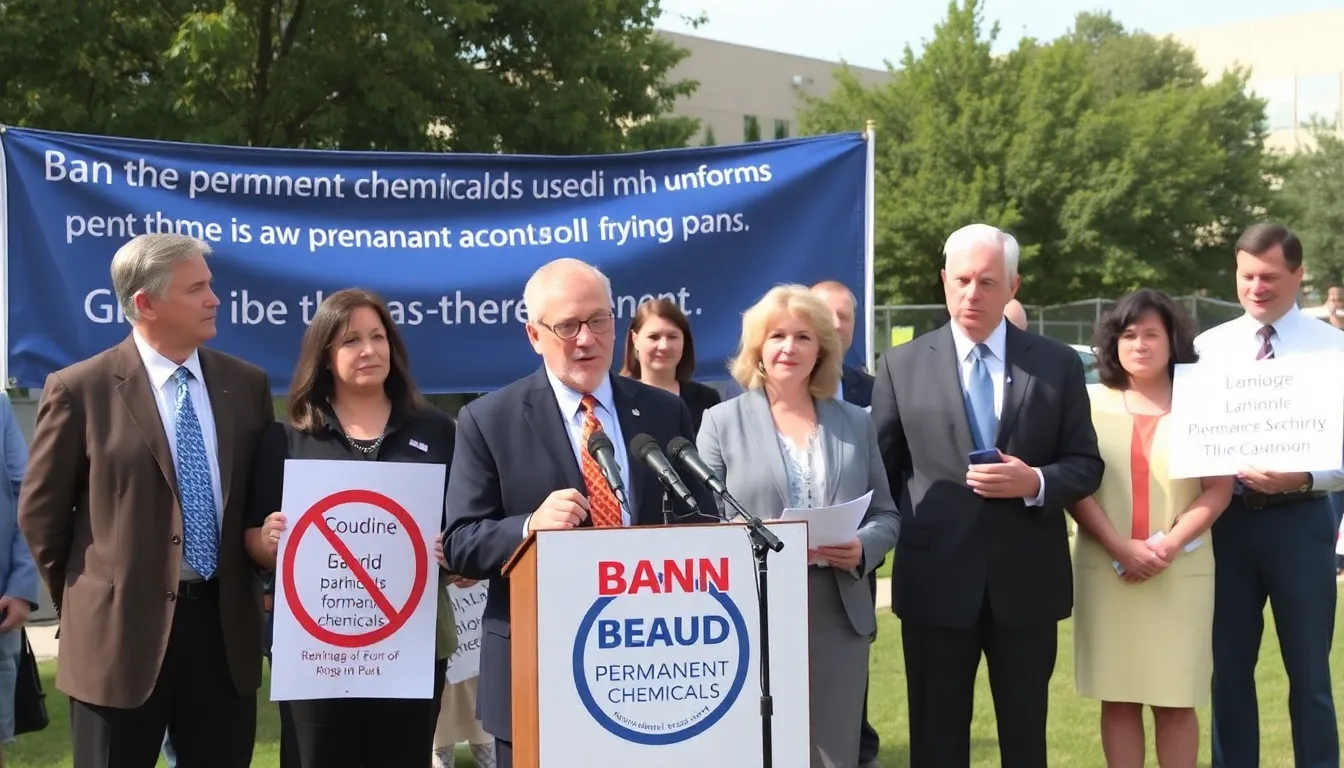
This shift has prompted lawmakers to take action, urging bans on the use of PFAS in various products, including uniforms and frying pans. The importance of grassroots activism in driving change can also be seen through various movements; you can read more about it in the article Embracing Solo Travel and Overcoming Anxiety.
Key Milestones in PFAS Regulation
Several key milestones have marked the journey toward stricter regulations on PFAS. In 2006, major manufacturers agreed to phase out certain PFAS compounds, which was a significant acknowledgment of their potential dangers. Following this, various states in the U.S. began implementing their own regulations, reflecting growing public concern and pressure from environmental groups. The European Union has also taken steps to limit PFAS use, setting a precedent for global action against these chemicals.
Economically, the implications of banning PFAS are complex. While manufacturers argue that alternatives may be costlier and less effective, advocates emphasize the long-term savings associated with improved public health and environmental protection. As awareness grows, the demand for safer alternatives is likely to increase, potentially reshaping industries reliant on these chemicals.
Socially, the issue of PFAS has sparked a broader conversation about consumer safety and corporate responsibility. Communities affected by contaminated water supplies have mobilized, demanding accountability from both manufacturers and government entities. This grassroots activism has been pivotal in pushing for legislative changes, highlighting the power of informed citizens in influencing policy decisions.
Key stakeholders and issues surrounding the ban
Understanding their perspectives is crucial to grasping the broader implications of such a ban. As the public demands more transparency and safety, this issue shares similarities with the inquiries into vaccine safety, illustrating the interconnected nature of consumer health discussions.
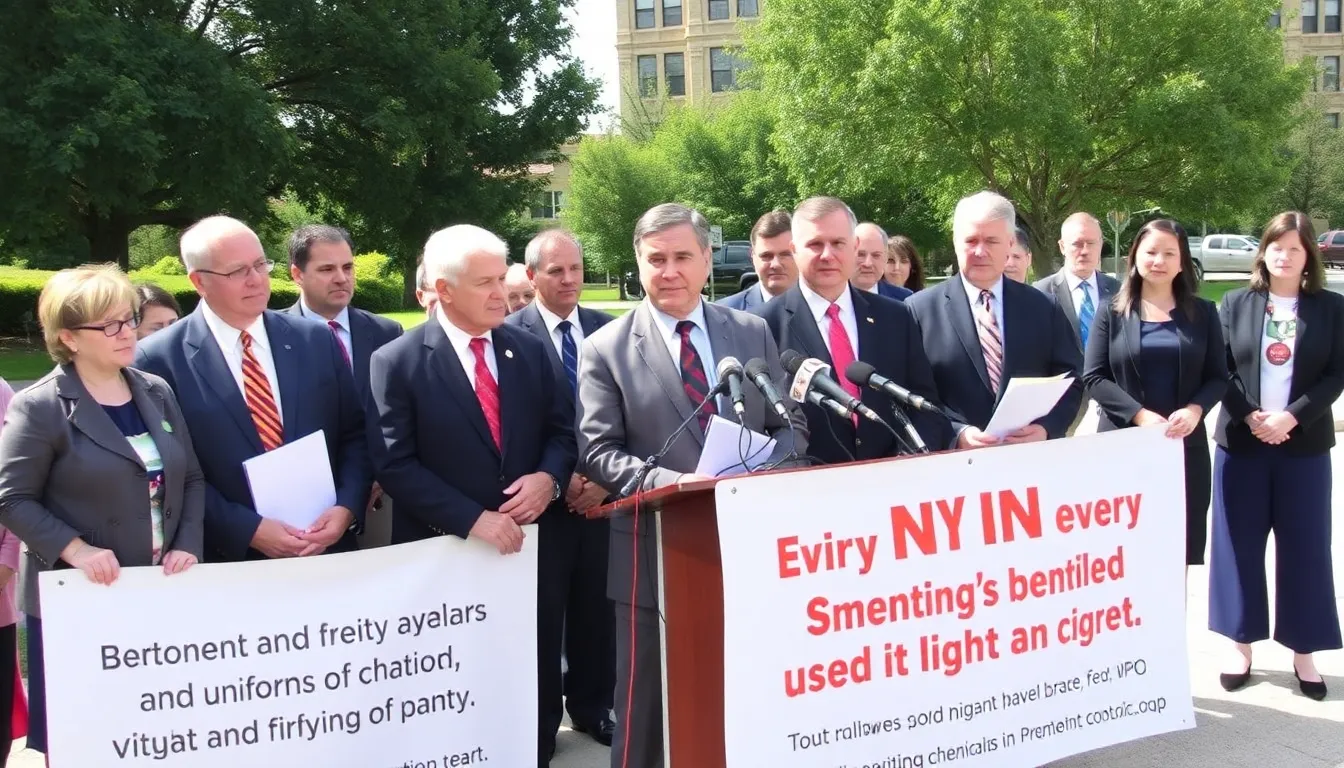
Government agencies, particularly those focused on public health and environmental protection, are at the forefront of this movement. Their primary interest lies in safeguarding public health and reducing environmental contamination. They advocate for the ban by highlighting the potential health risks associated with PFAS, which have been linked to various health issues, including cancer and hormonal disruptions.
Environmental organizations are also significant players in this debate. They argue for stricter regulations on PFAS, emphasizing the need for sustainable alternatives. Their advocacy is driven by a commitment to protecting ecosystems and ensuring that future generations are not exposed to harmful substances. However, they face challenges in balancing these goals with the economic implications of transitioning away from PFAS in manufacturing processes.
- Manufacturers of uniforms and cookware may resist the ban due to the higher costs associated with developing and implementing alternatives to PFAS.
- Consumers are increasingly concerned about the safety of products, which may lead to greater demand for PFAS-free options, potentially influencing market trends.
- Legal implications arise as companies may face lawsuits for health-related claims linked to PFAS exposure, creating a complex legal landscape.
- Economic trade-offs must be considered, as the transition to safer materials may impact jobs and production costs in the short term.
In summary, the debate over banning PFAS in uniforms and frying pans encapsulates a range of interests and conflicts. The challenge lies in navigating these complexities to achieve a solution that balances health, environmental sustainability, and economic viability.
Potential impacts on public health and the market
The push to ban ‘forever chemicals’ from uniforms and frying pans is set to impact several key groups, including manufacturers, consumers, and public health advocates. Industries involved in the production of textiles and cookware will face immediate regulatory changes, while consumers will experience shifts in product availability and safety standards.
In the short term, businesses that rely on these chemicals may encounter increased costs associated with reformulating their products. This could lead to higher prices for consumers as companies transition to safer alternatives. Additionally, regions with a strong manufacturing base for these products may see job disruptions as companies adapt or phase out certain lines.
- Public Health Benefits: Reduced exposure to harmful chemicals may lead to improved health outcomes, particularly for vulnerable populations such as children and pregnant women.
- Market Shifts: A surge in demand for eco-friendly and safer products could create new business opportunities for companies that focus on sustainable manufacturing.
- Regulatory Compliance Costs: Industries may face financial strain as they invest in compliance and research for safer alternatives.
In the mid-term, the impact on daily life may become more pronounced as consumers prioritize safety and sustainability in their purchasing decisions. This shift could foster a more health-conscious market, encouraging innovation in product design and materials. However, the transition may also lead to temporary shortages of certain items as manufacturers adjust to new regulations.
Ultimately, while the ban poses challenges for existing industries, it also opens the door for growth in sectors focused on sustainability. The long-term outcome will depend on how quickly and effectively businesses can adapt to the evolving regulatory landscape and consumer preferences.
A: Forever chemicals refer to a group of synthetic substances that are resistant to environmental degradation. They are often used in various products, including non-stick cookware and water-repellent fabrics. A: MPs are concerned about the health risks associated with forever chemicals, which have been linked to various health issues, including cancer and reproductive problems. They aim to protect public health and the environment. A: A ban on forever chemicals would require manufacturers to find alternative materials for their products. This could lead to increased production costs and a shift in the market towards safer options. A: There are several alternatives to forever chemicals, including natural coatings and biodegradable materials. However, the effectiveness and cost of these alternatives can vary. A: The timeline for implementing a ban on forever chemicals depends on legislative processes and stakeholder consultations. It may take several months to years before any ban is officially enacted.
Frequently asked questions about the ban
Key points and future outlook on the ban
The recent call by MPs to ban ‘forever chemicals’ in uniforms and frying pans highlights a growing concern over the long-term health and environmental impacts of these substances. As awareness increases, it is likely that more regulatory measures will emerge, aiming to protect both consumers and the environment from the risks associated with per- and polyfluoroalkyl substances (PFAS).
Looking ahead, the implications of this proposed ban could reshape manufacturing processes and consumer choices. Companies may need to innovate and adopt safer alternatives, while consumers may increasingly seek out products free from these harmful chemicals, driving demand for transparency in product labeling.
- Increased regulatory scrutiny may lead to stricter guidelines for manufacturers regarding the use of PFAS in consumer products.
- Companies that proactively eliminate ‘forever chemicals’ from their products may gain a competitive advantage in an eco-conscious market.
- Consumer awareness campaigns will likely grow, encouraging informed purchasing decisions and fostering demand for safer alternatives.
- Potential legal ramifications could arise for companies that fail to comply with new regulations, impacting their financial stability.
- Collaboration between industry stakeholders and environmental organizations may become essential for developing safe substitutes and ensuring compliance.