


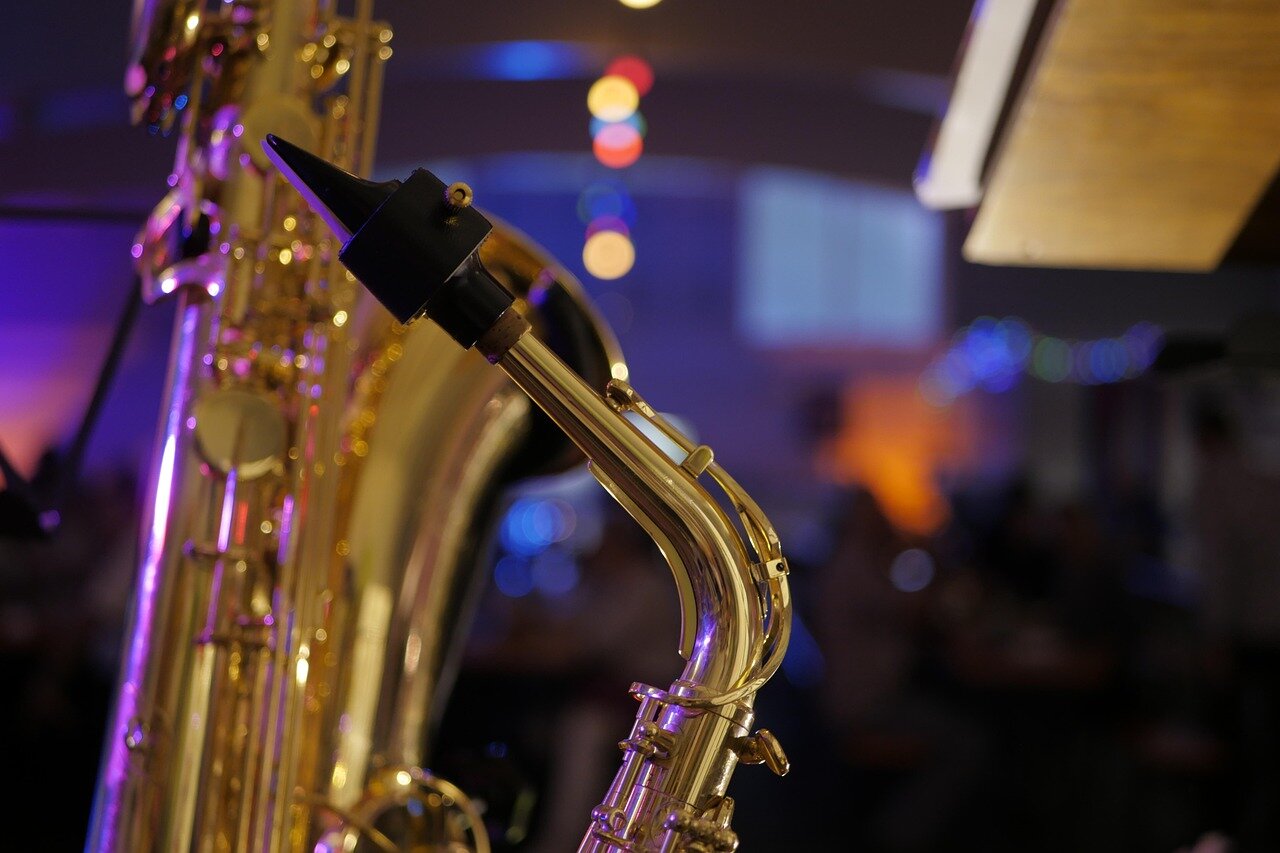
In recent years, notable artists such as Kamasi Washington and Shabaka Hutchings have brought elements of free jazz to broader audiences, blending it with other genres like hip-hop and electronic music. These musicians have sparked renewed interest among younger generations, who are exploring the genre’s rich history and its experimental roots. Despite this, many still report feeling intimidated by the complexity and perceived elitism of free jazz. For those looking to understand more about artistic expression, this article on creating a bike-friendly world delves into similar themes of community and innovation.
The COVID-19 pandemic has further complicated the landscape for free jazz musicians, as live performances were severely restricted. Many artists turned to digital platforms to share their work, leading to a surge in online collaborations and virtual concerts. This shift has allowed some listeners to engage with free jazz in a more private setting, yet it has also highlighted the challenges of experiencing the genre’s communal aspects.
As the music industry gradually recovers, discussions about the future of free jazz are becoming increasingly relevant. The genre’s ability to adapt and resonate with contemporary issues, such as social justice and personal expression, may play a crucial role in its evolution. Understanding these dynamics is essential for both artists and audiences as they navigate the complexities of this often-misunderstood musical form.
Understanding the Historical Background of Free Jazz
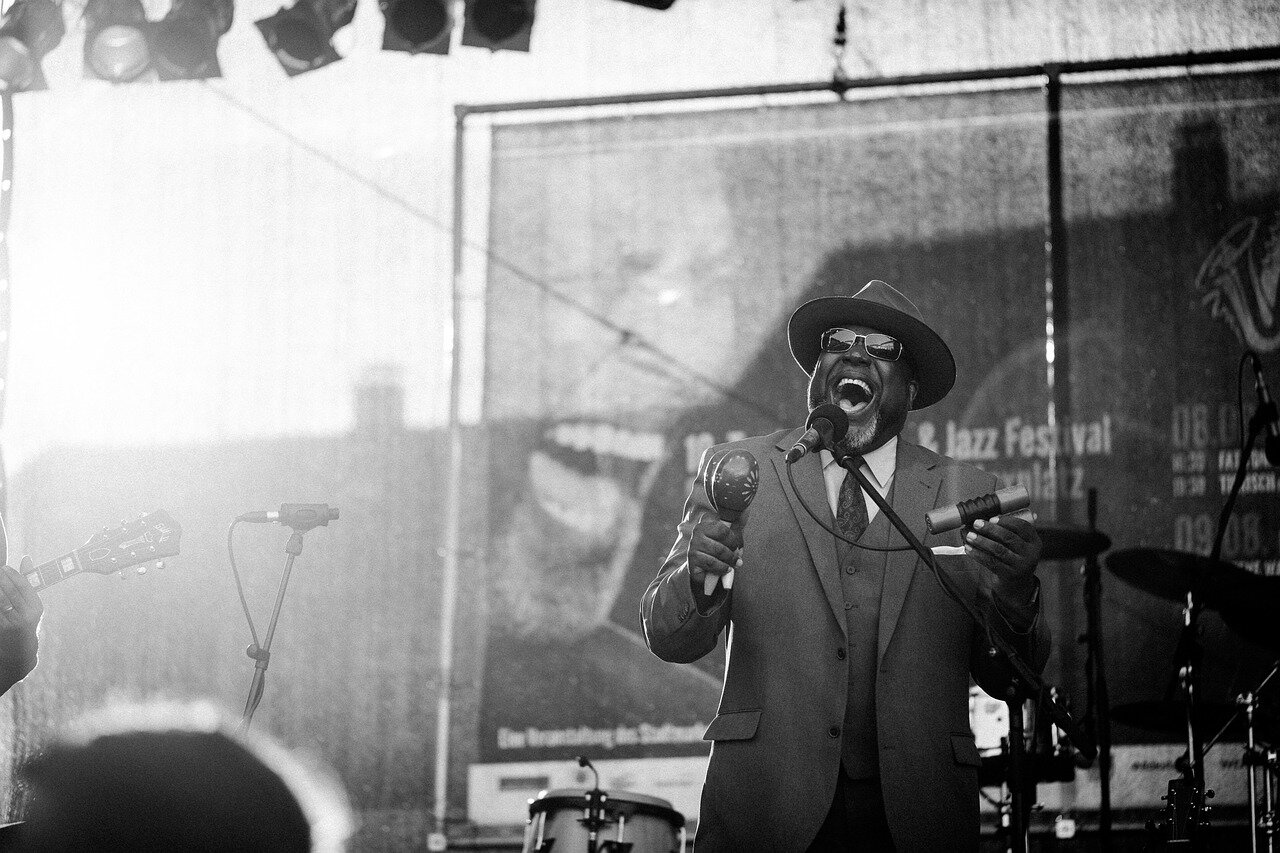
Free jazz emerged in the late 1950s and 1960s as a radical departure from traditional jazz forms, characterized by its emphasis on improvisation and the rejection of established musical structures. This genre was not just a musical evolution; it was a response to the social and political upheavals of the time, including the Civil Rights Movement and anti-war protests. Musicians sought to express their individuality and dissent through a form of art that broke away from commercial constraints and the expectations of mainstream audiences.
The roots of free jazz can be traced back to earlier jazz movements, particularly bebop, which challenged the norms of swing music. However, free jazz took this challenge further by eliminating fixed chord changes and tempos. Pioneers like Ornette Coleman and John Coltrane pushed the boundaries of harmony and rhythm, creating a sound that was both innovative and polarizing. Their work laid the groundwork for a genre that many critics dismissed as chaotic or inaccessible, further entrenching the stigma surrounding free jazz. For insight into how artistic movements can shape perceptions, explore the connections in this piece on real-world disappearances.
The Social Context of Free Jazz
In the context of the 1960s, free jazz was also a reflection of the broader cultural shifts occurring in America. The music became a voice for marginalized communities, particularly African Americans, who were seeking to assert their identity and challenge systemic oppression. Venues that showcased free jazz often became safe spaces for artists and audiences alike, fostering a sense of community and resistance. This social backdrop contributed to the genre’s evolution, as musicians began to view their art as a form of activism.
Despite its artistic significance, free jazz has faced considerable criticism and misunderstanding over the decades. Many listeners, unfamiliar with its avant-garde approach, found it difficult to engage with the music. This perception has often led to a sense of isolation among free jazz musicians, who, as noted by many artists, often feel compelled to play ‘in hiding’ or in less mainstream settings. The genre’s complexity and the emotional depth of its improvisational nature continue to challenge audiences, making it a topic of ongoing debate within the music community.
Key Issues and Stakeholders in the Free Jazz Scene
The free jazz movement, often viewed as a niche genre, has a diverse array of stakeholders, each with their own interests and perspectives. Musicians, listeners, record labels, and cultural institutions all play a part in shaping the landscape of free jazz. Understanding their roles can illuminate the challenges and opportunities within this unique musical form.
Musicians are at the forefront of the free jazz scene, often driven by a desire for artistic expression and innovation. Many artists embrace the genre’s improvisational nature as a means of personal and collective exploration. However, they also face the challenge of gaining recognition and financial support in a music industry that often favors more commercially viable genres.
Listeners, particularly those new to free jazz, represent another crucial stakeholder group. Their interest in the genre can be influenced by cultural perceptions and the accessibility of performances. Many potential fans may feel intimidated by the complexity of free jazz, leading to a disconnect between the music and broader audiences. This highlights the need for educational initiatives and outreach efforts to foster a deeper appreciation. Understanding community engagement through the arts can also be seen in this festive article that emphasizes connection and the role of art in bringing people together.
- Record Labels: They play a critical role in promoting and distributing free jazz, but may prioritize artists with proven commercial appeal, creating tension between artistic integrity and marketability.
- Cultural Institutions: Museums, galleries, and music festivals can provide essential platforms for free jazz, yet often have limited resources, affecting their ability to support emerging artists.
- Government Policies: Funding and support for the arts can vary significantly, impacting the sustainability of free jazz initiatives and the livelihoods of artists.
Additionally, the economic challenges faced by free jazz musicians often intersect with legal issues surrounding copyright and intellectual property. The improvisational nature of the genre raises questions about authorship and ownership, complicating the landscape for artists seeking to protect their work while also collaborating with others. These factors contribute to an ongoing dialogue about the future of free jazz and its place within the broader music ecosystem.

Who Is Affected by the Stigma Surrounding Free Jazz?
The stigma surrounding free jazz affects a diverse range of groups, including musicians, audiences, and the broader music industry. Musicians, particularly those who specialize in this genre, often find themselves marginalized within the larger music community. This marginalization can limit their opportunities for performance, collaboration, and financial support, impacting their livelihoods and artistic expression.
Audiences interested in exploring free jazz may also feel the weight of stigma, as they often encounter misconceptions about the genre being inaccessible or overly avant-garde. This perception can deter potential listeners from engaging with free jazz, leading to a smaller, more insular audience base. In regions where free jazz is less understood, cultural institutions may shy away from promoting events or educational programs related to the genre.
In the music industry, record labels and promoters may prioritize more commercially viable genres, leaving free jazz artists with fewer platforms to showcase their work. This short-term impact can stifle innovation and creativity, as artists may feel pressured to conform to mainstream expectations. However, there are also mid-term opportunities for niche markets to emerge, as a growing number of listeners seek out unique and authentic musical experiences.
- Short-term Risks: Limited performance opportunities for artists, reduced audience engagement, and financial instability.
- Mid-term Opportunities: Growth of niche markets, increased interest in diverse musical experiences, and potential collaborations across genres.
Ultimately, the effects of stigma surrounding free jazz extend beyond the musicians themselves, influencing cultural perceptions and shaping the landscape of contemporary music. Addressing these challenges can lead to a richer appreciation of the genre and its contributions to the artistic community.
A: Free jazz is characterized by its improvisational nature, lack of traditional structure, and emphasis on individual expression. It often challenges conventional musical norms. A: Free jazz faces criticism for being inaccessible or chaotic, leading to a perception that it is less legitimate than other music genres. This stigma can deter new listeners. A: To appreciate free jazz, listeners are encouraged to approach it with an open mind, listen to a variety of artists, and attend live performances to experience its spontaneity. A: Yes, influential figures include Ornette Coleman, John Coltrane, and Cecil Taylor, each contributing uniquely to the genre’s development and recognition. A: Free jazz has influenced various genres, encouraging experimentation and pushing boundaries in music, which can be seen in modern jazz, rock, and electronic music.
Frequently Asked Questions About Free Jazz
Key Takeaways and Future Outlook for Free Jazz
The exploration of free jazz reveals a complex relationship between the genre and its audience. While often dismissed as inaccessible, the music invites listeners to engage in a deeply personal and introspective experience. As the genre continues to evolve, its ability to challenge conventional norms may open new avenues for appreciation and understanding.
Looking ahead, the potential for free jazz to reach broader audiences hinges on education and exposure. By fostering environments where listeners can explore the genre in a supportive context, the stigma surrounding free jazz may diminish, allowing for a richer cultural dialogue.
- Embrace the Unconventional: Listeners are encouraged to approach free jazz with an open mind, recognizing its value in emotional expression and creativity.
- Community and Collaboration: Creating spaces for communal listening experiences can enhance appreciation and foster a sense of belonging among fans.
- Educational Initiatives: Incorporating free jazz into music education can demystify the genre and introduce new generations to its innovative spirit.
- Artist Engagement: Encouraging artists to share their creative processes and inspirations can deepen listeners’ connections to the music.
- Cross-Genre Collaborations: Exploring intersections between free jazz and other musical styles may attract diverse audiences and expand its reach.