


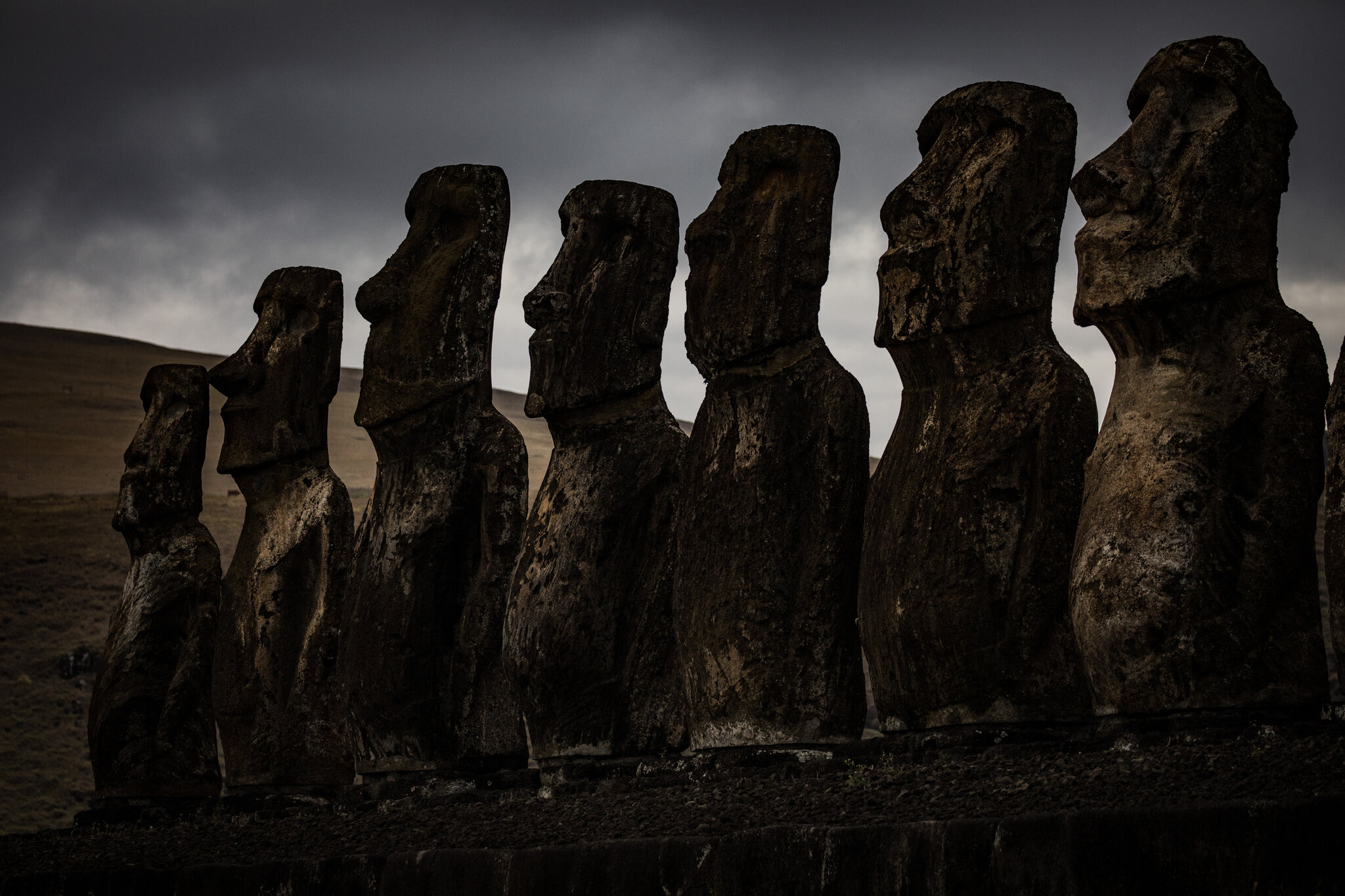
Exploring the Movement of Moai Statues
Recent research has reignited interest in the ancient practices surrounding the iconic Moai statues of Easter Island, known for their imposing size and historical significance. Scholars are investigating the possibility that these giant stone figures were not merely stationary monuments but could have been transported across the island using innovative techniques, much like the themes explored in Stephen Schwartz’s discussions on cultural significance.
In 2023, a team of archaeologists and engineers conducted experiments to test various theories on how the Moai could have been moved. They utilized modern technology to replicate the conditions of the past, employing techniques such as the use of ropes, sledges, and even the concept of walking the statues upright. These experiments aim to provide insights into the logistical capabilities of the island’s inhabitants.
The findings from these studies are crucial as they challenge long-held beliefs about the capabilities of the Rapa Nui civilization. By understanding the methods used to transport the Moai, researchers hope to uncover more about the societal structure, resource management, and environmental interactions of the island’s ancient population. This knowledge is essential for preserving the cultural heritage of Easter Island and informing future conservation efforts.
As discussions around climate change and its impact on cultural sites intensify, the research on the Moai statues becomes increasingly relevant. The preservation of these statues is not only a matter of historical significance but also an opportunity to engage in broader conversations about sustainability and the resilience of human ingenuity in the face of environmental challenges.
Understanding the History of Easter Island and Its Statues
Easter Island, known as Rapa Nui to its indigenous inhabitants, is a remote volcanic island in the southeastern Pacific Ocean, famous for its monumental statues, or moai. These giant heads, carved from volcanic tuff, are emblematic of the island’s complex history and the cultural significance of the Rapa Nui people, which is an essential topic also covered in comparative analyses of different cultural artifacts.

The social structure of the Rapa Nui society was intricately tied to the construction and transportation of these statues. The moai were not merely artistic expressions; they represented ancestral figures and were believed to embody the spirits of important ancestors. As such, their construction was a communal effort that required significant resources and labor, shaping the island’s political dynamics and social hierarchies. The competition among clans to erect the largest and most impressive moai often led to conflicts and rivalries.
Economically, the island faced challenges due to its isolation and limited resources. The deforestation that occurred as a result of the extensive use of trees for transporting the moai and for building canoes contributed to ecological degradation. This environmental crisis had profound implications for the Rapa Nui people, leading to food shortages and societal upheaval. The arrival of European explorers in the 18th century further complicated the situation, introducing new diseases and external pressures that diminished the indigenous population.
Theories of Mobility
Recent studies have sparked interest in the possibility that the moai were not only stationary monuments but could have been moved across the island. Various theories suggest that the statues could have been “walked” to their locations using a combination of manpower and innovative techniques. This idea challenges traditional views of the moai’s transportation and highlights the ingenuity of the Rapa Nui people. Understanding these methods provides insight into the cultural practices and technological capabilities of the island’s inhabitants.
Debating the Mechanisms Behind the Moai’s Movement
The discussion surrounding the movement of the Moai statues on Easter Island involves a variety of stakeholders, including archaeologists, local government officials, environmentalists, and the indigenous Rapa Nui community. Each group has its own interests and perspectives on how these monumental structures were transported and erected, leading to differing interpretations of historical and cultural significance.
Archaeologists are primarily focused on uncovering the methods used by the Rapa Nui people to move the giant heads. Their interest lies in understanding ancient technologies and practices, which could offer insights into the societal organization and resource management of the island’s inhabitants. Conversely, some local government officials may prioritize tourism and economic development, seeking to promote the Moai as a central attraction while balancing the preservation of cultural heritage.
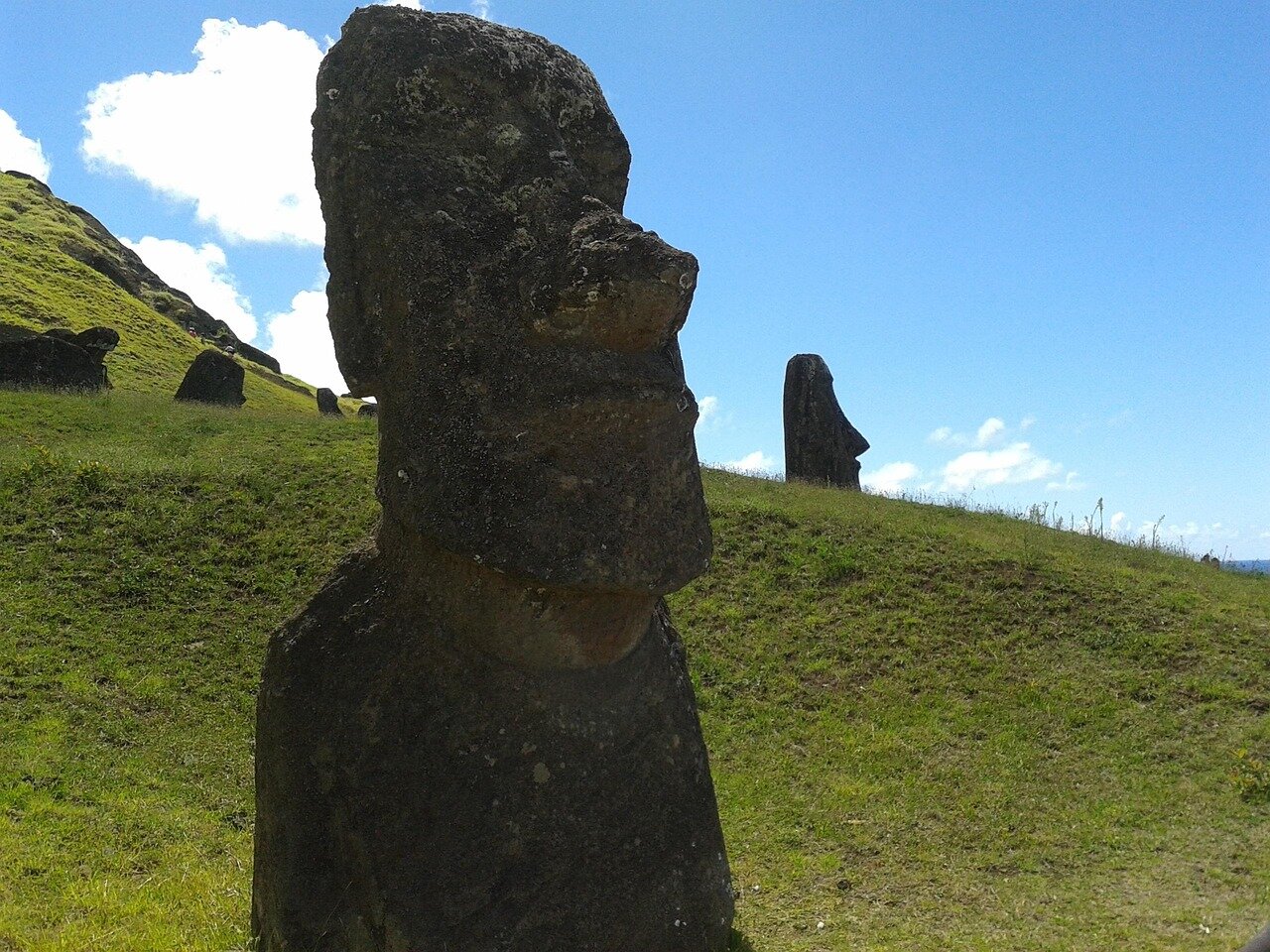
The Rapa Nui community itself is a critical stakeholder, as they possess a deep cultural connection to the Moai. Their interests often revolve around the preservation of their heritage and the recognition of their ancestral practices. Conflicts arise when external interpretations of the Moai’s movement overshadow indigenous narratives, potentially leading to cultural appropriation and misrepresentation.
- Conflicting Interests: Archaeologists may advocate for more invasive research methods, while the Rapa Nui community may prefer non-intrusive approaches to protect their heritage.
- Economic Trade-offs: Increased tourism can provide economic benefits but may also lead to environmental degradation and cultural dilution.
- Legal Issues: Ownership and stewardship of the Moai statues raise questions about who has the right to manage and interpret these cultural artifacts.
- Environmental Concerns: The transportation of Moai, whether through traditional methods or modern machinery, can impact the fragile ecosystem of Easter Island.
As discussions continue, it is crucial for all stakeholders to engage in dialogue that respects the Rapa Nui’s cultural heritage while fostering scientific inquiry and sustainable tourism practices, a balance that resonates with broader themes in cultural explorations about preserving history.
Cultural and Historical Implications of Moving Statues
The recent exploration into the possibility that the Giant Heads of Easter Island, or moai, may have once been able to walk has significant implications for various groups, particularly the Rapa Nui people, archaeologists, and tourism operators. The Rapa Nui community, as the indigenous inhabitants of Easter Island, has a deep cultural connection to these statues, which are central to their identity and heritage.
In the short term, this revelation could lead to increased interest in archaeological research, prompting more funding and resources to study the techniques and methods that could have allowed these statues to be moved. This could also spark new educational initiatives aimed at teaching both locals and tourists about the cultural significance of the moai and the history of the Rapa Nui people.
Mid-term impacts may include a shift in tourism dynamics. As interest grows, businesses that cater to tourists, such as local guides and hotels, may experience a surge in visitors eager to learn about the moai’s history. However, this could also pose risks, including potential over-tourism, which might threaten the preservation of the island’s cultural and natural resources.

- Increased tourism may lead to economic growth for local businesses.
- Heightened cultural awareness could foster pride among the Rapa Nui people.
- Risks of over-tourism might necessitate new policies for sustainable tourism management.
- Opportunities for research funding may arise, enhancing archaeological studies.
Moreover, the potential for new interpretations of the moai’s construction and movement could influence policy decisions regarding heritage preservation. Governments and organizations may need to implement stricter regulations to protect these cultural artifacts while balancing the interests of tourism and research.
A: The Moai statues were carved from volcanic tuff, which is a soft stone, allowing for easier shaping. The carving process involved skilled labor and significant community effort. A: Recent studies suggest that the Moai could have been moved using a combination of ropes and coordinated effort, allowing them to ‘walk’ to their locations. A: The Moai were constructed to honor ancestors and were believed to embody the spirits of important figures, serving both religious and social functions. A: Yes, modern interpretations include various engineering experiments that demonstrate possible methods for moving the statues, providing insights into ancient Rapa Nui ingenuity. A: Researchers face challenges such as limited historical records, environmental factors affecting the site, and the need for interdisciplinary approaches to fully understand the Moai’s significance.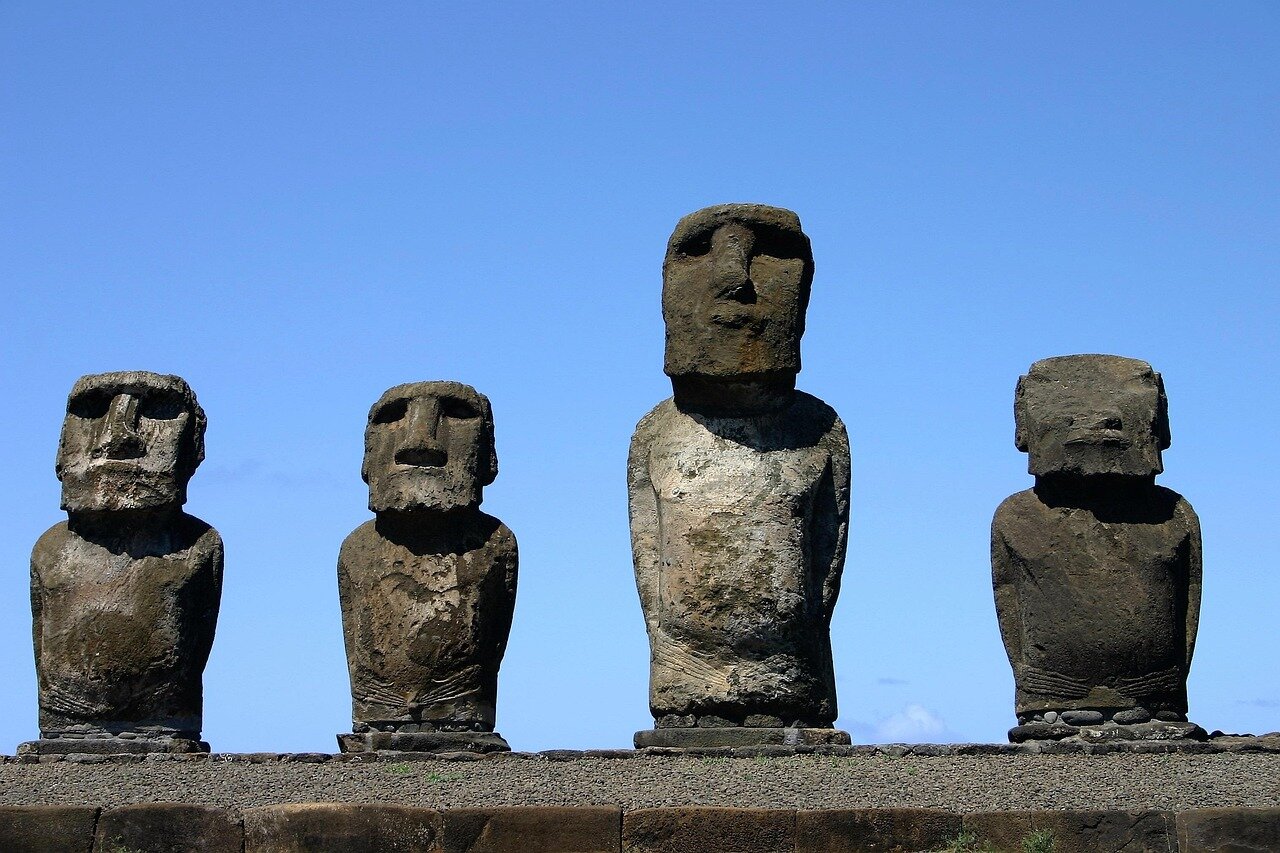
Frequently Asked Questions About the Moai Statues
Key Takeaways and Future Research Directions
The exploration of whether the giant heads of Easter Island, or moai, once walked reveals significant insights into the ingenuity and adaptability of the Rapa Nui people. This research not only sheds light on the historical practices of transportation and construction but also opens avenues for understanding the cultural significance of these monumental statues. As new technologies and methodologies emerge, the potential for further discoveries about the moai and their role in Rapa Nui society continues to grow.
Future studies could focus on archaeological evidence that supports or refutes the theories of mobility, as well as the environmental impacts of these practices on the island’s ecosystem. Additionally, examining the social structures that enabled such monumental projects may provide a deeper appreciation of the Rapa Nui’s cultural heritage.
- Investigate the use of advanced imaging technologies to uncover more about the construction methods of the moai.
- Explore the ecological consequences of the transportation methods used for the statues and their impact on the island’s resources.
- Consider the social dynamics within Rapa Nui society that facilitated the creation and movement of these massive structures.
- Encourage interdisciplinary collaboration between archaeologists, historians, and environmental scientists to gain a holistic understanding of the moai’s significance.
- Monitor ongoing research and excavations that may provide new evidence regarding the cultural practices surrounding the moai.