


The participation of these influential leaders highlights the importance of corporate engagement in international relations. For further insights into the impact of technology on global business, check out our article on the best VR games making their debut this summer.
As the trip approaches, discussions are expected to focus on key issues such as supply chain resilience, market access, and intellectual property rights. The presence of these CEOs may signal a willingness to collaborate on shared challenges, potentially easing some of the friction that has characterized U.S.-China relations in recent years.
This visit comes at a time when both countries are navigating complex geopolitical landscapes. The involvement of top executives could lead to new opportunities for investment and partnerships, which may have significant implications for global markets and technology development.
Background on the significance of this trip
The upcoming trip to China by former President Donald Trump, accompanied by prominent CEOs such as Elon Musk and Jensen Huang, marks a significant moment in U.S.-China relations. Historically, these two nations have shared a complex relationship characterized by both cooperation and competition, influenced by political, economic, and social factors. The participation of influential business leaders indicates a potential shift in how corporate America engages with China, a country that is both a crucial market and a strategic rival.
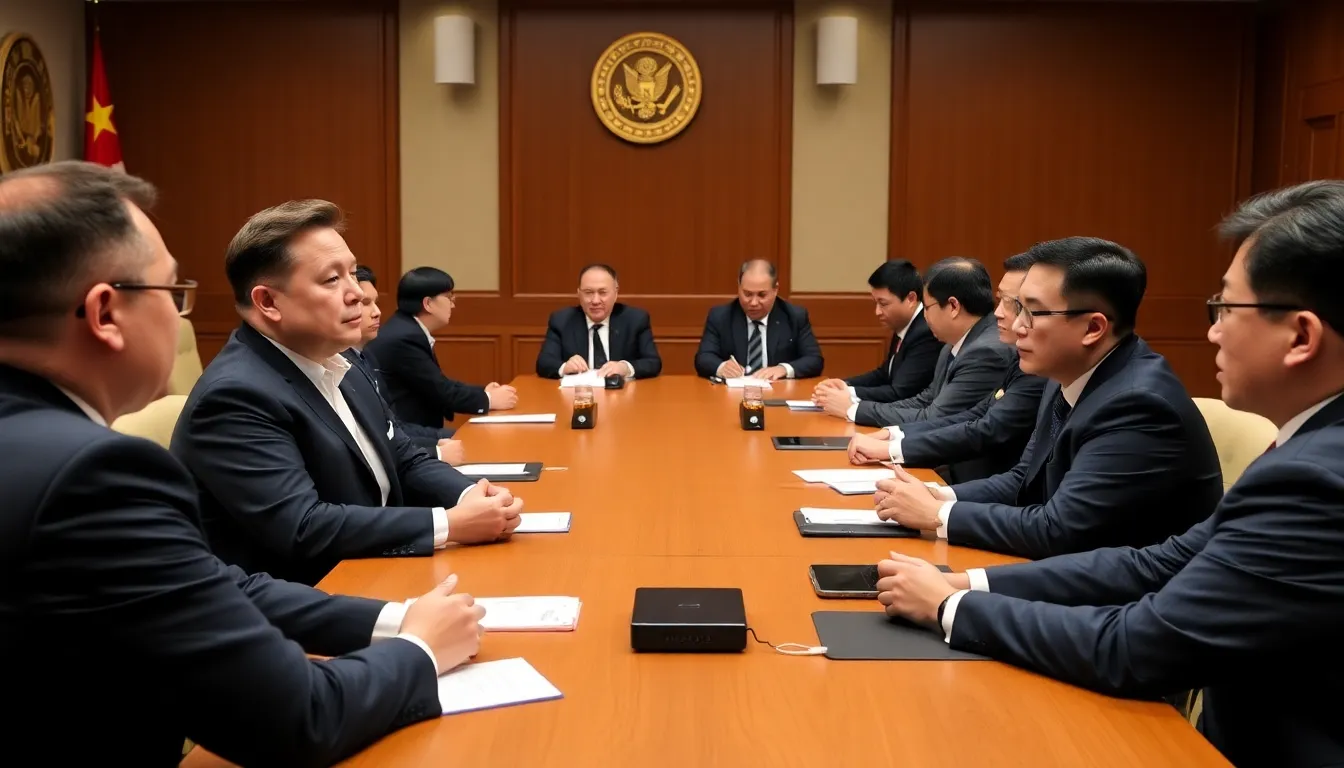
In recent years, tensions between the U.S. and China have escalated due to trade disputes, technological competition, and geopolitical conflicts. The trade war initiated in 2018 under Trump’s administration led to tariffs on billions of dollars’ worth of goods, straining economic ties. However, as the global economy faces challenges such as inflation and supply chain disruptions, the need for dialogue and collaboration has become more pressing. This trip could signal a thawing of relations and an opportunity for American businesses to re-establish connections with Chinese counterparts.
Moreover, Musk and Huang’s involvement is particularly noteworthy given their respective industries. Musk, as the CEO of Tesla, has substantial investments in China, where the electric vehicle market is rapidly expanding. You can learn more about how AI is shaping various industries in our recent piece on Oscar’s new rules on AI and international movies.
Key milestones in U.S.-China relations
Several key milestones have shaped the current dynamics between the U.S. and China. Understanding these historical contexts is essential to grasp the significance of this trip and its potential implications for future U.S.-China relations, similar to how the 10th edition of Conecta Fiction & Entertainment celebrates milestones in the creative economy.
Key stakeholders and issues at play during the visit
The upcoming trip to China led by former President Donald Trump, featuring prominent CEOs such as Elon Musk of Tesla and Jensen Huang of NVIDIA, brings together a complex web of stakeholders with varying interests. These include corporate leaders, the Chinese government, U.S. policymakers, and the broader economic landscape impacted by U.S.-China relations.
Elon Musk and Jensen Huang represent the technology and automotive sectors, which have significant stakes in China’s market. Musk’s Tesla relies heavily on China for manufacturing and sales, while Huang’s NVIDIA is a key player in the semiconductor industry, which is crucial for both consumer electronics and artificial intelligence. Their participation in the trip highlights their interest in fostering favorable conditions for business operations and securing access to the vast Chinese consumer base.
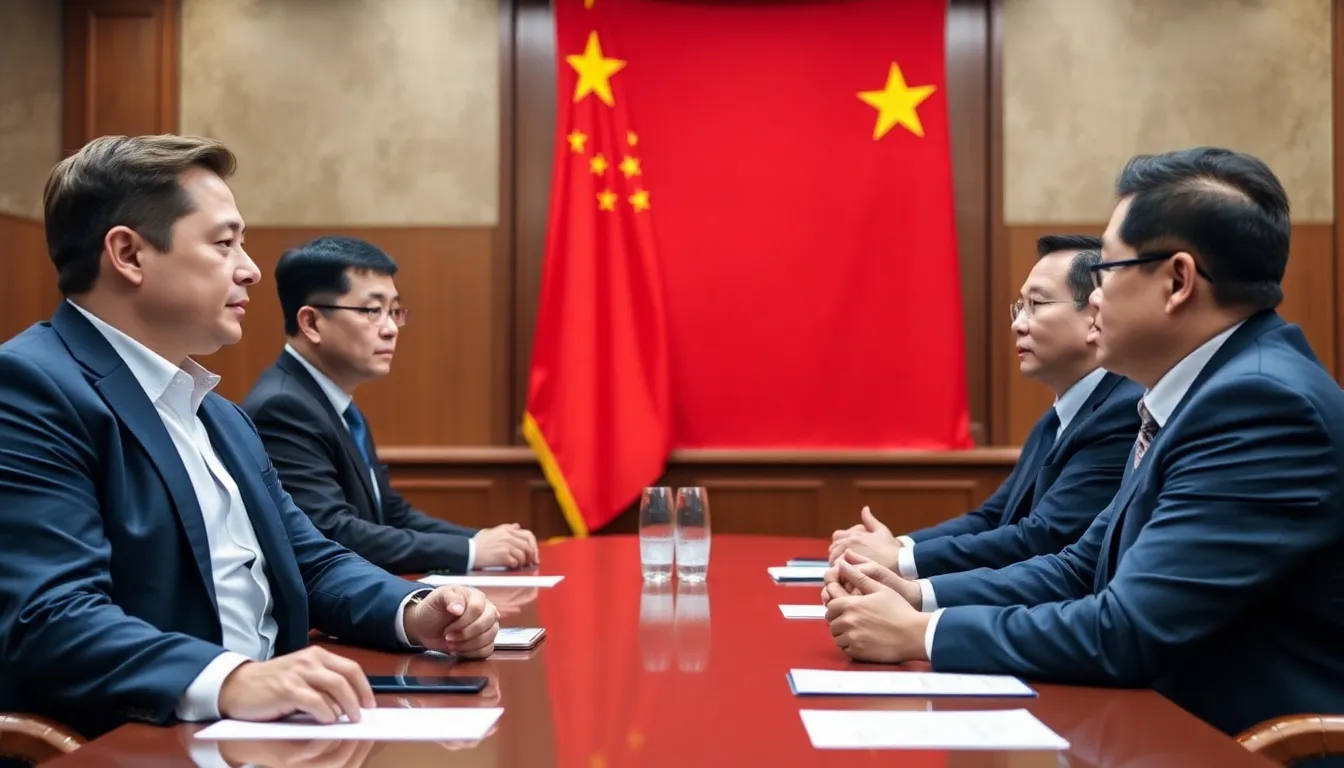
On the other hand, the Chinese government views this visit as an opportunity to strengthen ties with influential American business leaders. By engaging with these CEOs, China aims to showcase its openness to foreign investment and counteract the narrative of decoupling that has emerged in recent years. This dynamic creates a potential conflict with U.S. policymakers who are concerned about national security and economic dependency on China.
- Trade tensions: The trip occurs against a backdrop of ongoing trade tensions between the U.S. and China, with tariffs and restrictions impacting various industries.
- Regulatory challenges: CEOs may face regulatory hurdles in China, including compliance with local laws and navigating the complex political landscape.
- Technological competition: The competition for technological supremacy, particularly in areas like AI and semiconductors, raises questions about intellectual property and innovation.
- Geopolitical implications: The visit may influence U.S. foreign policy and its approach to China, especially concerning trade agreements and diplomatic relations.
As these stakeholders engage in discussions, the outcomes will not only affect their respective companies but also have broader implications for U.S.-China relations and the global economy. Balancing corporate interests with national security concerns will be a critical challenge for all parties involved.
Potential impacts on U.S.-China relations and global markets
The participation of prominent CEOs like Elon Musk and Jensen Huang in a diplomatic trip to China alongside former President Trump signals a potential shift in U.S.-China relations. This event could affect various groups, including technology companies, automotive industries, and international trade organizations, as well as the general populace in both countries.
In the short term, businesses in the technology and automotive sectors may experience increased optimism as discussions around trade policies and tariffs could lead to more favorable conditions for exports and imports. Companies like Tesla and NVIDIA, which rely heavily on Chinese manufacturing and consumer markets, stand to benefit from any easing of tensions.
However, there are also risks involved. Should the trip fail to produce tangible outcomes or if it provokes backlash from other political factions, businesses may face renewed uncertainty. This could lead to volatility in stock prices and affect investment strategies across various sectors.
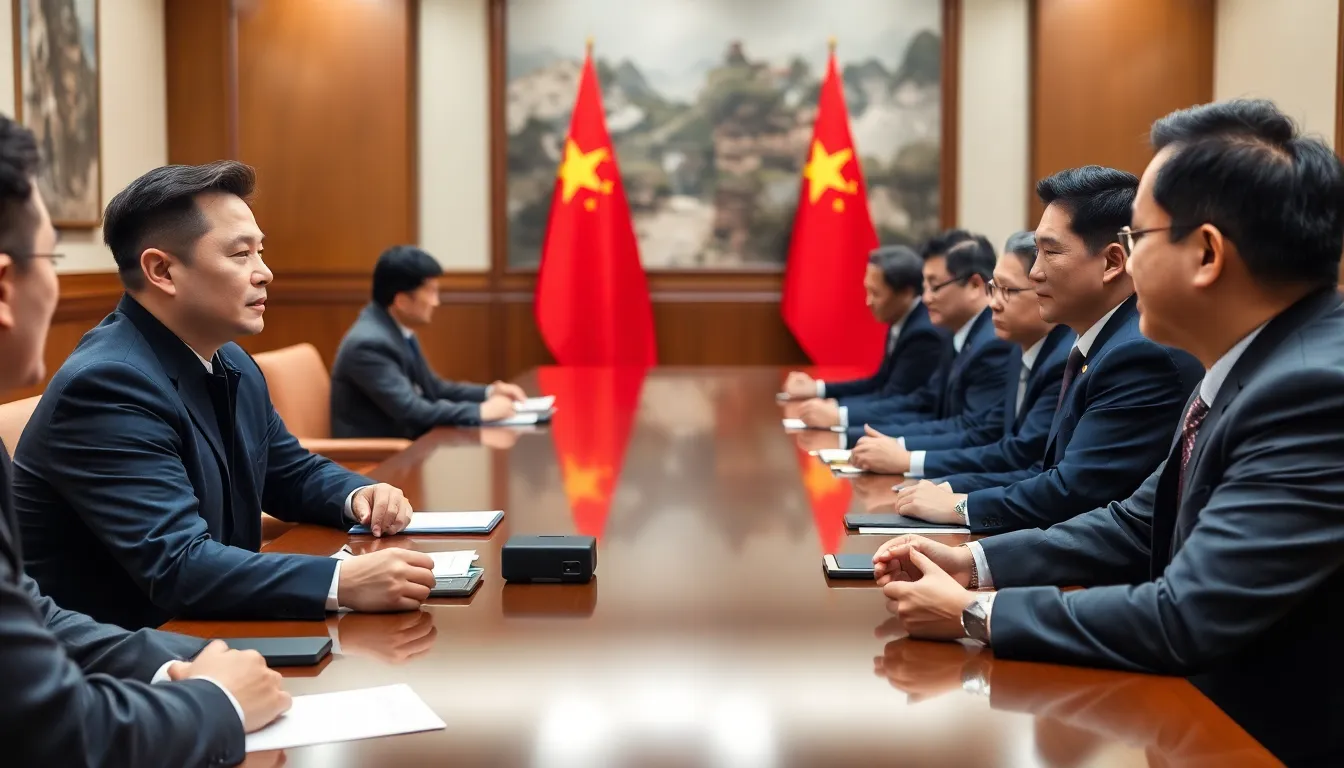
- Opportunities: Strengthened partnerships between U.S. and Chinese companies, leading to potential joint ventures and innovation.
- Risks: Heightened scrutiny and regulatory challenges, which could impact operational strategies for firms engaged in cross-border trade.
- Market Impact: Fluctuations in global markets as investors react to news and developments stemming from the trip.
In the mid-term, the implications of this trip could reshape policy discussions around technology transfer, intellectual property rights, and environmental regulations. If successful, it may pave the way for more collaborative frameworks, which could enhance economic stability in both regions.
Conversely, if the trip exacerbates existing tensions, it could result in a more fragmented global market, forcing companies to reassess their supply chains and market strategies. The overall impact on daily life may vary, with consumers potentially facing changes in product availability and pricing as businesses navigate the evolving landscape.
A: The trip aims to strengthen business ties between the U.S. and China, address ongoing trade issues, and foster cooperation on various fronts. A: Their participation underscores the importance of collaboration between major tech companies and government, as they seek to navigate complex trade dynamics. A: Expected outcomes include discussions on trade agreements, technology partnerships, and potential initiatives to ease tensions between the two nations. A: The trip could lead to new opportunities for tech companies in both countries, impacting supply chains, investments, and innovation strategies. A: Yes, there are expected to be press conferences and public discussions, allowing stakeholders to share insights and updates on the negotiations.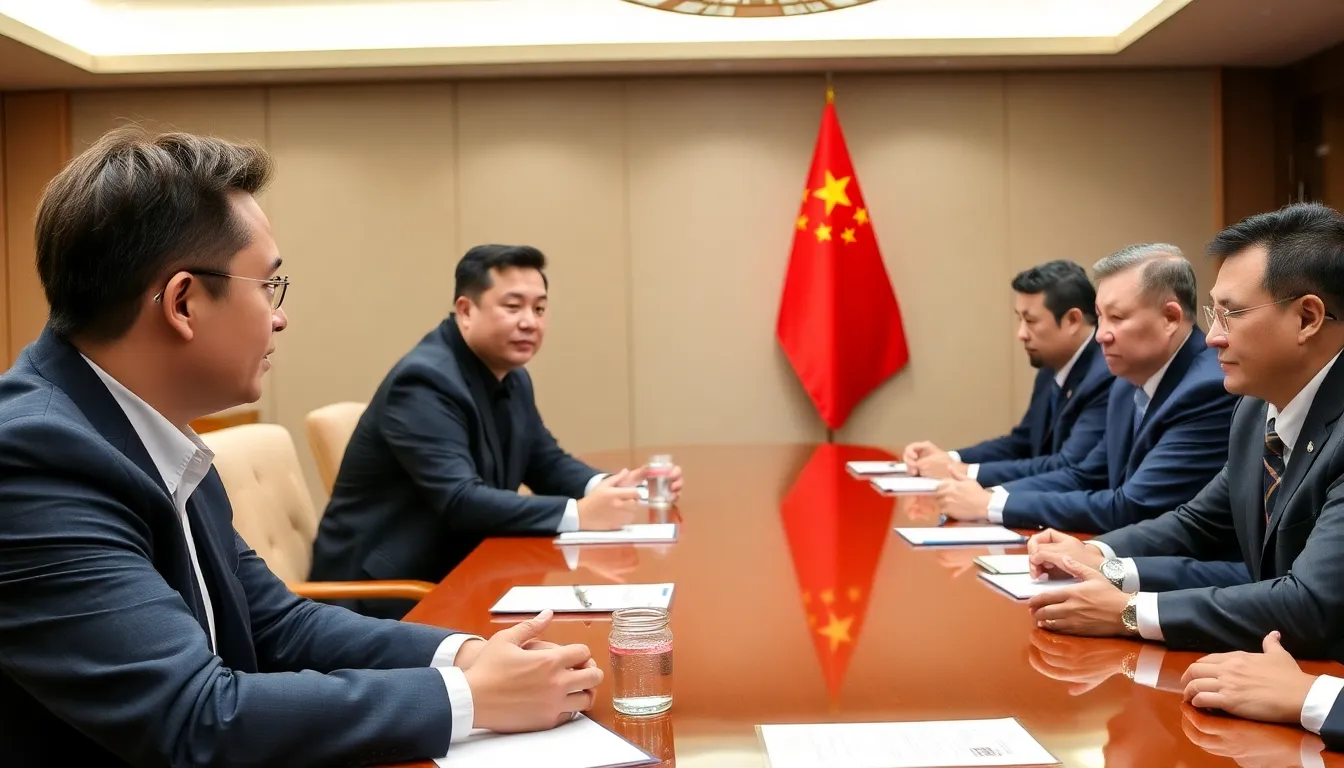
Frequently asked questions about the trip
Key takeaways and future outlook from the trip
The recent trip to China by prominent CEOs, including Elon Musk and Jensen Huang, underscores the increasing importance of global collaboration in the tech and business sectors. As these leaders engage with Chinese officials, the implications for international trade, technology transfer, and geopolitical dynamics become more pronounced. This trip not only highlights the potential for economic partnerships but also signals a shift in how American companies perceive their role in the global market, particularly in relation to China.
Looking ahead, the outcomes of this trip could reshape the landscape for American businesses operating in China. Stakeholders should remain vigilant about the evolving regulatory environment and the potential for new agreements that may emerge from these high-level discussions.
- The trip may lead to new partnerships that enhance technological collaboration between the U.S. and China.
- Watch for potential changes in trade policies that could impact supply chains and market access.
- Increased dialogue may pave the way for addressing critical issues such as intellectual property rights and cybersecurity.
- The participation of major CEOs could influence public perception and foster a more favorable environment for American investments in China.
- Monitor the responses from both governments, as they could indicate future trends in U.S.-China relations.