


The games in question, which have garnered critical acclaim for their immersive gameplay and innovative mechanics, will be released on the Switch on July 15 and August 12, respectively. By adapting these titles for a handheld console, the developers aim to reach players who may not own VR equipment, thus expanding their market reach. This transition is indicative of a growing recognition of the potential for VR gaming to thrive outside of specialized hardware, as seen in the latest trends in gaming adaptations.
Industry analysts suggest that this strategy could reshape the landscape of gaming, as it blurs the lines between traditional gaming and virtual reality. With the Switch’s portability and user-friendly interface, these games could attract a new demographic of players who prefer casual gaming experiences. The success of this venture could encourage other developers to consider similar adaptations in the future.
Furthermore, this shift highlights the ongoing evolution of gaming technology and player preferences. As the demand for versatile gaming experiences continues to rise, companies are exploring ways to innovate beyond their established platforms. The release of these VR titles on the Switch could serve as a catalyst for further experimentation and development in the gaming sector.
The evolution of gaming platforms and audience reach
The gaming industry has undergone significant transformations since its inception, evolving from simple arcade games to complex virtual reality (VR) experiences. The introduction of VR technology in the early 2010s marked a pivotal moment, allowing players to immerse themselves in digital worlds like never before. As hardware improved and costs decreased, VR gaming began to attract a dedicated audience, but it remained niche due to the high barrier of entry associated with headsets and powerful PCs.

In recent years, however, the landscape has shifted dramatically. The success of mobile gaming and the rise of hybrid consoles, like the Nintendo Switch, have demonstrated that accessibility is key to reaching a broader audience. This trend has prompted developers to rethink their strategies, leading to the decision to adapt popular VR titles for platforms that do not require specialized equipment. By doing so, they aim to capture the attention of casual gamers who may be hesitant to invest in VR technology.
Key milestones in VR gaming
Several milestones have shaped the current state of VR gaming. The launch of the Oculus Rift in 2016 marked the beginning of a new era, showcasing the potential of immersive experiences. Following this, Sony’s PlayStation VR brought VR to console gamers, further expanding the market. Despite these advancements, many developers faced challenges in maintaining player engagement due to the limitations of VR hardware and the social barriers it created.
As the demand for more accessible gaming experiences grew, developers began to explore cross-platform opportunities. The decision to release two of the best VR games on the Nintendo Switch signifies a strategic shift that aligns with changing consumer preferences. This move not only reflects the industry’s adaptability but also highlights the potential for VR titles to thrive in a more inclusive gaming environment, similar to how other industries are adapting to new markets.
The transition from VR to traditional gaming platforms represents a significant moment in the industry, as it bridges the gap between immersive experiences and mainstream accessibility. By embracing this approach, developers are not only expanding their audience reach but also redefining the future of gaming in a post-VR world.
Key stakeholders and the implications of this shift
The decision to release two of the best virtual reality (VR) games on the Nintendo Switch signifies a pivotal moment in the gaming industry. The main stakeholders involved include game developers, console manufacturers, consumers, and the broader gaming community. Each of these actors has distinct interests that shape their responses to this shift.
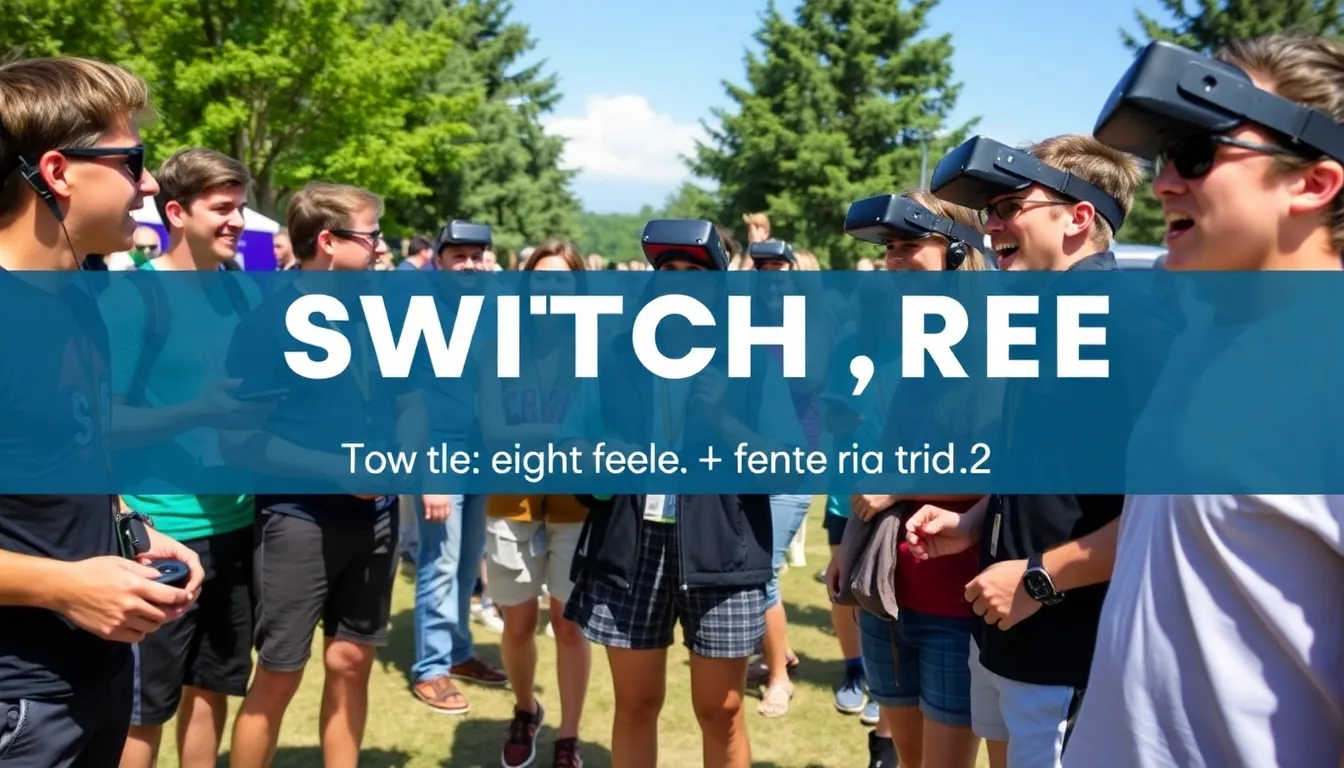
Game developers, such as the studios behind these VR titles, are primarily motivated by market expansion and increased revenue. By launching on the Switch, they aim to reach a wider audience beyond the VR niche, tapping into the massive user base of the popular handheld console. This move can potentially lead to greater sales and brand recognition, but it also raises concerns about maintaining the quality and immersive experience that VR offers.
Nintendo, as the console manufacturer, stands to benefit from this transition by enhancing its game library with high-profile titles that attract both existing and new customers. However, the company must navigate the technical challenges of adapting VR experiences to a non-VR platform, which could lead to trade-offs in gameplay quality and user experience.
- Consumer interests: Gamers may appreciate the accessibility of these titles on the Switch, but some may feel disappointed by the loss of the VR experience.
- Economic considerations: The financial implications for both developers and Nintendo could be significant, impacting future investment in VR technology.
- Legal issues: Intellectual property rights and licensing agreements may come into play as developers transition their games to a new platform.
- Market dynamics: This shift could influence competition among gaming platforms, prompting other developers to consider similar moves.
- Community response: The gaming community’s reaction may vary, with some embracing the change and others advocating for the preservation of VR experiences.
In summary, the transition of these VR games to the Nintendo Switch highlights a complex interplay of interests among key stakeholders, each navigating the potential benefits and drawbacks of this evolving landscape. The outcome of this shift may set important precedents for the future of gaming and virtual reality integration, much like the ongoing evolution of competitive gaming.
How this change will affect gamers and the market
The decision to release two of the best VR games without the need for a headset marks a significant shift in the gaming landscape. This move is likely to affect various groups, including traditional gamers, casual players, and the broader gaming industry. Developers, hardware manufacturers, and even retailers may experience changes in their operating environments.
In the short term, this transition could lead to increased accessibility for gamers who may have been deterred by the cost and complexity of VR headsets. Casual gamers, in particular, may find it easier to engage with these titles, leading to a potential surge in sales. Additionally, the gaming industry may see a shift in market dynamics as more players enter the fold, creating a larger audience for both developers and publishers.

However, there are risks associated with this change. VR hardware manufacturers may face declining sales as the demand for headsets diminishes. This could lead to layoffs or reduced investment in VR technology, which may stifle innovation in the long run. Furthermore, developers who primarily focus on VR experiences may need to adapt their strategies to cater to a more diverse audience.
- Increased accessibility: More gamers can participate without the barrier of VR headsets.
- Potential sales surge: Casual gamers could drive significant revenue growth.
- Market dynamics shift: Developers may need to adjust to a broader audience.
- Risks for VR hardware: Declining sales could impact manufacturers negatively.
- Adaptation for developers: A need to pivot strategies for a changing market.
In the mid-term, the impact on daily life may manifest through more social gaming experiences, as players can enjoy these titles together without the constraints of VR. This could foster a more collaborative gaming culture and lead to new business opportunities, such as community events or tournaments. On a policy level, there may be an increased focus on regulations surrounding gaming content, especially as more people engage with these games in public spaces.
A: The two VR games making their way to the Switch are highly acclaimed titles that have gained a strong following in the VR community. A: The developers aim to reach a broader audience by making the games accessible on a popular console, allowing more players to enjoy the experience. A: Yes, the gameplay may be adjusted to suit the Switch’s capabilities, but the core experience will remain intact. A: Both titles are scheduled for a summer release, although specific dates have yet to be announced. A: While details are limited, developers have hinted at potential new features that leverage the Switch’s unique controls.
Frequently asked questions about the game releases
Looking ahead: the future of VR and console gaming
The decision to release two of the best VR games on the Nintendo Switch marks a significant shift in the gaming landscape. This move not only broadens the accessibility of these titles but also highlights a growing trend towards hybrid gaming experiences that blend traditional console play with immersive virtual reality elements. As developers explore new ways to engage players, the implications for both VR technology and console gaming are profound.
As the boundaries between gaming formats continue to blur, it will be essential to monitor how this transition influences player engagement, market dynamics, and the technological advancements that follow. The success of these titles on the Switch could pave the way for more VR adaptations, potentially reshaping how developers approach game design in the future.
- The success of VR titles on non-VR platforms may encourage more developers to create hybrid experiences, expanding the audience for immersive games.
- Monitoring player feedback will be crucial as developers adapt VR experiences for traditional consoles, potentially leading to new gameplay mechanics.
- The shift could influence hardware sales, as players may seek out VR headsets to enhance their experience with these games in the future.
- This trend may prompt console manufacturers to invest more in VR technology, leading to improved integration and performance in future gaming systems.
- As more players engage with VR content through accessible platforms, the overall perception and acceptance of VR gaming may evolve, driving further innovation in the space.