


Chalmers has defended the budget in various forums, including a recent podcast where he addressed the concerns raised by economists and opposition leaders. He emphasized that the budget aims to strike a balance between fiscal responsibility and necessary investments in public services, while also acknowledging the challenges faced by households across the country.
Key figures in the opposition, including Shadow Treasurer Angus Taylor, have labeled the budget as ineffective, stating that it does not provide sufficient relief for struggling families. This criticism comes at a time when many Australians are seeking immediate support amid escalating living costs and economic uncertainty.
The ongoing debate surrounding the budget highlights the broader economic challenges facing the nation, as well as the differing perspectives on how best to navigate these issues. As Chalmers continues to respond to his critics, the implications of this budget will likely play a significant role in shaping public opinion and the political landscape in the lead-up to the next federal election.
Understanding the backdrop of the budget debate
The budget debate in Australia has always been a focal point of political discourse, reflecting the government’s priorities and economic strategies. Over the years, budgets have evolved in response to changing economic conditions and societal needs, often becoming a battleground for differing ideologies regarding fiscal responsibility and social welfare. The current budget, presented by Treasurer Jim Chalmers, comes at a time of significant economic challenges, including rising inflation and global uncertainties, which have intensified scrutiny from various stakeholders.
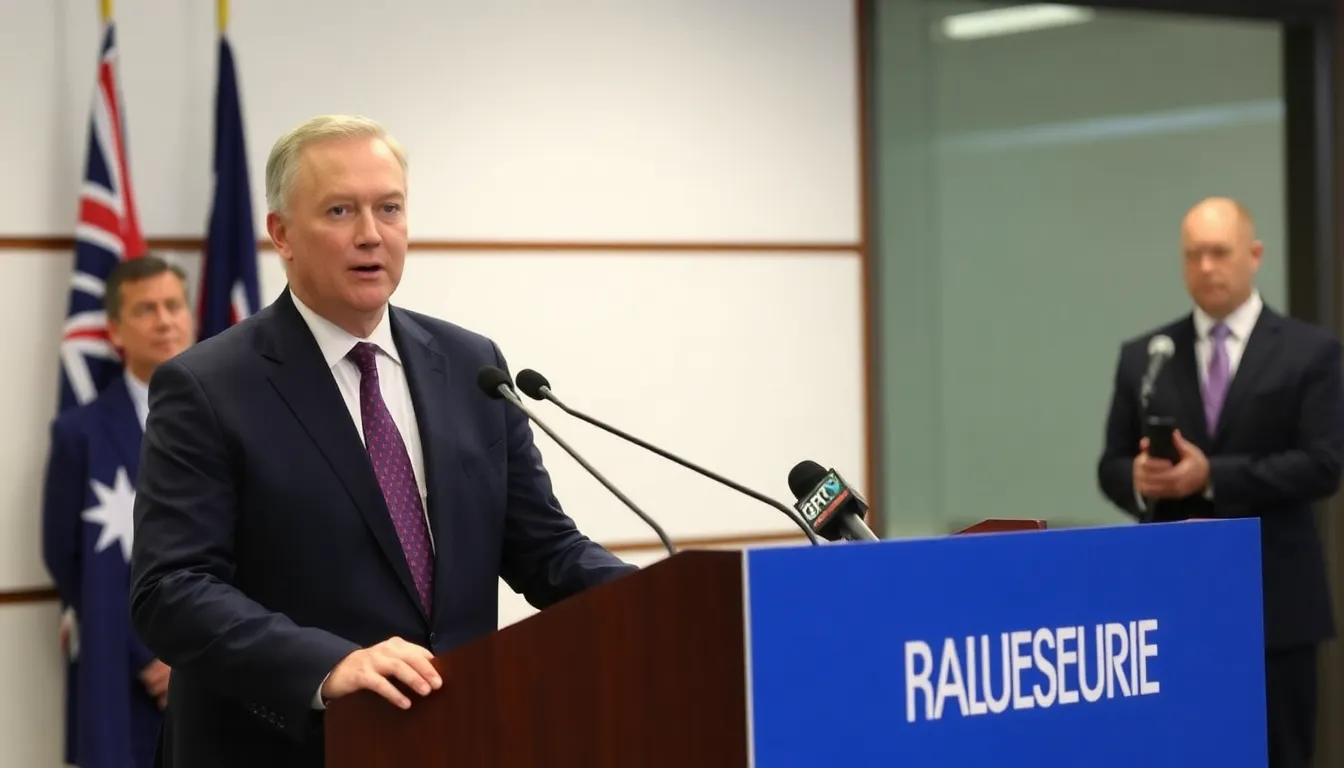
Historically, Australian budgets have been shaped by both internal and external factors. The global financial crisis of 2008 prompted a shift towards more interventionist fiscal policies, leading to increased government spending aimed at stimulating the economy. In recent years, as the nation emerged from the pandemic, the focus has shifted towards recovery and sustainable growth, with debates centering on how best to balance economic growth with social equity.
The Role of Political Ideologies
The political landscape plays a crucial role in shaping budgetary decisions. The Labor Party, under Chalmers’ leadership, advocates for increased investment in public services and social welfare, contrasting sharply with the opposition’s emphasis on austerity and fiscal restraint. This ideological divide has been a recurring theme throughout Australian political history, particularly during economic downturns when the public looks to the government for guidance and support.
Key milestones in recent budget discussions include the introduction of the JobKeeper and JobSeeker programs during the COVID-19 pandemic, which highlighted the government’s role in safeguarding livelihoods. As Australia continues to navigate post-pandemic recovery, the effectiveness of these initiatives remains a point of contention among critics who question the sustainability of such spending against the backdrop of rising national debt.
As Jim Chalmers responds to critics of the current budget, it is essential to recognize these historical and political contexts that inform the ongoing debate. The challenges faced today are not merely a reflection of the current government’s choices but are deeply rooted in the evolving economic landscape and the historical precedents set by previous administrations.
Key stakeholders and their concerns regarding the budget
In the recent podcast featuring Jim Chalmers, various stakeholders expressed their views on the budget, highlighting their interests and concerns. These stakeholders include government officials, economic analysts, social advocacy groups, and citizens who are directly affected by economic policies. Each group brings a unique perspective to the discussion, reflecting their priorities and the potential impact of budget decisions.
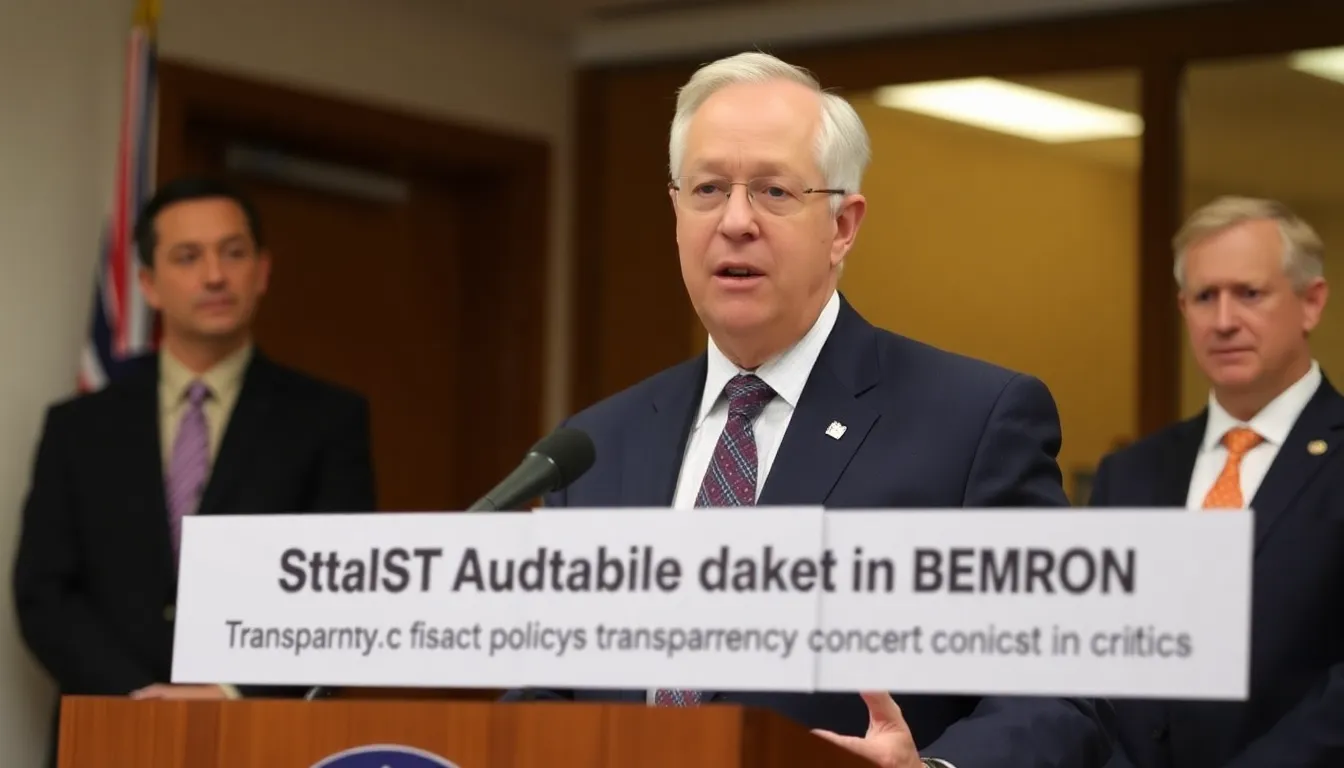
The government, represented by Jim Chalmers, aims to balance economic growth with fiscal responsibility. Chalmers emphasized the importance of investing in key areas such as healthcare, education, and infrastructure, which are crucial for long-term economic stability. However, critics argue that the budget may not adequately address immediate social needs, leading to a potential disconnect between government priorities and public expectations.
Economic analysts have raised concerns about the sustainability of the budget. They point to potential trade-offs between stimulating growth and managing inflation. As the government seeks to implement measures that foster economic recovery, analysts warn that excessive spending could lead to increased debt levels, impacting future generations and economic resilience.
- Social Advocacy Groups: These organizations are particularly focused on how the budget affects vulnerable populations. They argue for increased funding in social services and welfare programs to address inequality.
- Business Community: Many businesses are concerned about tax policies and regulations introduced in the budget. They advocate for measures that support small businesses and encourage investment.
- Citizens: Everyday Australians are keenly interested in how the budget will affect their daily lives, particularly in terms of cost of living, job security, and access to essential services.
Overall, the dialogue surrounding the budget reveals a complex interplay of interests and concerns. While the government aims to promote growth and stability, stakeholders from various sectors highlight the need for a more inclusive approach that considers the diverse needs of the population. The ongoing discussions reflect the challenges of navigating economic policy in a rapidly changing environment, where competing interests must be carefully balanced.
Who is affected by the budget and its implications
The recent budget presented by Jim Chalmers has sparked significant debate among various groups, industries, and regions. Key stakeholders include low- and middle-income families, small businesses, and sectors reliant on government funding such as healthcare and education. Each of these groups will experience different impacts based on the budget allocations and policy changes proposed.
In the short term, families may see immediate effects from changes in tax policies and welfare support, which could either alleviate or exacerbate financial pressures. Small businesses might face challenges due to increased operational costs or potential tax hikes, which could hinder growth. Conversely, sectors like renewable energy may benefit from increased funding and incentives, fostering innovation and job creation.
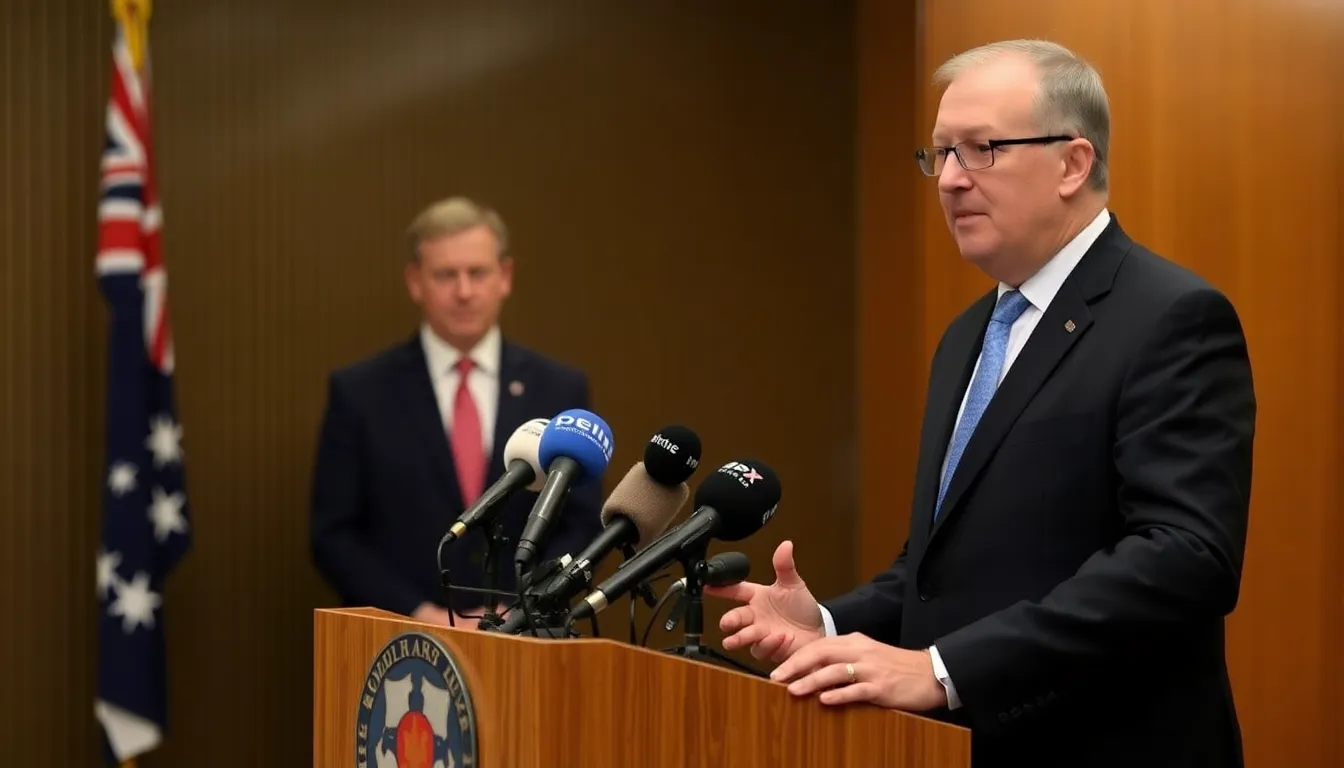
In the mid-term, the implications of the budget could reshape public services and infrastructure development. Regions that rely heavily on government investment may experience shifts in economic stability, affecting employment rates and local businesses. Additionally, potential risks such as inflation or increased public debt could lead to further economic challenges, impacting daily life for many Australians.
- Low- and middle-income families: Changes in tax policies and welfare support.
- Small businesses: Increased operational costs and potential tax hikes.
- Healthcare and education sectors: Reliance on government funding may affect service delivery.
- Renewable energy sector: Opportunities for growth through increased funding and incentives.
The balance between risks and opportunities will be crucial as stakeholders navigate the implications of the budget. While some may face challenges, others may find avenues for growth and innovation, shaping the economic landscape in the coming years.
A: Jim Chalmers addressed concerns regarding budget allocations, spending priorities, and the overall economic impact of the budget. A: The public reaction has been mixed, with some supporting the measures while others express dissatisfaction with certain aspects. A: The main goals include economic recovery, job creation, and investment in infrastructure to support long-term growth. A: The podcast is available on major streaming platforms and the official government website. A: The government plans to monitor the budget’s impact closely and make adjustments as necessary based on feedback and economic conditions.
Frequently asked questions about the budget response
Key takeaways and future outlook on the budget
As Jim Chalmers addresses the criticisms surrounding the recent budget, it becomes clear that the government’s strategy is focused on balancing fiscal responsibility with social investment. The discussions highlight the importance of transparency and communication in budgetary decisions, particularly in a time of economic uncertainty. Stakeholders are encouraged to monitor how these budgetary measures will affect various sectors in the coming months.
The implications of Chalmers’ responses suggest a commitment to addressing concerns while also laying the groundwork for future economic stability. Observers should pay attention to the potential shifts in public sentiment as the budget’s impact unfolds, particularly regarding social programs and economic growth initiatives.
- Watch for potential adjustments in social spending as the government responds to public feedback.
- Monitor economic indicators closely to assess the effectiveness of budget policies over the next quarter.
- Consider the long-term implications of the budget on key sectors such as health and education.
- Stay informed about public sentiment and how it may influence future government decisions.
- Evaluate the balance between fiscal prudence and necessary investments in infrastructure and social services.