


Recent geopolitical tensions have further exacerbated the urgency surrounding critical minerals. For instance, the U.S. has intensified efforts to secure its supply chains, particularly in light of China’s dominance in the rare earth market, which accounts for over 60% of global production. This reliance has prompted discussions on the need for domestic mining and processing capabilities.
In 2022, the European Union introduced the Critical Raw Materials Act, aiming to reduce dependency on non-EU countries and to enhance the resilience of its supply chains. This legislative move reflects a broader trend among nations to prioritize the sourcing and recycling of critical minerals to meet both environmental goals and national security interests.
Moreover, the International Energy Agency (IEA) reported that the demand for critical minerals could increase by as much as six times by 2040, driven by the electrification of transport and the rise of renewable energy technologies. This projection highlights the pressing need for countries to develop sustainable mining practices and invest in alternative sources to ensure long-term availability.
The Historical Significance of Critical Minerals
Critical minerals, often referred to as rare earth elements, have been integral to technological advancement and industrial development since their discovery. These minerals, which include lithium, cobalt, and neodymium, are essential in the production of a wide range of products, from smartphones to electric vehicles and renewable energy technologies. The historical significance of these minerals can be traced back to the early 20th century, when the first applications of rare earth elements began to emerge in various industries.

The geopolitical landscape surrounding critical minerals began to shift dramatically in the latter half of the 20th century. The Cold War era saw an increased emphasis on securing resources that could support military and technological superiority. Countries like the United States and the Soviet Union recognized the strategic importance of critical minerals, leading to intensified exploration and extraction efforts. This period marked the beginning of a global race for resource control, setting the stage for future conflicts and alliances centered around these valuable materials.
Economic Dependencies and Global Supply Chains
As the demand for technology surged in the 21st century, so did the reliance on critical minerals. The rise of China as a dominant player in the global supply chain for these resources has created significant economic dependencies for many nations. In the early 2000s, China began to consolidate its position by investing heavily in mining and refining capabilities, leading to a near-monopoly on the production of several key minerals. This shift not only affected pricing but also raised concerns about supply security among countries dependent on these resources for their technological infrastructure.
In response to these dependencies, various nations have initiated policies aimed at securing their own critical mineral supplies. The United States, for example, has launched initiatives to enhance domestic mining and processing capabilities, while also exploring partnerships with allied countries to diversify supply sources. These actions reflect a growing recognition of the strategic importance of critical minerals in national security and economic stability.
Overall, the historical context of critical minerals illustrates a complex interplay of technological advancement, geopolitical strategy, and economic necessity. As the world continues to transition towards greener technologies and digital economies, the importance of securing access to these essential resources is more critical than ever, aligning with the growing discourse on national security and resource management.
Key Stakeholders in the Critical Minerals Supply Chain
The critical minerals supply chain involves a diverse range of stakeholders, each with distinct interests and influences. Governments, private corporations, non-governmental organizations (NGOs), and local communities all play significant roles in shaping the landscape of critical mineral extraction and usage.
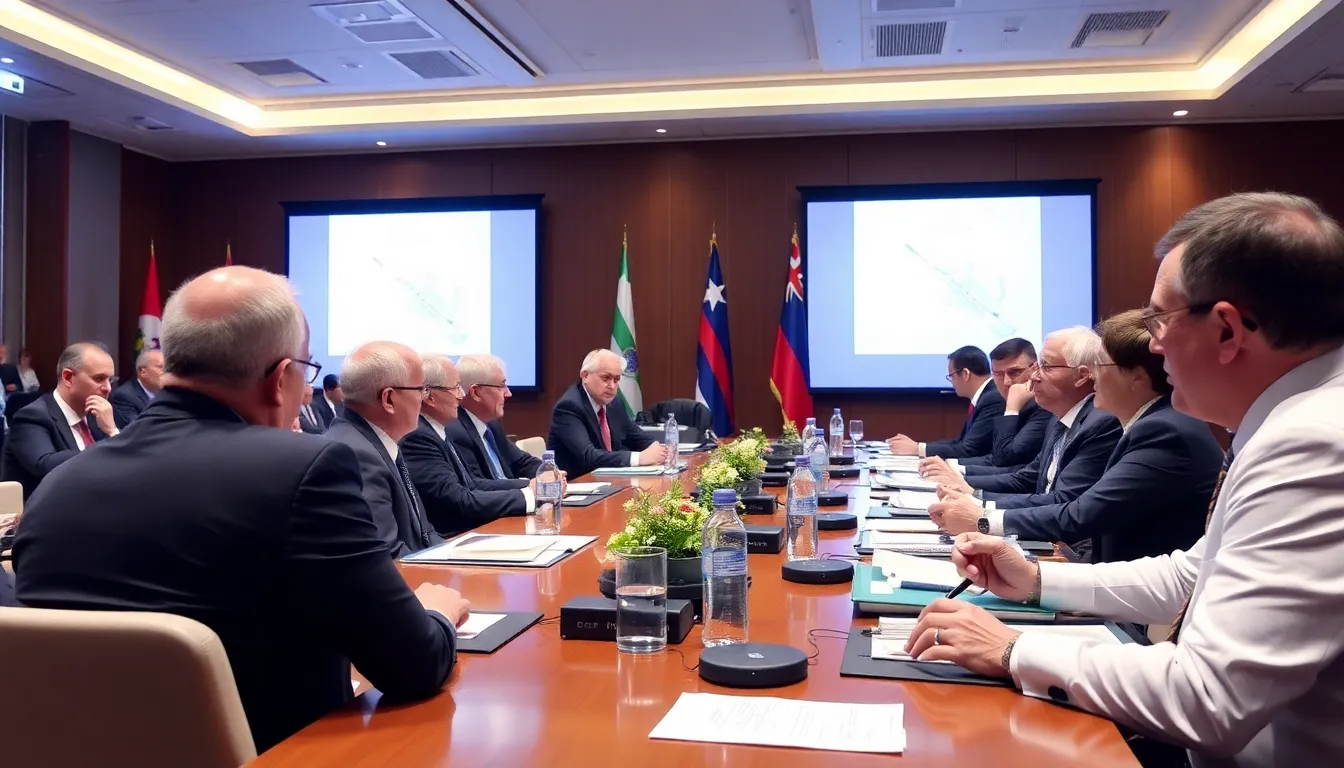
Countries rich in critical minerals, such as Australia, China, and the Democratic Republic of the Congo, have a vested interest in maintaining control over these resources. Their governments often prioritize economic growth and national security, leveraging mineral wealth to enhance geopolitical influence. For instance, China dominates the rare earth elements market, which has raised concerns among other nations about dependency and supply chain vulnerabilities.
On the corporate side, major mining and technology companies are key players in the demand for critical minerals. These entities are driven by the need to secure a stable supply for manufacturing electric vehicles, renewable energy technologies, and consumer electronics. However, their operations can lead to conflicts with local communities, especially when environmental degradation and land rights issues arise.
- Environmental Concerns: The extraction processes can lead to significant ecological damage, prompting pushback from environmental advocacy groups.
- Trade-offs in Policy: Governments may face pressure to balance economic benefits from mining with the need for sustainable practices.
- Geopolitical Tensions: Competition for critical minerals can exacerbate international relations, particularly between resource-rich and resource-dependent countries.
- Investment in Technology: The transition to greener technologies increases the demand for critical minerals, driving innovation and investment in extraction methods.
- Regulatory Frameworks: The need for clear legal guidelines surrounding mineral rights and environmental protections is critical to avoid conflicts.
In summary, the interplay between these stakeholders highlights the complexities of the critical minerals supply chain. Understanding their motivations and the potential conflicts that arise is essential for navigating the future of resource management and international relations.
How Critical Minerals Affect Global Markets
Critical minerals play a pivotal role in various industries, significantly impacting economies and daily life across the globe. Key groups affected include technology manufacturers, renewable energy sectors, and automotive industries, particularly those focused on electric vehicles. Regions rich in these minerals, such as parts of Africa, Australia, and South America, are also experiencing shifts in their economic landscapes as demand surges.
In the short term, the scramble for critical minerals can lead to increased prices and supply chain disruptions. Businesses reliant on these materials may face challenges in production, potentially leading to delays in product launches and a rise in consumer prices. This situation can create a ripple effect, affecting everything from the cost of electronics to the availability of green technologies.

In the mid-term, countries may implement new policies to secure their mineral supply chains, which could lead to trade negotiations and partnerships. Governments might invest in domestic mining operations or incentivize recycling initiatives to reduce dependency on foreign sources. This shift may present opportunities for innovation in extraction and processing technologies, fostering economic growth in regions focused on sustainable practices.
However, there are inherent risks associated with the growing demand for critical minerals. Environmental concerns regarding mining practices and the geopolitical implications of resource control can lead to tensions among nations. Additionally, there is the potential for market volatility as new players enter the field, which could destabilize existing supply chains.
- Increased production costs for industries reliant on critical minerals.
- Opportunities for innovation in recycling and sustainable mining practices.
- Potential geopolitical tensions over resource control.
- Shifts in trade policies as countries seek to secure their mineral supplies.
A: Critical minerals are natural resources essential for the production of various technologies and industries. They include elements like lithium, cobalt, and rare earth metals. A: Countries need critical minerals to support their technological advancements, energy transition, and national security. They are vital for manufacturing electronics, renewable energy systems, and defense technologies. A: Critical minerals are sourced through mining operations, recycling, and alternative materials research. The sourcing process can be complex due to geopolitical factors and environmental concerns. A: Challenges include supply chain vulnerabilities, environmental impacts of mining, and geopolitical tensions over resource control. These factors can affect availability and prices. A: Critical minerals are crucial for the production of renewable energy technologies, such as solar panels and wind turbines. They enable the transition to cleaner energy sources.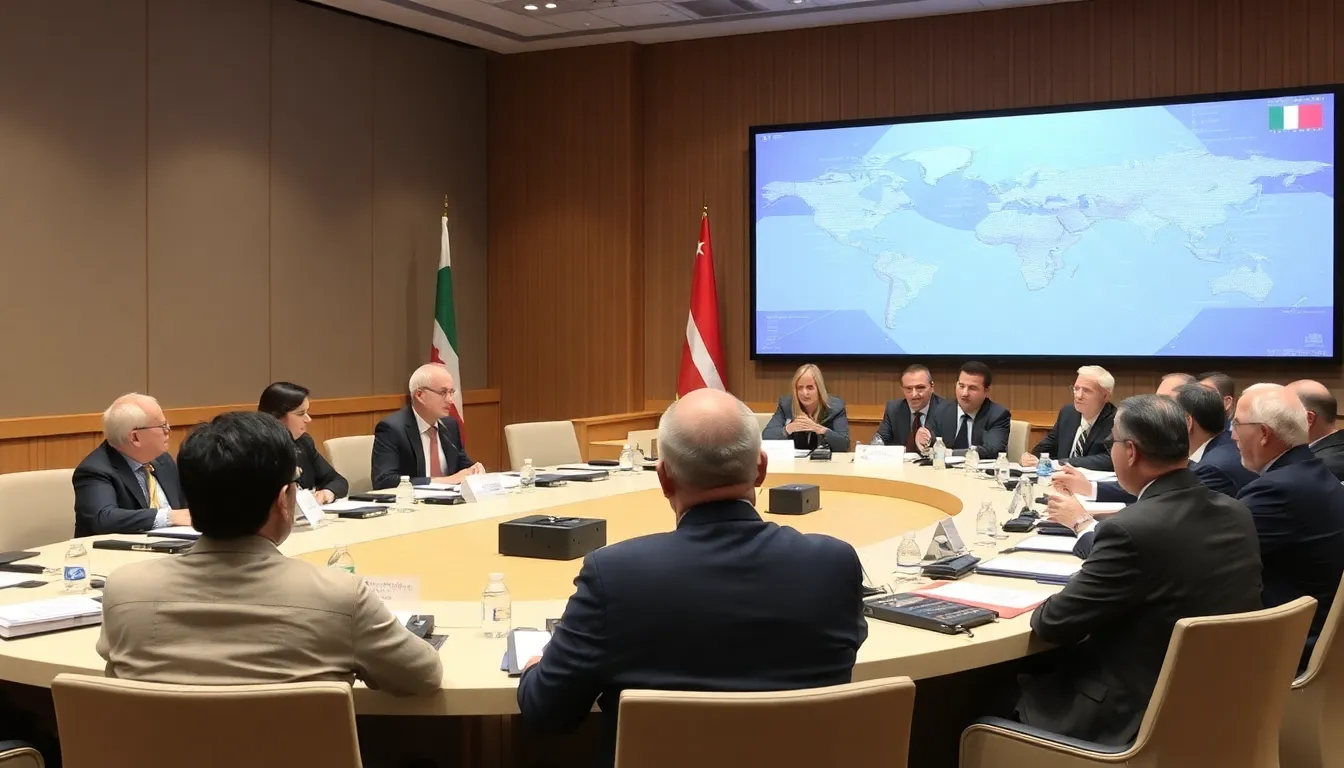
Frequently Asked Questions about Critical Minerals
Future Outlook on Critical Minerals and Their Role
The growing demand for critical minerals is reshaping global economic and geopolitical landscapes. As nations strive for technological advancement and energy transition, the reliance on these essential resources is becoming increasingly evident. The race to secure stable supplies not only influences trade relationships but also dictates national security strategies. Countries that effectively manage their critical mineral resources will likely gain a competitive edge in the emerging green economy.
In this context, collaboration among nations, investment in sustainable mining practices, and the development of recycling technologies will be pivotal. As the world moves towards a more electrified future, the strategic importance of critical minerals will only intensify, making it essential for policymakers and businesses to stay ahead of trends and challenges in this sector.
- Investment Opportunities: Look for emerging markets and companies focused on the mining and processing of critical minerals.
- Technological Innovation: Monitor advancements in recycling and alternative materials that can reduce dependence on traditional critical minerals.
- Geopolitical Dynamics: Be aware of how resource-rich countries are leveraging their minerals for political and economic influence.
- Sustainability Efforts: Pay attention to initiatives aimed at promoting environmentally responsible extraction and usage of critical minerals.
- Policy Changes: Keep track of regulatory developments that may impact the critical minerals supply chain and trade agreements.