


Several factors are driving this renewed interest in organic products. Heightened awareness of health and environmental issues, especially in the wake of the COVID-19 pandemic, has led consumers to prioritize quality over quantity. A survey conducted by the Hartman Group revealed that 76% of respondents are now more concerned about the healthfulness of their food choices than they were prior to the pandemic. For a deeper understanding of health-focused options, you can check out our article on the effectiveness of olive oil and bone broth for gut health.
Retailers are responding to this shift by expanding their organic offerings. Major grocery chains, such as Whole Foods and Kroger, have increased their stock of organic products, while also promoting local and sustainable brands. This strategic move not only caters to consumer preferences but also positions these retailers as leaders in the organic market. To learn more about how businesses adapt to consumer trends, read our article on Caribbean cannabis growers exploring new domestic sales and export opportunities.
Moreover, the organic food sector is seeing innovation in product development, with new items being introduced to attract a broader audience. From plant-based snacks to organic beverages, companies are diversifying their portfolios to meet evolving consumer tastes. This expansion is essential for maintaining momentum in a competitive market.
As the organic food market continues to grow, the emphasis on quality remains paramount. Industry experts suggest that maintaining high standards in organic certification and transparency will be crucial for sustaining consumer trust and loyalty. The current landscape indicates that quality truly matters as consumers navigate their food choices in an increasingly health-conscious world.
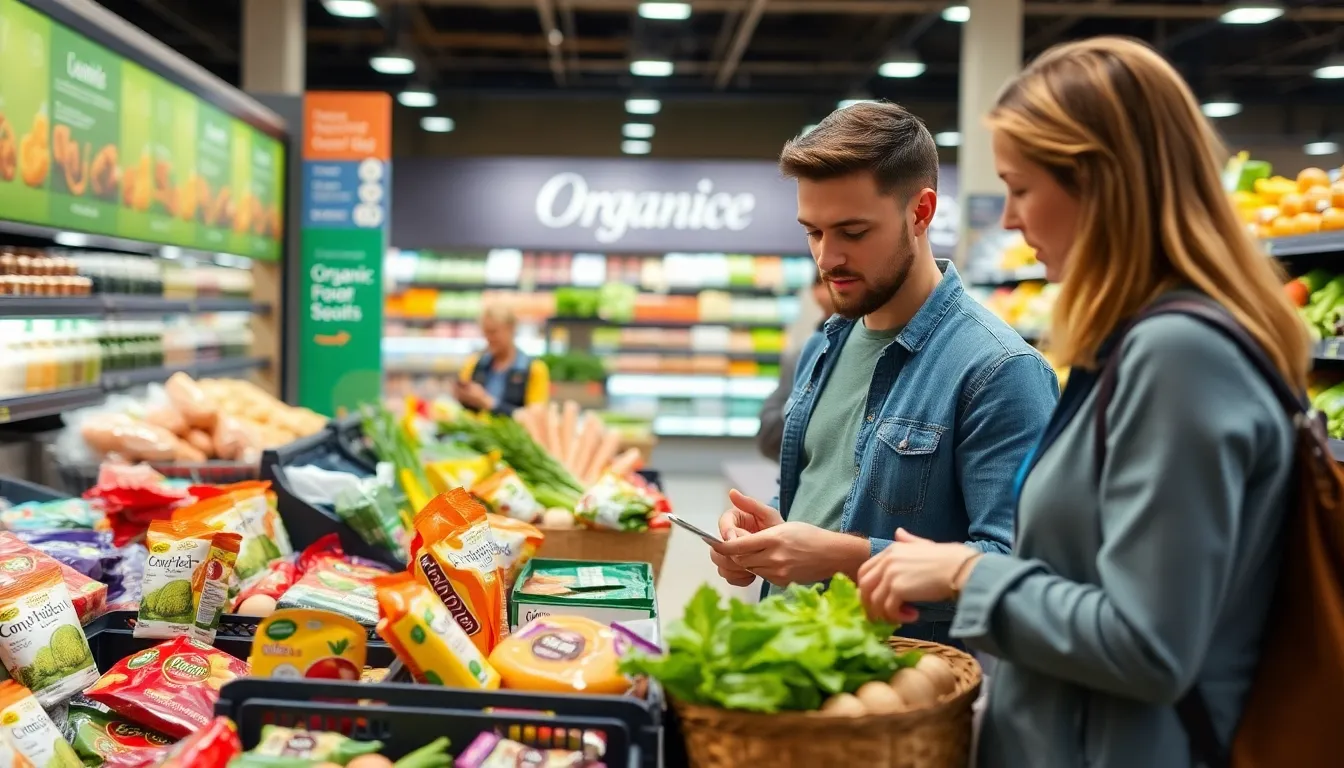
Historical trends and consumer behavior in organic food
The organic food market has seen significant fluctuations over the past few decades, influenced by various socio-economic factors and consumer preferences. Initially gaining traction in the 1960s and 1970s as part of the counterculture movement, organic food was embraced by health-conscious individuals seeking alternatives to chemically treated produce. This early adoption laid the groundwork for a growing awareness of food quality and sustainability, which would later become key drivers in the organic food sector.
By the late 1990s, the organic food market began to expand rapidly, fueled by increasing consumer demand for healthier options and a growing distrust of conventional agricultural practices. The establishment of regulatory bodies, such as the USDA Organic Certification in the United States in 2000, further legitimized organic products, providing consumers with assurance regarding the authenticity and quality of what they were purchasing. This milestone marked a turning point, allowing organic food to transition from niche markets to mainstream grocery stores.
In the 2008 financial crisis, however, organic food sales experienced a temporary decline as consumers tightened their budgets. Many opted for cheaper, conventional options, leading to a period of stagnation in the organic sector. Nevertheless, as the economy recovered, there was a notable resurgence in interest towards organic foods, driven by heightened awareness of health issues and environmental sustainability. Consumers began to prioritize quality over price, recognizing the long-term benefits of organic products for both personal health and ecological balance. This phenomenon echoes trends seen in various sectors, including the impact of market fluctuations on consumer behavior, as discussed in our piece on how falling cryptocurrency prices are impacting individuals and markets.
Shifting Consumer Values
Today, the organic food market is booming again, largely due to a shift in consumer values. Factors such as increased access to information about food sources, the rise of social media, and a growing emphasis on transparency in food production have all contributed to this trend. Consumers are now more informed and concerned about the origins of their food, leading to a stronger preference for organic options that align with their values of health, sustainability, and ethical consumption. This evolving landscape suggests that the organic food movement is not just a passing trend, but a significant shift in consumer behavior that prioritizes quality and environmental responsibility.
Key stakeholders driving the organic food boom
The organic food market has seen a significant resurgence, driven by a diverse array of stakeholders, each with unique interests and motivations. These actors include farmers, consumers, retailers, and regulatory bodies, all of whom play a crucial role in shaping the industry’s landscape.

Farmers are at the forefront of the organic food movement, motivated by the potential for higher profit margins and growing consumer demand for quality products. Many are transitioning from conventional to organic farming methods, which often require a significant investment in time and resources. This shift not only affects their livelihoods but also has broader implications for agricultural practices and environmental sustainability.
Consumers, on the other hand, are increasingly prioritizing health and environmental concerns in their purchasing decisions. The demand for organic products is driven by a desire for chemical-free food and a preference for sustainable farming practices. However, this trend also raises issues of accessibility and affordability, as organic products can often come at a premium price, potentially alienating lower-income consumers.
- Retailers are adapting to this growing demand by expanding their organic product lines, which can lead to increased competition among brands and price fluctuations.
- Governments play a critical role in this market by establishing regulations and standards for organic certification, which can impact both the supply chain and consumer trust.
- Environmental organizations advocate for organic farming as a means to combat climate change and promote biodiversity, influencing public policy and consumer behavior.
Conflicts may arise between these stakeholders, particularly regarding the balance between organic practices and economic viability. Farmers may face pressure to compromise on organic standards to remain competitive, while consumers may grapple with the trade-offs between cost and quality. Additionally, regulatory frameworks can create barriers for new entrants into the market, limiting innovation and competition.
Who benefits from the growth of organic food
The resurgence of the organic food market has far-reaching implications for various groups, industries, and regions. Farmers who adopt organic practices stand to gain significantly as consumer demand for healthier, sustainably produced food increases. This shift not only benefits those directly involved in organic farming but also supports local economies, particularly in rural areas where agriculture is a primary source of income.
Retailers and distributors in the organic sector are experiencing a boom, with grocery stores, farmers’ markets, and online platforms expanding their organic offerings. This growth can lead to increased competition, pushing businesses to innovate and improve their supply chains. Additionally, the food processing industry is adapting to meet the rising demand for organic products, creating new opportunities for manufacturers to diversify their product lines.
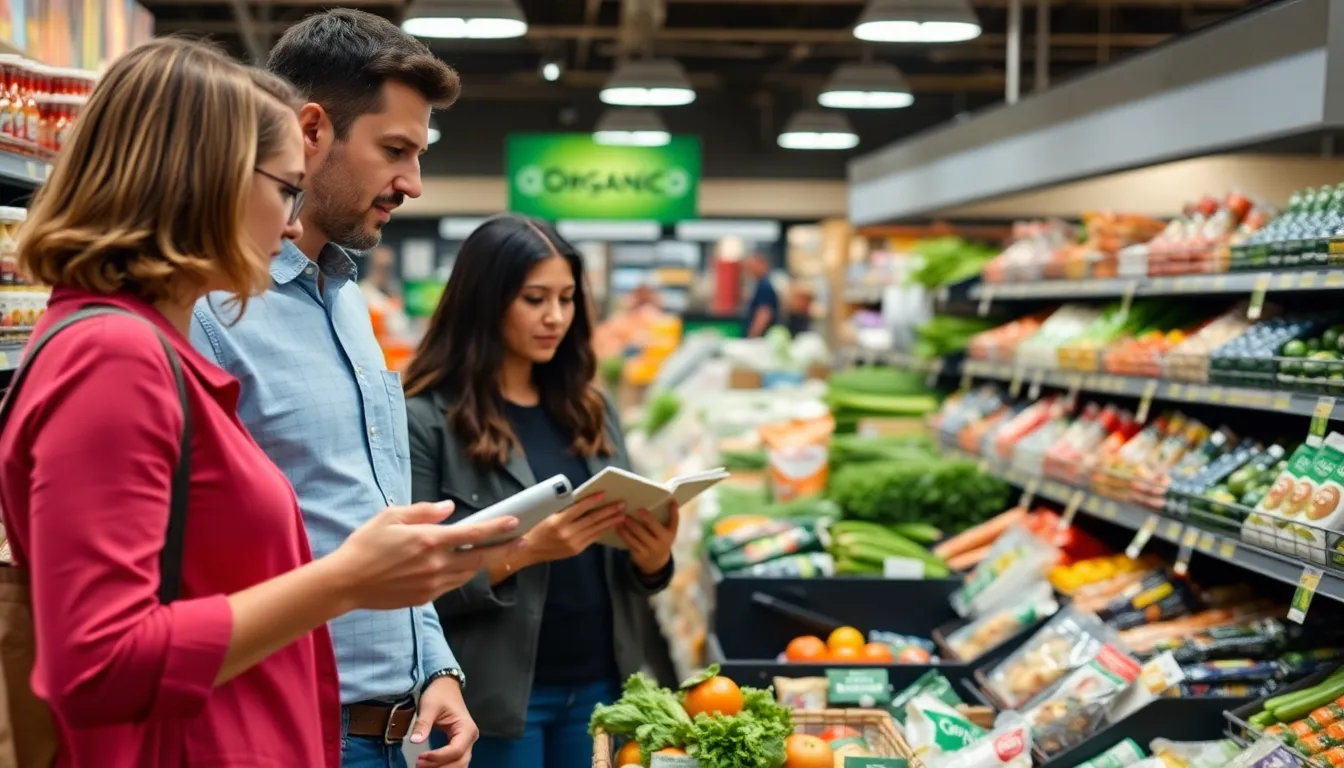
In the short term, consumers are likely to see a wider variety of organic products available at competitive prices. However, there may also be risks associated with the rapid growth of the organic market, such as potential greenwashing, where non-organic products are marketed as organic. In the mid-term, policies may evolve to better regulate organic certification and ensure product integrity, which could benefit both consumers and genuine organic producers.
- Farmers: Increased income and market access.
- Retailers: Expanded product offerings and customer base.
- Consumers: Greater availability of healthy food options.
- Policy Makers: Opportunities to create regulations that enhance market integrity.
As the organic food market continues to grow, it presents both risks and opportunities. While the potential for greenwashing poses a threat to consumer trust, the overall trend towards healthier eating habits can lead to improved public health outcomes and more sustainable agricultural practices. The ongoing evolution of this market will require careful navigation to maximize benefits for all stakeholders involved.
A: Organic food is produced without the use of synthetic fertilizers, pesticides, or genetically modified organisms. It emphasizes sustainable farming practices. A: Organic food often costs more due to higher production costs, stricter regulations, and lower yields compared to conventional farming. A: Many consumers believe organic food is healthier due to the absence of chemicals and additives, though scientific consensus on health benefits is still developing. A: Look for certification labels from recognized organizations, such as the USDA Organic seal, which indicates compliance with organic standards. A: Yes, the organic food market is experiencing significant growth as more consumers prioritize quality and sustainability in their food choices.
Frequently asked questions about organic food
Future outlook for the organic food market
The resurgence of the organic food market highlights a significant shift in consumer preferences towards quality and sustainability. As more individuals become aware of the health benefits associated with organic products, the demand is expected to continue its upward trajectory. This shift not only reflects changing consumer values but also signals opportunities for producers to innovate and adapt to meet these evolving needs.
Moreover, with increasing regulatory support and a growing number of certifications, the organic sector is likely to see enhanced credibility and trust among consumers. As the market expands, stakeholders will need to focus on maintaining high standards of quality and transparency to ensure long-term growth and consumer loyalty.
- Monitor the trends in consumer preferences towards organic products, particularly among younger demographics.
- Watch for advancements in sustainable farming practices that could further enhance the appeal of organic foods.
- Stay informed about regulatory changes and certifications that could impact market dynamics.
- Consider the role of technology in improving supply chain efficiency and product traceability.
- Evaluate the competitive landscape as traditional food brands increasingly enter the organic market.