


In Jamaica, the Cannabis Licensing Authority has issued over 200 licenses for cultivation and processing since the decriminalization of cannabis in 2015. Local farmers are now looking to tap into both the local market and potential export opportunities, especially in North America and Europe, where there is a burgeoning demand for legal cannabis products.
Barbados recently passed legislation that allows for the cultivation of cannabis for medicinal purposes, aiming to position itself as a key player in the regional cannabis industry. The government is actively promoting investment in this sector, which could lead to job creation and economic growth in the coming years.
Additionally, regional organizations are collaborating to create a unified approach to cannabis cultivation and trade. The Caribbean Community (CARICOM) is exploring frameworks that could facilitate cross-border trade and establish standards for quality and safety in cannabis products, which is crucial for gaining international market access.
With these developments, Caribbean cannabis growers are not only eyeing local sales but also preparing to enter a competitive global market. The outcomes of these initiatives could significantly impact the economies of participating nations and the livelihoods of local farmers.
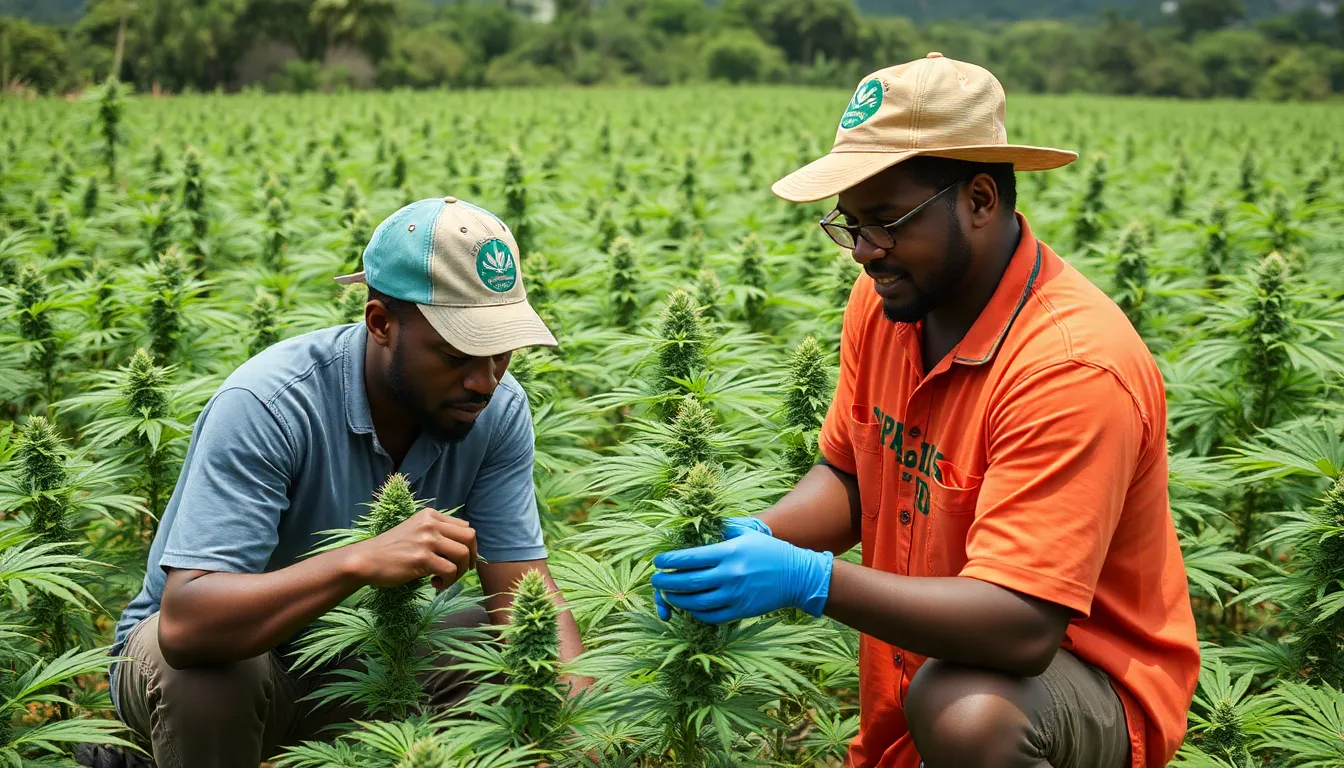
Understanding the historical context of cannabis legalization in the Caribbean
The Caribbean has a long and complex history with cannabis, often intertwined with colonialism, cultural practices, and economic challenges. Traditionally, cannabis was used for medicinal and spiritual purposes by indigenous communities. However, with the arrival of European colonizers, perceptions shifted, and cannabis became stigmatized, leading to strict prohibitions and criminalization throughout the region.
In the late 20th century, the global war on drugs intensified, further entrenching anti-cannabis policies in Caribbean nations. Many governments aligned with international drug control treaties, which often resulted in harsh penalties for cannabis cultivation and possession. This criminalization disproportionately affected marginalized communities, leading to social unrest and calls for reform as advocates highlighted the economic potential of cannabis.
The shift towards legalization
In recent years, a wave of reform has swept across the Caribbean, with several nations recognizing the potential economic benefits of cannabis. Jamaica, often seen as the cultural heart of cannabis use, took a significant step in 2015 by decriminalizing small amounts of the plant and establishing a legal framework for medical cannabis. This milestone inspired other Caribbean countries to explore similar paths, with nations like Barbados and Saint Vincent and the Grenadines also moving towards legalization for medical and recreational use.
The economic implications of cannabis legalization are particularly enticing for Caribbean nations struggling with high unemployment rates and limited economic diversification. As global demand for cannabis products rises, these countries are now eyeing both domestic sales and export opportunities. The establishment of regulatory frameworks is crucial to ensuring that local growers can compete in an increasingly lucrative market while also addressing social justice concerns related to past cannabis criminalization.
As the Caribbean navigates this evolving landscape, the interplay between historical context, economic aspirations, and social justice will shape the future of cannabis cultivation and commerce in the region. The journey towards a more open and regulated cannabis market reflects broader changes in societal attitudes towards cannabis as a viable economic driver.
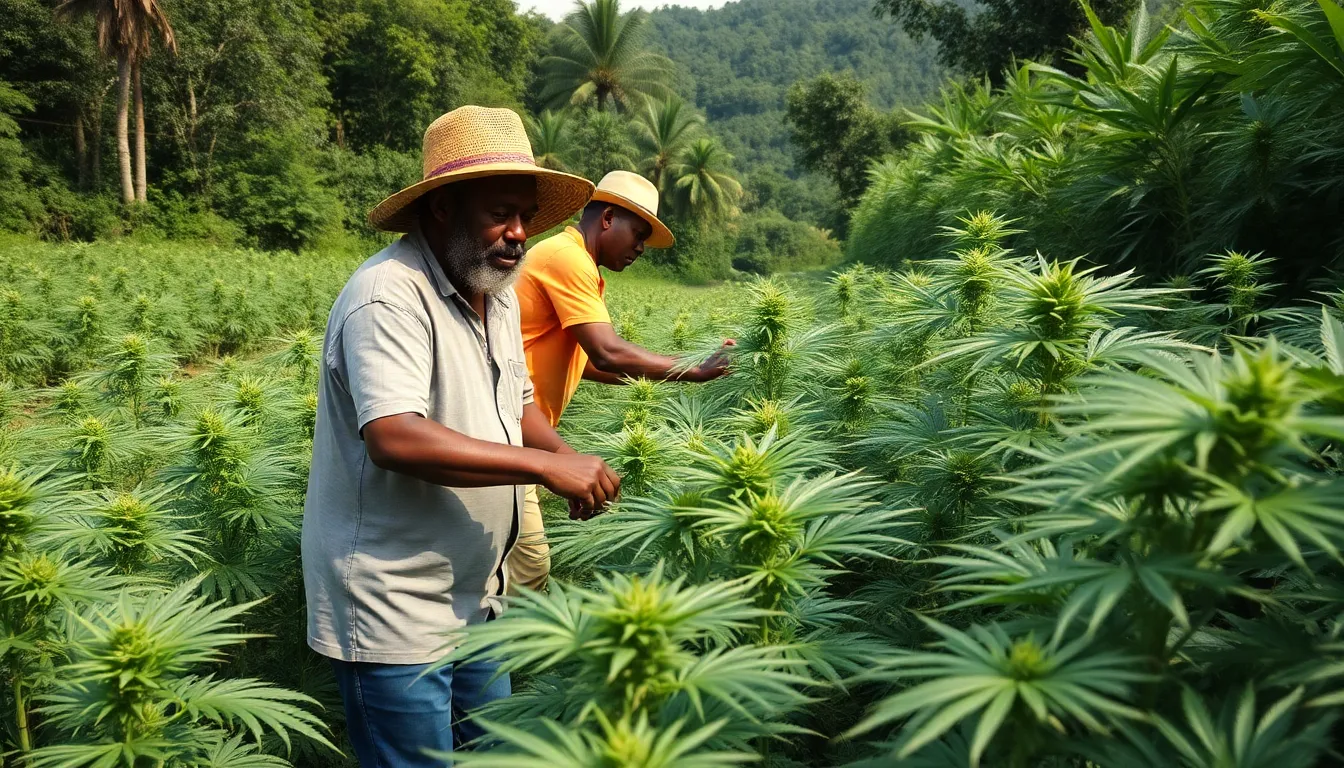
Key stakeholders and challenges in the Caribbean cannabis market
The burgeoning cannabis industry in the Caribbean is shaped by a diverse array of stakeholders, each with distinct interests. Key players include local growers, government regulators, international investors, and advocacy groups. Local growers are primarily interested in establishing a sustainable market for both domestic sales and exports, aiming to capitalize on the global cannabis trend. Meanwhile, government bodies are tasked with creating regulatory frameworks that ensure public safety while fostering economic growth.
International investors are drawn to the Caribbean’s potential for high returns, but they often face challenges related to navigating the region’s varying legal landscapes. Advocacy groups, including those pushing for social justice and economic equity, emphasize the importance of including marginalized communities in the cannabis economy. This complex interplay of interests creates a dynamic, yet challenging environment for the industry.
- Regulatory challenges: Governments must balance the need for robust regulations to prevent illegal activities while encouraging legitimate business growth.
- Economic trade-offs: The potential for significant tax revenue from cannabis sales must be weighed against the costs of enforcement and public health initiatives.
- Social equity: Ensuring that local communities benefit from the cannabis industry is vital to address historical injustices related to drug policies.
- Market competition: Local growers face competition from established international players, which could affect their market share and pricing strategies.
- Public perception: The stigma surrounding cannabis use remains a barrier to broader acceptance and market growth.
As the Caribbean cannabis market continues to evolve, stakeholders must navigate these challenges to create a thriving industry that benefits all parties involved. The path forward will require collaboration and ongoing dialogue among all stakeholders to address the multifaceted issues at play.
Economic and social impacts of cannabis sales in the Caribbean
The legalization and commercialization of cannabis in the Caribbean have far-reaching implications for various groups, including local farmers, entrepreneurs, and government agencies. As cannabis cultivation becomes a viable industry, small-scale farmers and larger agricultural businesses are poised to benefit from new revenue streams. This shift could lead to job creation in rural areas, where many communities rely on agriculture for their livelihoods.
In the short term, local economies may experience a boost as cannabis sales begin to take off. Increased consumer spending on cannabis products can stimulate related industries, such as retail, tourism, and hospitality. For instance, cannabis tourism is expected to grow, attracting visitors interested in the cultural and recreational aspects of cannabis use. However, this growth could also strain local infrastructure and resources, necessitating careful planning and investment.
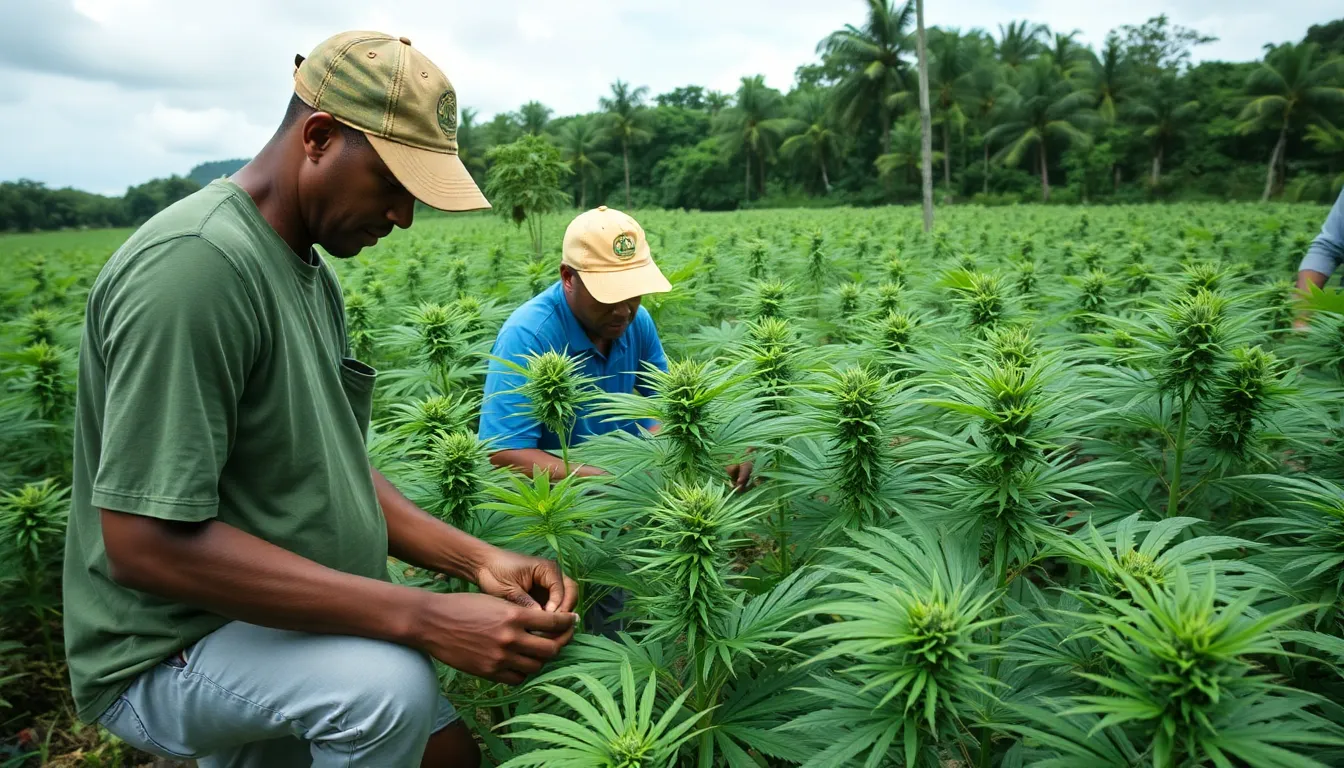
In the mid-term, regulatory frameworks will play a crucial role in shaping the industry. Governments may introduce policies to manage production, sales, and taxation of cannabis, impacting how businesses operate. While these regulations can ensure safety and compliance, they may also pose challenges for small growers who lack the resources to navigate complex legal environments.
- Opportunities: New markets for cannabis products, job creation, and increased tourism.
- Risks: Regulatory challenges, potential overproduction, and social stigma associated with cannabis use.
- Impact on local communities: Changes in local economies and possible shifts in public opinion regarding cannabis.
Overall, the burgeoning cannabis industry in the Caribbean presents both opportunities and challenges. Stakeholders must work together to ensure that the benefits are maximized while addressing the potential risks that accompany this rapidly evolving market.
A: Caribbean cannabis growers face several challenges, including regulatory hurdles, competition from established markets, and the need for sustainable practices. Additionally, access to funding and resources can be limited. A: Cannabis legalization is expected to boost local economies by creating jobs, increasing tax revenues, and attracting tourism. However, the extent of these benefits will depend on effective regulation and market development. A: Potential export markets for Caribbean cannabis include North America and Europe, where demand for legal cannabis products is growing. However, growers must navigate complex international regulations. A: Local communities have mixed responses to cannabis cultivation. Some see it as an economic opportunity, while others express concerns about health and social implications. A: Government policies are crucial in shaping the cannabis industry, as they determine the legal framework for cultivation, sales, and exports. Supportive policies can foster growth, while restrictive ones may hinder progress.
Frequently asked questions about Caribbean cannabis industry
Future outlook for Caribbean cannabis growers and markets
The Caribbean cannabis industry is poised for significant growth as local growers increasingly target both domestic sales and international exports. With changing regulations and a growing acceptance of cannabis products, the region stands at a crossroads where strategic decisions will shape its market dynamics. The potential for economic development and job creation is substantial, but careful navigation of regulatory landscapes and market demands will be essential for success.
As Caribbean countries work to establish robust frameworks for cannabis cultivation and distribution, opportunities for collaboration among growers, policymakers, and investors will become crucial. The ability to adapt to consumer preferences and leverage unique local strains could provide a competitive edge in both local and global markets.
- Market Diversification: Growers should explore a variety of cannabis products, including oils, edibles, and wellness items, to cater to different consumer segments.
- Regulatory Awareness: Staying informed about evolving regulations will be key for growers to ensure compliance and capitalize on new market opportunities.
- Export Potential: Identifying target markets for exports, particularly in regions with established demand for cannabis products, could enhance revenue streams.
- Collaboration Opportunities: Partnerships between growers, local governments, and international investors may facilitate knowledge transfer and resource sharing.
- Sustainability Practices: Emphasizing environmentally friendly cultivation methods can attract consumers who prioritize sustainability, giving Caribbean products a unique selling proposition.