


The recalled products include various formulations that are widely used across the country. The Food and Drug Administration (FDA) has urged consumers to check their supplies and return any affected products to retailers. This situation is particularly concerning given that the health of infants is at stake, as they are more vulnerable to the adverse effects of toxins. For more on food safety standards, see our article on Understanding the resurgence of the organic food market.
Experts have emphasized the importance of stringent safety protocols in the production of baby food items. The recent recalls serve as a reminder of the need for heightened vigilance in food safety standards, especially for products intended for young children. Parents are advised to stay informed and monitor updates from health authorities regarding the safety of baby formula.
As the investigation continues, the manufacturer is cooperating with regulatory agencies to determine the source of contamination. The fallout from these recalls may lead to increased scrutiny of baby formula production practices and could prompt changes in regulatory policies to better protect consumers.
Understanding the background of baby formula safety issues
The safety of baby formula has been a critical concern for parents and health authorities alike, especially in light of recent recalls linked to potential toxins. This issue is not new; it has historical roots that trace back several decades. The first major baby formula scandal occurred in the 1970s when the introduction of powdered formulas raised alarms about contamination risks, leading to a series of regulatory changes aimed at ensuring the safety and quality of infant nutrition products. For insights on regulatory bodies, visit Understanding Critical Minerals and Their Importance to Nations.
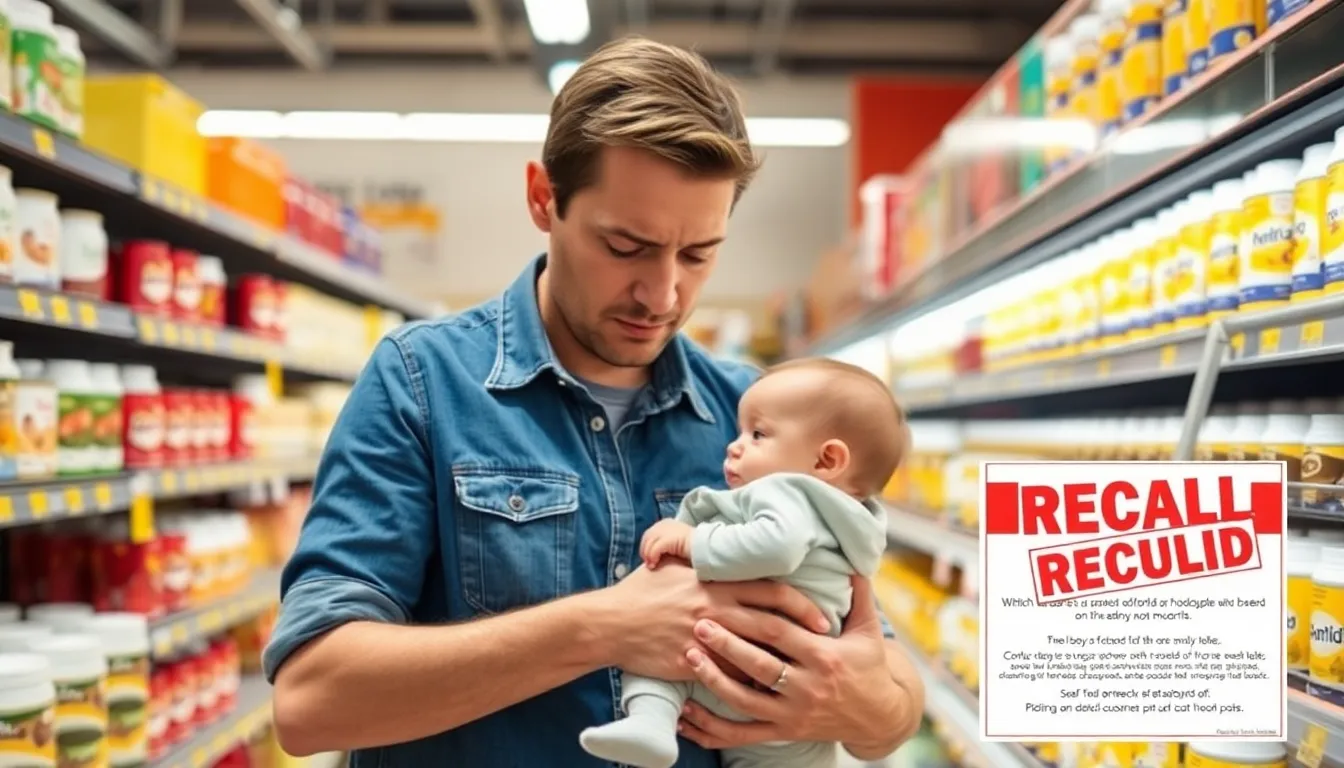
In the years that followed, various incidents highlighted the vulnerabilities in the baby formula supply chain. For example, in 2008, the melamine contamination scandal in China resulted in widespread illness among infants and prompted international scrutiny of food safety standards. This event served as a wake-up call for many countries, leading to stricter regulations and more rigorous testing protocols for baby formula manufacturers.
The Role of Regulatory Bodies
Regulatory bodies such as the U.S. Food and Drug Administration (FDA) and the European Food Safety Authority (EFSA) have since ramped up their oversight of baby formula products. These organizations have established guidelines that require manufacturers to conduct thorough safety assessments and maintain transparency about the ingredients used in their products. However, despite these efforts, lapses in quality control have continued to surface, as evidenced by the recent recalls that have raised concerns over the presence of harmful substances. For more on the regulation landscape, check out our piece on Battle of the chatbots as Anthropic and OpenAI compete over ads in AI products.
The economic implications of these safety issues are significant, affecting not only consumer confidence but also the financial stability of manufacturers. Recalls can lead to substantial losses, both in terms of direct costs and potential long-term damage to brand reputation. As parents become increasingly aware of safety concerns, they often turn to alternative feeding options, which can shift market dynamics and influence future product development.
As the industry grapples with these challenges, the importance of transparency and accountability remains paramount. The ongoing dialogue between manufacturers, regulatory agencies, and consumers is crucial in fostering a safer environment for infant nutrition, ensuring that the mistakes of the past do not repeat themselves.
Key stakeholders and issues surrounding the recalls
The recent wave of baby formula recalls has drawn attention to several key stakeholders, each with distinct interests and concerns. The primary actors include manufacturers of baby formula, regulatory agencies, healthcare professionals, and parents. Each group plays a critical role in the ongoing dialogue about product safety and public health.
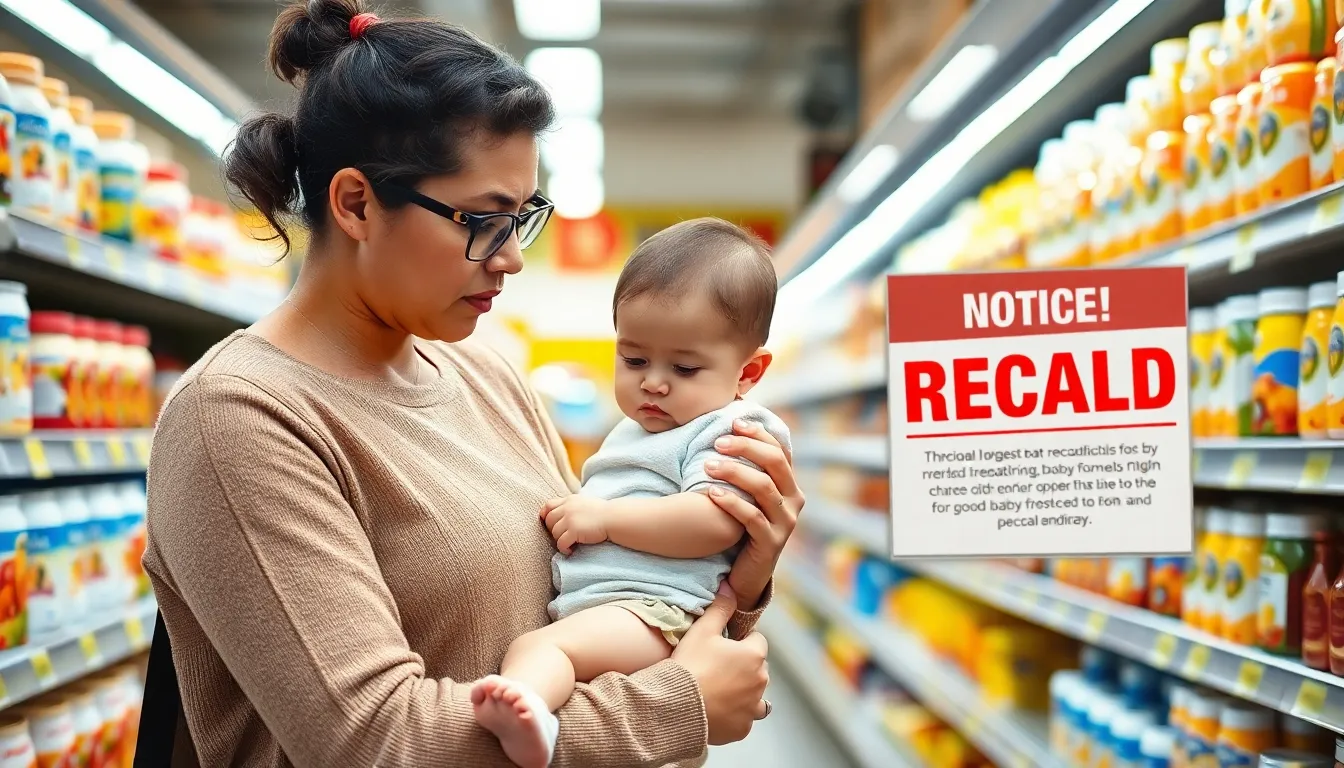
Manufacturers, such as major brands and smaller companies, are primarily concerned with their reputations and financial stability. The recalls can lead to significant economic losses and impact consumer trust. They face pressure to ensure the safety of their products while also managing production costs. This balance between safety and profitability can create conflicts within the industry.
Regulatory agencies, including the Food and Drug Administration (FDA) in the United States, have the responsibility of overseeing food safety standards. Their interests lie in protecting public health and ensuring compliance with safety regulations. However, the effectiveness of these agencies can be challenged by the rapid pace of product recalls and the complexity of the supply chain. This raises questions about the adequacy of existing regulations and the need for more stringent oversight.
- Economic Impact: Recalls can lead to financial losses for manufacturers, affecting their market position and potentially leading to job cuts.
- Public Health Concerns: Parents are deeply concerned about the safety of baby formulas, as recalls can pose serious health risks to infants.
- Regulatory Challenges: The FDA and similar agencies may face criticism regarding their response times and effectiveness in preventing such recalls.
- Legal Liabilities: Companies may face lawsuits from affected consumers, leading to further financial and reputational damage.
- Consumer Trust: Ongoing recalls can erode trust in baby formula brands, prompting parents to seek alternatives.
Healthcare professionals also play a significant role in this landscape, as they are often the first point of contact for parents seeking guidance during recalls. Their insights can help parents navigate the complexities of product safety and make informed choices for their children’s nutrition. However, they may find themselves in a challenging position when the information about recalls is not communicated effectively or timely.
Impact on families and the baby formula market
The recent recall of multiple baby formula products due to concerns over toxic substances has significant implications for families, particularly those with infants who rely on formula for nutrition. Parents are understandably anxious about the safety of the products they are using, leading to increased scrutiny and demand for transparency from manufacturers.
Retailers and manufacturers in the baby formula market are also feeling the effects of these recalls. The immediate impact includes a potential loss of consumer trust, which could lead to decreased sales for affected brands. In the short term, families may face challenges in finding safe alternatives, resulting in increased stress and uncertainty during a critical time in their children’s development.
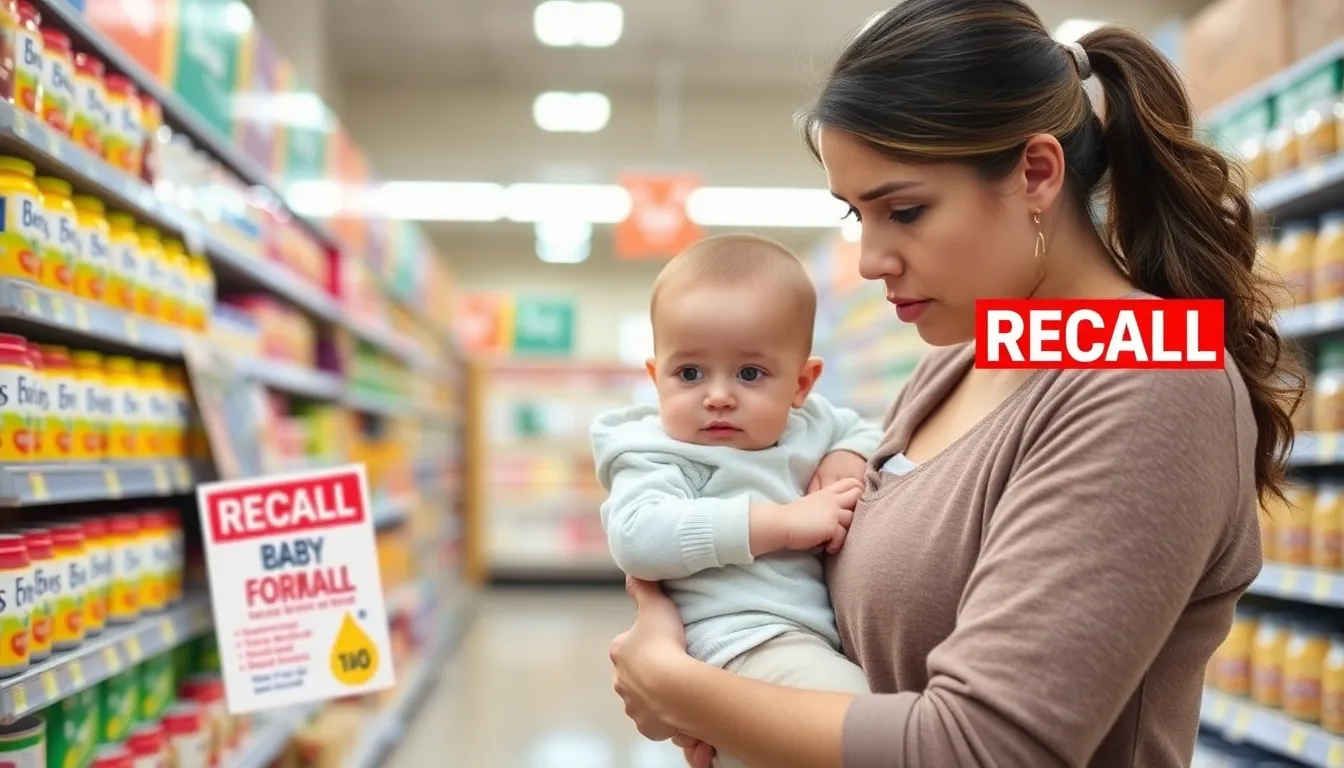
In the mid-term, businesses may need to invest more in quality control and safety measures to restore consumer confidence. This could lead to a shift in industry standards and regulations, prompting policymakers to implement stricter guidelines for baby formula production. Additionally, there may be opportunities for emerging brands that prioritize safety and transparency to capture market share.
- Increased anxiety among parents about product safety.
- Potential loss of sales for affected brands.
- Greater demand for transparency and safety measures in the industry.
- Possible regulatory changes impacting baby formula production.
- Opportunities for new brands focusing on safety and quality.
Ultimately, while the recall poses immediate challenges for families and the industry, it may also catalyze positive changes that enhance product safety and consumer trust in the long run.
A: The recalled products include several brands of baby formula that tested positive for harmful toxins. Affected brands have been listed on the official recall website. A: Consumers can check the recall notices issued by the manufacturers or visit the FDA website for detailed information on affected products. A: If you have a recalled product, it is advised to stop using it immediately and follow the return or refund instructions provided by the retailer. A: Yes, the toxins found in the recalled formulas can pose serious health risks to infants, including potential long-term developmental issues. A: Regulatory agencies are increasing inspections and enforcing stricter safety standards to prevent future recalls and ensure consumer safety.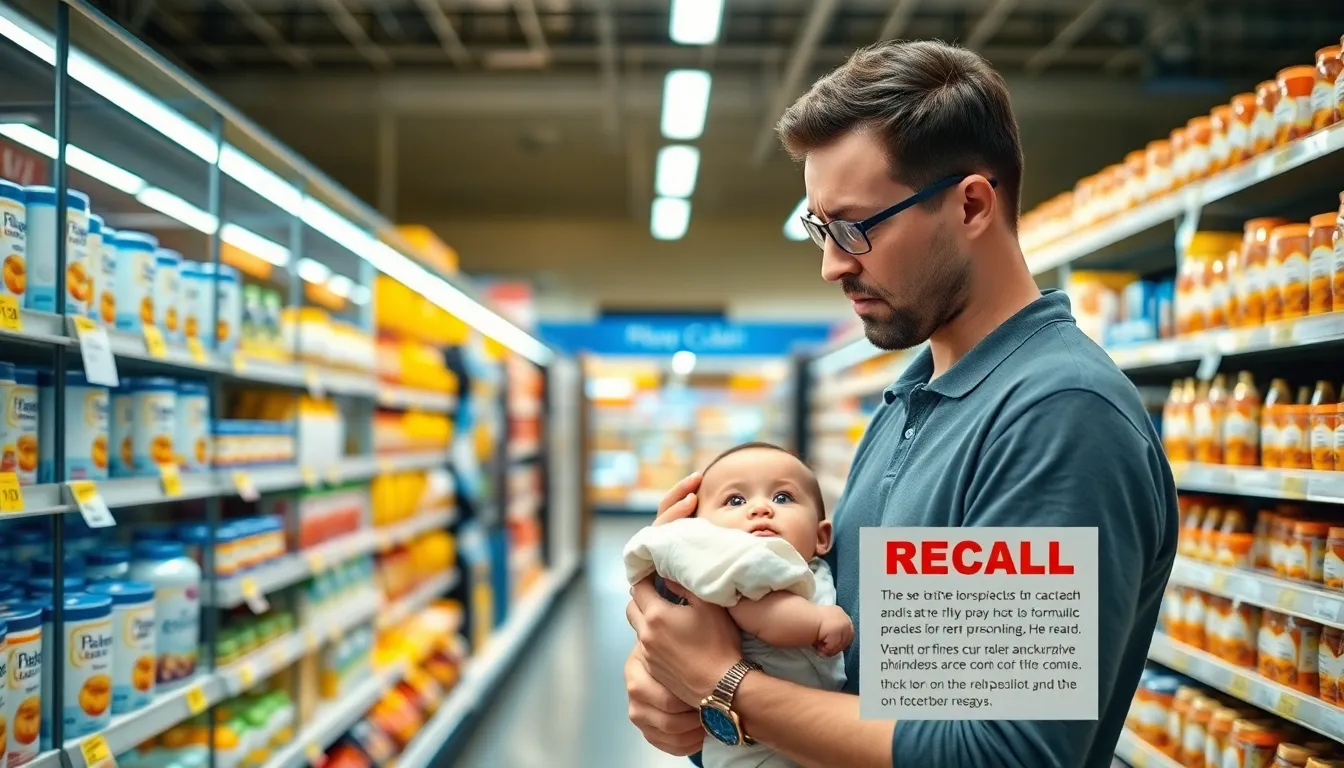
Frequently asked questions about baby formula recalls
Key takeaways and future outlook on baby formula safety
The recent wave of baby formula recalls highlights ongoing concerns regarding product safety and the presence of harmful toxins. As manufacturers respond to these challenges, it is essential for parents and caregivers to remain informed about the safety measures being implemented and the potential implications for infant health. The landscape of baby formula production is evolving, and vigilance is crucial to ensuring the well-being of infants.
Looking ahead, it is important to monitor regulatory developments and industry practices that aim to enhance product safety. Parents should stay engaged with updates from manufacturers and health authorities to make informed choices regarding infant nutrition.
- Increased transparency: Expect manufacturers to adopt more rigorous testing and reporting practices to boost consumer confidence.
- Regulatory changes: Anticipate potential updates in regulations that may impact production standards and safety protocols for baby formula.
- Consumer awareness: Parents should actively seek information about recalls and safety alerts to protect their children.
- Alternative options: Consider exploring alternative feeding options, such as breastfeeding or donor milk, especially during periods of heightened concern.
- Community support: Engage with local parenting groups or forums to share experiences and resources related to infant nutrition.