


The C919 is designed to compete directly with the Boeing 737 MAX and Airbus A320 families, which have long been the industry leaders. With a reported capacity of up to 190 passengers and a range of approximately 5,555 kilometers, the C919 is positioned to attract both domestic and international airlines looking for alternatives to Western-made aircraft.
This growing interest underscores the potential for COMAC to capture a share of the market, particularly as China seeks to bolster its domestic aviation industry amid geopolitical tensions and supply chain disruptions. For more details, see our article on the flu impact on local hospitals.
Despite these advancements, challenges remain for COMAC, including the need for international certification and acceptance. The company must navigate complex regulatory environments and overcome skepticism regarding the reliability and performance of its aircraft. Additionally, the established relationships between Boeing, Airbus, and their customers present a formidable barrier to entry.
As the global aviation market continues to evolve, the emergence of COMAC signifies a crucial development that could reshape competition and innovation in the industry. The outcomes of these efforts will not only impact the companies involved but also have broader implications for international trade and technological advancement in aviation.
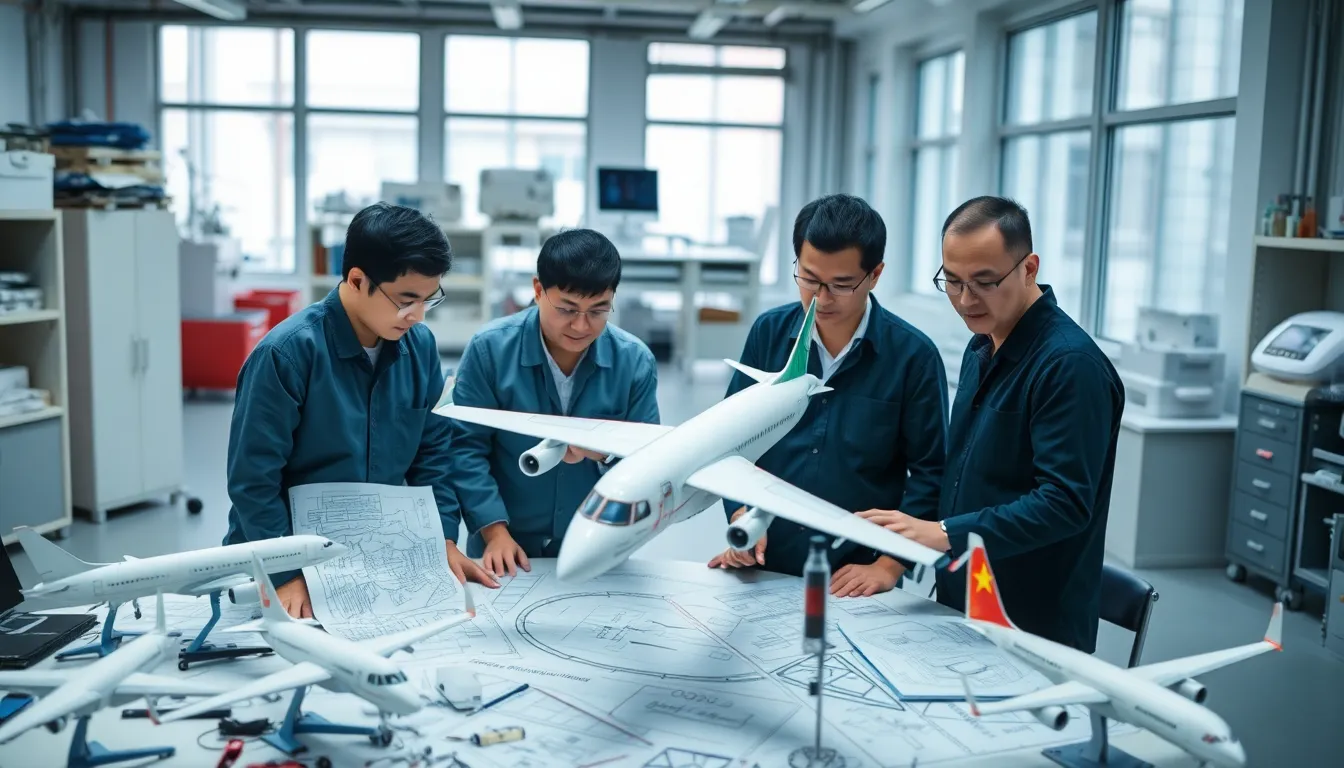
The historical context of China’s aviation ambitions
China’s aspirations in the aviation industry can be traced back to the late 20th century when the country began to reform its economy and open up to international markets. The 1980s marked a pivotal shift as China recognized the importance of developing its own aerospace capabilities to reduce reliance on foreign technology and to assert its position as a global economic power.
The development of the C919 aircraft, intended to serve the short to medium-haul market, has been a key milestone in this journey, showcasing China’s technological advancements and ambitions in the aviation sector. This aligns with the broader goals reflected in the UK wind farm project, highlighting the importance of innovation.
Government Support and Strategic Initiatives
The Chinese government has played a crucial role in supporting the aviation industry through substantial investments and strategic initiatives. Policies such as the “Made in China 2025” plan highlight the country’s aim to achieve self-sufficiency in high-tech industries, including aerospace. This initiative has provided COMAC with the necessary resources and backing to develop competitive aircraft models and establish a foothold in the global market.
Additionally, China’s growing domestic market has fueled demand for air travel, further incentivizing the development of a robust aviation sector. As incomes rise and urbanization continues, the need for more aircraft has become increasingly urgent, providing COMAC with a significant opportunity to capture market share from established players.
With the backing of the government and a growing domestic market, COMAC’s efforts to challenge Boeing and Airbus are not merely aspirational but represent a strategic push towards reshaping the global aviation industry. Similar transformative changes can be seen in other sectors, such as in gaming updates like Animal Crossing New Horizons.

Key players and challenges in the aerospace sector
The aerospace sector is witnessing a significant shift as the Chinese planemaker, Commercial Aircraft Corporation of China (COMAC), positions itself as a formidable competitor to industry giants Boeing and Airbus. This competitive landscape involves multiple stakeholders, including government entities, private companies, and international regulatory bodies, each with distinct interests and concerns.
At the forefront of this competition are the Chinese government and COMAC, which are keen to reduce reliance on foreign aircraft manufacturers and boost domestic production capabilities. The government’s interest lies in enhancing national pride and securing technological advancements, while COMAC aims to capture market share in both domestic and international markets.
On the other side, Boeing and Airbus are not only concerned about losing market dominance but also face the challenge of responding to potential trade barriers and regulatory hurdles that may arise from increased competition. These established companies have substantial investments in research and development, and they must navigate the complexities of intellectual property rights and international trade agreements.
Key issues emerging from this competitive landscape include:
- Intellectual Property Rights: The protection of technological innovations is crucial as COMAC seeks to develop competitive aircraft models.
- Trade Policies: Tariffs and trade agreements could significantly affect pricing and market access for all players involved.
- Regulatory Compliance: Meeting international safety and environmental regulations remains a challenge for COMAC as it seeks certification for its aircraft.
- Market Dynamics: The demand for aircraft is shifting, with emerging markets presenting both opportunities and challenges for all manufacturers.
- Political Relations: The geopolitical landscape will influence partnerships and market strategies, particularly between China and Western nations.
As these stakeholders navigate their interests, the outcome will shape the future of the aerospace industry, potentially leading to a more diversified market landscape that could benefit consumers and change the dynamics of global aviation.

Potential effects on global aviation markets and consumers
The emergence of the Chinese planemaker as a competitor to Boeing and Airbus is set to reshape the landscape of the global aviation industry. Key stakeholders, including airlines, manufacturers, and consumers, will experience a range of impacts as this new player enters the market.
Airlines, particularly those in Asia and emerging markets, may find themselves in a favorable position as they gain access to more affordable aircraft options. This could lead to reduced operational costs and increased competition among carriers, ultimately benefiting consumers through lower ticket prices and improved services. However, established players like Boeing and Airbus may respond with aggressive pricing strategies, potentially leading to a price war.
Regions heavily reliant on air travel, such as Southeast Asia, may see significant changes in their aviation infrastructure. The introduction of Chinese aircraft could stimulate local economies by creating jobs in maintenance, training, and support services. Additionally, governments may need to adapt their regulatory frameworks to accommodate new entrants in the market, which could lead to shifts in policy and investment priorities.
- Short-term impacts: Increased competition may lead to lower airfares and enhanced service offerings for consumers.
- Mid-term impacts: Potential job creation in regions adopting Chinese aircraft and shifts in regulatory policies.
- Risks: Price wars could destabilize the market, and there may be concerns regarding the safety and reliability of new aircraft.
- Opportunities: Airlines could benefit from cost savings, while emerging markets may gain access to advanced aviation technology.
As the competition heats up, the aviation industry will need to navigate these changes carefully. Stakeholders must weigh the risks against the potential for innovation and growth, ensuring that the benefits of increased competition are realized without compromising safety or service quality.
A: The Chinese planemaker is known as Comac, which stands for Commercial Aircraft Corporation of China. A: Comac aims to compete by focusing on innovative designs, competitive pricing, and leveraging government support to enhance its market presence. A: Comac has developed the C919, a narrow-body aircraft, and the ARJ21, a regional jet, both targeting different segments of the market. A: Comac faces challenges such as gaining regulatory approvals, building a reliable supply chain, and overcoming skepticism from potential customers. A: Increased competition could lead to lower prices and more choices for consumers, as well as advancements in technology and service.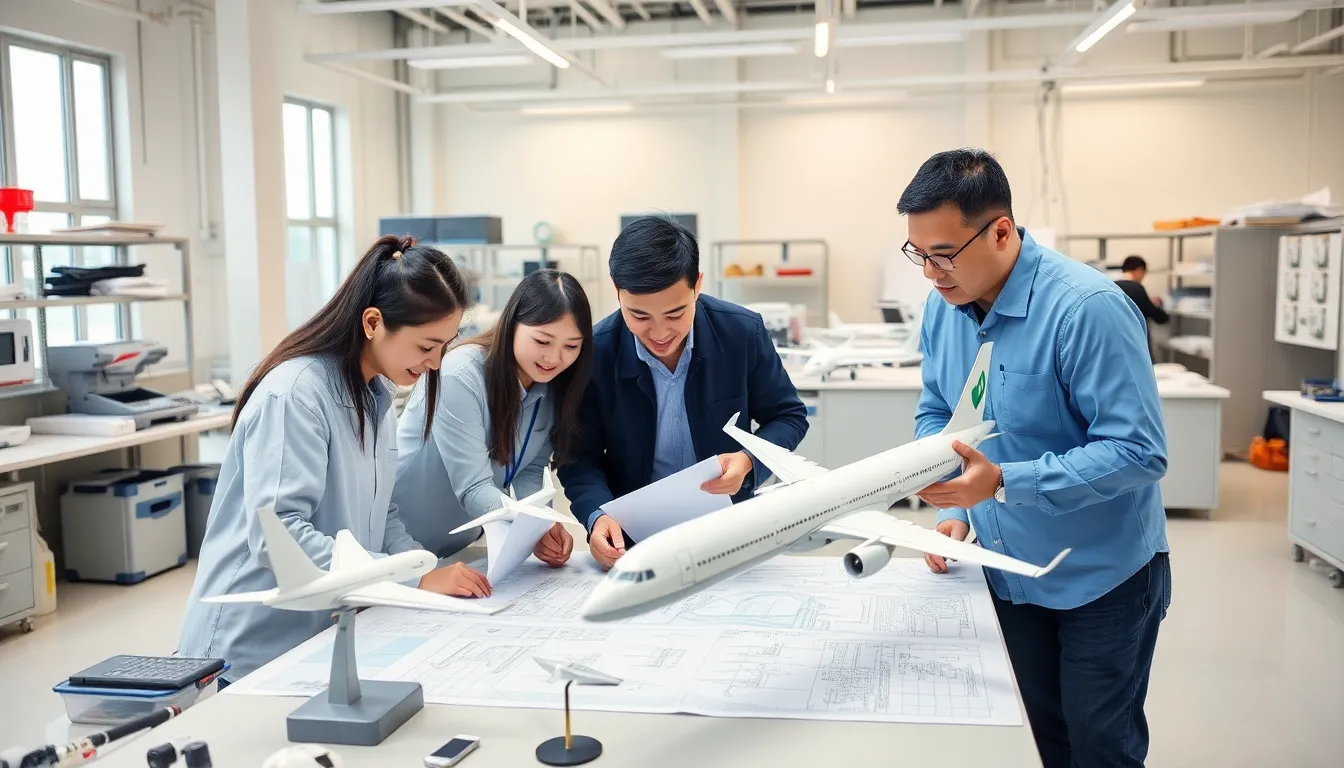
Frequently asked questions about the Chinese planemaker
Future outlook for the Chinese planemaker and the industry
The emergence of the Chinese planemaker as a competitor to established giants Boeing and Airbus marks a significant shift in the global aerospace landscape. With increasing investments in technology and a growing domestic market, the Chinese manufacturer is poised to challenge the duopoly that has dominated the sector for decades. As it continues to enhance its capabilities and expand its reach, industry observers will need to monitor various factors that could influence the competitive dynamics moving forward.
Key areas to watch include the planemaker’s ability to secure international certifications, its response to geopolitical tensions, and the evolution of consumer preferences in the aviation market. These elements will not only shape the future of the Chinese planemaker but also have broader implications for global trade and collaboration in the aerospace industry.
- Certification Progress: Monitor the timeline and success of obtaining international safety certifications, which are crucial for market entry.
- Geopolitical Factors: Stay informed on how trade relations and political dynamics may impact the planemaker’s export potential.
- Technological Advancements: Watch for innovations in design and manufacturing processes that could enhance competitiveness against established players.
- Market Demand Shifts: Pay attention to changing consumer preferences, especially in the wake of environmental concerns and sustainable aviation initiatives.
- Collaborative Ventures: Observe potential partnerships or joint ventures with other aerospace firms that could bolster the planemaker’s market position.