


Local health departments have noted that the flu strain circulating this year is particularly virulent, leading to increased hospitalizations. In some areas, hospitals have begun implementing surge plans to accommodate the influx of patients, including reallocating staff and resources to ensure adequate care for both flu and non-flu patients. This situation is exacerbated by the current state of healthcare resources, as highlighted in our article on the current state of health.
According to the Centers for Disease Control and Prevention (CDC), flu activity is expected to continue rising through the fall and into the winter months. This trend raises concerns among healthcare providers about the potential strain on hospital systems, especially as they also contend with other respiratory illnesses, such as RSV and COVID-19.
In response to the situation, local health authorities are urging residents to get vaccinated and practice preventive measures, such as frequent handwashing and staying home when sick. These efforts aim to mitigate the impact on hospitals and ensure that healthcare resources remain available for all patients in need.
Understanding the flu season and its historical impact
The flu season has long been a significant public health concern, with its effects felt across communities, economies, and healthcare systems. Historically, influenza outbreaks have led to substantial morbidity and mortality, prompting governments and health organizations to prioritize flu preparedness and response strategies. The cyclical nature of flu seasons, typically peaking in the colder months, has resulted in annual hospitalizations and strain on healthcare resources, similar to the impact seen in recent events reported about kidnapped Nigerians.
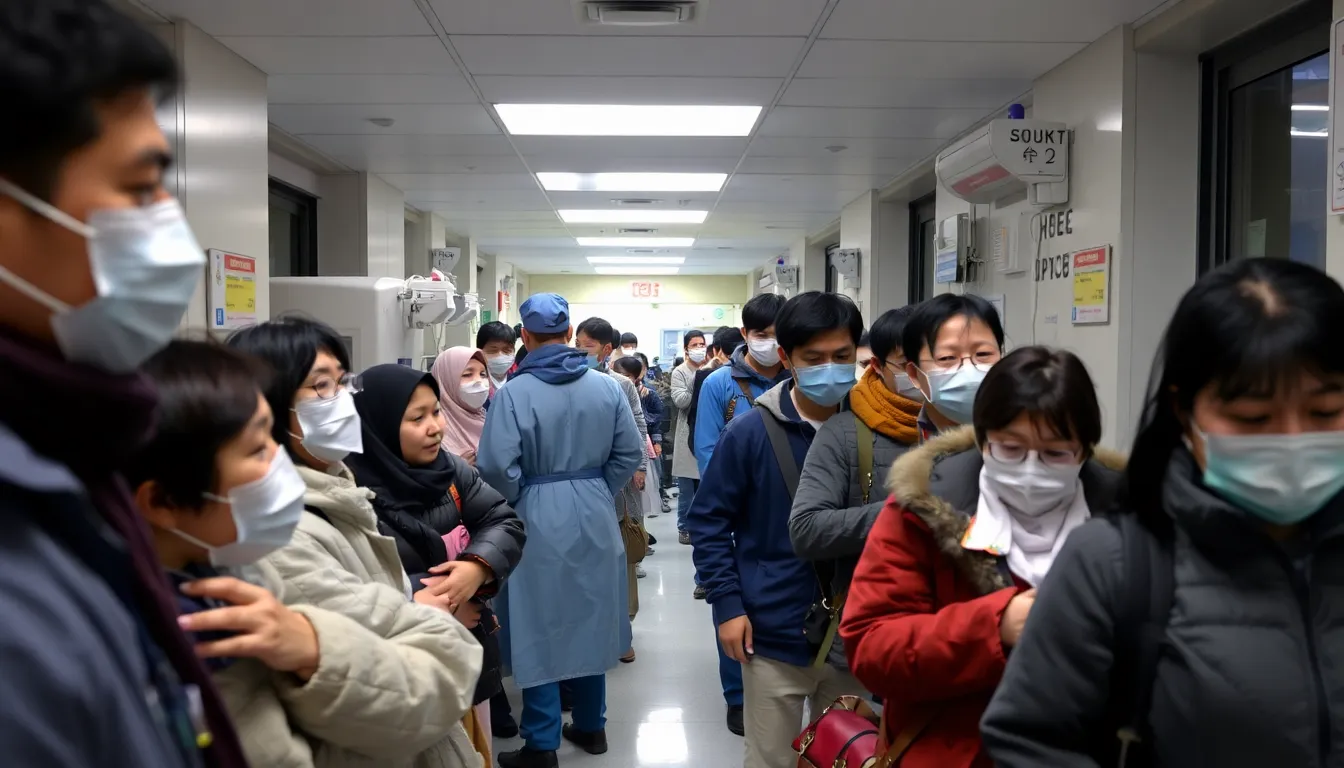
The 1918 influenza pandemic, often referred to as the Spanish flu, serves as a stark reminder of the virus’s potential devastation. It infected approximately one-third of the world’s population and caused an estimated 50 million deaths globally. This pandemic highlighted the need for robust public health infrastructure and the importance of vaccination, leading to the establishment of more organized healthcare responses to seasonal flu outbreaks in subsequent decades.
In recent years, the economic implications of flu seasons have also gained attention. The Centers for Disease Control and Prevention (CDC) estimates that flu costs the U.S. economy billions of dollars annually due to lost productivity and healthcare expenses. Hospitals often face increased admissions during peak flu periods, leading to overcrowding and resource allocation challenges. This economic burden has prompted discussions around funding for public health initiatives aimed at flu prevention and treatment, much like the resources allocated for major sporting events, such as the Australian Open.
Political Response and Vaccination Campaigns
Political responses to flu outbreaks have evolved, with vaccination campaigns becoming a cornerstone of public health strategy. The introduction of the flu vaccine in the 1940s marked a turning point in how societies managed influenza. Over the years, government initiatives have aimed to increase vaccination rates, particularly among vulnerable populations, to mitigate the impact of seasonal flu. Legislative efforts have also focused on ensuring equitable access to vaccines, underscoring the intersection of health policy and social justice.
Key stakeholders and their roles in flu management
The management of flu outbreaks involves a diverse array of stakeholders, each with unique interests and responsibilities. These include healthcare providers, government agencies, pharmaceutical companies, and the general public. Understanding their roles helps to clarify the complexities of flu management in hospitals and the broader community.
Healthcare providers, including hospitals and clinics, are on the front lines of flu management. Their primary interest is to deliver quality care while managing patient loads during peak flu seasons. Hospitals must balance the need for adequate staffing and resources with the financial implications of increased patient admissions. This often leads to conflicts between operational efficiency and the provision of high-quality care.
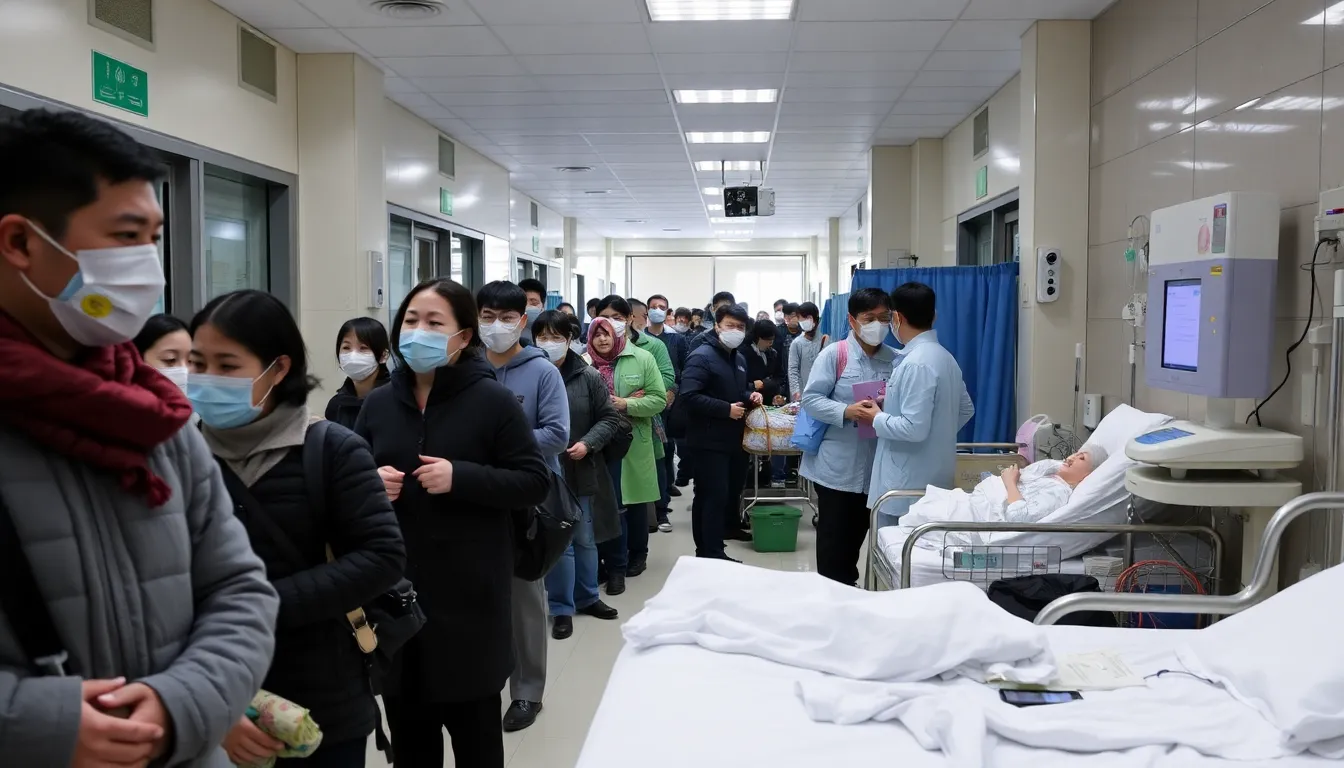
Government agencies, such as the Centers for Disease Control and Prevention (CDC) and local health departments, play a crucial role in public health surveillance and response strategies. Their interests lie in controlling the spread of the virus and ensuring public safety. However, they face challenges related to funding, resource allocation, and public compliance with health advisories, which can create trade-offs in how effectively they can manage flu outbreaks.
Pharmaceutical companies are also key players, particularly in the development and distribution of vaccines and antiviral medications. Their interests are driven by profit motives, which can sometimes conflict with public health needs. For instance, the pricing of vaccines can limit access for lower-income populations, raising ethical concerns about equity in healthcare.
- Healthcare providers must manage patient care while addressing financial constraints.
- Government agencies face challenges in funding and resource allocation during flu outbreaks.
- Pharmaceutical companies balance profit motives with the need for affordable access to medications.
- The general public’s compliance with health recommendations can significantly impact outbreak management.
- Interagency collaboration is essential but can be hindered by differing priorities and policies.
Effects of flu on patients and healthcare systems
The flu season poses significant challenges to various groups, particularly vulnerable populations such as the elderly, young children, and individuals with pre-existing health conditions. These groups are at a higher risk of severe complications, leading to increased hospitalizations and strain on healthcare resources. Additionally, healthcare workers are directly impacted, facing heightened workloads and potential exposure to the virus.
Regions experiencing high flu activity may see immediate effects on local businesses, especially in the healthcare sector. Hospitals may need to allocate more resources to manage the influx of patients, which can lead to longer wait times and reduced availability of services for non-flu-related health issues. This can disrupt daily life for many, as individuals may find it harder to access timely medical care.
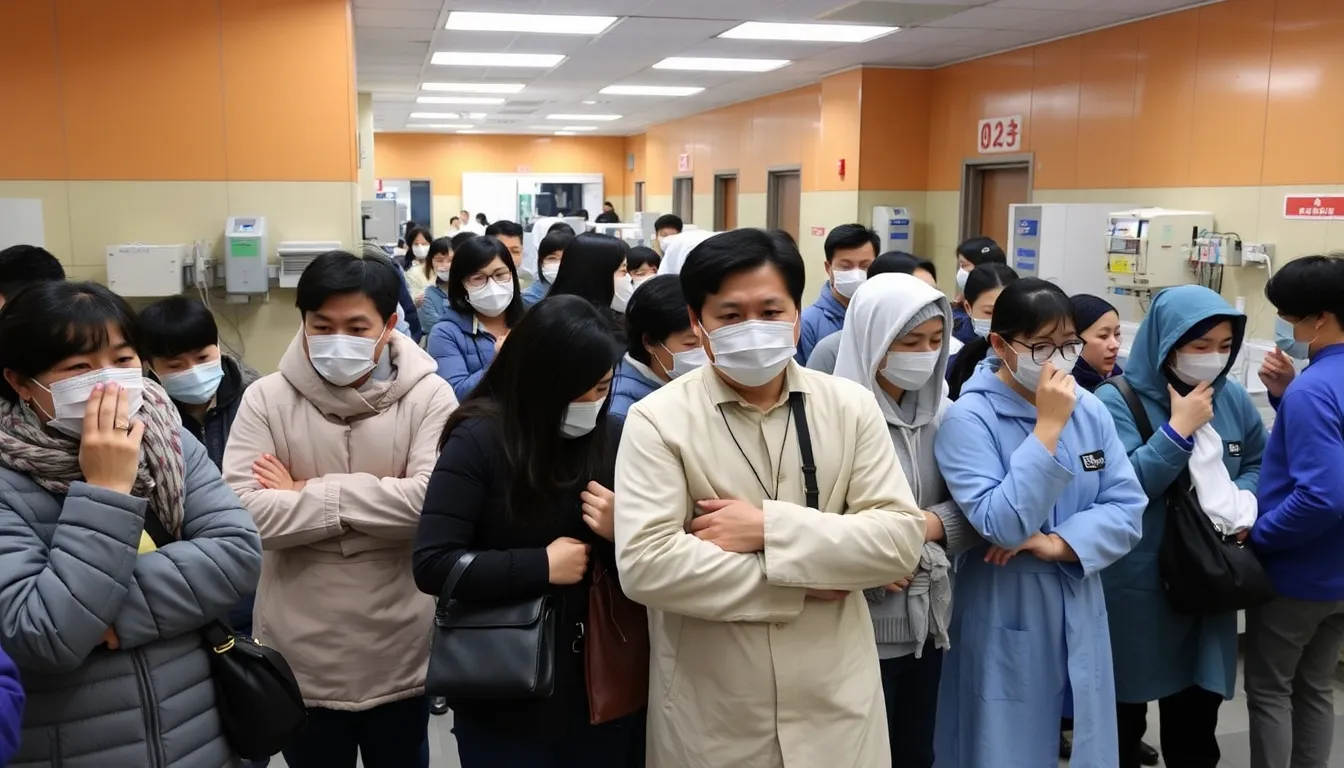
In the short term, the flu can lead to increased absenteeism in schools and workplaces, affecting productivity. Parents may need to take time off to care for sick children, while employees may face health-related absences. This ripple effect can impact local economies, particularly in regions heavily reliant on service industries.
- Increased hospital admissions and emergency room visits.
- Heightened demand for flu vaccinations and antiviral medications.
- Potential for policy changes regarding healthcare funding and resource allocation.
However, there are also opportunities that arise from the flu season. Increased awareness about the importance of vaccinations can lead to higher vaccination rates in the community, ultimately fostering a healthier population in the long run. Furthermore, healthcare providers may innovate in their service delivery models, improving efficiency and patient care during peak flu seasons.
A: To protect yourself from the flu, get vaccinated annually, practice good hygiene like handwashing, and avoid close contact with sick individuals. A: If you have flu symptoms, it’s important to rest, stay hydrated, and consult a healthcare provider for advice on treatment and whether you need to be tested. A: Yes, many hospitals experience increased patient volume during flu season, which can strain resources and affect patient care. A: Common symptoms of the flu include fever, cough, sore throat, body aches, and fatigue. If symptoms are severe, seek medical attention. A: Flu season can lead to staffing challenges as healthcare workers may become ill or need to care for sick family members, impacting hospital operations.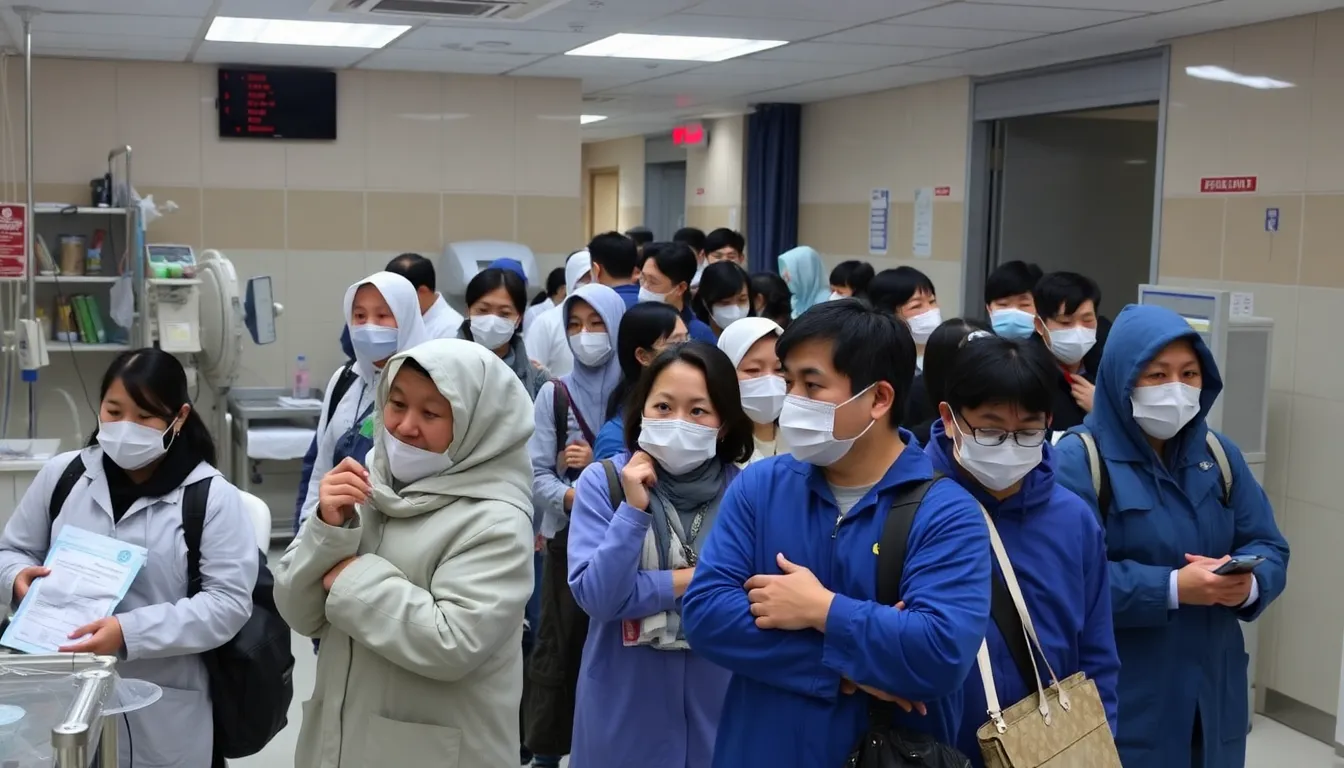
Frequently asked questions about flu and hospitals
Key takeaways and future outlook on flu management
The ongoing flu season has highlighted the critical role hospitals play in managing outbreaks and ensuring patient care. As healthcare systems brace for potential surges, it is essential to understand how local hospitals are adapting to the challenges posed by the flu. With fluctuating infection rates and varying vaccination uptake, the implications for healthcare delivery are significant.
Looking ahead, hospitals may need to implement more robust preventive measures and enhance their capacity to respond to increased patient volumes. Monitoring trends in flu cases and vaccination rates will be crucial for effective planning and resource allocation.
- Hospitals are likely to experience fluctuating patient volumes, necessitating flexible staffing and resource management strategies.
- Increased public awareness about flu vaccination can lead to higher uptake, potentially reducing hospitalizations.
- Collaboration between healthcare providers and public health agencies will be vital for effective flu surveillance and response.
- Investments in telehealth services may help alleviate pressure on hospitals by providing remote care options for non-critical patients.
- Monitoring the emergence of flu variants will be essential for timely updates to vaccination strategies and treatment protocols.