


The match at Tannadice Park saw Celtic unable to capitalize on scoring opportunities, ultimately falling 2-1 to their opponents. This latest setback has left the club languishing in the standings, with questions swirling about the management and direction of the team as they approach the midway point of the season. For insights on other teams’ performances, check out the article about Man City and Liverpool in the WSL.
Supporters are increasingly vocal about their dissatisfaction, calling for changes within the coaching staff and demanding a more competitive performance. The team’s inability to secure points has not only affected their league position but also their morale, which could have lasting implications for the remainder of the season.
As Celtic navigates this challenging period, the upcoming fixtures will be crucial in determining whether they can reverse their fortunes. With pressure mounting, the club must address its shortcomings quickly to restore confidence among players and fans alike.
Understanding the challenges faced by Celtic this season
This season has proven to be particularly tumultuous for Celtic Football Club, a team historically known for its dominance in Scottish football. Founded in 1887, Celtic has a rich legacy, boasting numerous league titles and cup victories. However, the current season has seen a decline in performance, culminating in a disappointing streak that has left fans and analysts alike questioning the team’s direction. For a comparison of different teams’ trajectories, read about Man City and Liverpool’s challenges this season.
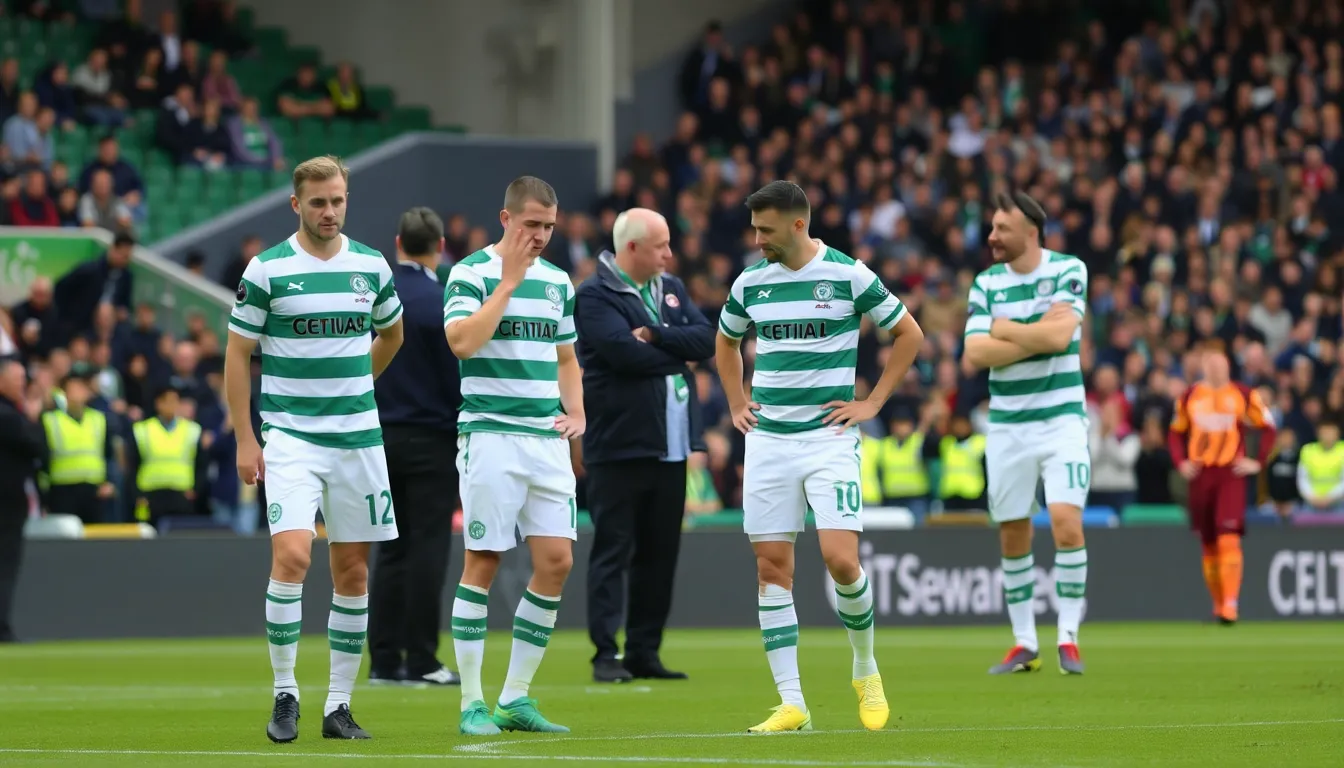
One of the significant factors contributing to Celtic’s struggles is the changing landscape of Scottish football. Over the past few years, teams like Rangers have made substantial investments in their squads, leading to increased competition at the top of the league. This shift has not only intensified rivalries but has also placed added pressure on Celtic to maintain its historically dominant position.
Key Milestones in Celtic’s Recent History
In recent years, Celtic has experienced both triumphs and challenges. The club enjoyed a period of success under former manager Brendan Rodgers, winning consecutive trebles from 2016 to 2019. However, the departure of Rodgers and subsequent managerial changes have led to instability. The hiring of new management has not yielded the expected results, leading to a series of disappointing performances, including the current four-game losing streak.
Additionally, economic factors have played a role in the club’s current predicament. The financial impact of the COVID-19 pandemic has affected many clubs, including Celtic, limiting their ability to invest in new talent. As a result, the team has struggled to find the right balance between experienced players and emerging talent, further complicating their campaign this season.
As Celtic continues to navigate these challenges, the focus will be on how the club can adapt to the evolving landscape of Scottish football and regain its former glory. The upcoming matches will be crucial in determining whether they can turn their fortunes around or if this season will be remembered as a turning point in the club’s history.
Key issues impacting Celtic’s performance and strategy
Celtic Football Club, one of Scotland’s most storied football teams, is currently facing significant challenges as they suffer their fourth consecutive defeat, this time against Dundee United. This string of losses raises questions about the club’s management, player performance, and overall strategy moving forward. In a similar vein, you can explore how Malaysia performed at the SEA Games to understand the competitive landscape.

Key stakeholders in this scenario include the club’s management, players, fans, and the broader football community. Each group has its own interests and concerns regarding the team’s performance. For instance, management is focused on maintaining the club’s reputation and financial stability, while fans are increasingly frustrated with the team’s inability to secure wins.
Several key issues contribute to the current situation:
- Management Decisions: The choices made by the coaching staff regarding tactics and player selection are under scrutiny, with calls for accountability if performance does not improve.
- Player Form: The form and fitness of key players are crucial; injuries and lack of confidence can severely impact results on the pitch.
- Financial Implications: Continued poor performance may lead to decreased ticket sales and merchandise revenue, affecting the club’s financial health.
- Fan Engagement: The dissatisfaction among fans can lead to decreased attendance and support, which is vital for the club’s atmosphere and morale.
- Competition: The increasing competitiveness of other teams in the league adds pressure on Celtic to perform at a higher level to maintain their status as a top club.
As these issues unfold, the interplay between the stakeholders will be crucial in determining the future direction of Celtic. The club must navigate these challenges effectively to restore confidence and improve their performance on the field.
The broader implications of Celtic’s losing streak
The recent performance of Celtic, losing their fourth consecutive game against Dundee United, has far-reaching implications for various stakeholders in the football community and beyond. Fans, local businesses, and even the broader sports industry in Scotland are feeling the effects of this downturn.
Firstly, the loyal fanbase of Celtic is deeply affected. The disappointment from consecutive losses can lead to decreased attendance at future matches, impacting not only the atmosphere at Celtic Park but also the financial health of the club. Fans may also turn to alternative forms of entertainment, reducing their engagement with the club and its merchandise.

Local businesses surrounding the stadium, such as pubs, restaurants, and shops that thrive on matchday traffic, are also at risk. A decline in match attendance could result in lower sales and revenue, affecting jobs and the local economy. The ripple effect of decreased customer footfall could lead to a downturn in community engagement and sponsorship opportunities for local enterprises.
In the mid-term, the club’s management may need to reassess their strategies, potentially leading to changes in coaching staff or player acquisitions. This could create uncertainty within the team and among stakeholders. However, it also presents opportunities for new talent to emerge and for the club to rebrand itself, potentially attracting a fresh fanbase.
- Fans: Emotional and financial impact due to poor performance.
- Local Businesses: Decreased revenue from reduced matchday attendance.
- Club Management: Potential for strategic shifts and new opportunities.
Overall, while the immediate effects of Celtic’s losing streak are negative, there is potential for growth and renewal if the club can navigate this challenging period effectively.
A: Celtic’s recent losses can be attributed to a combination of tactical issues, player injuries, and a lack of cohesion in the team. A: Fans have expressed frustration and disappointment, calling for changes in management and strategy to improve results. A: The consecutive losses have put Celtic in a precarious position in the league standings, making it crucial for them to turn things around quickly. A: In the upcoming match, Celtic will need to address their weaknesses and come up with a solid game plan to regain confidence and secure a win. A: Yes, several key players are currently sidelined due to injuries, which has significantly impacted the team’s performance.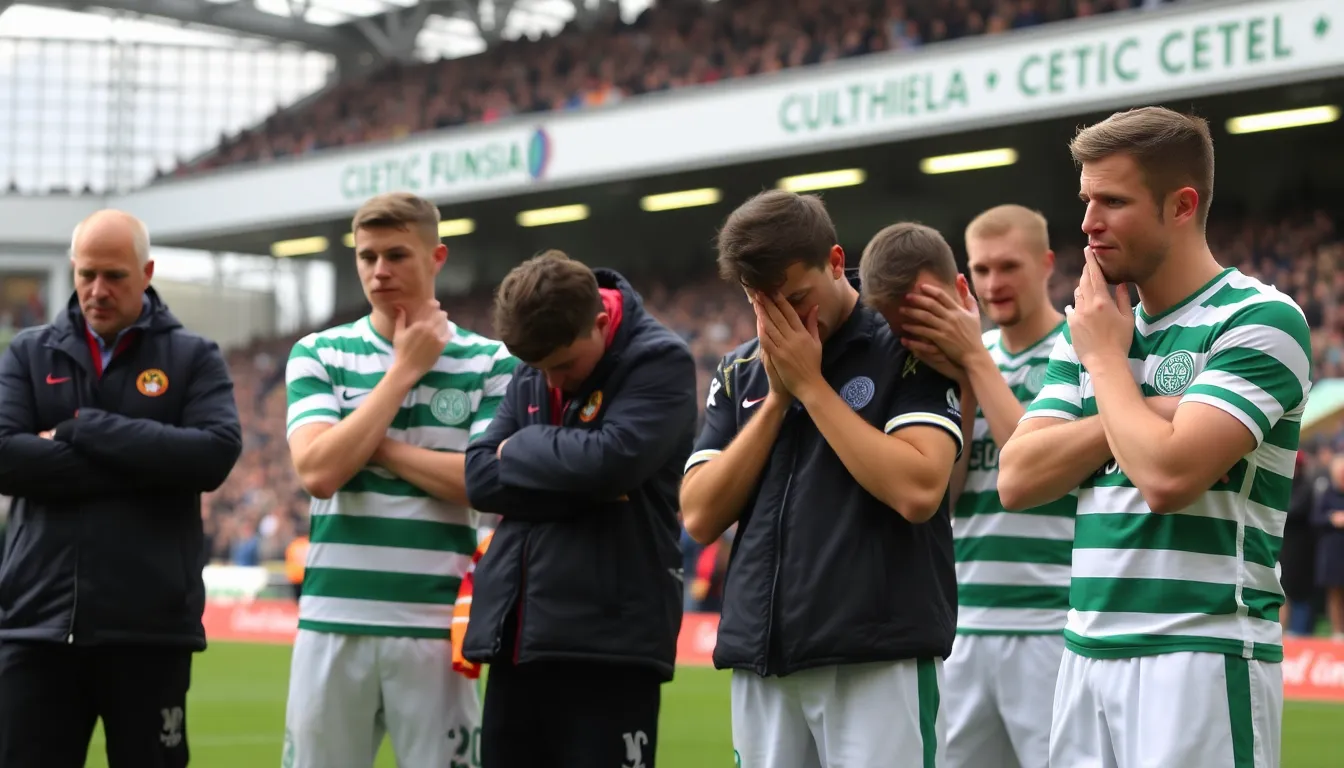
Frequently asked questions about Celtic’s recent games
Looking ahead: What does the future hold for Celtic?
The recent string of defeats for Celtic, culminating in a fourth consecutive loss against Dundee Utd, raises significant concerns about the team’s current form and overall strategy. This downturn not only affects their standings in the league but also places pressure on the management and players to reassess their approach moving forward. The implications of these results could lead to a pivotal moment in the season, prompting necessary changes to regain momentum.
As Celtic navigates this challenging period, attention will be focused on potential adjustments in tactics, player morale, and the upcoming fixtures that could either exacerbate or alleviate the current situation. It will be crucial for the team to identify the root causes of their struggles and implement effective solutions to turn their fortunes around.
- Monitor potential changes in coaching strategies as the management seeks to address the team’s performance issues.
- Keep an eye on player transfers or adjustments in the lineup that could invigorate the squad.
- Assess the impact of upcoming matches on team morale and confidence levels.
- Evaluate the response of the fan base and its influence on the club’s decision-making processes.
- Watch how competitors in the league capitalize on Celtic’s current vulnerabilities.