


In stark contrast, Liverpool finds itself in a precarious position, struggling to find form and currently battling relegation. With only 9 points from 14 matches, the team has faced a series of disappointing results, including a recent defeat against Tottenham Hotspur on December 10, which has intensified concerns about their ability to remain in the top tier of women’s football. The club’s management is under pressure to address these issues as the January transfer window approaches.
The league’s competitive nature is highlighted by the tight race for European qualification, with teams like Chelsea and Arsenal closely trailing Manchester City. Both clubs have shown resilience and depth in their squads, making the upcoming fixtures crucial for their aspirations. The winter break provides a pivotal moment for teams to reassess their strategies and make necessary adjustments ahead of the second half of the season.
Fan engagement remains high, with attendance figures reflecting the growing interest in women’s football. The league has seen increased viewership and support, contributing to the overall development of the sport in England. As the teams regroup after the break, the WSL is poised for an exciting conclusion to the season, with potential upsets and shifts in standings likely to unfold.
Background on the Women’s Super League season so far
The Women’s Super League (WSL) has seen significant growth since its inception in 2011, evolving into one of the most competitive leagues in women’s football. Historically, the league has faced challenges related to funding, visibility, and societal perceptions of women’s sports. However, recent years have witnessed an increase in investment and media coverage, allowing teams to attract top talent and elevate the standard of play.
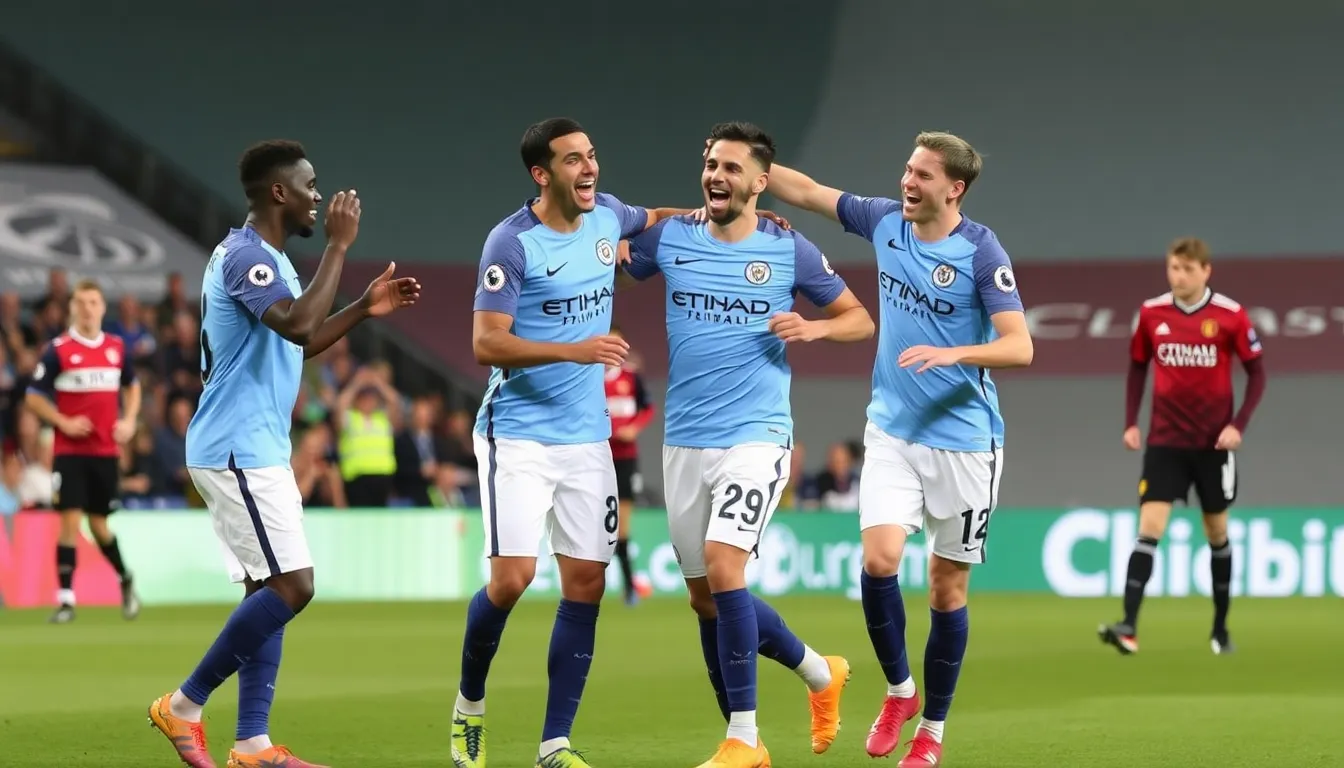
This season, Manchester City has emerged as a formidable force, showcasing their depth and tactical prowess. Their success can be attributed to a combination of strategic player acquisitions and a strong youth development program. In contrast, Liverpool has struggled to find consistency, grappling with injuries and a lack of form that has left them in a precarious position as they approach the winter break.
Key Milestones in WSL Development
Several key milestones have shaped the current landscape of the WSL. The introduction of professional contracts in 2018 marked a turning point, providing players with the financial stability needed to pursue football as a career. Additionally, the league’s partnership with major broadcasters has significantly increased its visibility, allowing fans to engage more readily with the teams and players.
Moreover, the impact of international tournaments, such as the UEFA Women’s Euro 2022, has further boosted interest in women’s football, leading to increased attendance and viewership. As the league approaches its winter break, the performance of teams like Manchester City and Liverpool will be critical in setting the tone for the remainder of the season.
Key issues facing Manchester City and Liverpool
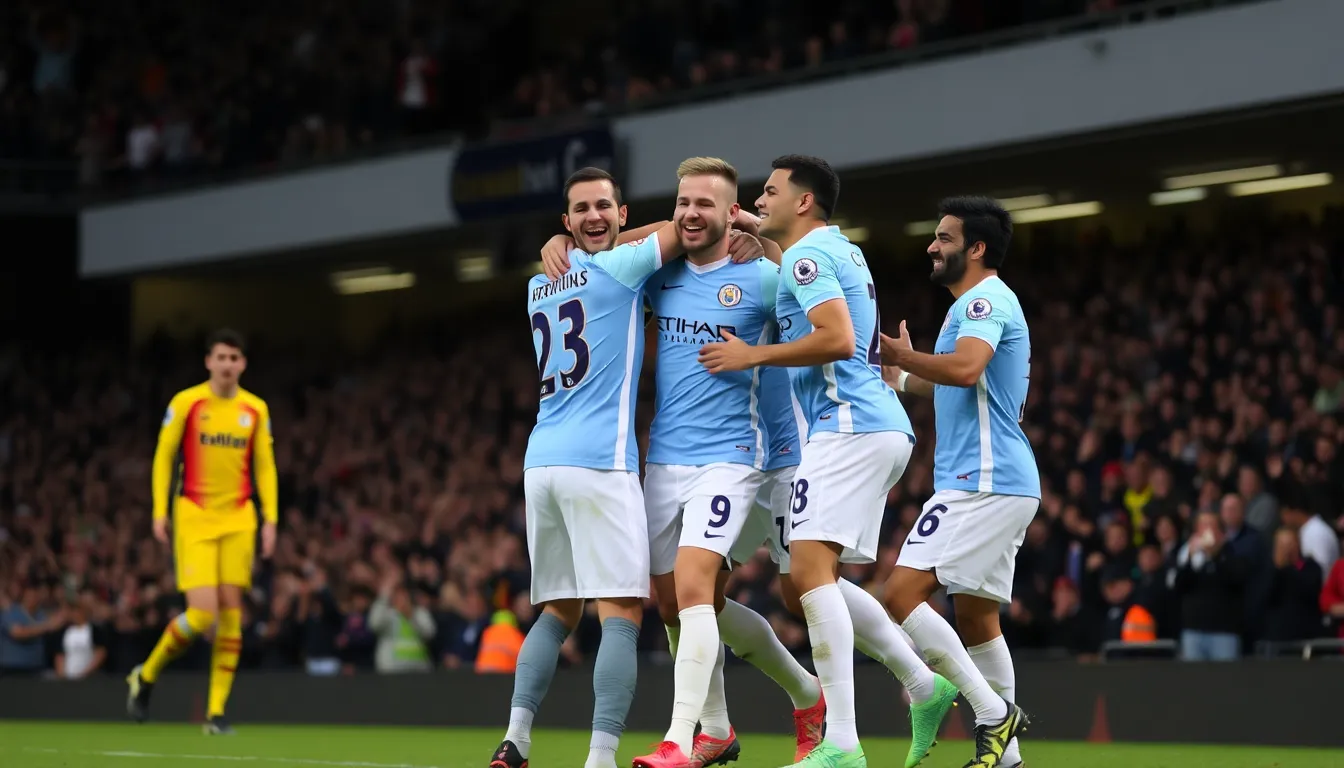
As the Women’s Super League (WSL) approaches its winter break, Manchester City and Liverpool find themselves at opposite ends of the competitive spectrum. Manchester City has emerged as a strong contender for the title, while Liverpool faces significant challenges that could impact their season. Understanding the dynamics at play involves examining the interests of key stakeholders and the underlying issues that could shape the league’s future.
Manchester City, with its robust financial backing and a talented squad, aims to maintain its position at the top of the league. The club’s management is focused on securing both domestic and European success, which aligns with the interests of its sponsors and fan base who expect high performance. On the other hand, Liverpool’s struggles reflect broader issues within the club, including potential financial constraints and the need for strategic player acquisitions to bolster their squad.
The key issues can be summarized as follows:
- Financial Stability: Liverpool may need to reassess its financial strategy to remain competitive, while Manchester City continues to leverage its significant resources.
- Player Development: Both clubs face the challenge of nurturing young talent, with City focusing on integrating youth players into their first team, while Liverpool may need to invest in scouting and development.
- Fan Engagement: Maintaining strong support from fans is crucial; City enjoys a growing fan base due to their success, whereas Liverpool must work to keep their supporters engaged amid disappointing results.
- Regulatory Environment: Potential changes in league regulations or financial fair play rules could impact both clubs differently, with City potentially facing scrutiny over spending.
These factors highlight the complex landscape of the WSL, where the interests of clubs, players, and fans intersect. The contrasting situations of Manchester City and Liverpool serve as a microcosm of the broader challenges and opportunities within women’s football in England.
How the standings affect teams and players
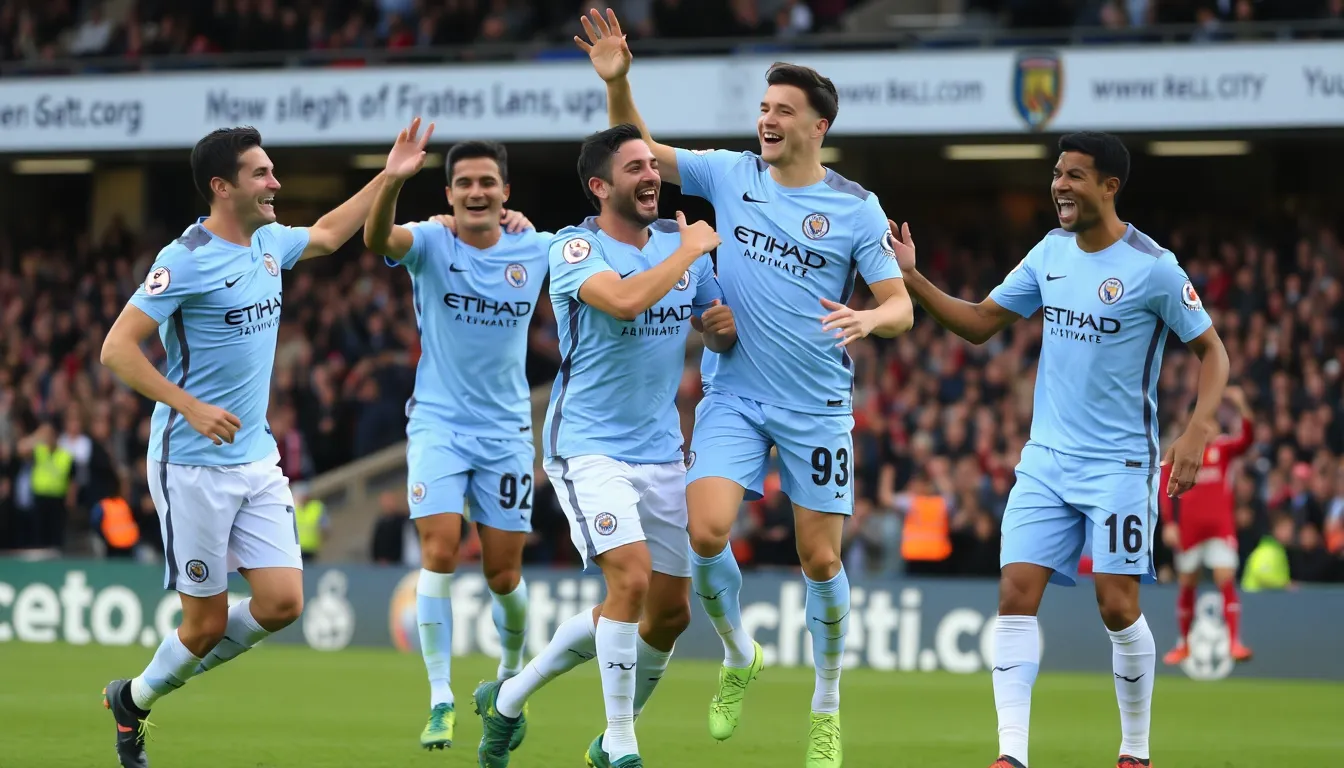
The current standings in the Women’s Super League (WSL) have significant implications for various groups, including players, clubs, and fans. Manchester City, as favorites, are positioned to capitalize on their strong performance, while Liverpool faces challenges that could impact their future in the league. This dynamic creates a ripple effect across the footballing community.
For players, the immediate impact is felt in morale and motivation. Teams like Manchester City may experience a boost in confidence, leading to enhanced performance on the pitch. Conversely, Liverpool players may face pressure and uncertainty, potentially affecting their mental well-being and performance levels. This psychological aspect is crucial as teams head into the winter break.
In terms of business, clubs that perform well can expect increased merchandise sales, higher ticket demand, and improved sponsorship opportunities. Manchester City, likely to attract more fans and sponsors, may see a revenue surge. On the other hand, Liverpool’s struggles could lead to decreased ticket sales and potential financial repercussions, affecting their operational budget.
- Short-term impacts: Increased fan engagement for top-performing teams, potential decline in attendance for struggling clubs.
- Mid-term impacts: Shift in sponsorship deals, potential player transfers influenced by team performance.
- Opportunities: Emerging talent from lower-performing teams may seek transfer to clubs with higher standings.
Policy-wise, the WSL might see increased discussions around financial support for struggling teams, which could lead to new initiatives aimed at leveling the playing field. This could foster a more competitive environment, benefitting the league as a whole.
Frequently asked questions about the WSL
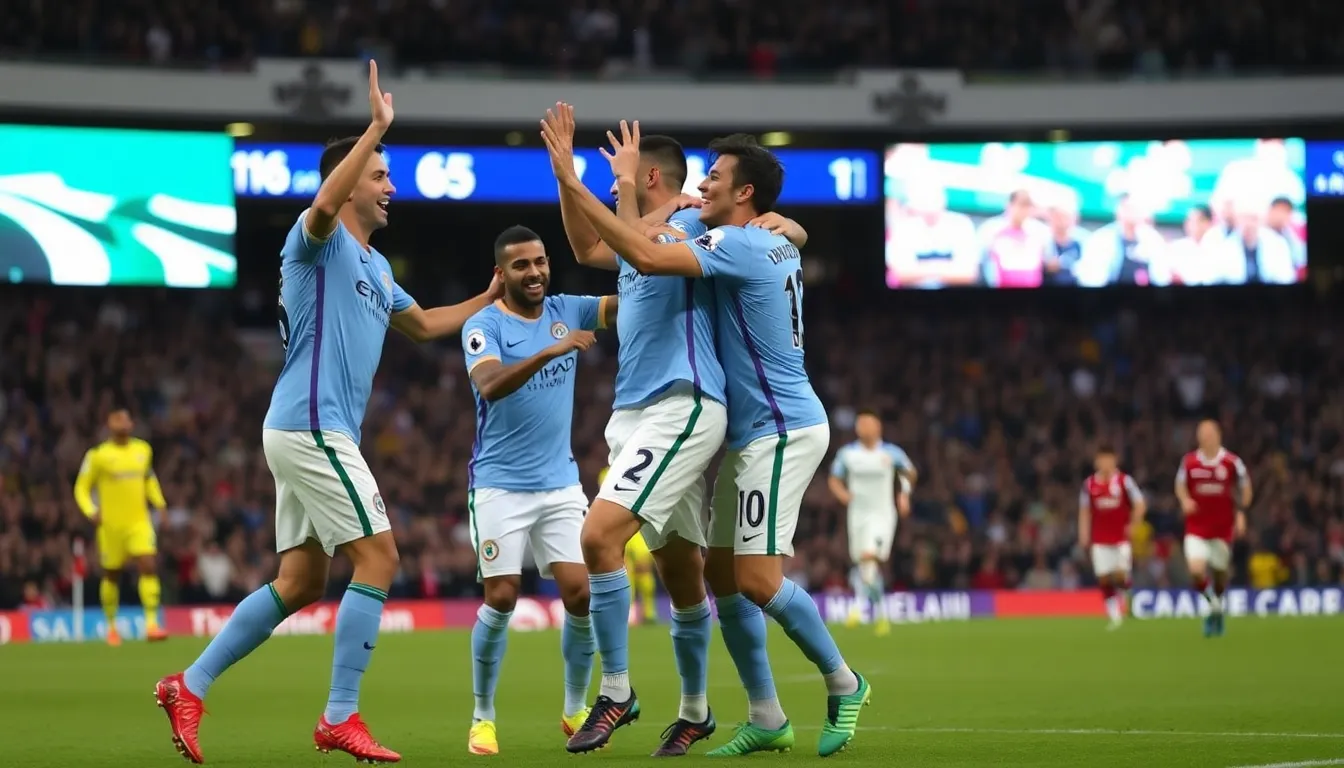
A: Manchester City has shown consistent performance, with strong attacking options and a solid defense, placing them at the top of the league standings.
A: Liverpool is struggling with injuries and inconsistent performances, which have led to a series of disappointing results, putting them in a precarious position in the league.
A: The winter break provides teams an opportunity to reassess their strategies, recover injured players, and make necessary adjustments to improve their performance in the second half of the season.
A: Teams in lower positions may look to strengthen their squads during the transfer window, while those at the top might focus on retaining key players to maintain their success.
Key takeaways and future outlook for the WSL
The Women’s Super League (WSL) is entering a critical phase as it approaches the winter break, with Manchester City emerging as the frontrunners while Liverpool faces significant challenges. The current standings indicate a shift in power dynamics, with City solidifying their position at the top and Liverpool struggling to find their form. This scenario sets the stage for a competitive second half of the season, where both title aspirations and relegation battles will intensify.
As teams reassess their strategies during the break, several key factors will play a crucial role in shaping the remainder of the season. Injuries, player transfers, and tactical adjustments will all influence outcomes, making it essential for fans and analysts alike to keep a close eye on developments in the coming weeks.
- Monitor Manchester City’s consistency and injury management as they look to maintain their lead.
- Watch for Liverpool’s potential transfer activity to bolster their squad and address their struggles.
- Pay attention to emerging teams that could challenge the established order in the league.
- Consider how managerial decisions and tactical changes could impact team performances post-break.
- Keep an eye on the development of young talent, which could influence both title races and relegation battles.