


The Malaysian team, consisting of skilled players from various backgrounds, showcased remarkable teamwork and strategy throughout the tournament. Their journey culminated in a thrilling final match on May 15, 2025, where they faced off against a strong opponent from Indonesia, ultimately securing the gold medal.
This victory not only elevates Malaysia’s status in the esports arena but also reflects the country’s commitment to embracing new forms of competition. The success of the Magic Chess team is expected to inspire a new generation of gamers and foster further investment in esports infrastructure and training programs across Malaysia.
As esports continues to gain popularity, Malaysia’s achievement at the SEA Games 2025 serves as a significant milestone, paving the way for future participation in international competitions. The event has garnered considerable media attention, emphasizing the potential of esports to unite communities and promote regional collaboration.
The significance of esports at the SEA Games
Esports has rapidly evolved from a niche hobby to a mainstream competitive phenomenon, capturing the attention of millions globally. The inclusion of esports in the Southeast Asian Games (SEA Games) reflects a broader recognition of gaming as a legitimate sport, paralleling traditional athletics. This shift not only highlights the changing landscape of sports but also acknowledges the cultural impact of gaming in the region.
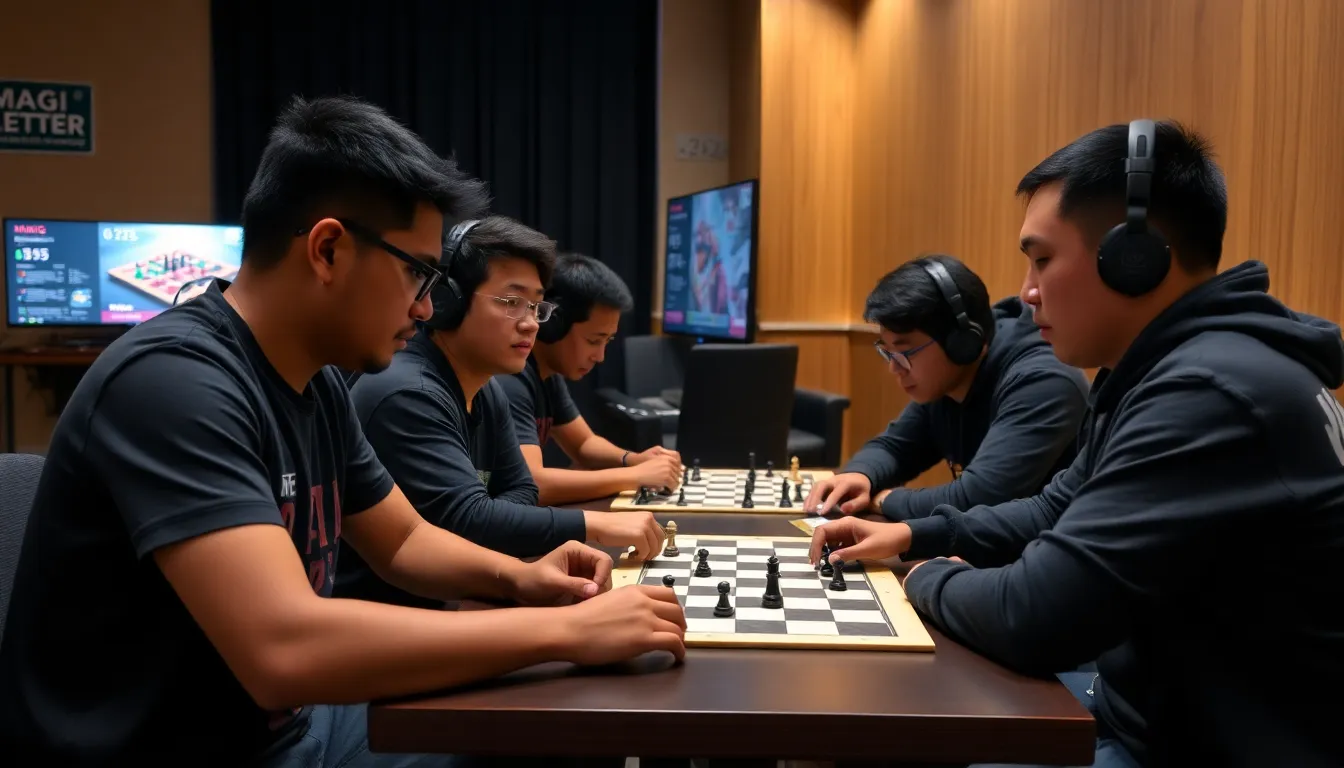
The SEA Games, which began in 1959, has historically served as a platform for fostering regional cooperation and camaraderie among Southeast Asian nations. With the rise of digital technology and internet accessibility, esports emerged as a popular form of entertainment, particularly among younger demographics. As a result, the SEA Games organizers decided to incorporate esports into the event, starting with its debut in 2019.
Malaysia’s victory in the Magic Chess: Go Go esports competition at the SEA Games 2025 marks a significant milestone for the nation, showcasing its growing investment in esports infrastructure and talent development. The Malaysian government and private sector have recognized the potential economic benefits of esports, leading to increased funding and support for local teams and events. This victory not only boosts national pride but also positions Malaysia as a key player in the regional esports landscape.
The rise of esports in Malaysia
Malaysia has seen a remarkable rise in its esports scene over the past decade, driven by a combination of grassroots initiatives and government support. The establishment of professional leagues, tournaments, and training facilities has fostered a vibrant community of gamers. Additionally, the country’s strategic location and diverse population make it an attractive hub for international esports events, further solidifying its role in the global gaming industry.
Key stakeholders in Malaysia’s esports success
The recent victory of Malaysia in the Magic Chess: Go Go esports event at the SEA Games 2025 has brought various stakeholders into the spotlight, each with their own interests and goals. These stakeholders include government bodies, esports organizations, players, sponsors, and the gaming community at large.
At the forefront, the Malaysian government is keen on promoting esports as a legitimate sport to boost national pride and economic growth. By supporting events like the SEA Games, they aim to attract international attention and investment in the local esports scene. This aligns with their broader strategy to position Malaysia as a regional hub for technology and innovation.
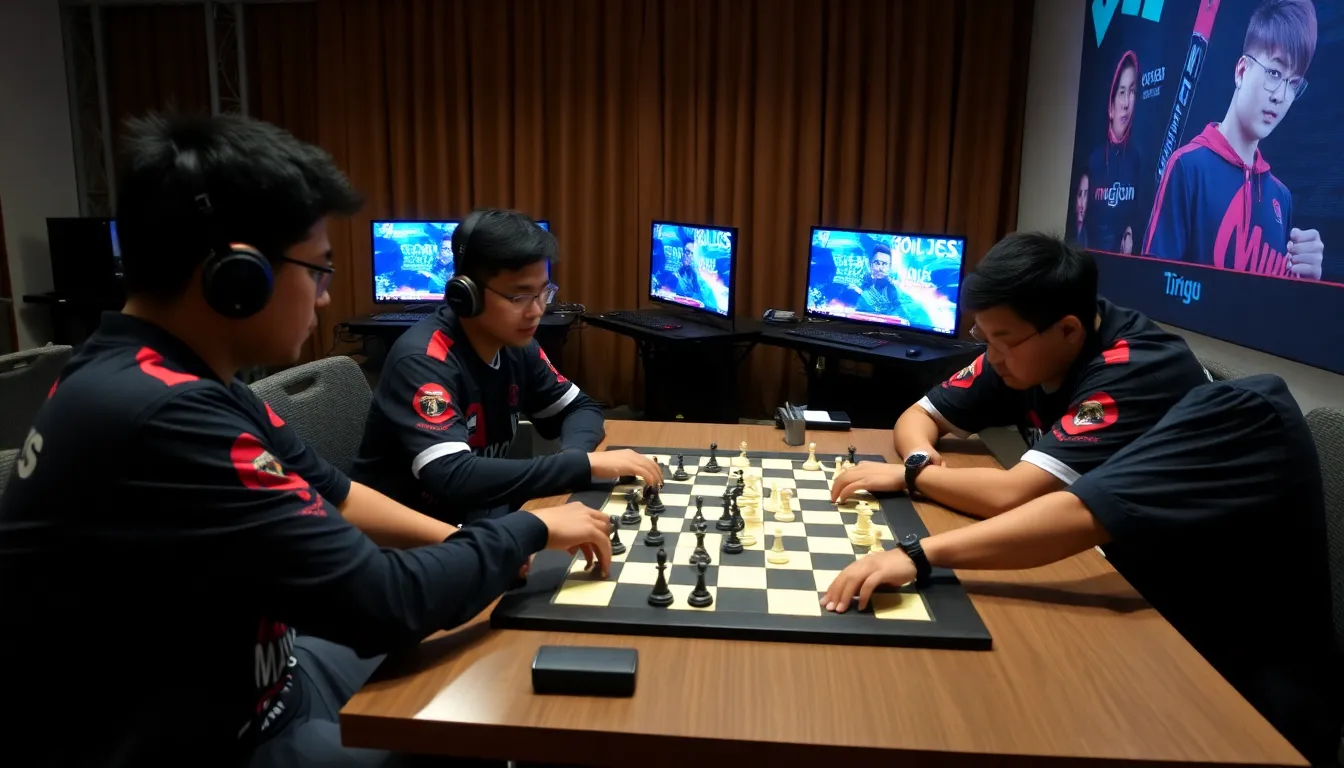
Esports organizations and teams, such as those representing Malaysia, have a vested interest in the success of their players. Their focus is not only on winning competitions but also on securing sponsorship deals and partnerships that can provide financial support and resources for training. The success of Malaysian teams can lead to increased visibility and opportunities for local talent.
However, the rise of esports also brings challenges. Conflicts may arise between traditional sports advocates and esports supporters regarding funding and recognition. Additionally, issues surrounding player welfare, such as mental health and the pressures of competition, are becoming increasingly relevant. The balance between fostering talent and ensuring a healthy environment is a key concern for all involved.
- Government interests: Promote national pride and economic growth through esports.
- Esports organizations: Secure sponsorships and provide resources for player development.
- Players: Achieve success and recognition while managing the pressures of competition.
- Community: Advocate for the legitimacy and support of esports as a recognized sport.
- Traditional sports advocates: Seek recognition and funding parity with traditional sports.
The impact of this victory on the esports landscape in Malaysia
Malaysia’s triumph in the Magic Chess: Go Go esports event at the SEA Games 2025 marks a significant milestone for the country’s gaming community. This victory not only elevates Malaysia’s status in the competitive gaming arena but also has far-reaching implications for various groups, industries, and regions across the nation, similar to how cup final victories validate processes in traditional sports.
In the short term, the immediate impact will be felt by local esports organizations and gaming communities, who will likely experience increased interest and participation in competitive gaming. This victory may lead to a surge in sponsorships and partnerships with brands looking to capitalize on the growing popularity of esports. Additionally, educational institutions may start to incorporate esports programs, recognizing the potential for career opportunities in this burgeoning field.
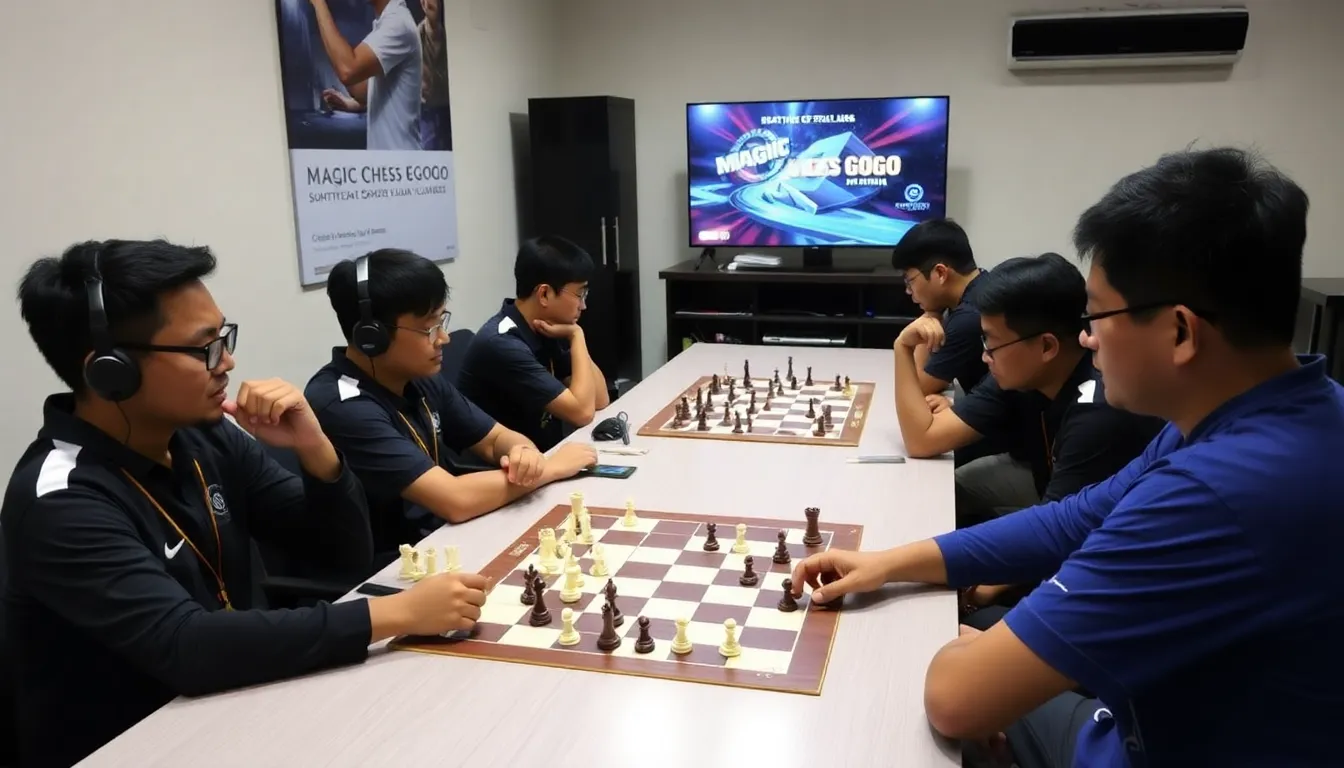
In the mid-term, the success could stimulate the local economy, particularly in sectors related to technology and entertainment. Game developers, streaming platforms, and event organizers may see a rise in demand for their services as more players and fans engage with the esports ecosystem. However, there are risks involved, such as the potential for market saturation if too many events or teams emerge without sufficient support and infrastructure.
- Increased sponsorship opportunities for local teams and events.
- Growth in esports education programs at schools and universities.
- Boost to local businesses related to gaming and technology.
- Potential market saturation leading to competition among teams and events.
As Malaysia continues to establish itself as a key player in the esports scene, the government may also consider implementing policies that support the industry. This could include funding for esports initiatives, tax incentives for gaming companies, and infrastructure development for gaming facilities. Overall, the victory at the SEA Games serves as a catalyst for growth and transformation within the esports landscape in Malaysia.
A: Magic Chess: Go Go is an esports game that combines strategy and teamwork, where players compete in a chess-like environment. It has gained popularity in the esports community for its engaging gameplay. A: Malaysia showcased exceptional skills and teamwork, ultimately securing the championship title in the Magic Chess event. This win highlights the country’s growing prowess in the esports arena. A: This victory is a significant milestone for Malaysian esports, as it demonstrates the country’s potential to compete on an international level. It may also inspire more investments and support for the esports industry. A: The tournament featured teams from various Southeast Asian countries, including Indonesia, Thailand, and the Philippines, all of whom are known for their strong presence in the esports scene. A: Fans can support Malaysian esports teams by following their journeys on social media, attending live events, and participating in community activities that promote esports.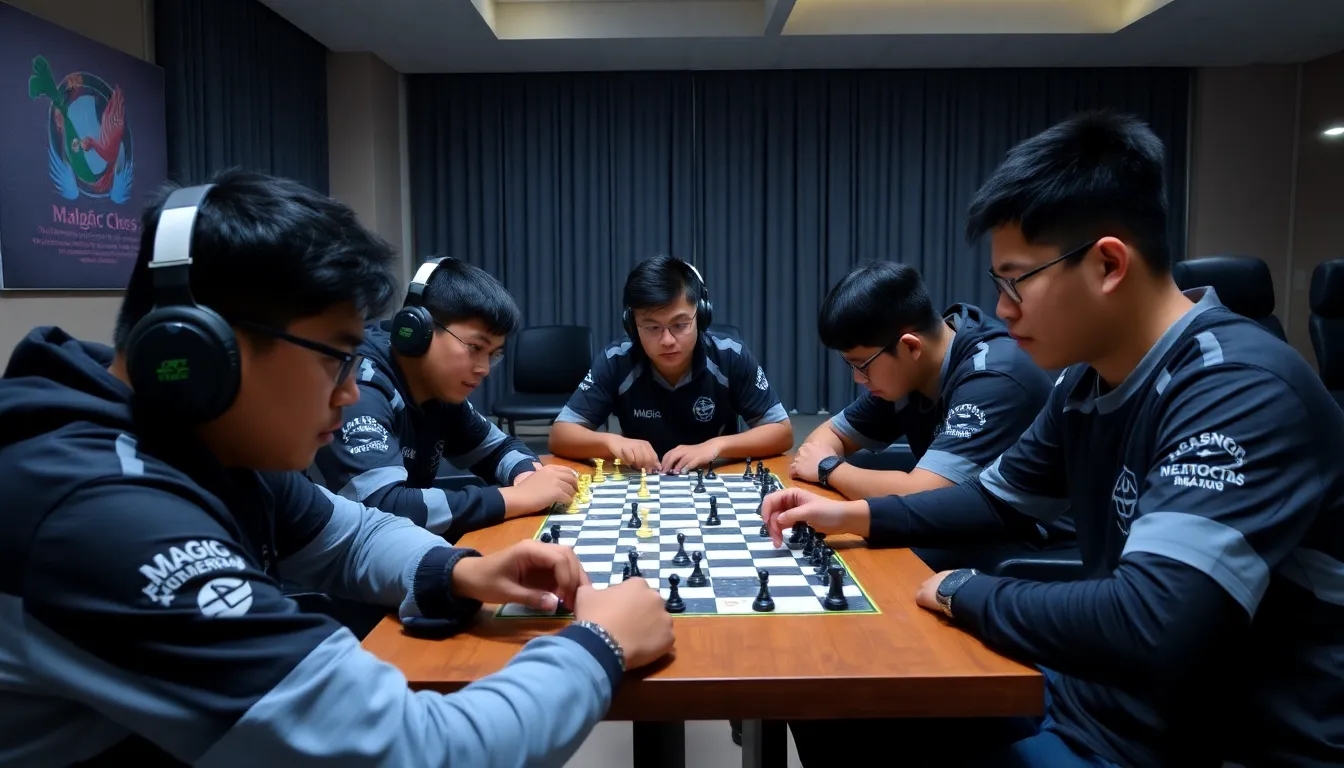
Frequently asked questions about Malaysia’s esports victory
Looking ahead: The future of esports in Malaysia
Malaysia’s victory in Magic Chess at the SEA Games 2025 marks a significant milestone for the country’s esports landscape. This achievement not only highlights the growing talent in the region but also sets the stage for future investments and developments in the esports ecosystem. As Malaysia continues to embrace digital competition, the implications for local players, sponsors, and the gaming community are profound.
With the spotlight on esports intensifying, stakeholders should consider the potential for further growth in this sector. The success of the Malaysian team could inspire more youth to engage in competitive gaming, leading to a broader cultural acceptance of esports as a legitimate career path. Additionally, this victory may encourage government support and infrastructure development, paving the way for more international events to be hosted in Malaysia.
- Increased investment: Expect a surge in sponsorships and funding opportunities for local teams and tournaments.
- Talent development: Look for initiatives aimed at nurturing young gamers, including training programs and esports academies.
- Policy support: Anticipate enhanced government policies that promote esports as a viable industry, potentially leading to tax incentives and grants.
- Community engagement: Watch for growing community events and grassroots movements aimed at fostering a vibrant esports culture.
- International exposure: The success may attract global esports events to Malaysia, increasing its visibility on the international stage.