


Recent developments, such as the Mumbai Coastal Road project, aim to enhance connectivity and reduce traffic congestion. Initiated in 2018 and expected to be completed by 2023, this ambitious project is designed to provide a much-needed alternative route along the coastline. However, it has also sparked debates over environmental concerns and the displacement of local communities.
In addition to infrastructure projects, the city faces ongoing issues related to housing shortages. With a considerable portion of the population living in slums, the government has been working on initiatives like the Pradhan Mantri Awas Yojana, which aims to provide affordable housing. Despite these efforts, the demand for housing continues to outpace supply, exacerbating living conditions for many residents.
The economic landscape of Mumbai remains vibrant, with the city serving as a financial hub for India. Major corporations and startups alike are drawn to its bustling markets and diverse workforce. However, the stark contrast between wealth and poverty in the city raises questions about sustainable growth and social equity.
Exploring the historical background of Bombay’s origins
Bombay, now known as Mumbai, has a rich history that dates back to its origins as a collection of islands. Initially inhabited by fishing communities, the islands were known for their strategic location along the Arabian Sea. The turning point for Bombay came in the 16th century when the Portuguese established a colony, recognizing its potential as a trading post.
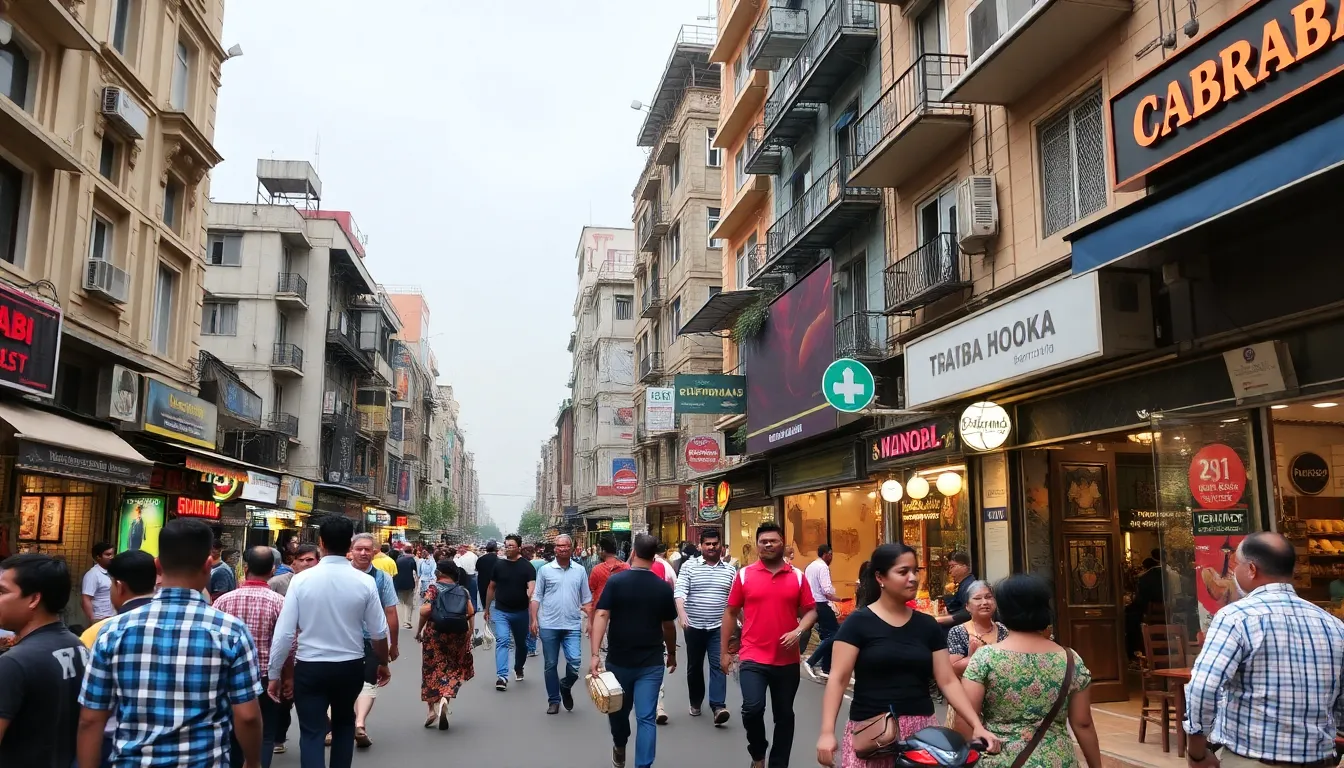
In 1661, the islands were ceded to the British Crown as part of the dowry for the marriage of Catherine of Braganza to Charles II of England. This marked the beginning of Bombay’s transformation into a key port city. The British recognized the economic potential of the islands and began developing the infrastructure necessary for trade, including docks and warehouses, which attracted merchants and laborers from various regions.
The Industrial Revolution and Urban Growth
The 19th century brought significant changes to Bombay with the onset of the Industrial Revolution. The introduction of textile mills and factories led to an influx of migrants seeking employment, which contributed to rapid urbanization. By the late 1800s, Bombay had emerged as a major commercial and financial center in India, with a diverse population that included communities from across the subcontinent.
Key milestones during this period included the establishment of the Bombay Stock Exchange in 1875 and the opening of the first railway line in 1853, which connected Bombay to the interior of India. These developments not only facilitated trade but also solidified Bombay’s status as a bustling metropolis, laying the groundwork for its future growth.
As the 20th century unfolded, Bombay continued to evolve, becoming a focal point for political movements, cultural developments, and economic opportunities. The city’s unique blend of colonial heritage and indigenous culture created a vibrant urban landscape, attracting people from various backgrounds and contributing to its identity as a global city.
Analyzing the key stakeholders in Bombay’s growth
Bombay’s transformation from a fortified city to a bustling metropolis involved a myriad of stakeholders, each with distinct interests and influences. The primary actors include the British colonial government, local merchants, industrialists, and the working-class population. Each group played a pivotal role in shaping the city’s development trajectory.
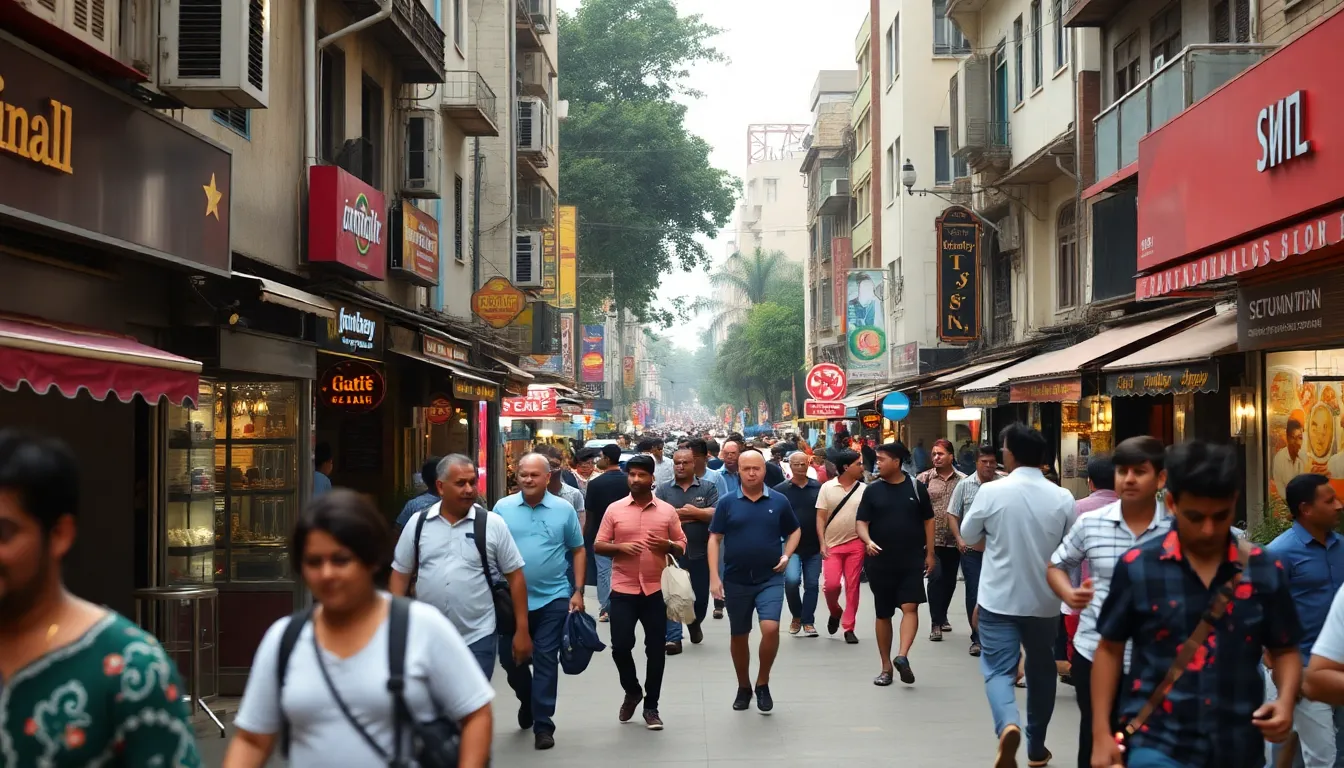
The British colonial government was primarily interested in expanding trade and securing strategic naval routes. Their policies facilitated the establishment of infrastructure, such as railways and ports, which were essential for economic growth. However, these developments often came at the expense of local communities, leading to conflicts over land use and labor rights.
Local merchants and industrialists emerged as significant stakeholders during the late 19th and early 20th centuries. Their interests lay in maximizing profits through trade and manufacturing. They advocated for policies that favored industrialization, which sometimes clashed with the needs of the working class, who sought better wages and working conditions. This created a tension between economic growth and social equity.
- Conflicts over land ownership and usage between colonial authorities and local residents.
- Trade-offs between industrial expansion and environmental sustainability.
- Legal issues surrounding labor rights and working conditions in factories.
- The impact of urbanization on housing availability and affordability for lower-income populations.
- Economic disparities that arose from the rapid growth of the city, leading to social unrest.
As Bombay continued to evolve, the interests of various stakeholders often intersected and conflicted, highlighting the complexities of urban development. The interplay of governmental policies, economic ambitions, and social needs created a dynamic landscape that shaped the city’s identity and growth.
Assessing the impact on local communities and economy
The transformation of Bombay from a fort city to a bustling metropolis has significantly affected various groups and industries. Local communities, particularly those in informal settlements, have faced both challenges and opportunities as urbanization accelerates. The influx of people from rural areas seeking better employment has altered the demographic landscape, impacting housing, transportation, and public services.
Industries such as real estate, retail, and technology have thrived in this evolving environment. The demand for housing has surged, leading to increased construction activities and a boom in the real estate market. However, this rapid development has also raised concerns about gentrification, pushing long-time residents out of their neighborhoods.
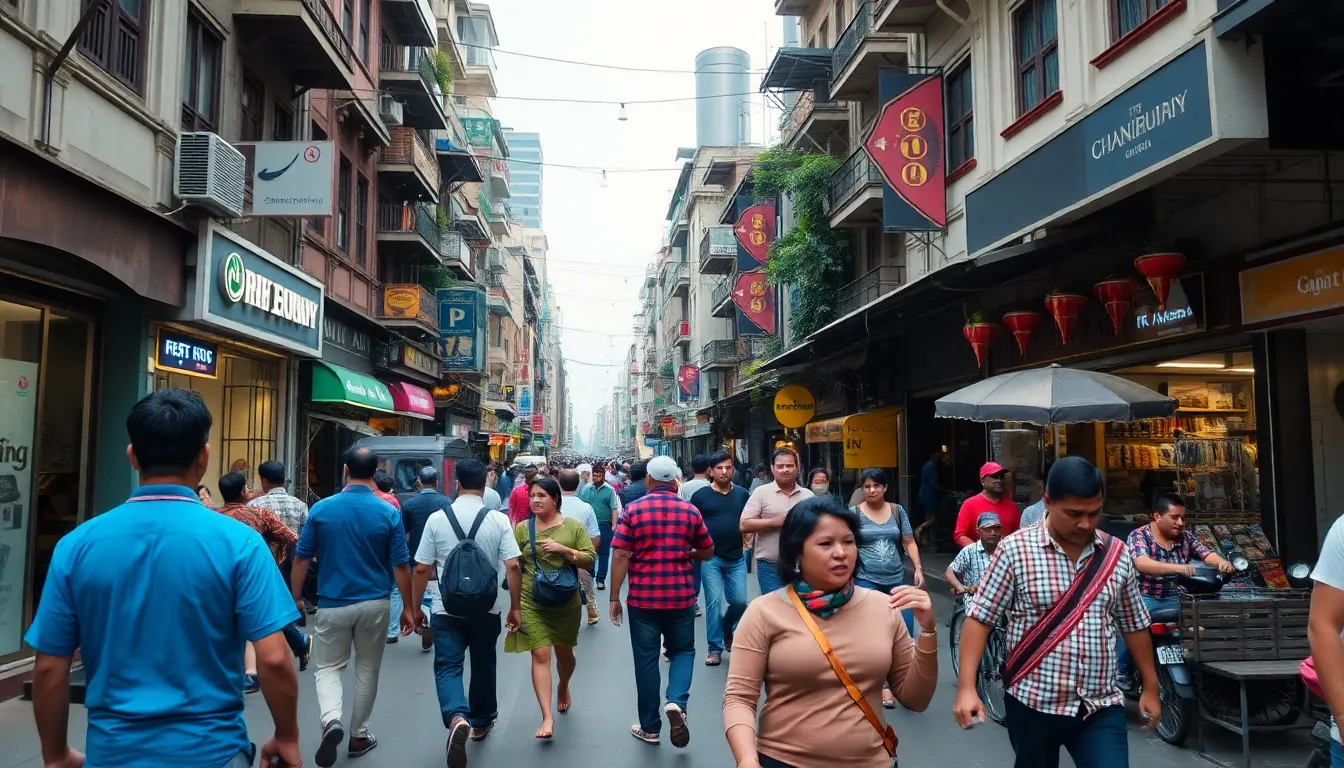
In the short term, daily life for many residents has become more hectic, with traffic congestion and pollution levels rising. Public transport systems are under strain, necessitating urgent policy responses to improve infrastructure. In the mid-term, businesses may benefit from a growing consumer base, but they must also adapt to changing regulations and the need for sustainable practices.
- Risks: Gentrification, increased cost of living, and environmental degradation.
- Opportunities: Economic growth, job creation, and innovation in urban planning.
As Bombay continues to evolve, the balance between development and community well-being will be crucial. Stakeholders must navigate these dynamics to ensure that the benefits of urbanization are shared equitably among all residents.
A: Several factors contributed to Bombay’s growth, including its strategic location for trade, the establishment of the British colonial presence, and the influx of migrants seeking opportunities. A: The fortifications initially served as a defense mechanism but eventually laid the groundwork for urban expansion as the city grew beyond its walls. A: Bombay’s culture has evolved through a blend of various influences, including colonial heritage, diverse communities, and the arts, making it a melting pot of traditions. A: Today, Bombay faces challenges such as overcrowding, infrastructure strain, and socio-economic disparities that need to be addressed for sustainable growth. A: Bombay’s economy is one of the largest in India, often compared to global cities like New York and London, driven by finance, entertainment, and technology sectors.
Frequently Asked Questions about Bombay’s evolution
Key insights and future outlook for Bombay
The transformation of Bombay from a fortified city to a vibrant metropolis reflects a complex interplay of historical, economic, and cultural factors. This evolution highlights the city’s resilience and adaptability, showcasing its ability to integrate diverse influences while maintaining a unique identity. As Bombay continues to grow, understanding these dynamics will be crucial for navigating future challenges and opportunities.
Looking ahead, the ongoing urbanization and globalization present both prospects and hurdles. The city’s infrastructure, housing, and social fabric will require careful management to ensure sustainable development that benefits all residents. Observing these trends will provide valuable insights into the future trajectory of Bombay.
- Monitor the impact of urban planning initiatives on housing affordability and accessibility.
- Watch for shifts in the economic landscape as technology and innovation sectors expand.
- Pay attention to cultural preservation efforts amidst rapid modernization.
- Assess the effectiveness of public transportation improvements on connectivity and congestion.
- Evaluate community engagement in policymaking to foster inclusive growth.