


The layoffs, which represent a significant portion of Oracle’s global workforce, were communicated to employees in early October 2023. This move is part of a larger effort by the company to streamline operations and redirect funding towards AI development, which is seen as a critical area for future growth and competitiveness.
In conjunction with the job cuts, Oracle has indicated an intention to increase its investment in AI initiatives. The company aims to enhance its cloud services and enterprise software offerings by integrating advanced AI capabilities, positioning itself to better compete against rivals such as Microsoft and Amazon, who have also made substantial investments in AI technologies.
The decision to cut jobs while simultaneously ramping up AI spending underscores the ongoing transformation within the tech sector, where automation and intelligent systems are reshaping the workforce landscape. As Oracle navigates these changes, the implications for employees and the broader market will be closely monitored by industry analysts and stakeholders.
Understanding the background of Oracle’s decision
Oracle Corporation, a leading US tech firm, has made headlines recently for its decision to cut thousands of jobs as it pivots towards increased investment in artificial intelligence (AI). This strategic shift is not an isolated incident but rather a reflection of broader trends in the technology sector, where companies are increasingly prioritizing AI capabilities to remain competitive.
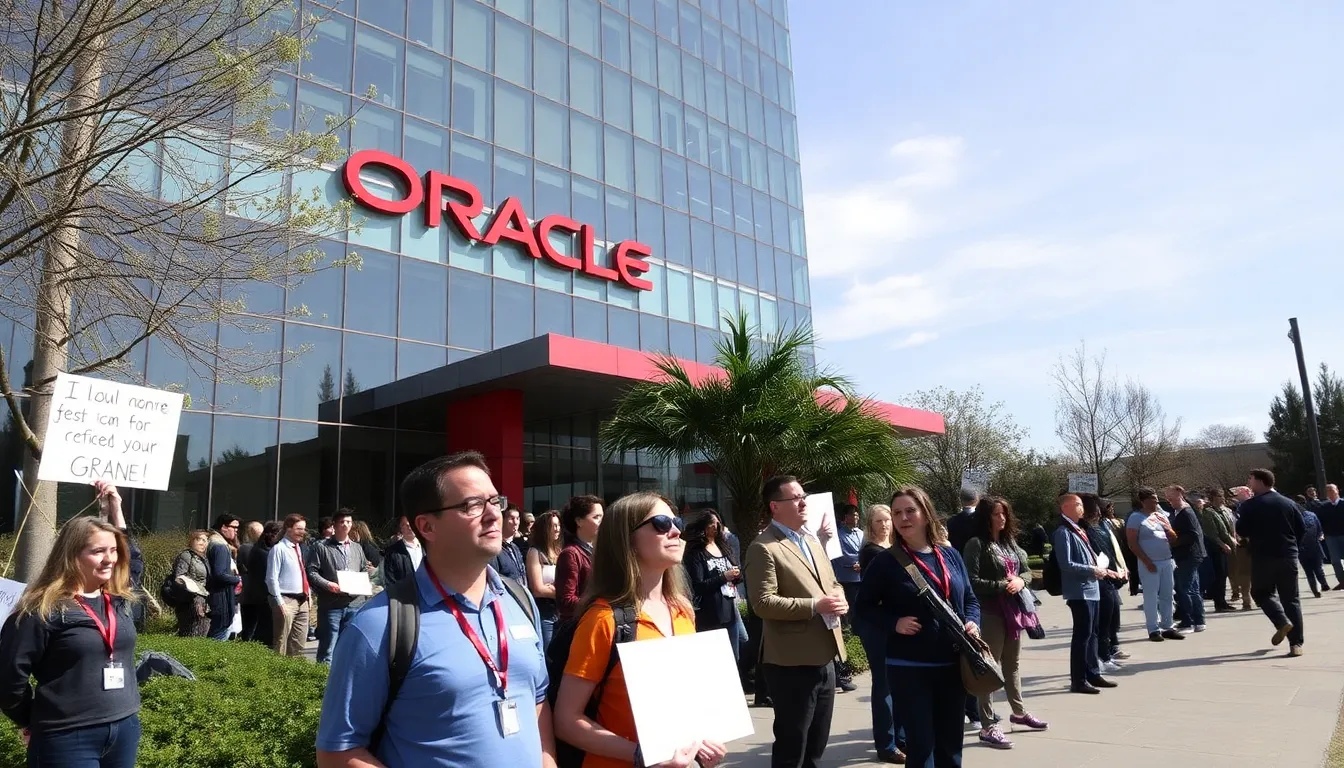
The roots of Oracle’s decision can be traced back to the company’s historical emphasis on software solutions and database management systems. Established in 1977, Oracle has long been a major player in enterprise software, but in recent years, it has faced intensified competition from cloud service providers and AI-focused startups. The rise of cloud computing and AI has prompted Oracle to reevaluate its business model and invest heavily in these areas to secure its market position.
The Rise of AI in the Tech Industry
The surge in AI adoption across various industries has created a pressing need for tech firms to innovate and adapt. Companies like Oracle are under pressure to integrate AI into their offerings to meet customer expectations and enhance operational efficiency. This shift has been accompanied by significant investments in research and development, as firms race to harness AI’s potential. Oracle’s job cuts can be seen as a strategic realignment, reallocating resources toward AI initiatives to ensure long-term growth and sustainability.
Moreover, the economic landscape has played a critical role in shaping Oracle’s decision. The COVID-19 pandemic accelerated digital transformation, compelling businesses to adopt new technologies at an unprecedented pace. As organizations seek to leverage AI for improved decision-making and automation, Oracle’s response reflects a broader trend among tech firms to streamline operations and focus on high-growth areas amidst economic uncertainties.
In conclusion, Oracle’s job cuts and increased AI spending are emblematic of a significant shift in the tech industry. As companies navigate the complexities of technological evolution, Oracle’s actions highlight the necessity of adapting to remain relevant in a rapidly changing environment.
Analyzing the implications for stakeholders in the tech industry
The recent decision by Oracle to cut thousands of jobs while increasing its investment in artificial intelligence (AI) has significant implications for various stakeholders in the tech industry. This move reflects a broader trend among tech firms to pivot towards AI-driven solutions, which can enhance efficiency and reduce operational costs. However, it also raises concerns about job security and the future of the workforce in the technology sector.
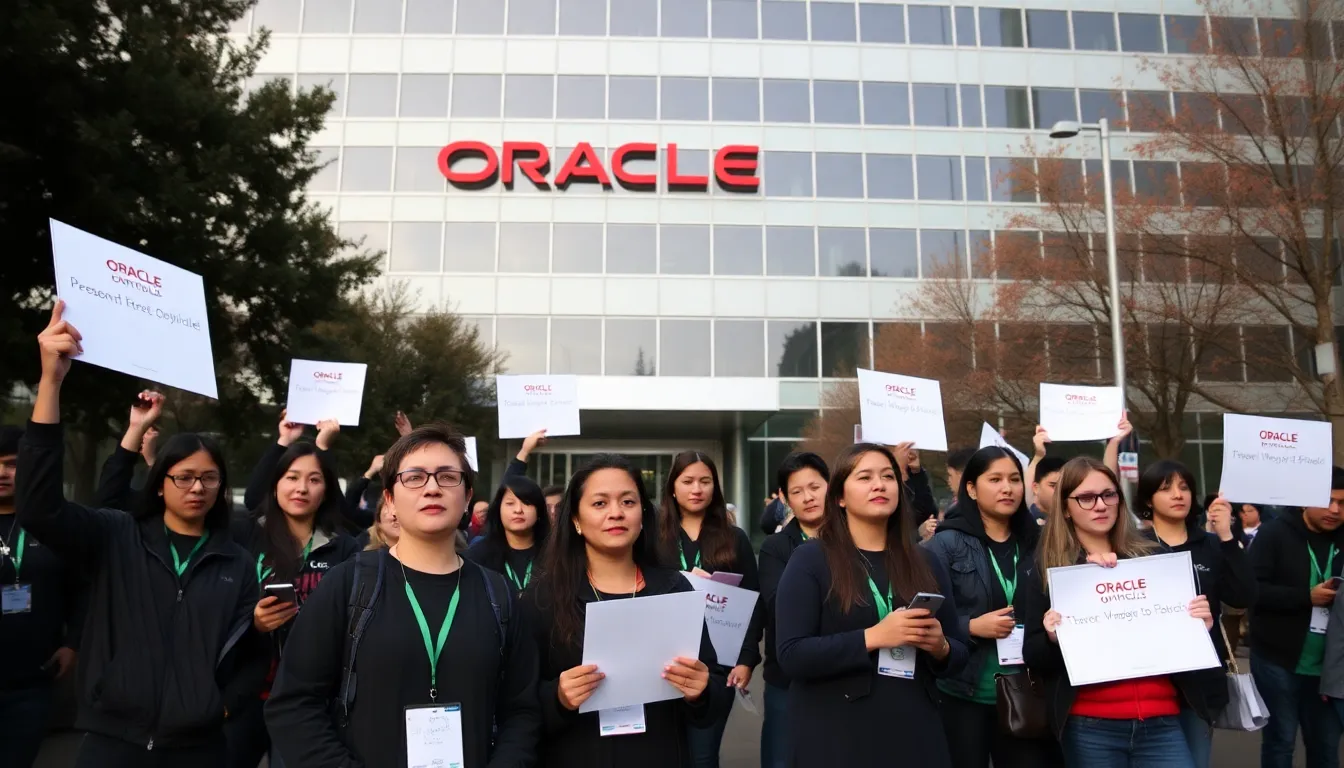
Key actors in this scenario include Oracle’s management, employees, investors, and the broader tech community. Oracle’s management is focused on maintaining competitive advantage and profitability through AI advancements. Employees, on the other hand, face uncertainty as job cuts may lead to morale issues and a loss of talent. Investors are likely to be concerned about the immediate impacts of layoffs on company performance, but may also recognize the potential long-term benefits of Oracle’s strategic shift.
- Job Security: The layoffs could lead to a significant loss of skilled labor, impacting Oracle’s ability to innovate and compete.
- Market Competition: As Oracle reallocates resources towards AI, competitors may be compelled to follow suit, intensifying the race for technological advancement.
- Regulatory Scrutiny: Increased reliance on AI may attract attention from regulators concerned about data privacy and ethical implications.
- Economic Impact: Job losses could ripple through local economies, affecting consumer spending and overall economic health.
- Workforce Transformation: The shift towards AI may necessitate retraining programs for remaining employees, highlighting the need for upskilling in the tech sector.
Furthermore, the legal landscape surrounding AI technology is evolving, with potential implications for intellectual property rights and liability issues. As companies like Oracle invest heavily in AI, they may face challenges related to patent disputes and compliance with emerging regulations. This could create a complex environment where innovation must be balanced with legal considerations.
In summary, Oracle’s strategic shift towards AI and the accompanying job cuts illustrate the intricate dynamics at play within the tech industry. Stakeholders must navigate the challenges and opportunities presented by this transition, weighing the benefits of technological advancement against the potential social and economic costs.
The impact of Oracle’s layoffs on employees and the market
The recent decision by Oracle to cut thousands of jobs primarily affects its workforce in the United States, particularly in technology hubs such as California and Texas. Employees in roles related to cloud services, software development, and customer support are likely to be the most impacted. This move not only disrupts the lives of those directly laid off but also creates ripples through local economies that depend on these jobs.
In the short term, the layoffs may lead to increased unemployment rates in the tech sector, affecting consumer confidence and spending. Many former Oracle employees may struggle to find new positions in a competitive job market, particularly as other tech firms may also be tightening their belts in response to economic uncertainties. This situation could lead to a significant shift in the dynamics of the tech labor market.

Mid-term impacts may include a potential reallocation of talent as skilled workers seek opportunities in emerging fields, particularly those focused on artificial intelligence and machine learning. While this could exacerbate the immediate job loss crisis, it also presents opportunities for innovation and growth in these sectors, as companies may seek to hire experienced professionals to advance their AI initiatives.
- Risks: Increased unemployment, reduced consumer spending, and economic instability in tech-centric regions.
- Opportunities: Talent migration to AI sectors, growth in tech startups, and potential advancements in technology.
Furthermore, the layoffs may prompt policymakers to reevaluate support for the tech industry, potentially leading to new initiatives aimed at workforce retraining and job creation. As Oracle shifts its focus towards AI, other companies may follow suit, leading to a broader transformation in the tech landscape that could redefine the future of work in the industry.
A: Oracle is cutting jobs to streamline operations and redirect resources towards artificial intelligence initiatives, which are becoming increasingly critical in the tech landscape. A: Oracle has announced that it will lay off thousands of employees, although the exact number has not been disclosed yet. A: Affected employees may receive severance packages and support in finding new employment, but specific details have yet to be confirmed by Oracle. A: By focusing on AI, Oracle aims to remain competitive in the rapidly evolving tech industry, potentially positioning itself as a leader in AI-driven solutions. A: Stakeholders have expressed mixed feelings, with some supporting the shift towards AI while others are concerned about the job losses and their implications for company culture.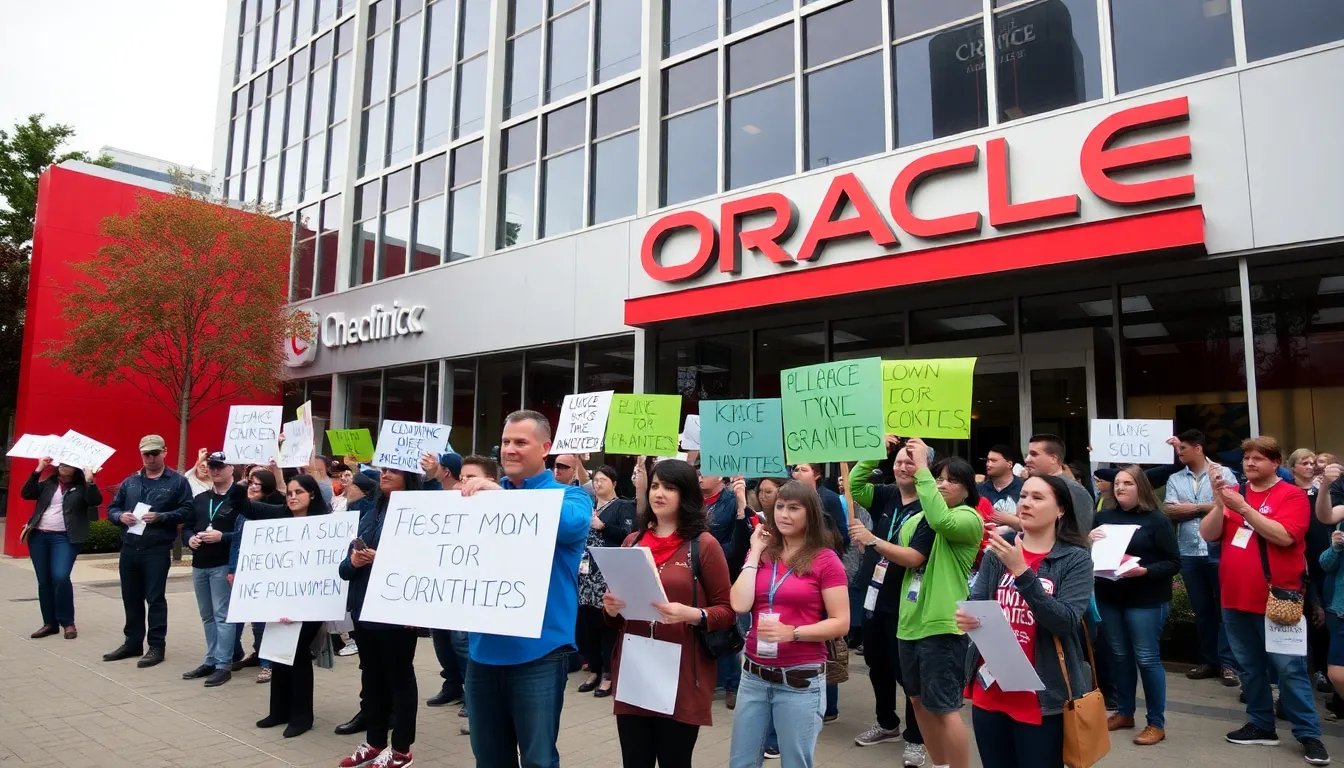
Frequently asked questions about Oracle’s job cuts
Key takeaways and future outlook for Oracle and AI investments
Oracle’s recent decision to cut thousands of jobs while increasing its investment in artificial intelligence marks a significant shift in its operational strategy. This move not only reflects the company’s commitment to adapting to the rapidly evolving tech landscape but also highlights the competitive pressure to innovate and integrate AI solutions across its offerings. As Oracle reallocates resources towards AI, it is essential to consider the broader implications for its workforce, market position, and the technology sector as a whole.
With a renewed focus on AI, Oracle may enhance its product capabilities, potentially leading to improved customer experiences and new revenue streams. However, the job cuts raise questions about employee morale and the company’s ability to attract top talent in a competitive market. Observers should closely monitor how these changes impact Oracle’s performance and its strategic partnerships moving forward.
- Oracle’s shift towards AI investment may lead to enhanced product offerings, potentially increasing market competitiveness.
- The job cuts could affect employee morale and retention, impacting Oracle’s ability to innovate and attract new talent.
- Stakeholders should watch for shifts in Oracle’s partnerships and collaborations within the AI ecosystem.
- Investors may see fluctuating stock performance as Oracle navigates this transitional phase.
- The tech industry may experience broader implications as companies follow Oracle’s lead in prioritizing AI over traditional workforce structures.