


NASA has emphasized the importance of this mission not only for lunar exploration but also for future Mars missions. The Artemis II crew will conduct a flyby of the Moon, testing the spacecraft’s systems and capabilities in deep space. This mission is seen as a critical precursor to Artemis III, which aims to land astronauts on the lunar surface.
In preparation for their mission, the astronauts have been engaging in extensive simulations and training at NASA’s Johnson Space Center in Houston. They are also participating in public outreach efforts to share their experiences and the mission’s goals with a wider audience. This engagement is vital for fostering public interest and support for NASA’s Artemis program.
As the launch date approaches, the team is focused on finalizing the spacecraft’s systems and ensuring all safety protocols are in place. The Artemis II mission represents a collaborative effort involving multiple NASA centers and commercial partners, highlighting the agency’s commitment to innovation and exploration. The excitement surrounding this mission reflects a renewed global interest in lunar exploration and the potential for future human presence on other celestial bodies.
Understanding the significance of the Artemis program in lunar exploration
The Artemis program, initiated by NASA, marks a pivotal moment in the history of space exploration, aiming to return humans to the Moon for the first time since the Apollo missions of the late 1960s and early 1970s. This ambitious endeavor is not merely a nostalgic trip down memory lane; it represents a renewed commitment to lunar exploration and serves as a stepping stone for future missions to Mars and beyond. With the Artemis II crew preparing for their journey, the significance of this mission is beginning to resonate with both the public and the scientific community, much like other landmark events in space exploration.
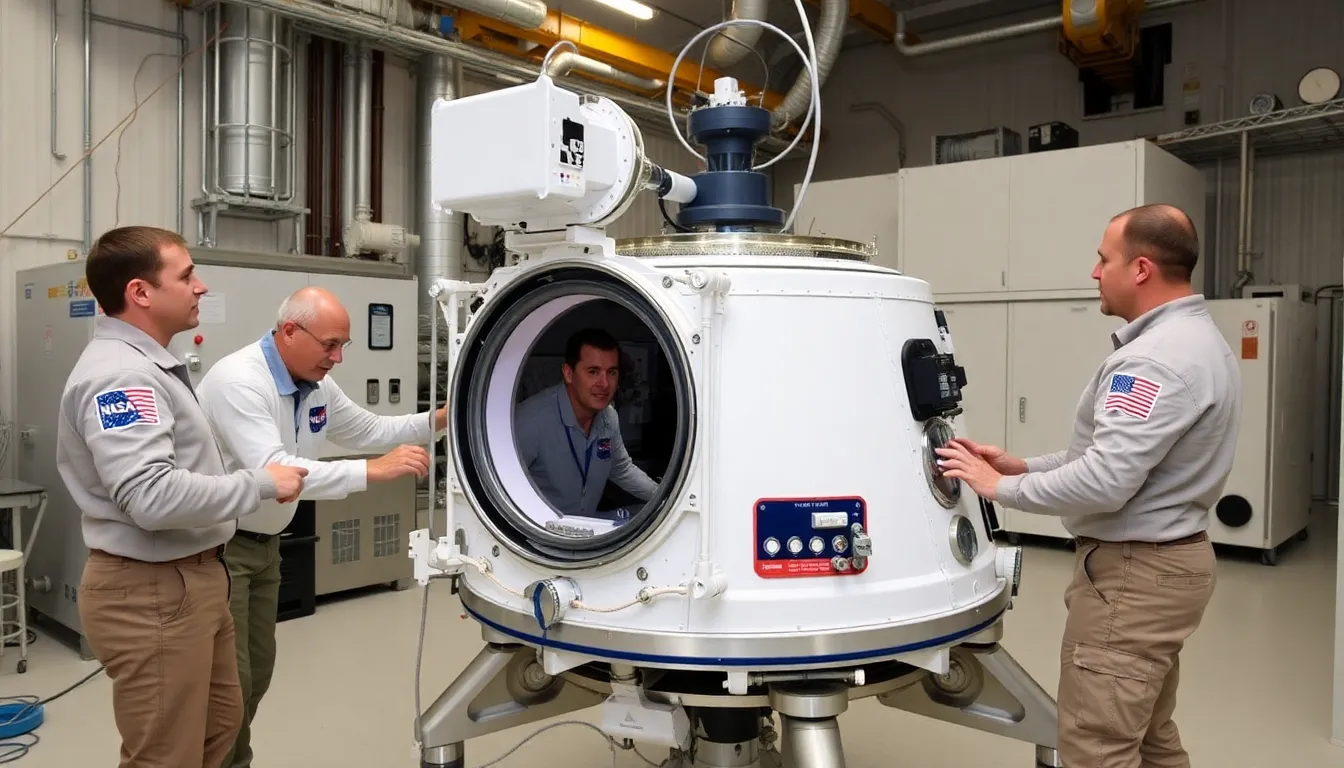
The roots of the Artemis program can be traced back to the challenges and triumphs of the Apollo program, which successfully landed astronauts on the Moon from 1969 to 1972. The Apollo missions demonstrated the potential of human spaceflight and ignited a global interest in space exploration. However, after Apollo, U.S. lunar ambitions waned, leading to a prolonged period of limited human exploration beyond low Earth orbit. The Artemis program seeks to reignite that spirit of exploration and innovation, addressing not only the technical challenges but also the political and economic factors that influence space policy.
Key milestones in lunar exploration
In recent years, several key milestones have set the stage for the Artemis program. In 2017, the U.S. government reaffirmed its commitment to returning humans to the Moon through the National Space Policy, emphasizing the importance of lunar exploration for scientific discovery and international leadership in space. The establishment of the Artemis program in 2019 further solidified this intent, with goals to land the first woman and the next man on the lunar surface by 2024.
The Artemis missions are not just about reaching the Moon; they also aim to establish a sustainable human presence there by the end of the decade. This involves the development of the Lunar Gateway, a space station that will orbit the Moon and serve as a hub for lunar operations. Additionally, collaborations with international partners and private companies are integral to the program, reflecting a shift in how space exploration is conducted in the 21st century. These partnerships are essential for sharing the financial burden and technological expertise required to achieve ambitious goals.
As the Artemis II crew prepares for their mission, the excitement surrounding their journey underscores a broader societal interest in space exploration. With advancements in technology and a renewed focus on scientific research, the Artemis program not only aims to accomplish its lunar objectives but also to inspire future generations to look beyond our planet and explore the cosmos.
Key stakeholders and challenges facing the Artemis II mission
The Artemis II mission, a pivotal step in NASA’s goal to return humans to the Moon, involves a diverse array of stakeholders, each with unique interests and concerns. The primary actors include NASA, international space agencies, private aerospace companies, and various governmental bodies. Each stakeholder plays a role in shaping the mission’s objectives and outcomes.
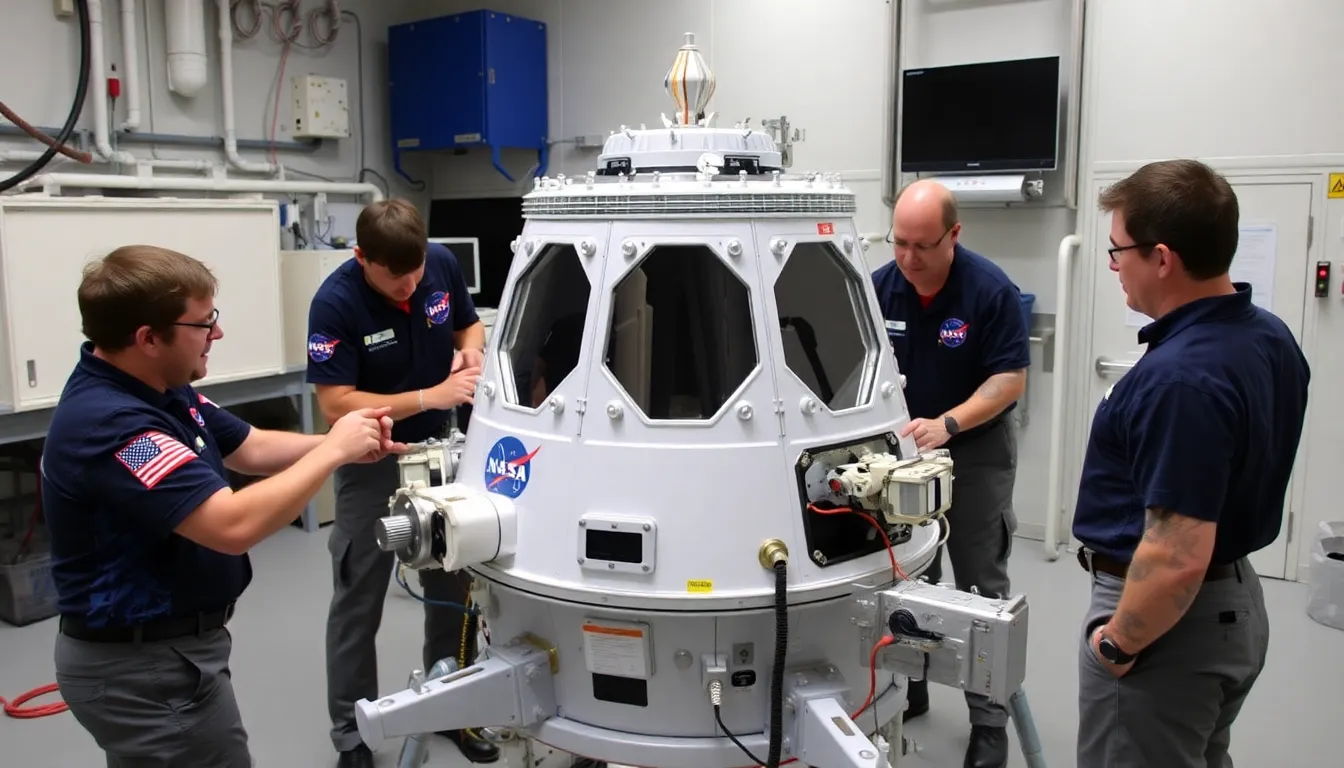
Nasa, as the leading agency, aims to demonstrate its capabilities in deep space exploration while fostering international collaboration. The agency’s commitment to safety and scientific advancement drives its mission planning and execution. Meanwhile, international partners such as the European Space Agency (ESA) and the Canadian Space Agency (CSA) seek to enhance their own space exploration credentials and contribute to global scientific knowledge.
Private aerospace companies, such as SpaceX and Boeing, are integral to the Artemis II mission, providing technology and support. Their interests lie in securing contracts, advancing their technological capabilities, and positioning themselves as leaders in the burgeoning space economy. However, this collaboration can lead to conflicts over intellectual property rights and profit-sharing agreements.
- Funding and Budget Constraints: Ensuring adequate funding for the mission amidst fluctuating government budgets presents a significant challenge.
- Regulatory and Legal Issues: Navigating international space law and compliance with various national regulations can complicate mission planning.
- Technological Dependencies: Reliance on commercial partners for critical technology raises concerns about reliability and accountability.
- Public Interest and Support: Maintaining public enthusiasm and support for space exploration is vital for ongoing funding and political backing.
- Safety and Risk Management: Ensuring astronaut safety and mission success in the face of inherent risks associated with deep space travel is paramount.
As the Artemis II mission progresses, these stakeholders must navigate a complex landscape of interests and challenges. The interplay between public and private sectors, along with international collaboration, will significantly impact the mission’s success and the future of lunar exploration.
The potential impact of Artemis II on future space missions and technology
The Artemis II mission represents a significant milestone not only for NASA but for various sectors and communities involved in space exploration. Key groups affected include aerospace companies, research institutions, and even educational organizations that focus on STEM (Science, Technology, Engineering, and Mathematics) fields. The mission’s success could lead to a renewed interest in space exploration, influencing a wide array of industries and regions.
In the short term, the Artemis II mission is likely to stimulate local economies around launch sites, particularly in areas like Florida and Texas, where NASA facilities are located. Businesses in hospitality, transportation, and retail may experience a surge in demand as spectators and supporters flock to witness the launch. Additionally, the mission may prompt increased funding for educational programs aimed at inspiring the next generation of scientists and engineers.
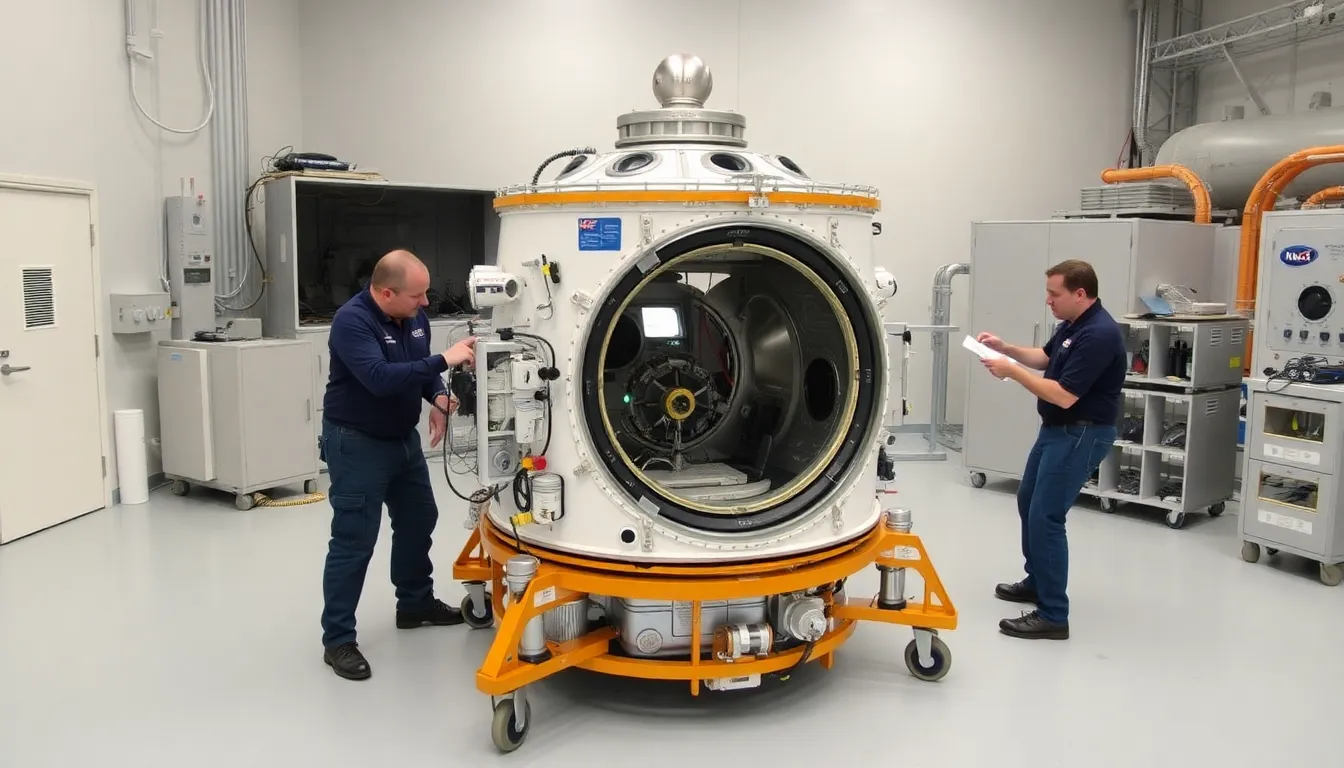
Mid-term impacts could include advancements in technology stemming from the mission’s requirements, which may benefit both commercial and government sectors. Innovations in materials science, robotics, and telecommunications could emerge as a result of the challenges faced during the mission. These advancements may also translate into improved technologies for everyday use, such as enhanced communication systems and more efficient energy solutions.
- Opportunities: Growth in the aerospace industry, increased investments in STEM education, and development of new technologies.
- Risks: Potential budget overruns, public skepticism about space missions, and environmental concerns related to rocket launches.
Moreover, the Artemis II mission could reshape public policy regarding space exploration and funding. Policymakers may be prompted to allocate more resources toward space initiatives, recognizing their potential for economic growth and technological innovation. This shift could lead to new partnerships between government agencies and private companies, fostering a collaborative atmosphere in the quest for deeper space exploration.
A: The primary goal of Artemis II is to conduct a crewed mission around the Moon, testing systems and preparing for future lunar landings. A: Artemis II is currently scheduled for launch in 2024, following the successful completion of Artemis I. A: The Artemis II crew includes astronauts from NASA and international partners, selected for their expertise and experience in space missions. A: Artemis II will help develop technologies and operational procedures that will be essential for future crewed missions to Mars. A: The crew faces various challenges, including rigorous training, system testing, and ensuring safety protocols are in place for the mission.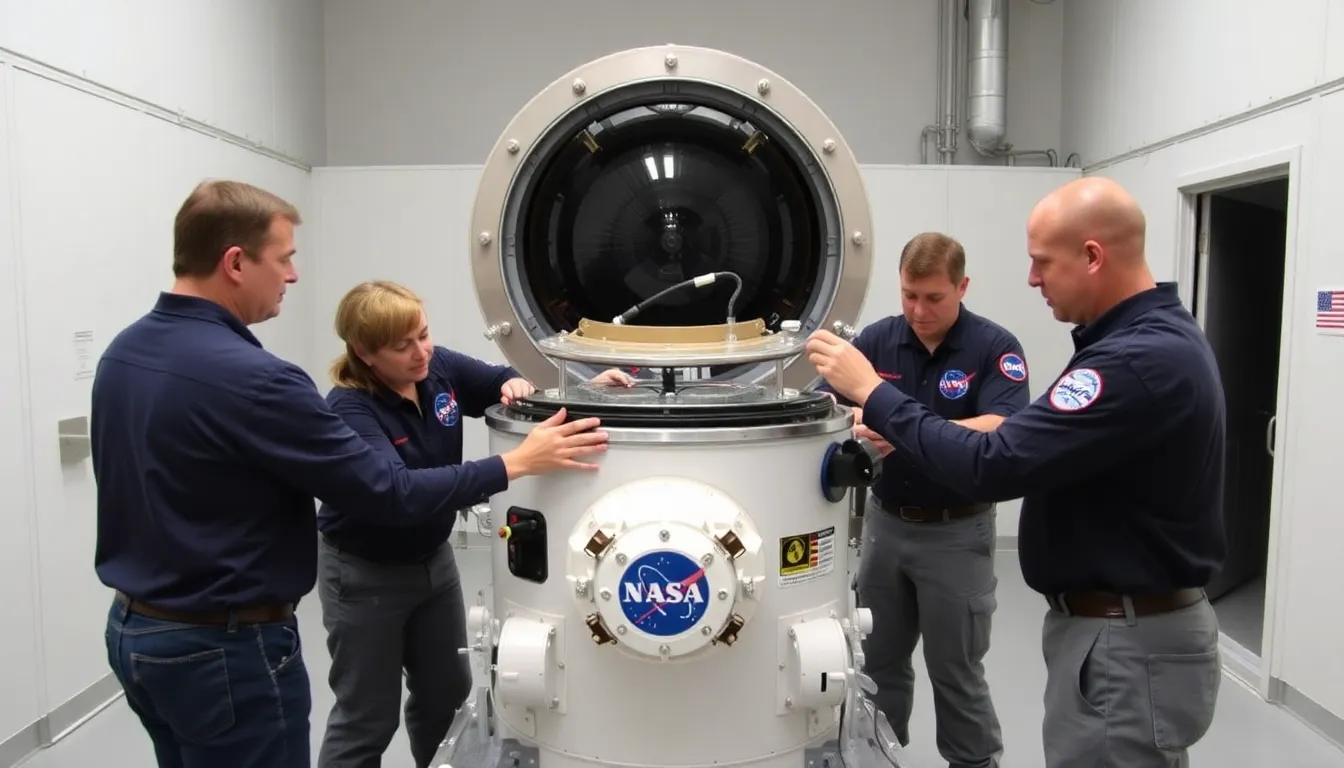
Frequently Asked Questions about Artemis II
Looking ahead: the future of lunar exploration with Artemis II
The Artemis II mission marks a significant step forward in NASA’s plans for lunar exploration, bringing humanity closer to a sustainable presence on the Moon. As the crew prepares for their journey, the implications of this mission extend beyond just the technical achievements; they signal a renewed commitment to space exploration and international collaboration.
With the Artemis II crew set to embark on their mission, several key factors will shape the future of lunar exploration. The success of this mission will not only demonstrate the capabilities of the Orion spacecraft but also pave the way for future missions aimed at establishing a permanent human presence on the Moon and, eventually, Mars.
- International Collaboration: Watch for increased partnerships between NASA and other space agencies, which could enhance technological advancements and resource sharing.
- Sustainable Lunar Presence: The Artemis II mission is a precursor to long-term lunar habitation, setting the stage for future missions that aim to establish a base on the Moon.
- Technological Innovations: Expect advancements in spacecraft technology and life support systems that will arise from the challenges faced during the mission.
- Public Engagement: The excitement surrounding Artemis II could lead to greater public interest and investment in space exploration initiatives.
- Future Mars Missions: The lessons learned from Artemis II will be critical in shaping NASA’s approach to human exploration of Mars in the coming decades.