


According to a survey conducted by the National Restaurant Association in early 2023, 60% of couples reported that they prefer ordering in rather than going out for meals. This preference is attributed to factors such as convenience, cost-effectiveness, and the comfort of enjoying a meal at home. The rise of popular food delivery platforms like DoorDash, Uber Eats, and Grubhub has made it easier for couples to access a variety of cuisines without leaving their residences.
Additionally, the trend reflects broader societal changes, as many individuals are now more focused on creating intimate home environments. With the rise of streaming services and remote work, couples find themselves more inclined to enjoy cozy nights in rather than navigating crowded restaurants. This shift not only impacts the dining industry but also influences how relationships are nurtured in a post-pandemic world. In this context, understanding consumer behavior becomes increasingly important.
As food delivery services continue to thrive, restaurants are adapting by enhancing their takeout options and marketing strategies. Some establishments are even creating special meal kits designed for couples, aiming to replicate the dining experience at home. This evolution indicates a significant transformation in consumer behavior, highlighting the importance of convenience and personal preferences in modern relationships.
The rise of food delivery services and its impact on dating culture
In recent years, the landscape of dating has evolved significantly, influenced heavily by the advent of food delivery services. These platforms, which gained traction in the early 2010s, have changed not only how couples dine but also how they spend quality time together. Traditionally, dates involved going out to restaurants, but as food delivery became more accessible and convenient, many couples began opting for cozy nights in instead.
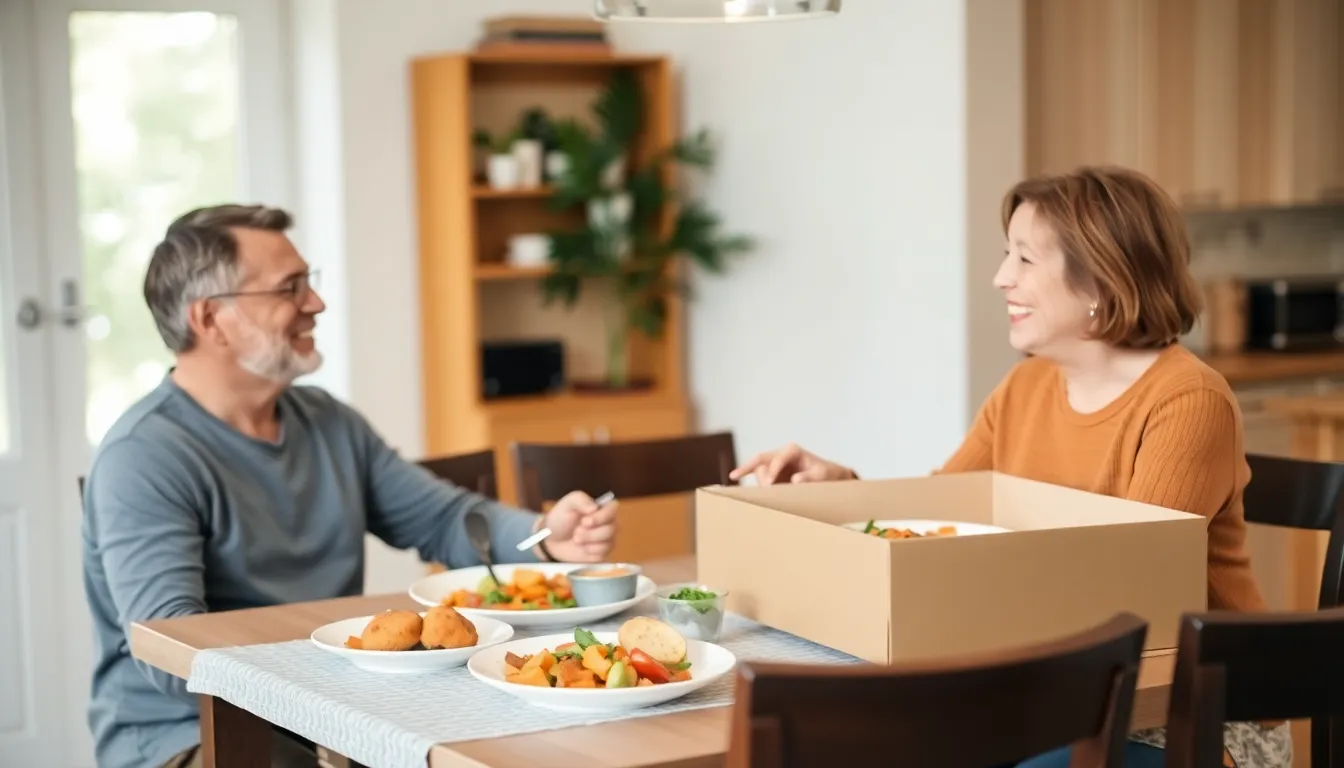
The shift towards food delivery can be traced back to several societal changes. The fast-paced lifestyle of modern life, combined with the rise of technology, has made it easier for people to prioritize convenience over traditional dating norms. Apps like Uber Eats, DoorDash, and Grubhub have capitalized on this trend, allowing couples to enjoy a wide variety of cuisines from the comfort of their homes, often at a fraction of the cost of dining out.
Furthermore, the COVID-19 pandemic accelerated this trend, as lockdowns and social distancing measures forced many to rethink their dating habits. With restaurants closed or operating at limited capacity, couples turned to food delivery as a safe alternative for enjoying meals together. This new norm has persisted even as restrictions eased, with many couples finding comfort in the familiarity and simplicity of ordering in.
Changing perceptions of intimacy
The rise of food delivery services has also transformed perceptions of intimacy and togetherness. Where once a dinner date was a crucial element of courtship, now sharing a meal at home, even if delivered, can be seen as equally meaningful. This shift reflects broader changes in how relationships are developed and maintained in an increasingly digital world, where convenience often trumps tradition. To explore more about these evolving dynamics, check out our article on transporting substances and the impact on modern culture.
As this trend continues, it raises questions about the future of dating culture. Will couples continue to prioritize home-cooked meals and takeout over restaurant outings, or will there be a resurgence of traditional dating practices as life returns to normal? The answer may lie in the balance between the convenience of food delivery and the desire for shared experiences that come with dining out.
Exploring the reasons behind this shift in dating preferences
As couples navigate their relationships in an increasingly fast-paced world, many are opting for food delivery services over traditional dining experiences. This trend reflects a broader change in social dynamics and consumer behavior, influenced by various stakeholders, including restaurants, delivery services, and the couples themselves.
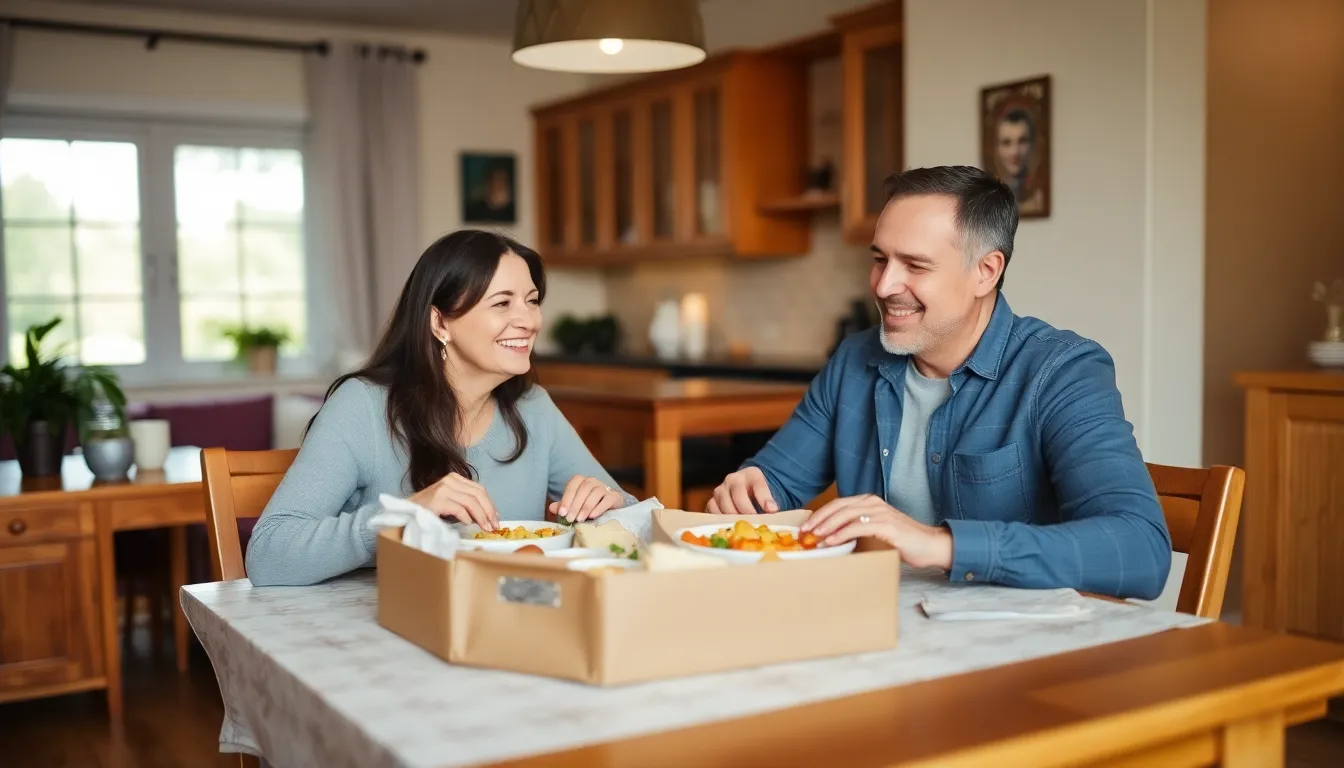
Restaurants and food delivery platforms are key players in this scenario. Their interests lie in maximizing profits and customer engagement. With the rise of food delivery apps, restaurants have adapted their business models to cater to this demand, often providing exclusive deals or promotions for delivery orders. This shift can create a conflict of interest, as traditional dining experiences may suffer from reduced patronage.
On the other hand, couples are seeking convenience and comfort. The allure of enjoying a meal at home, combined with the ease of ordering online, often outweighs the desire for a night out. However, this trend raises questions about the impact on the dining industry and the social fabric of relationships, as shared meals in restaurants often serve as bonding experiences.
- Economic Factors: The cost of dining out versus ordering in can influence couples’ decisions, especially in the context of rising living expenses.
- Health Considerations: Many couples are becoming more health-conscious and may prefer to order from restaurants that offer healthier options for delivery.
- Time Constraints: Busy lifestyles make food delivery a more appealing option for couples who struggle to find time for traditional dates.
- Technology Influence: The increasing reliance on technology for daily tasks has made food delivery services more accessible and appealing.
As these dynamics evolve, the potential for conflict between the interests of various stakeholders becomes evident. Restaurants may need to innovate to attract diners back, while couples must navigate the implications of their choices on their relationships and social interactions. The balance between convenience and the experience of dining out will likely continue to shape the future of dating and social engagement.
How this trend affects restaurants and the food delivery market
The shift towards food deliveries in place of traditional dates is reshaping the landscape for various stakeholders in the restaurant and food delivery sectors. Couples opting for the convenience of home dining are impacting not only local eateries but also larger food delivery platforms. This trend particularly resonates in urban areas where busy lifestyles make dining out less feasible.
In the short term, restaurants may experience a decline in dine-in customers, prompting them to rethink their business models. Many establishments may pivot to enhance their takeout and delivery services, possibly leading to a surge in partnerships with delivery apps. This could result in a more competitive market as restaurants strive to offer unique delivery experiences to attract customers.
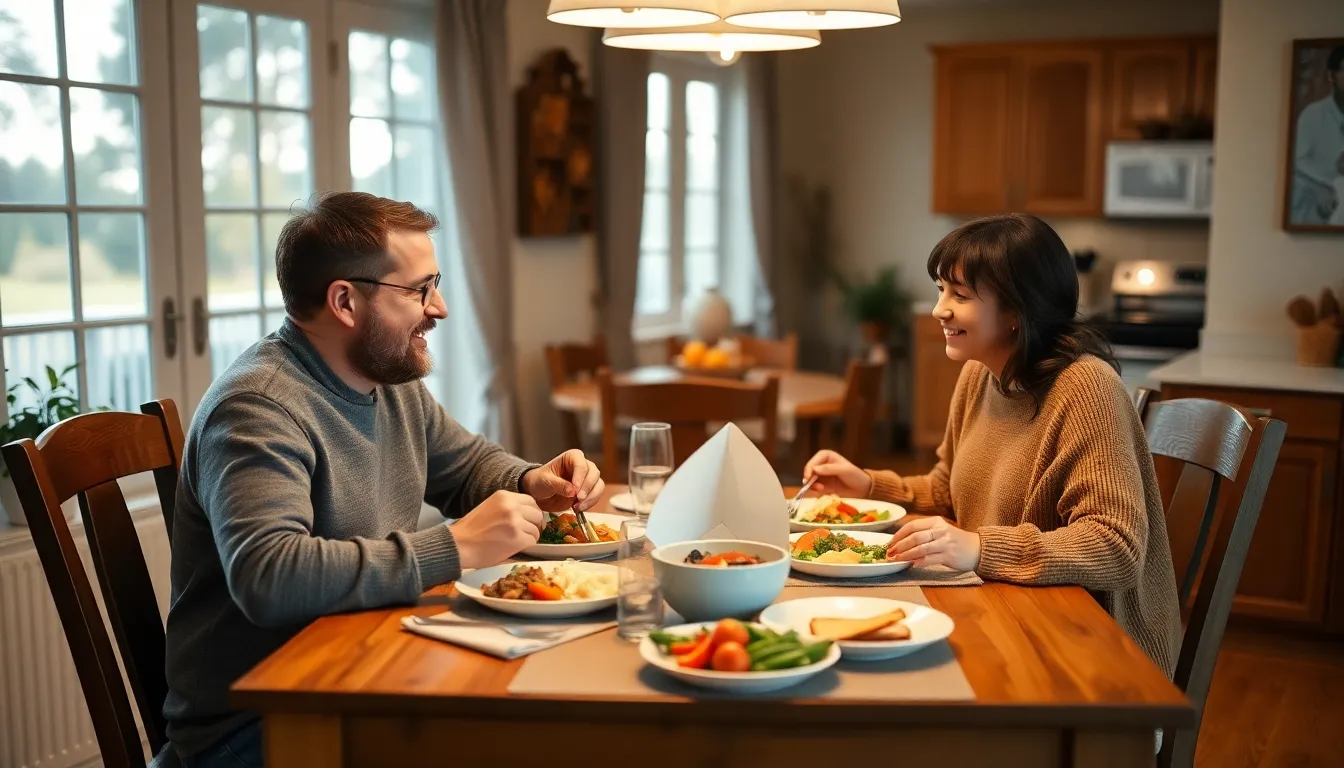
Mid-term effects may include a significant shift in consumer preferences, as more people become accustomed to the convenience of food delivery. This could lead to a potential decline in restaurant foot traffic, forcing some to close their doors permanently. However, it also opens up opportunities for restaurants to innovate their menus and packaging specifically for delivery, potentially increasing their market reach.
- Risks: Decline in dine-in revenue, increased competition among delivery services, potential restaurant closures.
- Opportunities: Growth in delivery partnerships, menu innovation, expanded customer base.
Regions with a higher concentration of young couples and professionals may see a more pronounced impact, as these demographics are often more inclined to embrace food delivery services. Policymakers may also need to consider regulations surrounding food delivery logistics and safety as the industry evolves to meet changing consumer demands.
A: Many couples find food deliveries more convenient and cost-effective. Additionally, the comfort of home allows for a more relaxed atmosphere. A: The pandemic has led to increased reliance on food delivery services due to safety concerns, making it a preferred option for many couples. A: Some argue that it may lead to a lack of social interaction and reduce the experience of dining out, which can be an important aspect of dating. A: Popular cuisines for delivery include pizza, sushi, and Asian dishes, as they tend to travel well and maintain quality. A: It is likely that the trend will persist as more couples embrace the convenience of food delivery, but the balance with traditional dining experiences may also evolve.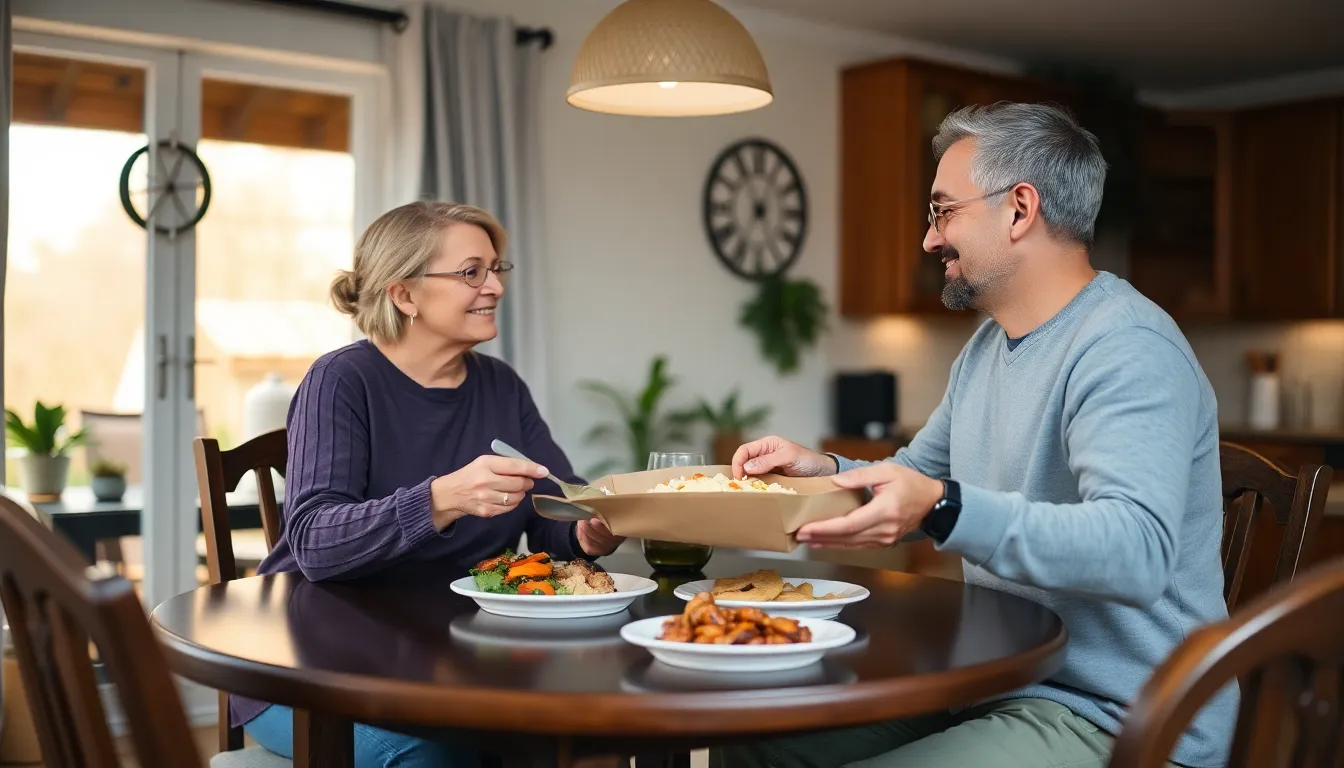
Frequently Asked Questions about this dating trend
Key takeaways and future outlook on dating habits
The shift towards food deliveries as a preferred option for couples highlights changing social dynamics and preferences in how relationships are nurtured. As busy lifestyles and the convenience of technology reshape traditional dating practices, it is essential to consider the implications for relationship quality and intimacy. Couples may find themselves prioritizing comfort and efficiency over the experience of going out, which could lead to new forms of connection and interaction.
Looking ahead, it will be crucial to monitor how this trend evolves and what it means for the future of dating. As couples embrace these changes, they may also seek ways to enhance their shared experiences, even within the confines of their homes.
- Expect a rise in creative at-home date ideas that incorporate food delivery, blending convenience with personal touch.
- Watch for the emergence of subscription services that cater specifically to couples looking for unique dining experiences at home.
- Consider the potential impact on relationship dynamics, as reliance on delivery services may alter communication and engagement patterns.
- Observe how social media influences couples to showcase their at-home dining experiences, potentially redefining what constitutes a ‘date’.
- Anticipate an increase in partnerships between restaurants and delivery services aimed at enhancing the couple dining experience at home.