


Among the key players are nations like Australia, China, and the United States, each contributing resources and expertise to advance their research goals. These collaborations are crucial as the Antarctic region serves as a critical indicator of global climate trends, with melting ice sheets and shifting wildlife patterns drawing increasing attention from scientists worldwide.
However, one notable absence is the participation of certain countries that have historically played significant roles in Antarctic research. Their sidelining raises questions about international cooperation in this fragile environment and the implications for global climate policy.
The expedition is also set against the backdrop of geopolitical tensions, with territorial claims and resource exploration becoming contentious issues. As nations navigate these complex dynamics, the outcomes of this expedition could influence future agreements and research initiatives in the region.
With the expedition expected to last several months, the findings will likely be pivotal in shaping our understanding of climate change impacts and informing policy decisions. The results are anticipated to be released in early 2024, drawing global attention to the ongoing challenges facing Antarctica and its ecosystems.

Understanding the historical significance of Antarctic exploration
The quest for Antarctica has long been intertwined with broader narratives of exploration, scientific discovery, and geopolitical rivalry. Since the early 20th century, nations have sought to claim a stake in this remote continent, spurred by its vast resources and strategic importance. The first successful expedition to reach the South Pole was led by Roald Amundsen in 1911, marking a pivotal moment in the annals of exploration. This achievement not only showcased human endurance and ingenuity but also ignited international interest in the region.
As the 20th century progressed, the geopolitical landscape shifted dramatically, particularly during the Cold War. The Antarctic Treaty, signed in 1959 and entering into force in 1961, established the continent as a zone of peace and scientific cooperation, effectively freezing territorial claims. This treaty was a significant milestone, as it represented a collective agreement among nations to prioritize research over competition, fostering a spirit of collaboration that has persisted for decades. However, the treaty also laid the groundwork for tensions, as nations began to navigate the complexities of resource exploration and environmental concerns.
The Economic Stakes of the Antarctic
In recent years, the economic allure of Antarctica has become increasingly pronounced. With potential reserves of oil, gas, and minerals, the continent has attracted the attention of various nations eager to capitalize on these resources. However, the Antarctic Treaty Protocol on Environmental Protection, established in 1991, imposes strict regulations on mineral resource activities, complicating any economic ambitions. This has led to a delicate balance between conservation efforts and the pursuit of national interests, with some countries feeling sidelined in the ongoing negotiations and discussions.
The current geopolitical climate further complicates the situation, as nations like China and Russia have ramped up their presence in the region, conducting scientific research and establishing bases. Meanwhile, other nations, particularly those with historical ties to Antarctic exploration, grapple with the implications of being sidelined in this burgeoning race for influence and resources. As the global focus on climate change intensifies, the stakes in Antarctica are higher than ever, making it a focal point for both scientific inquiry and international diplomacy.
Key stakeholders and their roles in the Antarctic quest
The Antarctic region is a focal point for various nations, organizations, and interest groups, each with distinct objectives and influences. The primary actors in this scenario include national governments, scientific communities, environmental organizations, and private sector entities. Their interactions and differing priorities shape the ongoing discourse surrounding Antarctic exploration and governance.
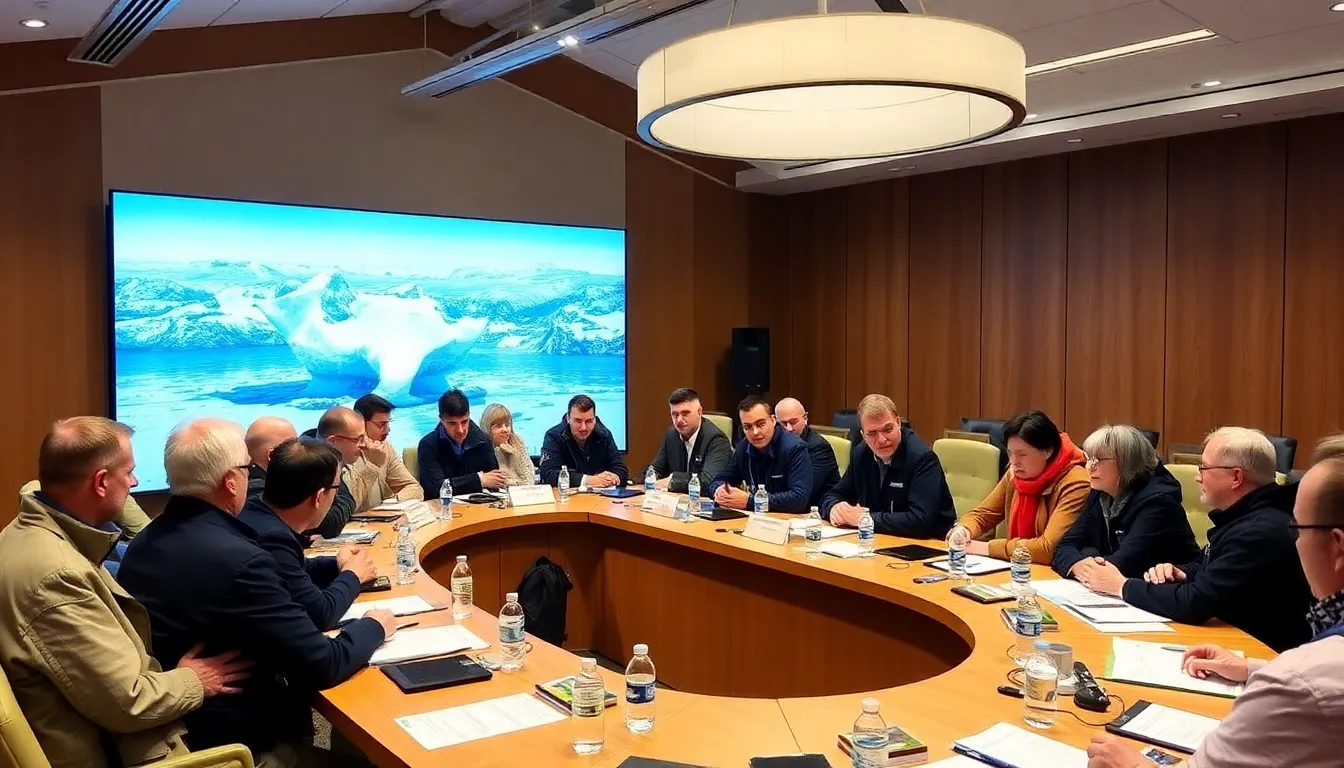
One of the most significant stakeholders is the Antarctic Treaty System (ATS), which comprises multiple countries that have signed the treaty, including the United States, Russia, and several European nations. The ATS aims to preserve Antarctica for peaceful and scientific purposes, emphasizing international cooperation. However, the interests of these nations often conflict, particularly regarding resource exploration and environmental protection.
In addition to national interests, various environmental organizations play a crucial role in advocating for the protection of Antarctic ecosystems. Groups such as Greenpeace and the World Wildlife Fund focus on raising awareness about the potential impacts of climate change and industrial activities in the region. Their campaigns often challenge governmental policies and push for stricter regulations to safeguard the unique biodiversity of Antarctica.
- Resource Exploration: Nations are increasingly interested in the mineral and oil reserves beneath the Antarctic ice, leading to tensions over rights to exploit these resources.
- Scientific Research: Countries invest in research stations to study climate change effects, which can sometimes lead to competition for funding and access to research areas.
- Environmental Protection: There is a growing call for stronger legal frameworks to protect the Antarctic environment from potential exploitation and ecological damage.
- Geopolitical Interests: The strategic importance of Antarctica is rising, with nations vying for influence over territorial claims and resource access.
Furthermore, the involvement of private companies in the Antarctic quest introduces another layer of complexity. These entities often seek to capitalize on emerging opportunities, such as tourism and resource extraction, which can lead to conflicts with both national interests and environmental protections. Balancing economic ambitions with ecological preservation remains a significant challenge for all stakeholders involved.
Who is affected by the Antarctic exploration and how
The ambitious Antarctic quest has far-reaching implications for various groups, industries, and regions. Primarily, countries with vested interests in polar research, environmental conservation, and resource extraction are directly impacted. This includes nations like Australia, New Zealand, and those within the European Union, which have established research bases and environmental policies that could be influenced by new discoveries and territorial claims.
In the short term, local businesses in regions adjacent to the Antarctic, such as tourism operators in South America and Australia, may experience fluctuations in demand. Increased interest in Antarctic expeditions could lead to a boost in tourism, while concerns about environmental impact may deter some travelers. Additionally, shipping industries may see changes in routes and regulations as nations vie for control over new shipping lanes opened by melting ice.

Mid-term impacts could extend to policy changes as countries reassess their strategies regarding climate change and resource management. The potential for oil and mineral extraction in the Antarctic region raises ethical and environmental questions that could lead to stricter regulations or international agreements aimed at protecting fragile ecosystems. This could affect industries such as mining and fishing, particularly those that rely on sustainable practices.
- Environmental Groups: Increased advocacy for conservation efforts and stricter regulations.
- Tourism Industry: Potential growth in Antarctic tourism and associated economic benefits.
- Shipping and Logistics: Changes in shipping routes and increased demand for ice-capable vessels.
- Research Institutions: Opportunities for new scientific collaborations and funding.
Risks associated with the Antarctic exploration include geopolitical tensions as nations assert claims over territory and resources. The potential for environmental degradation poses a significant threat to global ecosystems, which could lead to long-term repercussions for climate change. Conversely, opportunities for innovation in sustainable practices and technologies could arise as countries seek to balance exploration with conservation efforts.
A: The primary goal is to conduct scientific research and explore the effects of climate change in the region. A: The nation that is on the sidelines has been historically involved in Antarctic research but has not participated in this particular quest. A: The sidelined nation is evaluating its options for future participation and may increase its funding for Antarctic research initiatives. A: The exclusion of one nation could lead to geopolitical tensions and affect collaborative research efforts in the Antarctic region. A: International law, primarily the Antarctic Treaty System, regulates activities in Antarctica to ensure peaceful and scientific use.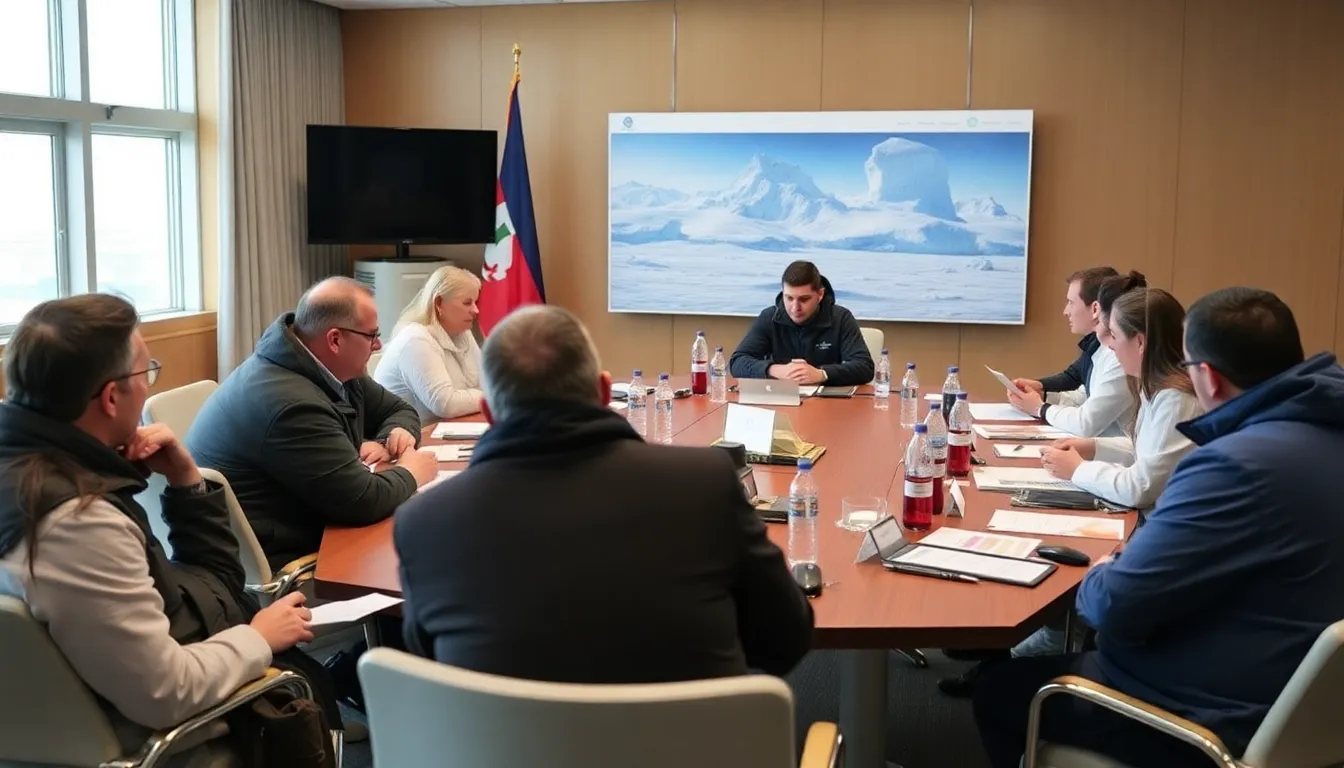
Frequently asked questions about the Antarctic expedition
Insights and future outlook on Antarctic exploration
The ongoing developments in Antarctic exploration highlight the shifting dynamics of international collaboration and competition in this remote region. As nations pursue ambitious scientific and strategic goals, the implications for global governance, environmental stewardship, and geopolitical relationships become increasingly pronounced. The absence of certain nations from key initiatives raises questions about their future roles and the potential for missed opportunities in scientific advancement and resource management.
Monitoring the evolving landscape of Antarctic exploration will be crucial. Stakeholders must consider not only the immediate benefits of research and exploration but also the long-term impacts on global climate policy and international cooperation. The interplay of national interests and collaborative efforts will shape the future of this pristine environment.
- Increased collaboration: Future exploration may necessitate stronger partnerships among nations to address shared challenges and maximize scientific output.
- Geopolitical implications: The involvement of emerging powers in Antarctic activities could alter traditional power dynamics and influence global policy discussions.
- Environmental considerations: As exploration intensifies, the need for sustainable practices and environmental protections will become even more critical.
- Technological advancements: Innovations in research methods and equipment will likely enhance our understanding of Antarctica’s ecosystems and climate change impacts.
- Policy development: The evolving situation may prompt the need for updated international agreements to effectively govern resource use and scientific collaboration in the region.