


In particular, the recent launch of advanced AI models has sparked discussions about ethical considerations and regulatory frameworks. Events such as the AI Summit held in San Francisco in September 2023 have brought together industry leaders and policymakers to address these pressing issues and explore potential guidelines for responsible AI use.
Moreover, the ongoing global semiconductor shortage continues to affect tech manufacturing and supply chains. This shortage, which began in 2020, has led to delays in product launches and increased prices for consumers, highlighting the fragility of global supply networks in the tech industry.
Additionally, cybersecurity remains a critical concern as cyberattacks become more sophisticated. Recent data breaches affecting high-profile organizations have underscored the need for stronger security measures and increased investment in cybersecurity solutions to protect sensitive information, especially given the digital landscape.
The Evolution of Technology Over the Years
The history of technology is a tale of human ingenuity and progress, marked by significant milestones that have shaped our modern world. From the invention of the wheel to the rise of the internet, each technological advancement has had profound impacts on society, economy, and politics. The Industrial Revolution in the 18th century was a pivotal moment, as it transitioned societies from agrarian economies to industrial powerhouses, fundamentally altering labor, production, and daily life.

In the 20th century, the advent of computers and the digital age marked another transformative era. The development of the microprocessor in the 1970s laid the groundwork for personal computing, leading to a surge in innovation and the democratization of technology. This period saw the rise of tech giants, such as IBM and Microsoft, which not only influenced the economy but also the political landscape, as governments began to recognize the strategic importance of technology in national security and global competitiveness.
The Internet Revolution
The launch of the World Wide Web in the early 1990s was a watershed moment that changed how information is shared and consumed. This revolution enabled instant communication and access to vast amounts of data, fostering a new era of globalization and highlighting the challenges that accompany innovation.
As we move into the 21st century, the pace of technological advancement continues to accelerate, with artificial intelligence, blockchain, and renewable energy technologies at the forefront. These innovations promise to address some of the most pressing issues of our time, such as climate change and economic inequality. However, they also pose ethical and regulatory challenges that require careful consideration and proactive governance.
Understanding the historical context of technology is crucial for navigating the complexities of today’s digital landscape. Each technological leap has been accompanied by societal shifts, creating both opportunities and obstacles that shape our collective future. As we delve deeper into the impact of current technologies, it is essential to reflect on the lessons learned from the past to inform our approach to the future.
Key Stakeholders Driving Technological Change
The landscape of technological advancement is shaped by a diverse array of stakeholders, each with distinct interests and influences. These include major tech companies, government regulators, non-profit organizations, and the general public. Understanding their roles and perspectives is crucial for grasping the complexities of ongoing developments in the tech sector.

Major technology corporations, such as Google, Apple, and Microsoft, are at the forefront of innovation. Their primary interest lies in maintaining competitive advantages and maximizing profits through the development of new products and services. This often leads to conflicts with regulatory bodies that seek to impose restrictions to ensure fair competition and consumer protection.
Government entities play a pivotal role in shaping the regulatory environment for technology. They are tasked with balancing the need for innovation with public safety and privacy concerns. The interests of government stakeholders often clash with those of tech companies, particularly regarding issues such as data privacy, antitrust laws, and the regulation of emerging technologies like artificial intelligence.
Non-profit organizations and advocacy groups also contribute to the discourse around technology. They often focus on ethical implications and the societal impact of tech advancements. For instance, issues related to digital divide, surveillance, and environmental sustainability are central to their advocacy efforts. These groups frequently challenge both corporations and governments to prioritize ethical considerations over profit and efficiency.
- Data Privacy: Ongoing debates about how companies handle user data and the implications for consumer trust.
- Antitrust Concerns: Increasing scrutiny on big tech companies regarding monopolistic practices.
- Digital Divide: The gap between those with access to technology and those without, raising questions about equity.
- Regulatory Compliance: The challenges tech companies face in adapting to varying regulations across different regions.
- Ethical AI: The need for guidelines to ensure that artificial intelligence is developed and used responsibly.
How These Trends Affect Consumers and Businesses
The rapid advancements in technology are reshaping various sectors, impacting consumers and businesses alike. Key groups affected include tech-savvy consumers, small to medium enterprises (SMEs), and large corporations across multiple industries. Regions with robust tech infrastructures such as Silicon Valley, Shenzhen, and Bangalore are particularly influenced, but the ripple effects extend globally.
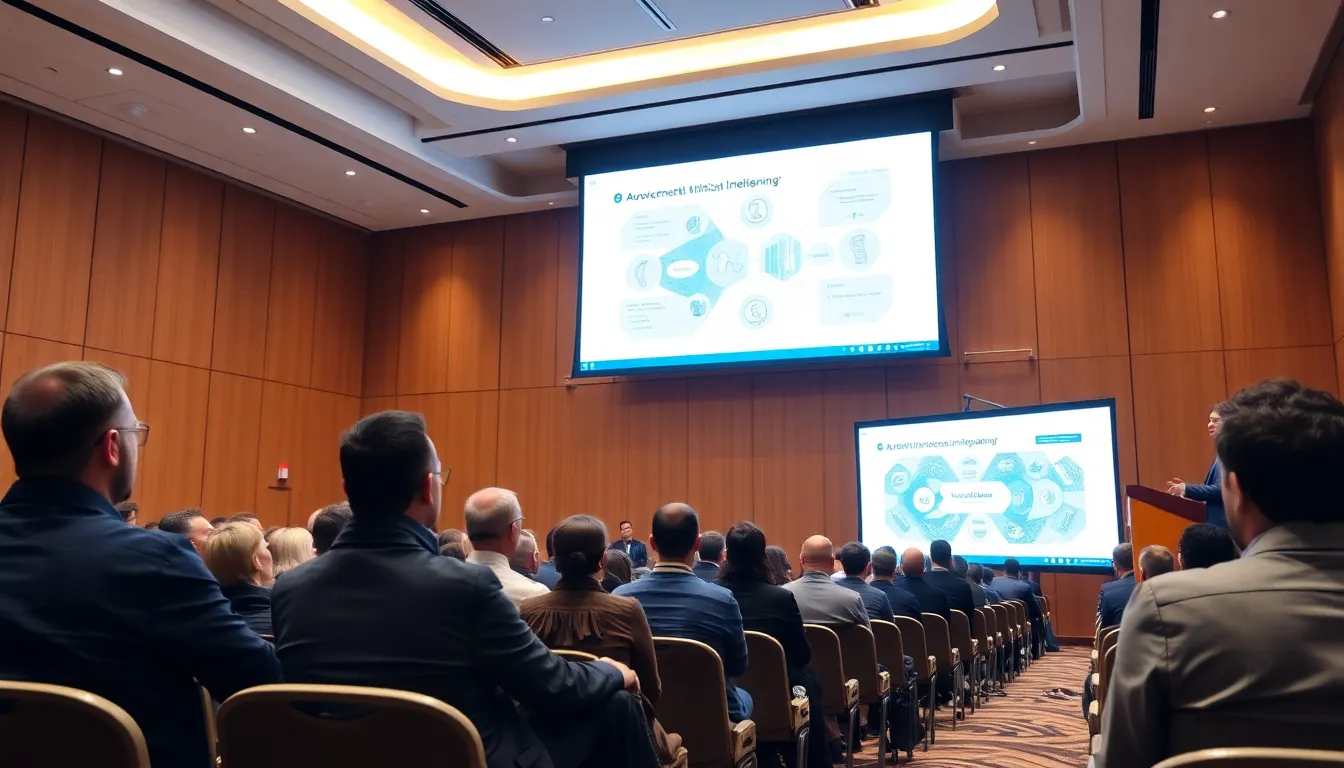
In the short term, consumers may experience enhanced convenience through improved digital services and products. For businesses, adopting new technologies can lead to increased efficiency and reduced operational costs. However, these changes also pose risks, such as potential job displacement due to automation and the challenge of keeping up with the pace of innovation.
Mid-term impacts could include shifts in consumer behavior as people become more reliant on technology for everyday tasks. Businesses might need to adapt their strategies to meet evolving consumer expectations. This could lead to a greater emphasis on digital marketing and e-commerce, opening new avenues for growth while also intensifying competition.
- Opportunities: Enhanced market reach for SMEs through digital platforms.
- Risks: Cybersecurity threats and data privacy concerns for consumers.
- Shifts: Changes in workforce dynamics with a focus on tech skills.
As policies evolve to regulate these technological advancements, businesses may face new compliance requirements. This could create both challenges and opportunities for innovation in policy-making, ultimately shaping the landscape of work and consumer rights in the tech-driven future.
A: Some of the most significant trends include artificial intelligence, cloud computing, and the Internet of Things. These technologies are reshaping industries and consumer experiences. A: Technology significantly impacts daily life by enhancing communication, improving access to information, and streamlining tasks. It influences how we work, socialize, and learn. A: Major players include companies like Apple, Google, Microsoft, and emerging startups. These organizations are at the forefront of innovation and development. A: Consumer feedback is crucial as it helps companies understand user needs and preferences. This feedback drives improvements and new features in technology products. A: Yes, new technology can pose risks such as data privacy concerns and job displacement. It’s important for stakeholders to address these issues responsibly.
Frequently Asked Questions About Technology Trends
Looking Ahead: The Future of Technology
The rapid evolution of technology continues to reshape industries and redefine the way we interact with the world. As companies adapt to emerging trends such as artificial intelligence, blockchain, and the Internet of Things, the implications for businesses and consumers alike are profound. Staying informed about these changes is essential for navigating the complexities of the future landscape.
As we look to the horizon, several key areas warrant close attention. The integration of advanced technologies into everyday life presents opportunities for innovation, efficiency, and enhanced user experiences. However, it also raises critical questions about privacy, security, and the ethical implications of technology’s growing role in society.
- Monitor AI Developments: Keep an eye on advancements in artificial intelligence, particularly in areas like machine learning and natural language processing, as they will drive significant changes across sectors.
- Embrace Digital Transformation: Organizations should prioritize digital transformation initiatives to remain competitive and enhance operational efficiency.
- Focus on Cybersecurity: With increasing reliance on technology, investing in robust cybersecurity measures will be crucial to protect sensitive data and maintain trust.
- Evaluate Ethical Considerations: As technology continues to evolve, businesses must address the ethical implications of their innovations to ensure responsible use and public acceptance.